How to Apply Daily Sunscreen Like a Pro

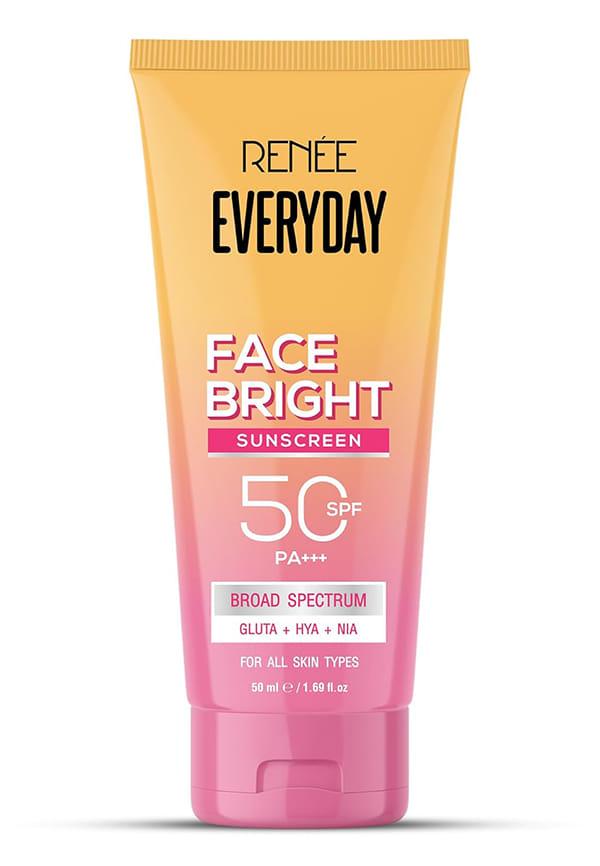
Everyday Face Bright Sunscreen
Best & Light Product
 5
5“Best i have ever used and light ”
Best & Light Product
5“Best i have ever used and light ”
Good Quality Product
5“nice product to use good quality”
Let's be real—sunscreen isn't just for beach days anymore. Your skin faces UV damage every single day, whether you're commuting to work, sitting by a window, or just popping out for groceries. Learning how to apply daily sunscreen properly is honestly one of the best things you can do for your skin's future self. It's not just about preventing sunburn; it's about keeping your skin healthy, youthful, and protected from the sneaky damage that builds up over time. Think of it as your daily armour against premature ageing, dark spots, and more serious skin concerns. Ready to master the art of daily sun protection? Let's dive into everything you need to know about making sunscreen your skin's best friend.
Here's something that might surprise you: UV rays don't take days off. Even when it's cloudy, raining, or you're spending most of your time indoors, your skin is still getting exposed to harmful radiation. UVA rays can penetrate through windows, which means that spot by your office window or your favourite corner of the café is still putting your skin at risk. The importance of sunscreen goes way beyond preventing that painful lobster-red look after a day at the beach. Daily UV exposure is the number one cause of premature ageing—think fine lines, wrinkles, age spots, and that leathery texture nobody wants. It's also responsible for hyperpigmentation, those stubborn dark spots that seem to appear out of nowhere and take forever to fade. Research shows that people who use sunscreen daily show 24% less skin ageing than those who use it only occasionally. That's not just a small difference—that's your skin literally thanking you for being consistent. Plus, regular sunscreen use significantly reduces your risk of skin cancer, making it one of the most important steps in your skincare routine. The thing is, UV damage is cumulative. Every unprotected moment adds up, which is why sporadic sunscreen application just isn't enough. Your skin needs that consistent shield, day in and day out, to stay healthy and resilient.
Getting your sunscreen application technique right is crucial for proper protection. It's not just about slapping some cream on your face and calling it a day—there's actually a method to the madness that ensures you're getting the full SPF protection promised on the bottle.
Before you even think about reaching for that sunscreen tube, your skin needs to be properly prepped. Start with a gentle cleanser to remove any overnight buildup, then follow with your usual morning skincare routine. The key here is timing—sunscreen should always be the last step in your skincare routine, but the first step before makeup. If you're using serums or treatments, apply them first and give them a few minutes to absorb. Then comes moisturiser (if you're using a separate one), followed by sunscreen. This layering order ensures each product can do its job without interfering with the others. Once you've applied your sunscreen, give it 15-20 minutes to properly absorb and form a protective barrier before heading out into the sun. This waiting period is crucial for optimal protection.
Here's where most people go wrong—they simply don't use enough product. For your face and neck, you need about 1/4 to 1/2 teaspoon of sunscreen. That's roughly the size of a 10p coin or two finger-lengths squeezed from the tube. It might seem like a lot, but this is the amount used in laboratory testing to achieve the SPF rating on the bottle. For your body, you're looking at about 30ml (roughly 6 teaspoons) to cover your entire body properly. That's a shot glass worth of product. Break it down by body part: one teaspoon each for your face and neck, each arm, each leg, front torso, and back torso. Don't forget the often-missed spots that get the most sun damage: your ears, the back of your neck, your hairline, the tops of your feet, and between your toes if you're wearing open shoes. These areas are sunburn magnets and deserve just as much attention as your face.
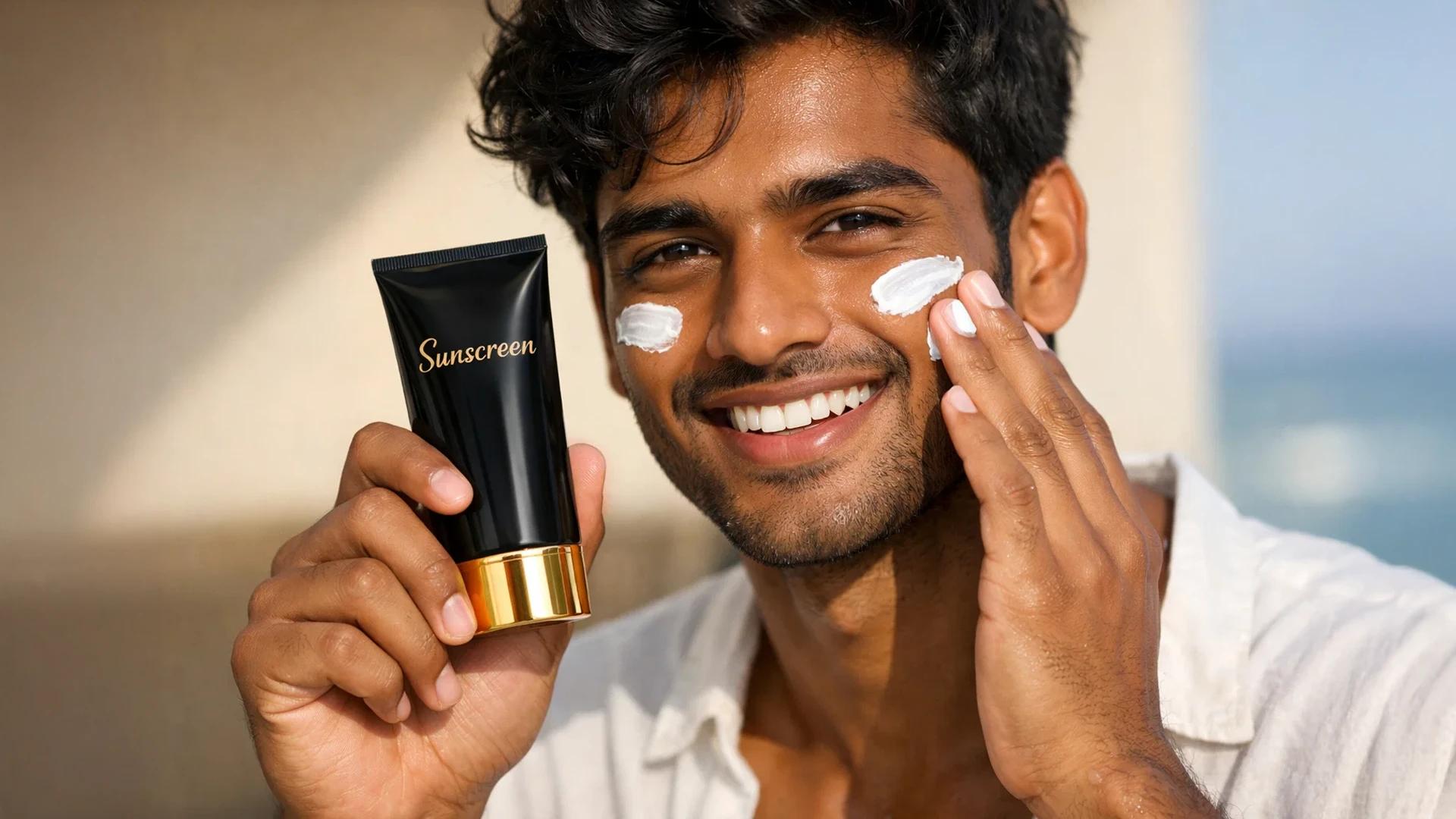
The way you apply sunscreen matters just as much as the amount you use. Instead of rubbing it in like you would a moisturiser, try a gentle patting and pressing motion. This helps ensure even coverage without accidentally wiping away product. Start by dotting the sunscreen across your face—forehead, cheeks, nose, and chin—then gently blend outwards. Use upward strokes on your neck and don't forget to blend down to your décolletage if it's going to be exposed. For your body, apply sunscreen in sections, working systematically from top to bottom. This prevents you from missing any spots and ensures thorough coverage.
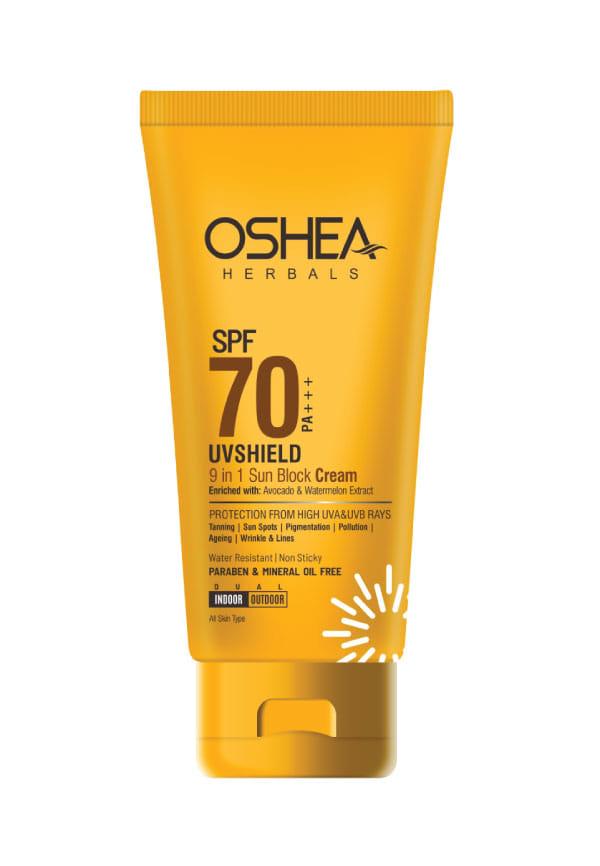
UVshield 9 In 1 Sun Block Cream SPF-70 PA+++
Positive Skin Effects
4“skin feels good 👍 fairness n tan removal sunscreen”
Not all sunscreens are created equal, and what works brilliantly for your mate might not be your skin's cup of tea. Understanding the different types of sunscreen and how they work with various skin types can make all the difference in your sunscreen routine.
Your facial skin is more delicate and often more reactive than the skin on your body, which is why sunscreen for face formulations are typically lighter and more refined. Facial sunscreens are usually non-comedogenic, meaning they won't clog your pores, and they're often formulated to work well under makeup. If you have acne-prone skin, look for oil-free, lightweight formulas that won't contribute to breakouts. Gel-based or fluid sunscreens can be brilliant for oily skin types. For dry skin, cream-based sunscreens with added moisturising ingredients can pull double duty. Sensitive skin types should lean towards mineral sunscreens containing zinc oxide or titanium dioxide. These physical blockers sit on top of the skin and reflect UV rays, rather than absorbing them like chemical sunscreens do. They're generally gentler and less likely to cause irritation.
For daily use, SPF 30 is the minimum you should consider, but SPF 50 gives you that extra peace of mind. The difference between SPF 30 and SPF 50 isn't huge—SPF 30 blocks about 97% of UVB rays, while SPF 50 blocks about 98%—but that extra 1% can matter for extended exposure. Always choose broad-spectrum protection, which shields you from both UVA and UVB rays. UVB rays cause burning, while UVA rays penetrate deeper and cause ageing and DNA damage. You need protection from both. If you're planning to be active, swim, or sweat, water-resistant formulas are your friend. Just remember that water-resistant doesn't mean waterproof—you'll still need to reapply regularly.
Making sunscreen a non-negotiable part of your daily routine is where the magic happens. It's not about adding another complicated step—it's about making daily sun protection as automatic as brushing your teeth.
Your morning skincare sequence should flow like this: cleanser, any treatment serums, moisturiser (if using a separate one), then sunscreen. This order ensures each product can penetrate properly and do its job without interference. If you're using active ingredients like retinol or acids, these should go on clean skin after cleansing. Then comes your moisturiser, and finally, sunscreen as your protective barrier against the outside world. Timing between applications matters too. Give each layer a minute or two to absorb before applying the next. This prevents pilling and ensures better adherence.
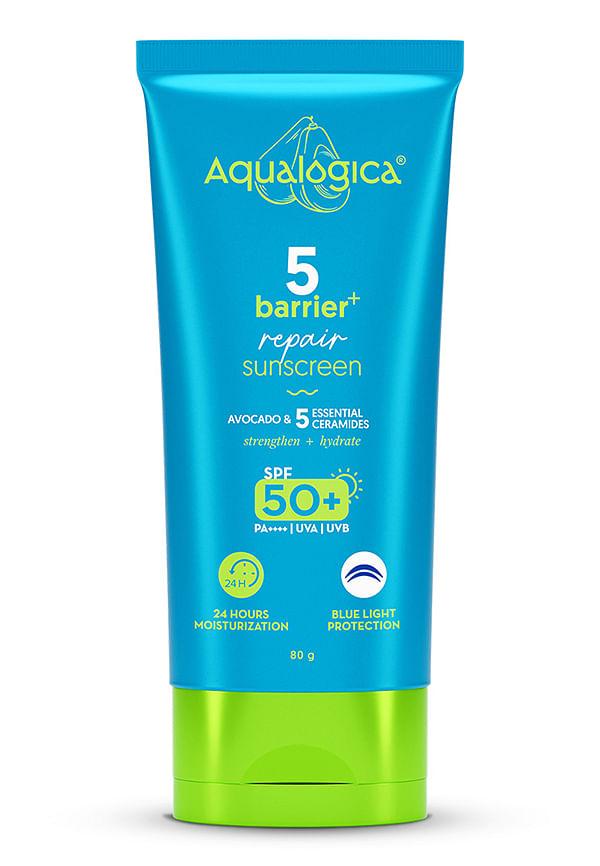
Barrier+ Repair Sunscreen
Good Product Experience
4“it was good I like the product”
Good Product Experience
4“it was good I like the product”
Good Product Experience
4“it was good I like the product”
One of the biggest complaints about daily sunscreen use is that it doesn't play well with makeup. The secret is choosing the right formula and giving it proper time to set. Look for sunscreens specifically designed to work under makeup—these are usually lighter and less greasy. Allow your sunscreen to fully absorb for at least 5-10 minutes before applying makeup. If you're in a rush, gently blot any excess with a tissue before starting your makeup routine. Some sunscreens can double as primers, creating a smooth base for foundation. These hybrid products can streamline your routine while ensuring you don't skip protection.
Here's the truth bomb: applying sunscreen once in the morning isn't enough. For optimal protection, you need to reapply every 2-3 hours, especially if you're spending time outdoors, sweating, or swimming. For office workers who spend most of their day indoors, reapplication might seem unnecessary, but if you're by windows or step outside for lunch, your skin is still getting UV exposure. A midday touch-up is worth considering, especially on your face and any exposed areas. Reapplying over makeup can be tricky, but it's not impossible. Powder sunscreens, setting sprays with SPF, or cushion compacts with sun protection can help maintain your coverage without ruining your look. Alternatively, you can gently blot your face with a tissue and reapply liquid sunscreen to the most exposed areas like your nose, forehead, and cheeks. For body reapplication, keep a travel-size sunscreen in your bag. After swimming or sweating, pat your skin dry and reapply generously. Don't just focus on the areas that feel warm—UV damage happens even when you don't feel it.
Even with the best intentions, it's easy to fall into sunscreen traps that can leave your skin vulnerable. One of the biggest mistakes is simply not using enough product. Most people apply about half the recommended amount, which means they're getting roughly half the stated SPF protection. Another common error is forgetting about seasonal protection. UV rays are present year-round, and snow, water, and sand can actually increase exposure by reflecting rays back at your skin. Your winter sunscreen routine should be just as consistent as your summer one. Skipping reapplication is another major mistake. Sunscreen breaks down over time, especially with heat, sweat, and friction from clothing or towels. Even if you're not swimming or sweating heavily, reapplication ensures continuous protection. Mixing certain skincare ingredients with sunscreen can also reduce effectiveness. For example, some oils can break down chemical sunscreen filters. If you're using facial oils, apply them before your sunscreen and give them time to absorb. Don't assume that makeup with SPF is enough protection on its own. While it's a nice bonus, most people don't apply foundation thickly enough to get the stated SPF protection. Always use a dedicated sunscreen as your base layer.
With so many sunscreen tips and product options out there, finding the right formula for your skin can feel overwhelming. The good news is that there's never been a better time to experiment and find your perfect match. Platforms like Smytten make it easy to try different sunscreen formulations without committing to full-size products that might not work for your skin. Smytten offers curated trial packs from over 1,500 trusted brands, including top skincare names like Cetaphil and Dot & Key. You can get up to 8 minis for just ₹249, with 100% cashback redeemable for future purchases. This means you can test various sunscreen formulas—from lightweight gels to nourishing creams—to find what works best for your skin type and lifestyle. The platform's trial approach is perfect for sunscreen shopping because what works for someone else might not work for you. Factors like skin type, climate, daily activities, and personal preferences all play a role in finding your ideal sunscreen for skin protection.
Absolutely! Daily facial sunscreen application is not only safe but essential for healthy skin. Choose a formula designed for facial use, which tends to be lighter and less likely to cause breakouts or irritation.
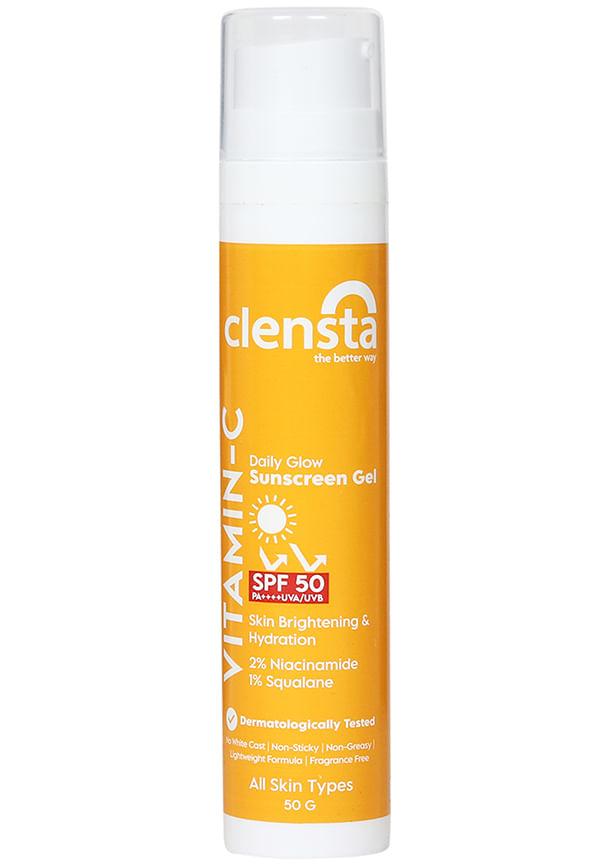
Daily Glow Sunscreen Gel SPF 50 PA++++ with Vitamin C, Niacinamide and Squalane, UVA/UVB Filters
Really Good Product, Soft and Radiance
5“product is really good u should buy the product and it so soft m radiance to the skin it is really good product”
Yes, especially if you're near windows or plan to step outside at any point during the day. UVA rays can penetrate glass, so indoor exposure is still a concern for skin health and ageing prevention.
Use about 1/4 to 1/2 teaspoon for your face and neck—roughly the size of a 10p coin. This ensures you're getting the full SPF protection stated on the product.
Start with a gentle, fragrance-free formula designed for your skin type. If you have sensitive skin, try mineral sunscreens with zinc oxide or titanium dioxide. Introduce daily use gradually if your skin isn't used to it.
There's no wrong time to start! Whether you're 15 or 50, beginning a daily sunscreen habit will benefit your skin. The earlier you start, the more protection you're giving your skin against cumulative damage.
Definitely! UV rays are present year-round, and snow can actually increase UV exposure by reflecting rays. Winter sun can be particularly harsh on exposed skin, making daily protection crucial.
Use a gentle cleanser or micellar water to thoroughly remove sunscreen before your evening skincare routine. Double cleansing with an oil-based cleanser followed by a water-based one can ensure complete removal.
Mastering how to apply daily sunscreen is honestly one of the best investments you can make in your skin's future. It's not about perfection—it's about consistency and finding a routine that works for your lifestyle. Whether you prefer lightweight gels, nourishing creams, or hybrid moisturiser-sunscreen formulas, the key is making it a non-negotiable part of your day. Remember, the best sunscreen is the one you'll actually use every day. Don't be afraid to experiment with different formulas until you find your perfect match. With platforms like Smytten, you can try various options without the commitment, making it easier than ever to discover products that truly work for your skin. After all, why settle for 'maybe' when you can try it all and find exactly what your skin loves?
