How to Achieve Hormonal Skincare Without Harsh Chemicals

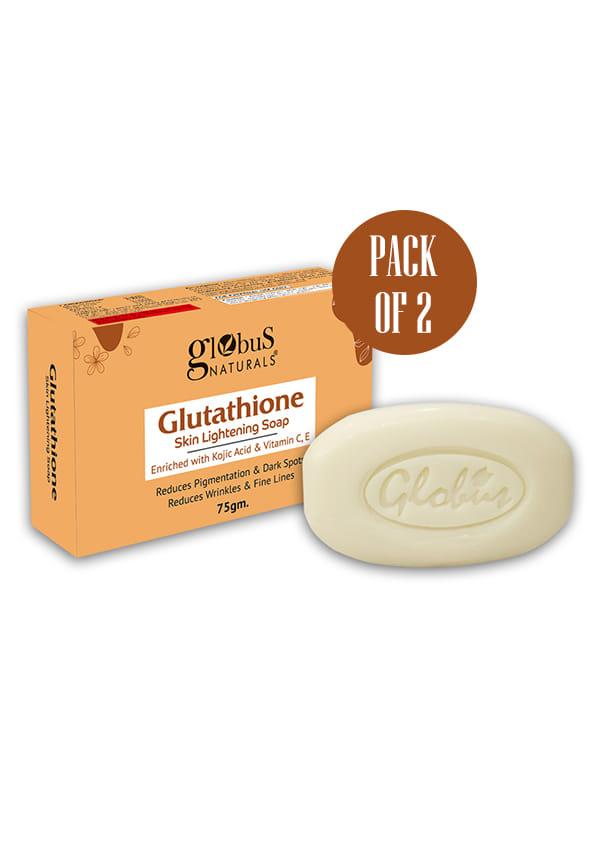
Glutathione Skin Lightening Soap Enriched with Kojic Acid & Vitamin C, E
Effective Brightening Product
 4
4“works well and brighten mu body”
Positive Product Review
4“good product and good quality to use”
Wonderful Fragrance
5“Amazing soap and fregrance wow”
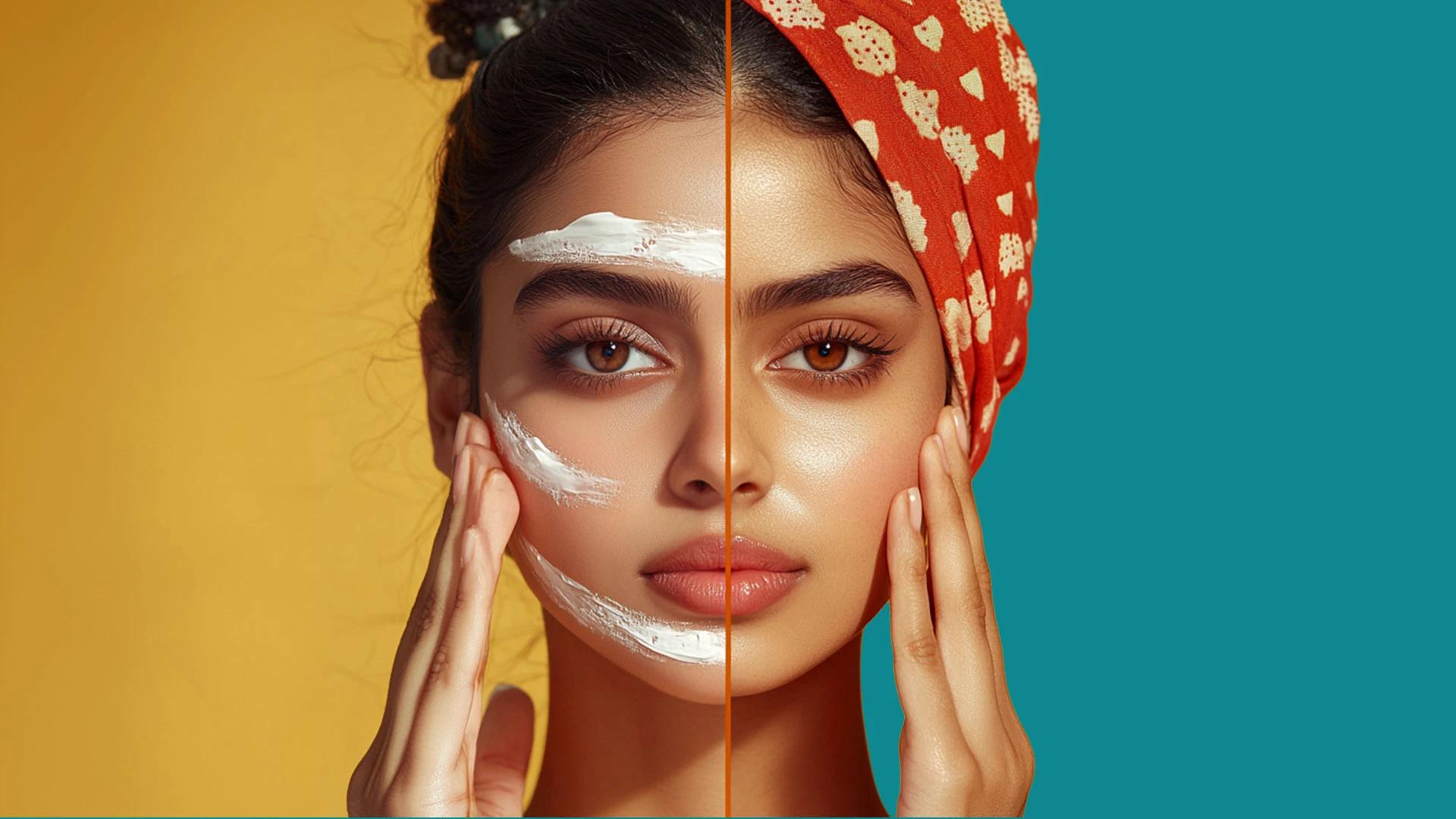
Hormonal skin changes can feel like an endless cycle of breakouts, sensitivity, and unpredictable reactions—especially when conventional treatments seem to make things worse. If you've noticed your skin flaring up around your cycle, during stressful periods, or after trying products loaded with synthetic ingredients, you're not alone. The truth is, many traditional skincare products contain hormone-disrupting chemicals that can actually worsen hormonal imbalances, leaving your skin more reactive than before. The good news? Achieving clear, balanced skin doesn't require harsh chemicals or aggressive treatments. Natural hormonal balance skincare focuses on working with your body's rhythms rather than against them, using gentle yet effective ingredients that support your skin's natural healing processes. Whether you're dealing with hormonal acne, sensitivity during pregnancy, or simply want to avoid endocrine disruptors in your routine, there are proven ways to nurture your skin without compromising your hormonal health. Platforms like Smytten make it easier than ever to discover gentle, hormone-friendly products through trial sizes, so you can find what works for your unique skin without the commitment of full-size purchases.
Hormonal skin issues are often worsened by endocrine-disrupting chemicals found in conventional skincare products like parabens, phthalates, and synthetic fragrances
Natural hormonal balance skincare uses gentle, plant-based ingredients like bakuchiol, green tea, and lactic acid that work with your body's natural cycles
Building a hormone-friendly routine involves avoiding harsh chemicals whilst incorporating anti-inflammatory botanicals and barrier-supporting ingredients
Lifestyle factors like stress management, proper nutrition, and adequate sleep play crucial roles in supporting hormonal skin health
Clean beauty products for hormonal support focus on transparency, minimal processing, and avoiding known hormone disruptors
Hormonal skin problems aren't just about the occasional pre-period breakout—they're complex reactions that involve your entire endocrine system. When your hormones fluctuate naturally throughout your cycle, during pregnancy, or due to stress, your skin responds by changing oil production, sensitivity levels, and healing capacity. What many people don't realise is that the products we use daily can either support these natural processes or completely disrupt them.
Your skin is essentially a mirror of your internal hormone balance. During different phases of your menstrual cycle, oestrogen and progesterone levels shift dramatically, affecting everything from sebum production to skin thickness. Stress hormones like cortisol can trigger inflammatory responses that show up as breakouts, redness, or increased sensitivity. Even your gut health plays a role—when your digestive system is out of balance, it can affect hormone metabolism and lead to skin issues.
Conventional skincare often contains endocrine disruptors—chemicals that interfere with your body's hormone production and regulation. These synthetic ingredients can trigger inflammation, disrupt your skin's natural barrier, and create a cycle where your skin becomes increasingly reactive. When you're already dealing with hormonal fluctuations, adding chemical stress to the mix often makes symptoms worse rather than better.
The first step towards hormonal skincare without harsh chemicals is learning to spot the ingredients that could be working against you. Many products marketed as "gentle" or "natural" still contain problematic chemicals, so becoming a savvy label reader is essential for protecting your hormonal health.
Parabens are perhaps the most well-known endocrine disruptors, mimicking oestrogen in your body and potentially contributing to hormonal imbalances. Phthalates, often hidden under the term "fragrance," can interfere with reproductive hormones and have been linked to various health concerns. Chemical UV filters like oxybenzone and octinoxate don't just protect your skin from sun damage—they can also be absorbed into your bloodstream and disrupt hormone function. Synthetic fragrances are particularly problematic because manufacturers aren't required to disclose the specific chemicals used, meaning you could be exposing yourself to multiple hormone disruptors without knowing it.
Learning to decode ingredient lists becomes much easier once you know what to look for. Ingredients are listed in order of concentration, so if you see parabens, sulfates, or synthetic fragrances in the first few ingredients, that product likely contains significant amounts. Watch out for terms like "parfum," "fragrance," or "aroma"—these often indicate synthetic chemicals. Similarly, ingredients ending in "-paraben" or containing "PEG" followed by numbers are red flags for hormone-sensitive skin.
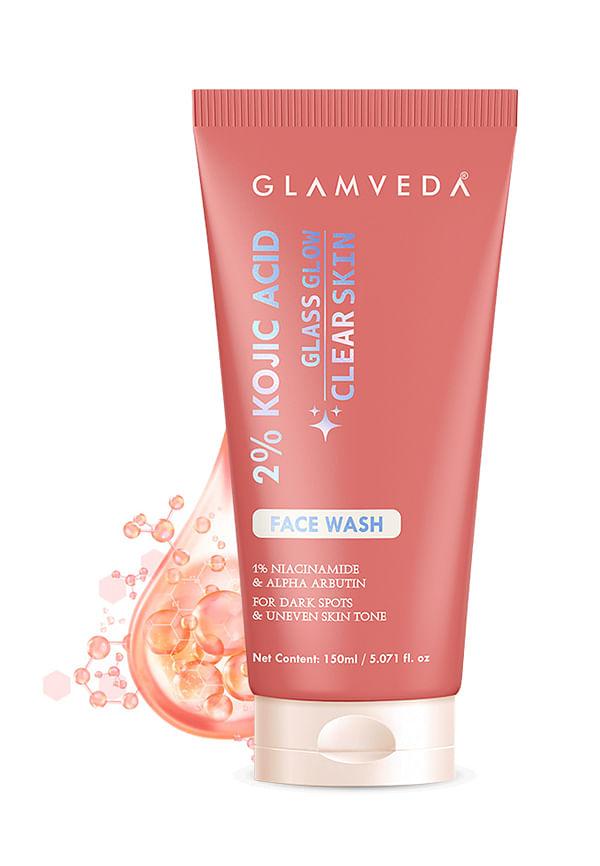
2% Kojic Acid Face Wash With 1% Niacinamide & Alpha Arbutin for dark spot & uneven skin tone clear glow
Good Product, Liked It
5“it's so good product iliket this”
Good but feels dry
5“the product is overall good but feels dry .”
Effective hormonal skincare without harsh chemicals focuses on supporting your skin's natural functions rather than forcing dramatic changes. This approach recognises that your skin's needs will fluctuate with your hormones, and the goal is to provide gentle, consistent support that adapts to these changes.
Bakuchiol has emerged as a brilliant alternative to retinol for hormonal acne, offering similar skin-smoothing benefits without the irritation or pregnancy concerns. This plant-derived ingredient helps regulate oil production and supports skin renewal whilst being gentle enough for sensitive, hormonally reactive skin. Green tea extract provides powerful anti-inflammatory benefits that can calm hormonal breakouts and redness. Chamomile and calendula offer soothing properties that help repair the skin barrier—crucial when hormonal fluctuations leave your skin more vulnerable.
Adaptogens like ashwagandha and holy basil are increasingly appearing in topical formulations, helping skin cope with stress-related hormonal changes. Gentle acids like lactic acid provide exfoliation benefits without the harsh irritation of stronger chemical peels, making them perfect for hormonally sensitive skin that still needs help with texture and brightness.
A hormone-friendly morning routine might include a gentle plant-based cleanser, followed by a niacinamide serum to regulate oil production, a lightweight moisturiser with ceramides for barrier support, and mineral sunscreen for protection. Evening routines can incorporate slightly more active ingredients like bakuchiol or gentle fruit enzymes, always followed by a nourishing moisturiser to support overnight repair processes.
Not all hormonal skin issues are the same, and your approach should vary depending on whether you're dealing with acne, sensitivity, dryness, or pigmentation. The key is choosing non-toxic skincare solutions that address your specific concerns without disrupting your hormonal balance further.
Plant-based cleansers with anti-inflammatory properties work beautifully for hormonal breakouts. Look for ingredients like tea tree oil, willow bark extract (a natural source of salicylic acid), or green tea that can help manage bacteria and inflammation without stripping your skin. Oil cleansing, particularly with jojoba or grapeseed oil, can actually help balance sebum production—your skin produces less oil when it's not constantly stripped by harsh cleansers.
Natural spot treatments using ingredients like zinc oxide, tea tree oil, or bentonite clay can target individual breakouts without the drying effects of benzoyl peroxide. DIY masks using ingredients like honey, oatmeal, or turmeric provide gentle antibacterial and anti-inflammatory benefits that support your skin's natural healing processes.
Pregnancy brings unique skincare challenges, as many conventional acne treatments become off-limits whilst hormonal changes often trigger breakouts. Focus on gentle, pregnancy-safe ingredients like azelaic acid, vitamin C, and niacinamide that can help manage hormonal acne without risks. Menopause often brings decreased oil production and increased sensitivity, requiring richer moisturisers and gentle, hydrating ingredients like hyaluronic acid and ceramides.
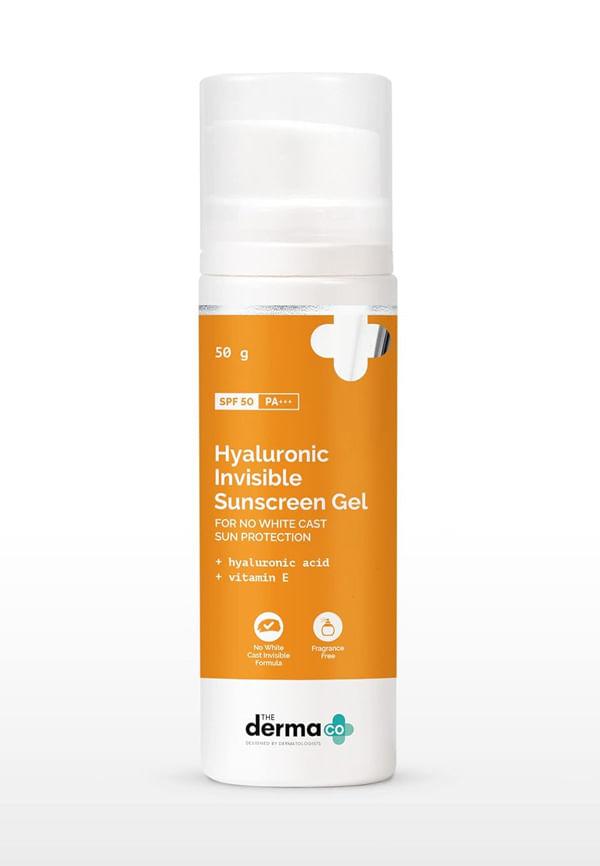
Hyaluronic Invisible Sunscreen Gel with Hyaluronic Acid & Vitamin E
Best Non-Sticky Sunscreen
5“best sunscreen for summer.non sticky”
Best Non-Sticky Sunscreen
5“best sunscreen for summer.non sticky”
Best Non-Sticky Sunscreen
5“best sunscreen for summer.non sticky”
Seasonal hormonal fluctuations might require adjusting your routine—perhaps using lighter formulations during humid summer months when hormonal breakouts tend to worsen, or adding more nourishing oils during winter when hormonal changes can leave skin drier. Stress-related hormonal flare-ups benefit from calming ingredients like lavender, chamomile, or centella asiatica that help soothe both skin and mind.
Building an effective routine for hormonal skincare without harsh chemicals requires understanding your skin's patterns and choosing products that work synergistically. The goal is creating a sustainable routine that supports your skin through all its hormonal fluctuations whilst avoiding ingredients that could disrupt your endocrine system.
Start with cleansing—oil-based cleansers work wonderfully for removing makeup and sunscreen without stripping natural oils, whilst cream cleansers provide gentle daily cleansing for sensitive hormonal skin. Alcohol-free toners with ingredients like rose water or witch hazel help balance pH without causing irritation. Treatment serums should target your specific concerns—niacinamide for oil control, vitamin C for brightening, or hyaluronic acid for hydration—but introduce them gradually to avoid overwhelming sensitive skin.
Moisturising becomes crucial for hormonal skin, as barrier damage can worsen sensitivity and trigger more breakouts. Look for ingredients like ceramides, squalane, or plant oils that support your skin's natural barrier function. For sun protection, mineral sunscreens with zinc oxide or titanium dioxide provide effective protection without the hormone-disrupting potential of chemical filters.
Layer products from thinnest to thickest consistency, allowing each layer to absorb before applying the next. When introducing new products, start with every other day or every few days to gauge your skin's reaction—hormonal skin can be particularly reactive to change. Patch testing becomes especially important when your skin is hormonally sensitive, as reactions can be more severe during certain times of your cycle.
Product | Skin Type | Key Concerns | Price Range | Key Ingredients |
|---|---|---|---|---|
Minimalist 2% Alpha Arbutin Face Serum | All types | Hyperpigmentation, dark spots | Budget-friendly | Alpha Arbutin 2%, Hyaluronic Acid |
Dot & Key Cica 2% Salicylic Acid Face Wash | Oily, acne-prone | Hormonal acne, redness | Mid-range | Salicylic Acid 2%, Cica, Green Tea |
Plum 2% Encapsulated Salicylic Acid Serum | Oily, acne-prone | Blackheads, clogged pores | Mid-range | Encapsulated Salicylic Acid 2%, Green Tea |
WishCare Head-to-Toe Sun Protection SPF 50+ | All types, sensitive | Sun protection, hydration | Mid-range | Mineral SPF 50+, broad-spectrum filters |
The Face Shop Alltimate Vegan Mucin Peptide Serum | Dry, sensitive, mature | Barrier repair, anti-ageing | Premium | Vegan Mucin, Peptide Complex |
Achieving hormonal skincare without harsh chemicals isn't just about the products you apply—your lifestyle choices play an equally important role in supporting balanced, healthy skin. When your internal systems are functioning optimally, your skin naturally becomes more resilient and less reactive to hormonal fluctuations.
Foods rich in omega-3 fatty acids, like salmon, walnuts, and flaxseeds, help reduce inflammation that can worsen hormonal breakouts. Zinc-rich foods such as pumpkin seeds and chickpeas support skin healing and can help regulate oil production. Antioxidant-rich berries and leafy greens provide the nutrients your skin needs to repair and protect itself from environmental stressors that can disrupt hormonal balance.
Supplements like evening primrose oil, spearmint tea, and probiotics can complement your clean skincare routine by supporting hormonal balance from within. Staying properly hydrated helps your body efficiently eliminate toxins and supports the skin's natural detoxification processes.
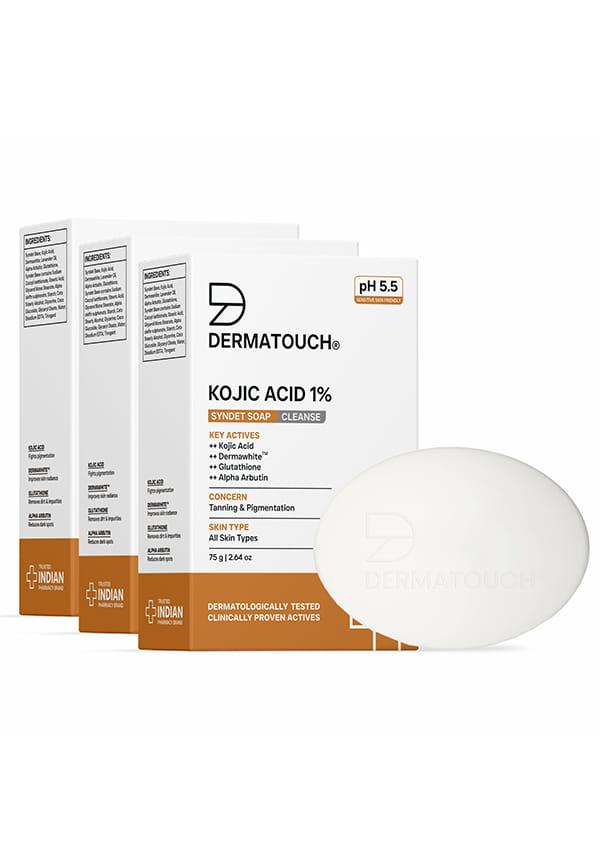
Kojic Acid 1% Soap with Glutathione ,For Pigmentation & Sun damage
Good for Pigmentation & Sensitive Skin
5“good for pigmentation , and good for sensitive skin”
Good for Pigmentation & Sensitive Skin
5“good for pigmentation , and good for sensitive skin”
Good for Pigmentation & Sensitive Skin
5“good for pigmentation , and good for sensitive skin”
Chronic stress elevates cortisol levels, which can trigger inflammatory skin responses and worsen hormonal acne. Evening routines that promote relaxation—perhaps including a gentle face massage with a nourishing oil or some mindful breathing—can help lower stress hormones whilst caring for your skin. Quality sleep is crucial for hormone regulation and skin repair, making your bedtime skincare routine an important part of both skin and overall health.
The best skincare for hormonal skin focuses on gentle, hormone-friendly ingredients like bakuchiol, green tea extract, and lactic acid. Avoid endocrine disruptors such as parabens, phthalates, and synthetic fragrances. Look for products with anti-inflammatory botanicals and barrier-supporting ingredients that work with your body's natural hormone cycles rather than against them. Platforms like Smytten allow you to trial hormone-friendly products before committing to full sizes, making it easier to find what works for your unique skin.
Avoid parabens (methylparaben, propylparaben), phthalates (often hidden in "fragrance"), chemical UV filters (oxybenzone, octinoxate), synthetic fragrances, and triclosan. These ingredients can disrupt your endocrine system and worsen hormonal skin issues. Instead, look for plant-based alternatives, mineral sunscreens, and products with transparent ingredient lists.
Yes, many natural ingredients are highly effective for hormonal acne. Bakuchiol provides retinol-like benefits without irritation, willow bark extract offers natural salicylic acid, and tea tree oil provides antibacterial properties. Green tea extract and niacinamide help reduce inflammation and regulate oil production. The key is consistency and choosing ingredients that support rather than disrupt your skin's natural balance.
Most people notice initial improvements in skin comfort and reduced irritation within 2-4 weeks of switching to hormone-friendly products. Significant changes in hormonal acne or pigmentation typically take 6-12 weeks, as this aligns with your skin's natural renewal cycle. Be patient and consistent—gentle, natural approaches often take longer to show results but provide more sustainable improvements.
While organic skincare often avoids synthetic hormone disruptors, "organic" doesn't automatically mean "hormone-friendly." Some natural ingredients can still cause reactions in sensitive, hormonally reactive skin. Focus on products that specifically avoid endocrine disruptors and choose ingredients based on their compatibility with your skin rather than just their organic status.
Achieving clear, balanced skin without harsh chemicals is entirely possible when you understand how to work with your body's natural hormonal rhythms. The key lies in avoiding endocrine-disrupting ingredients whilst embracing gentle, plant-based alternatives that support your skin's natural functions. Building a hormone-friendly routine takes patience and consistency, but the results—healthier skin that's less reactive to hormonal fluctuations—are worth the investment.
Remember that hormonal skincare isn't just about the products you use—lifestyle factors like stress management, proper nutrition, and adequate sleep play crucial roles in maintaining hormonal balance. Start by gradually replacing products containing parabens, synthetic fragrances, and chemical UV filters with cleaner alternatives, and give your skin time to adjust and heal.
Discovering the right hormone-friendly skincare products doesn't have to involve expensive full-size purchases that might not work for your unique skin. Smytten, India's largest product discovery and trial platform, offers curated trial packs from over 2,400 trusted brands including clean beauty favourites like Minimalist, Dot & Key, and Plum. With trial sizes available for just ₹279 for up to 10 products, you can explore gentle, hormone-friendly formulations before committing to full sizes. The platform's 100% cashback on trials makes it incredibly affordable to experiment with natural hormonal balance skincare options, and when you find products you love, purchasing the full-size version is just a click away. With over 28 million users trusting Smytten for authentic, brand-verified minis delivered across 90% of India's pin codes, you can confidently explore clean beauty options that support your hormonal skin health. After all, why settle for harsh chemicals when you can try gentle, effective alternatives and discover what truly works for your skin?
