How Summer Affects Skin: Your Complete Guide


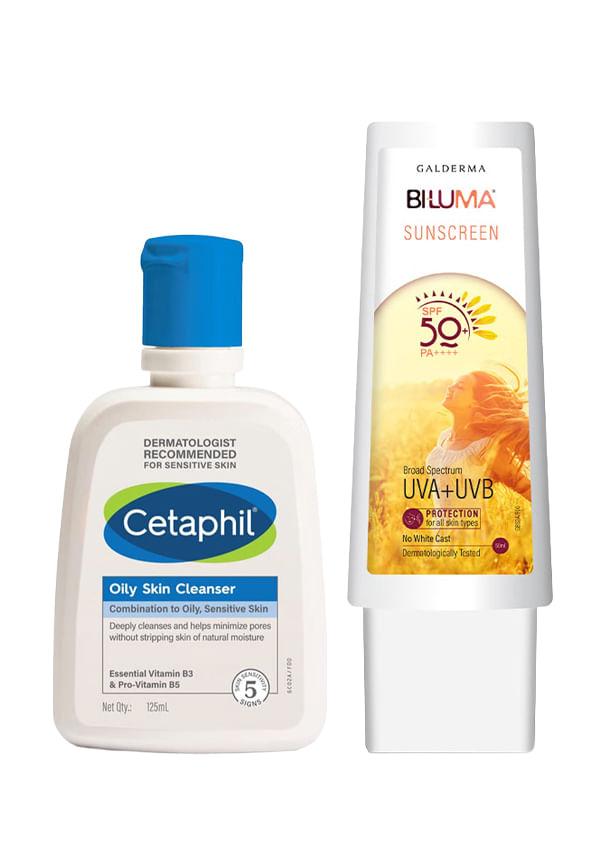
Sensitive Skin Summer Protection
Summer's here, and whilst we're all about those beach days and rooftop parties, our skin might not be feeling the same enthusiasm. Let's be real—the warmer months can be a bit of a rollercoaster for your complexion. Between the blazing sun, sticky humidity, and that inevitable post-workout glow (read: sweat), understanding how summer affects skin becomes pretty crucial for keeping your face happy. Think about it: your skin works overtime during summer, dealing with everything from UV rays that seem determined to age you prematurely to heat that makes your T-zone look like an oil slick. But here's the thing—once you know what's actually happening to your skin during these months, you can totally work with it instead of against it. We're talking proper protection, smart product swaps, and maybe discovering some new skincare heroes along the way.
Your skin doesn't just randomly decide to act up in summer—there's actual science behind all the drama. The combination of heat, humidity, and increased UV exposure skin damage creates a perfect storm that affects everything from your skin's barrier function to how much oil your face produces. When temperatures rise, your body kicks into cooling mode, which means more sweat and increased blood flow to the skin's surface. This might sound harmless, but it actually changes how your skin behaves on a cellular level.
UV rays are basically the main villain in the summer skin story. UVA rays penetrate deep into your skin, breaking down collagen and elastin—the stuff that keeps your skin bouncy and youthful. UVB rays, on the other hand, are the ones responsible for that painful sunburn you got last weekend. The scary part? This damage starts happening within minutes of UV exposure skin contact, even on cloudy days. Your skin cells literally start scrambling to repair themselves, which can lead to inflammation, hyperpigmentation, and premature ageing.
Heat doesn't just make you uncomfortable—it actually weakens your skin's protective barrier. When your skin gets hot, it loses moisture faster, and your sebaceous glands go into overdrive trying to compensate. This is why you might notice your skin feeling both oily and dehydrated at the same time during summer. The humidity factor is interesting too. Whilst you'd think more moisture in the air would help your skin, it can actually trap sweat and bacteria against your skin, leading to breakouts and irritation.
Sweat isn't just water—it contains salt, urea, and other compounds that can disrupt your skin's natural pH balance. When sweat and skin interact for extended periods (hello, humid summer days), it can create an environment where bacteria thrive, leading to everything from body acne to fungal infections. Plus, when sweat evaporates, it takes moisture from your skin with it, contributing to that dehydrated feeling even when you're sweating buckets.
Summer brings its own unique set of skin challenges that you probably don't deal with during cooler months. Understanding these summer skin problems helps you tackle them before they become major issues. From sunburn to heat rash, each problem has specific triggers and solutions. The key is recognising what you're dealing with so you can address it properly.
Sun damage skin issues go way beyond just sunburn. You've got immediate effects like redness and peeling, but the real concern is the long-term damage that shows up as dark spots, fine lines, and uneven skin tone. Sunburn happens when UV radiation literally damages your skin cells faster than they can repair themselves. The redness you see is actually inflammation—your body's attempt to heal the damage. Severe sunburn can cause blistering and even permanent scarring.
Heat rash occurs when your sweat ducts get blocked, trapping perspiration under your skin. You'll typically see small, itchy bumps in areas where you sweat the most—think chest, back, and under your arms. There are different types of heat rash, from mild (tiny clear bumps) to more severe (red, inflamed bumps that can be quite painful). The good news is that most heat rash clears up once you cool down and keep the area dry.
If you already have oily skin summer can feel like your worst enemy. Higher temperatures increase sebum production, which means more shine, more clogged pores, and potentially more breakouts. The tricky part is that many people over-cleanse or use harsh products to combat the oil, which actually makes the problem worse by stripping the skin and causing it to produce even more oil as compensation.
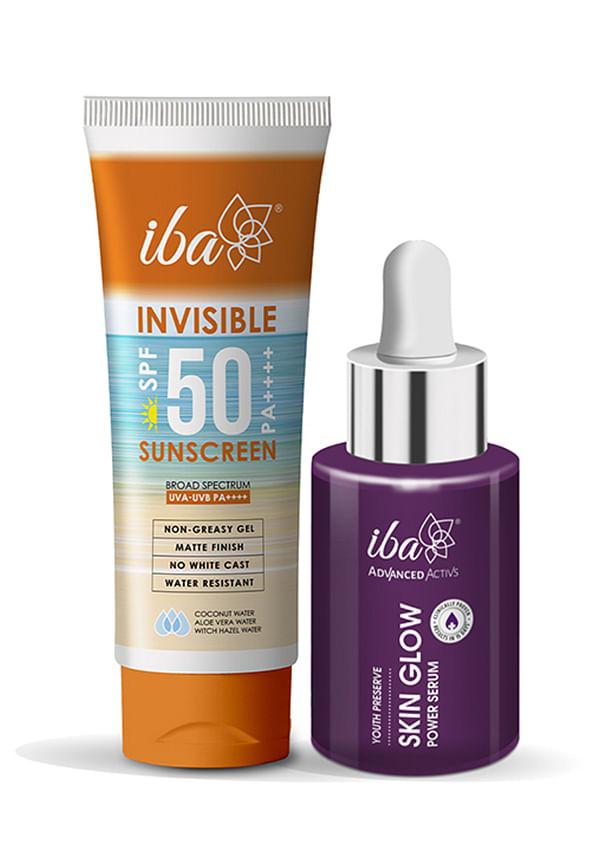
Summer Special Serum + Sunscreen Combo
Skin dehydration summer is real, even when you're sweating constantly. Air conditioning, increased water loss through sweating, and sun exposure all contribute to dehydrated skin. This is different from dry skin—dehydrated skin lacks water, whilst dry skin lacks oil. Signs include tightness, dullness, and fine lines that seem more pronounced. Your skin might even feel oily on the surface but tight underneath.
When summer skin problems strike, you need quick, effective solutions. Whether you're dealing with a nasty sunburn or trying to calm irritated skin after a sweaty workout, knowing what to do can make all the difference. The key is acting fast and using the right ingredients to soothe and repair your skin.
For mild sunburn treatment, cool compresses and aloe vera gel are your best friends. Look for pure aloe vera or products with at least 90% aloe content. Avoid anything with alcohol, which can dry out your already damaged skin. For more severe burns with blistering, you might need over-the-counter pain relief and should definitely avoid picking at peeling skin. Hydrocortisone cream can help with itching, but if you're experiencing fever, chills, or severe pain, it's time to see a doctor.
Post-workout or after spending time in the heat, your skin needs gentle cleansing to remove sweat and bacteria without stripping natural oils. Look for pH-balanced cleansers that won't disrupt your skin's natural barrier. For areas prone to chafing, barrier creams or powders can help prevent irritation. If you're already dealing with chafed skin, keep the area clean and dry, and consider using a healing ointment overnight.
Your summer skincare routine needs to be lighter, more protective, and focused on hydration without heaviness. This doesn't mean completely overhauling everything, but making smart swaps that work with the season. The goal is protection during the day and repair at night, with products that won't feel sticky or heavy in the heat.
Start with a gentle, foaming cleanser that removes overnight buildup without over-drying. Follow with a lightweight serum containing antioxidants like vitamin C, which helps protect against environmental damage. Your moisturiser should be lighter than your winter formula—think gel or lotion rather than cream. And obviously, broad-spectrum SPF 30 or higher is non-negotiable. Reapply every two hours, especially if you're outdoors.
Nights are for repair and recovery. If you've been in the sun, start with a gentle cleanser to remove sunscreen and sweat buildup. Follow with hydrating serums containing hyaluronic acid or niacinamide to restore moisture and calm inflammation. This is also when you can use slightly richer moisturisers or face oils if your skin needs extra nourishment. Just make sure they're non-comedogenic so they won't clog pores.
Once or twice a week, use a gentle exfoliant to remove dead skin cells and help your other products absorb better. Chemical exfoliants like AHA or BHA work well, but start slowly if you're new to them. Hydrating masks are perfect for summer—look for ingredients like aloe, cucumber, or hyaluronic acid that provide moisture without heaviness.
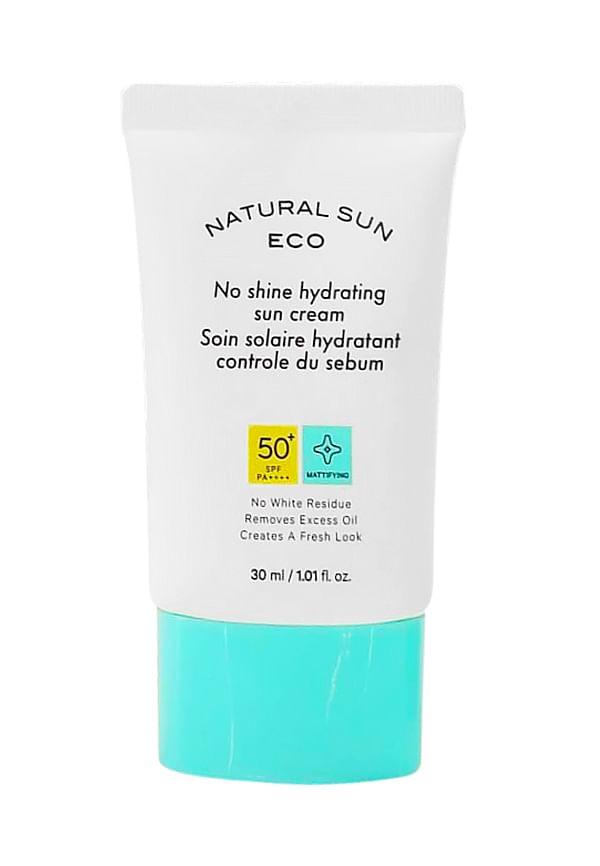
NaturalSun Eco No Shine Hydrating Sun Cream
Skin protection summer goes beyond just slapping on sunscreen. It's about creating multiple layers of defence against all the environmental stressors that come with warmer weather. Think of it as building a fortress around your skin—every element works together to keep damage at bay.
Clothing is your first line of defence. Tightly woven fabrics, dark colours, and UPF-rated clothing offer better protection than regular clothes. Wide-brimmed hats protect your face, neck, and ears—areas that are often forgotten but frequently burned. Seeking shade during peak UV hours (10 AM to 4 PM) significantly reduces your exposure. Even under an umbrella or tree, you're getting much less UV radiation than in direct sunlight.
Air conditioning can be surprisingly drying to your skin. If you're moving between hot outdoor temperatures and cool indoor spaces frequently, your skin might struggle to adapt. Consider using a humidifier in heavily air-conditioned spaces. Pool and ocean water present their own challenges. Chlorine can be drying and irritating, whilst salt water, despite its antibacterial properties, can also be dehydrating. Always rinse off after swimming and apply moisturiser whilst your skin is still damp.
What you eat and drink affects your skin's ability to protect itself. Foods rich in antioxidants—berries, leafy greens, tomatoes—help fight free radical damage from UV exposure. Hydration is crucial, but it's not just about water. Electrolyte balance matters too, especially if you're sweating a lot. Consider coconut water or adding a pinch of sea salt to your water bottle.
Not everyone's skin reacts to summer the same way. Your skin type determines which summer challenges you're most likely to face and which solutions will work best for you. Understanding your skin's specific needs during summer helps you choose the right products and avoid common mistakes.
If you have oily skin, summer can feel like a constant battle against shine and breakouts. The key is finding the right balance—controlling oil without over-drying, which just makes your skin produce more oil. Look for lightweight, oil-free moisturisers and gel-based sunscreens. Salicylic acid can help keep pores clear, but use it carefully to avoid irritation, especially if you're spending time in the sun.
Dry and sensitive skin types might actually find some relief in summer's humidity, but sun exposure and air conditioning can still cause problems. Focus on gentle, fragrance-free products that won't irritate already sensitive skin. Mineral sunscreens with zinc oxide or titanium dioxide are often better tolerated than chemical sunscreens. Look for moisturisers with ceramides or hyaluronic acid to help repair and maintain your skin barrier.
Mature skin is more vulnerable to sun damage because it's already lost some of its natural protective abilities. Prevention becomes even more critical—think of sunscreen as your daily anti-ageing treatment. Retinoids can help with sun damage repair, but they also make your skin more photosensitive, so evening application is essential. Always follow with a good moisturiser and never skip sunscreen the next day.
Whilst most summer skin issues can be managed at home, there are times when professional intervention is necessary. Knowing when to see a dermatologist can prevent minor problems from becoming major ones. Don't wait until things get severe—early intervention often leads to better outcomes.
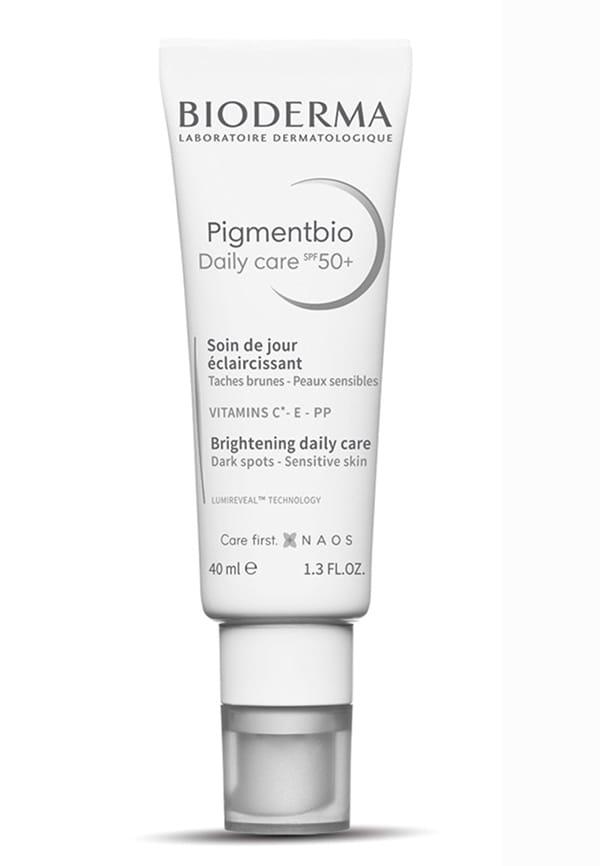
Pigmentbio Daily Care SPF 50+ Brightening Cream for Dark Spots & Senstive Skin
Severe sunburn with blistering, fever, or chills requires medical care. Similarly, any mole that changes size, colour, or shape should be checked immediately—summer sun exposure can accelerate the development of skin cancer. Persistent heat rash that doesn't improve with cooling and keeping the area dry might indicate a secondary bacterial infection that needs treatment.
Many dermatological treatments are best done during cooler months, but some can help repair summer damage. Chemical peels, laser treatments, and certain prescription medications might be recommended based on your specific concerns. Timing is crucial—most professional treatments make your skin more photosensitive, so they're often scheduled for autumn or winter when sun exposure is naturally reduced.
Some damage, like sunburn, appears within hours. However, deeper damage like hyperpigmentation and fine lines can take weeks or even months to become visible. This is why prevention is so much more effective than treatment.
Some sun damage can be improved with proper skincare and professional treatments, but prevention is always better than reversal. Ingredients like retinoids, vitamin C, and chemical exfoliants can help fade dark spots and improve skin texture over time.
Your sebaceous glands are temperature-sensitive. Heat stimulates oil production, whilst cold weather and indoor heating can strip moisture from your skin. Your skincare routine should adapt to these seasonal changes.
Every two hours is the general rule, but you'll need to reapply more frequently if you're swimming, sweating heavily, or towelling off. Water-resistant sunscreens buy you a bit more time but still need regular reapplication.
Heat rash is caused by blocked sweat ducts and appears as small bumps in areas where you sweat. Sun rash (polymorphic light eruption) is an allergic reaction to UV rays and typically appears as itchy red bumps on sun-exposed areas.
Chlorine can strip natural oils from your skin and disrupt its pH balance, leading to dryness and irritation. Always rinse off after swimming and apply moisturiser whilst your skin is still damp to lock in hydration.
Understanding how summer affects skin is the first step towards maintaining healthy, happy skin all season long. The combination of UV exposure, heat, humidity, and increased sweating creates unique challenges that require targeted solutions. The good news? With the right approach, you can totally enjoy summer whilst keeping your skin protected and comfortable. It's all about adapting your routine, choosing appropriate products, and being consistent with protection. This is where platforms like Smytten become incredibly valuable. With access to trial-sized products from trusted brands like Cetaphil, Dot & Key, and Love, Beauty & Planet, you can experiment with different summer skincare formulations without committing to full-size products. Whether you're looking for a lightweight moisturiser, a gentle sunscreen, or a soothing after-sun treatment, being able to try before you buy means you can find your perfect summer skincare routine without the guesswork. After all, why settle for products that might work when you can discover what actually does?
