How Skincare Preservatives Work & Are They Harmful in India?

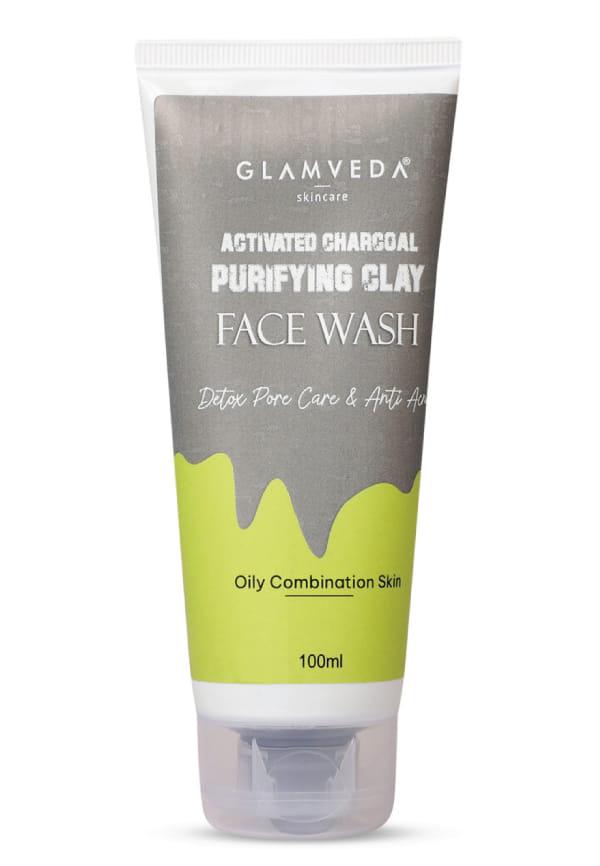
Activated Charcoal Clay Face Wash, Fights Pollution and Acne, Oil Control
Ever picked up a moisturiser in Delhi's sweltering heat, only to find it's gone funky after a week? Or wondered why that gorgeous face cream you bought in Goa turned into a science experiment by the time you got home? Here's the thing: without preservatives, your favourite skincare would become a breeding ground for bacteria faster than you can say "monsoon humidity." Yet scroll through any beauty forum, and you'll find heated debates about whether skincare preservatives are friend or foe. Let's sort through the noise and get to the real science behind what keeps your products safe in India's challenging climate.
Think of preservatives in cosmetics as the unsung heroes of your skincare routine. They're antimicrobial agents that prevent bacteria, fungi, yeast, and mould from turning your expensive serum into a petri dish. Without them, that ₹2,000 vitamin C serum would last about as long as leftover dal in Mumbai's humidity.
The science is straightforward: preservatives work by disrupting the cellular processes of microorganisms. Some attack cell membranes, others interfere with protein synthesis, and some target DNA replication. It's like having a microscopic security team that keeps the bad guys out whilst letting the good ingredients do their job.
India's tropical and subtropical climate creates the perfect storm for microbial growth. With humidity levels often exceeding 70% and temperatures soaring above 40°C, skincare products face challenges that brands in temperate climates never consider. Your bathroom cabinet isn't just storing products—it's creating a mini greenhouse effect.
Without adequate preservation, products can develop contamination within days. We're talking about potentially harmful bacteria like Pseudomonas aeruginosa or Staphylococcus aureus, which can cause serious skin infections. That's why preservatives aren't just about extending shelf life—they're about protecting your skin's health.
The mechanism behind preservative action is fascinating. Most work by targeting the fundamental processes that keep microorganisms alive. Parabens, for instance, disrupt the cell membrane integrity of bacteria and fungi, essentially causing them to leak their contents and die.
Phenoxyethanol, another common preservative, works differently. It interferes with the metabolic processes of microorganisms, preventing them from reproducing. Think of it as putting a lock on their ability to multiply and spread.
Here's something most people don't know: in India, ingredients present at 1% or higher must be listed in descending order of concentration. Below 1%, they can be listed in any order. This matters because effective preservative systems typically work at concentrations between 0.1% to 1%.
When you see phenoxyethanol listed near the end of an ingredient list, it doesn't mean it's ineffective—it's likely present at its optimal working concentration. Understanding this helps you read labels more intelligently and avoid falling for marketing claims about "preservative-free" products that might actually contain preservatives listed under different names.
Not all preservatives are created equal, and understanding the different types helps you make informed choices about what goes on your skin. Let's break down the main categories you'll encounter in Indian skincare products.
Parabens in skincare remain one of the most researched and well-understood preservative families. Methylparaben and ethylparaben are particularly common in Indian formulations because they're effective against a broad spectrum of microorganisms and remain stable in our climate conditions.
Despite the fear-mongering, decades of research support their safety when used within regulated limits. The European Union allows up to 0.4% for single parabens and 0.8% for paraben mixtures—limits that provide a significant safety margin.
Phenoxyethanol in skincare has gained popularity as a "paraben alternative," though it's not necessarily safer—just different. It's particularly effective against gram-negative bacteria and works well in water-based formulations. Many Indian brands favour it because it doesn't have the negative perception that parabens sometimes carry.
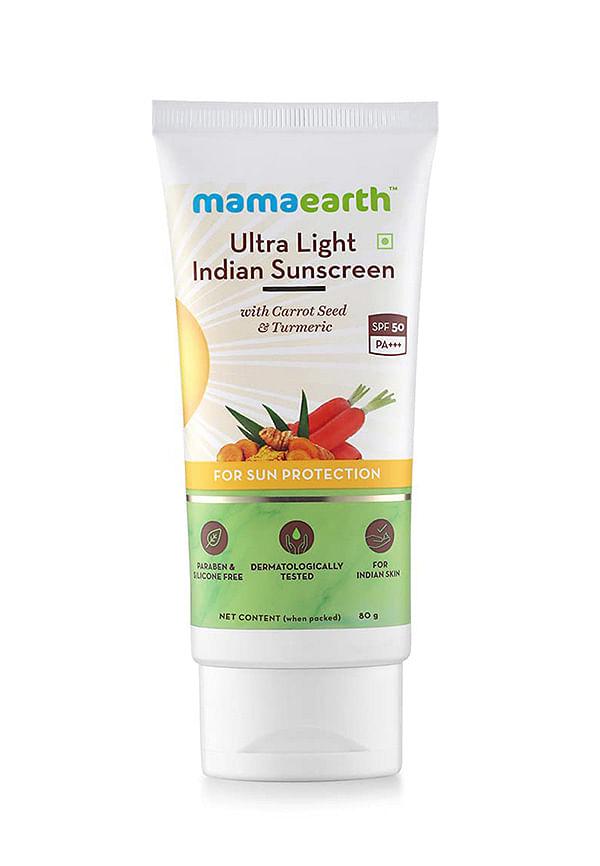
Ultra Light indian Sunscreen
Natural skincare preservatives sound appealing, but they come with limitations. Rosemary extract, grapefruit seed extract, and certain essential oils do have antimicrobial properties, but they're often not sufficient as standalone preservatives, especially in India's challenging climate.
Many products marketed as "naturally preserved" actually combine these natural antimicrobials with synthetic preservatives to achieve adequate protection. There's nothing wrong with this approach—it's actually smart formulating—but the marketing can be misleading.
Modern skincare rarely relies on a single preservative. Instead, formulators create preservative systems that work synergistically. For example, combining phenoxyethanol with ethylhexylglycerin creates a more effective system than either ingredient alone, whilst allowing for lower concentrations of each.
This approach is particularly important in India, where products need robust protection against diverse microorganisms that thrive in humid conditions.
The short answer is no—when used correctly, skincare preservatives are not harmful. The longer answer requires understanding the difference between hazard and risk, something that often gets lost in online discussions.
Every ingredient, including water, can be harmful at certain concentrations. The key is understanding safe usage levels. Regulatory bodies like the Bureau of Indian Standards (BIS) and the Central Drugs Standard Control Organisation (CDSCO) set strict limits based on extensive safety data.
Clinical studies consistently show that properly formulated preservatives pose minimal risk to human health. A 2023 review published in the International Journal of Cosmetic Science analysed over 200 studies on cosmetic preservatives and found no evidence of significant health risks when used within regulatory guidelines.
The confusion often stems from studies using unrealistic concentrations or exposure methods. For instance, some studies inject preservatives directly into laboratory animals—hardly representative of applying a moisturiser to your face.
When discussing harmful skincare ingredients, it's important to distinguish between preservatives and other potentially problematic components. Ingredients like hydroquinone (banned in cosmetics in India), certain essential oils in high concentrations, or improperly formulated acids pose greater risks than well-researched preservatives.
The real skincare ingredients to avoid are those that lack safety data, are used in inappropriate concentrations, or are banned by regulatory authorities. Preservatives that have been safely used for decades don't fall into this category.
India's regulatory framework for cosmetic preservatives is comprehensive, though it continues evolving. The BIS has established clear guidelines for which preservatives can be used and at what concentrations, largely aligned with international standards but adapted for local conditions.
Recent updates in 2024 have strengthened requirements for preservative efficacy testing, particularly for products sold in India's diverse climate zones. Brands must now demonstrate that their preservative systems remain effective throughout the product's shelf life under Indian storage conditions.
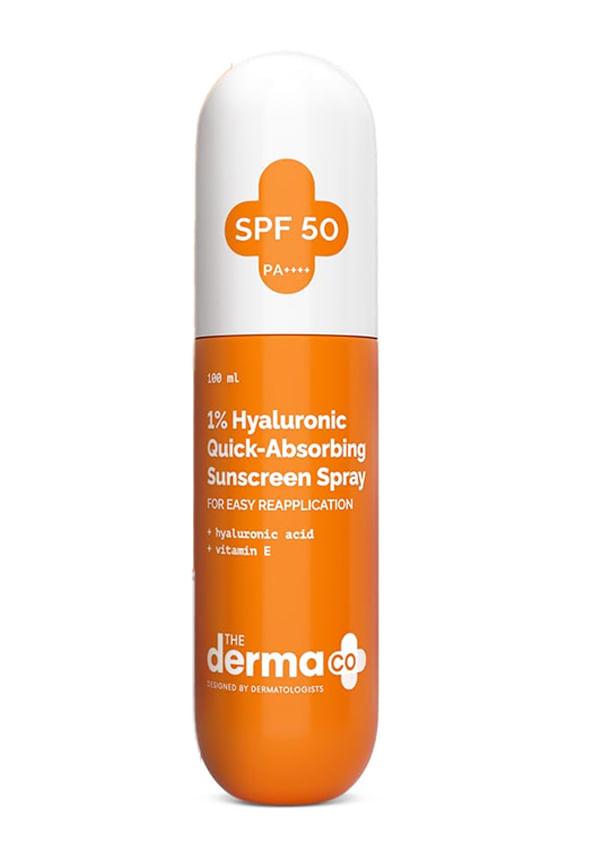
1% Hyaluronic Sunscreen Spray | Hyaluronic Acid & Vitamin E | SPF 50 & PA++++
For sensitive skin, which is common in India due to pollution and climate stress, certain preservatives have better tolerance profiles. Sodium benzoate and potassium sorbate are generally well-tolerated, though they work best in acidic formulations.
Caprylyl glycol combined with other antimicrobials offers effective preservation with lower irritation potential. Many dermatologists recommend looking for products using these gentler preservative systems if you have reactive skin.
Some preservatives require more careful consideration. Formaldehyde-releasing preservatives like DMDM hydantoin or imidazolidinyl urea can cause contact dermatitis in sensitive individuals. Whilst they're effective and legal, they're worth avoiding if you have a history of preservative sensitivity.
Essential oils used as preservatives can also be problematic. Tea tree oil, whilst antimicrobial, can cause allergic reactions in some people, especially when used in leave-on products.
The DIY skincare trend has exploded in India, particularly during the pandemic years. However, creating safe, preserved products at home presents unique challenges that many enthusiasts underestimate.
For preservatives for homemade skincare, you have limited but viable options. Leucidal Liquid (derived from radish root ferment) and Geogard ECT (benzyl alcohol, salicylic acid, glycerin, and sorbic acid) are available to home formulators and work reasonably well in simple formulations.
If you prefer avoiding synthetic preservatives entirely, you'll need to embrace limitations. Make small batches that you'll use within days, store everything in the refrigerator, and stick to anhydrous (water-free) formulations like balms and oil blends.
Adding antioxidants like vitamin E can help prevent rancidity in oil-based products, though they won't prevent microbial contamination. Adjusting pH below 4.5 can inhibit many bacteria, but this approach has limitations and can be irritating to skin.
Some products simply shouldn't be made at home without proper preservatives. Water-based serums, creams, and lotions are particularly risky. The combination of water, nutrients from botanical extracts, and India's climate creates perfect conditions for dangerous bacterial growth.
Signs of contamination include changes in colour, texture, or smell, but remember that harmful bacteria can be present without obvious signs. When in doubt, throw it out.
Armed with knowledge about preservatives, you can make smarter choices about the products you buy. Look for brands that are transparent about their preservative systems and provide clear information about product storage and shelf life.
Reputable brands will have conducted preservative efficacy testing to ensure their products remain safe throughout their intended shelf life. This testing is particularly important for products sold in India's diverse climate conditions.
When examining ingredient lists, look for preservative systems rather than single preservatives. A well-formulated product might combine phenoxyethanol with ethylhexylglycerin and caprylyl glycol for comprehensive protection.
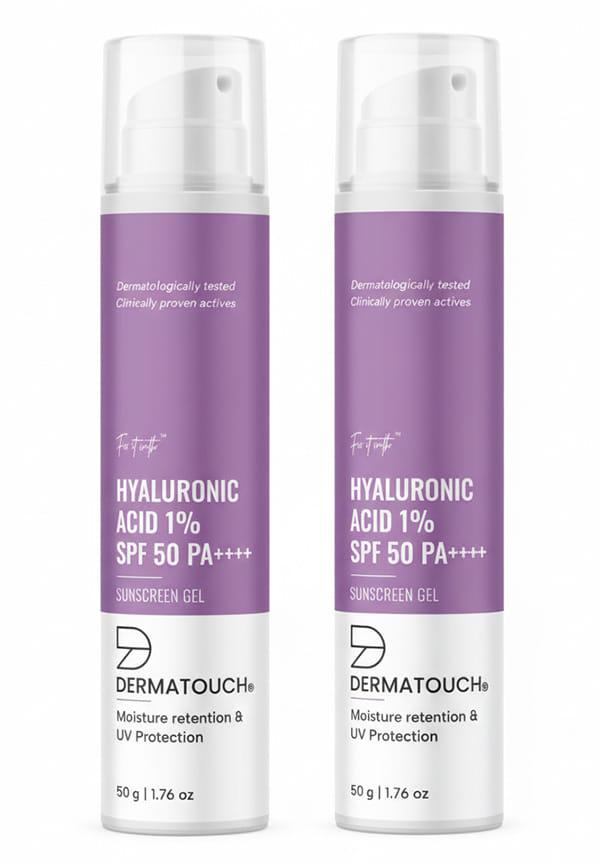
HYALURONIC ACID 1% SUNSCREEN, SPF 50 PA++++
Be wary of products claiming to be "preservative-free" whilst containing ingredients like benzyl alcohol or dehydroacetic acid—these are preservatives, just marketed under different names.
Even the best preservative system has limits. Store products in cool, dry places away from direct sunlight. In India's climate, this might mean keeping certain products in the refrigerator, especially during summer months.
Pay attention to Period After Opening (PAO) symbols—that little jar icon with a number. In India's conditions, products might deteriorate faster than indicated, so use your senses and replace products that seem off.
No, preservatives are essential for product safety and preventing harmful microbial contamination. The key is choosing products with well-researched, properly concentrated preservatives that have been proven safe through decades of use and regulatory oversight.
The 1% rule refers to ingredient listing regulations where ingredients present at 1% or higher must be listed in descending order of concentration. Below 1%, they can be listed in any order. This helps identify if active ingredients are present in effective concentrations.
India has banned several preservatives including certain formaldehyde donors in specific concentrations, some mercury compounds, and various substances deemed unsafe by BIS and CDSCO. The list is regularly updated based on new safety data and international regulatory changes.
Parabens remain among the most researched and safest preservatives when used within regulatory limits. Phenoxyethanol, sodium benzoate, and potassium sorbate also have excellent safety profiles. The "safest" preservative depends on the specific formulation and individual skin sensitivities.
Properly preserved products typically remain safe for 12-36 months unopened, and 6-12 months after opening, depending on the preservative system and storage conditions. In India's climate, products may deteriorate faster, so always check for changes in appearance, texture, or smell.
The preservative debate in skincare often generates more heat than light, but the science is clear: properly formulated preservatives are essential for product safety, especially in India's challenging climate. Rather than fearing preservatives, focus on understanding them and choosing products from brands that prioritise both efficacy and safety.
Your skin deserves products that won't harm it, and that includes protection from dangerous microbial contamination. Whether you're dealing with Delhi's pollution, Mumbai's humidity, or Bangalore's unpredictable weather, preserved skincare products offer the safety and stability your routine needs.
When exploring new products, platforms like Smytten make it easier to test formulations before committing to full sizes. With access to minis from trusted brands that follow proper preservation practices, you can discover what works for your skin without the worry of investing in products that might not suit you. After all, finding the right preserved skincare is about making informed choices, not settling for fear-based marketing.
