How Skincare for Dark Indian Skin Differs from Fair Skin


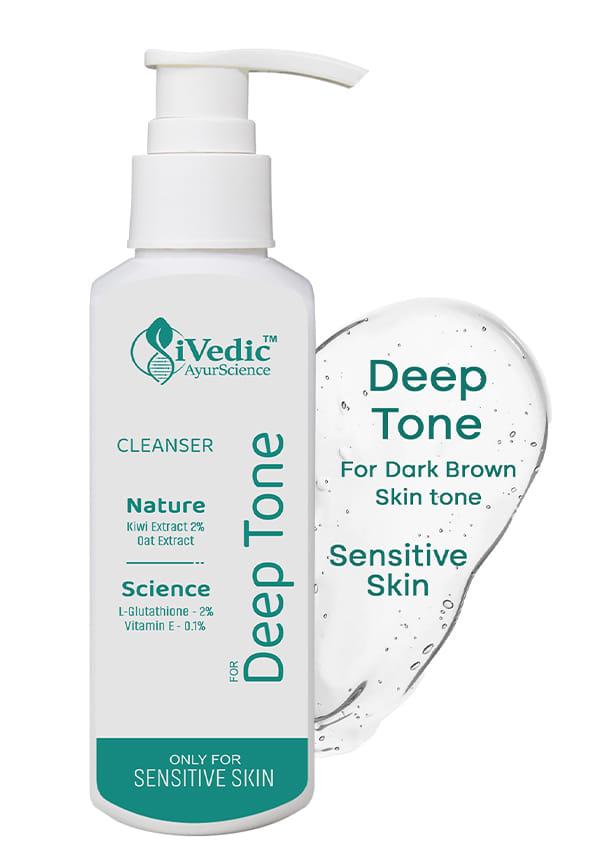
Illuminance Skin Brigthening Face Wash | Only For Sensitive Skin with Dark Skin Tone
Ever wondered why that brightening serum your friend swears by doesn't quite work the same magic on your skin? Or why certain skincare advice feels like it's written for someone else entirely? The truth is, melanin-rich Indian skin behaves differently from fair skin in ways that go far beyond just colour. From how we develop hyperpigmentation to which ingredients work best for us, understanding these differences is the first step toward building a routine that actually works for your unique skin tone.
Indian skin exists on a beautiful spectrum that ranges from fair to deep, with most of us falling somewhere in the wheatish to dusky range. This diversity isn't just aesthetic—it reflects fundamental differences in how our skin functions and responds to environmental factors.
Indian skin tones are incredibly diverse, influenced by geography, genetics, and ancestral heritage. You might have fair skin with cool undertones, warm wheatish skin that tans beautifully, or deep, rich skin that glows with golden undertones. Each variation comes with its own set of characteristics and needs.
What's fascinating is how climate and lifestyle have shaped our skin over generations. Those from coastal regions often have different skin behaviours compared to those from mountainous areas, and these regional differences matter when choosing skincare products.
Melanin is your skin's natural superhero, and the more you have, the better protected you are from UV damage. This is why darker skin tones naturally have some built-in sun protection—think of it as having SPF 4-13 built right in. However, this same melanin that protects you also makes your skin more reactive to inflammation and trauma.
When your skin gets irritated—whether from a breakout, a scratch, or even aggressive scrubbing—those melanin-producing cells go into overdrive. This is why dark Indian skin is more prone to developing dark spots and uneven patches after any kind of skin trauma. It's not a flaw; it's just how melanin-rich skin naturally responds.
The concerns that keep you up at night scrolling through skincare forums are likely quite different from what your fair-skinned friends worry about. Let's break down why certain issues are more common in melanin-rich skin.
Post-inflammatory hyperpigmentation is probably the most common concern for Indian skin. That innocent pimple you picked last month? It's left behind a dark mark that seems determined to overstay its welcome. This happens because melanin production doesn't just switch off once the inflammation heals—it can continue for weeks or even months.
Fair skin, on the other hand, might deal with redness or pink marks after breakouts, but these typically fade much faster. The melanin response in lighter skin tones is less intense, which means post-acne marks are generally lighter and resolve more quickly.
Uneven skin tone in darker skin often manifests as patches of different shades rather than the ruddy or blotchy appearance common in fair skin. You might notice areas around your mouth, underarms, or knees that appear darker, or find that your face has varying tones that make foundation matching a nightmare.
This unevenness can also create an ashy appearance, especially in dry weather or when your skin barrier is compromised. It's why that glow everyone talks about can feel elusive—uneven melanin distribution can mask your skin's natural radiance.
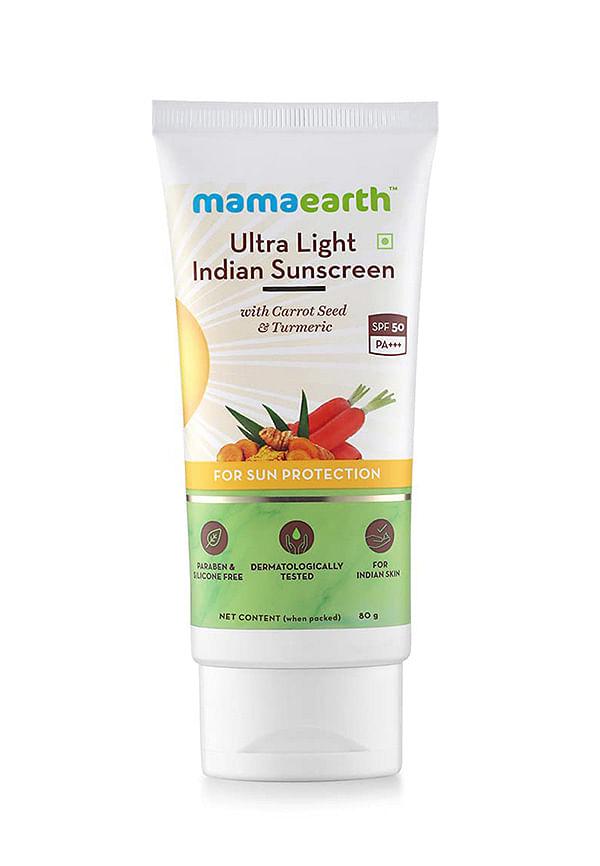
Ultra Light indian Sunscreen
Indian skin tends to be more reactive to certain ingredients and treatments. What works as a gentle exfoliant for fair skin might cause irritation and subsequent darkening in melanin-rich skin. This heightened sensitivity means you need to be more cautious with active ingredients and always patch test new products.
Not all skincare ingredients are created equal when it comes to different skin tones. Some work brilliantly for dark skin, while others require a more careful approach.
Niacinamide is genuinely a game-changer for Indian skin. It helps regulate melanin production without being harsh, making it perfect for addressing uneven tone and preventing future dark spots. Unlike some other actives, niacinamide is generally well-tolerated across all skin tones and actually works better on melanin-rich skin.
Vitamin C is another powerhouse, but the key is finding the right formulation. Magnesium ascorbyl phosphate and sodium ascorbyl phosphate tend to be gentler and more stable than L-ascorbic acid, making them better choices for sensitive, pigmentation-prone skin.
Retinoids can be incredibly effective for dark skin, but they require a gentler approach. Starting with lower concentrations and building up slowly helps prevent the irritation that can lead to more pigmentation. Many dermatologists recommend beginning with retinyl palmitate or granactive retinoid before moving to stronger formulations.
Chemical exfoliants like AHAs need careful consideration too. While glycolic acid is popular, mandelic acid and lactic acid are often better choices for darker skin tones because they're larger molecules that penetrate more slowly, reducing the risk of irritation.
Here's where things get interesting. Yes, dark skin has natural sun protection, but you absolutely still need SPF. The difference is in how you might experience sun damage. While you're less likely to burn, UV exposure can worsen existing pigmentation and create new dark spots.
Zinc oxide and titanium dioxide sunscreens can sometimes leave a white cast on darker skin, so look for tinted formulations or chemical sunscreens that blend seamlessly. The goal is finding an SPF you'll actually want to wear every day.
Your skincare routine for Indian skin should work with your skin's natural tendencies, not against them. This means gentle but effective approaches that address your specific concerns without causing irritation.
The best face wash for dark skin is one that cleanses thoroughly without stripping your skin's natural oils. Look for gentle, pH-balanced cleansers that won't disrupt your skin barrier. Cream or lotion cleansers often work better than foaming ones, especially if you live in a dry climate or use air conditioning frequently.
Avoid cleansers with harsh sulfates or high concentrations of salicylic acid, as these can cause irritation that leads to more pigmentation. Instead, opt for ingredients like ceramides, hyaluronic acid, or gentle plant-based cleansers.
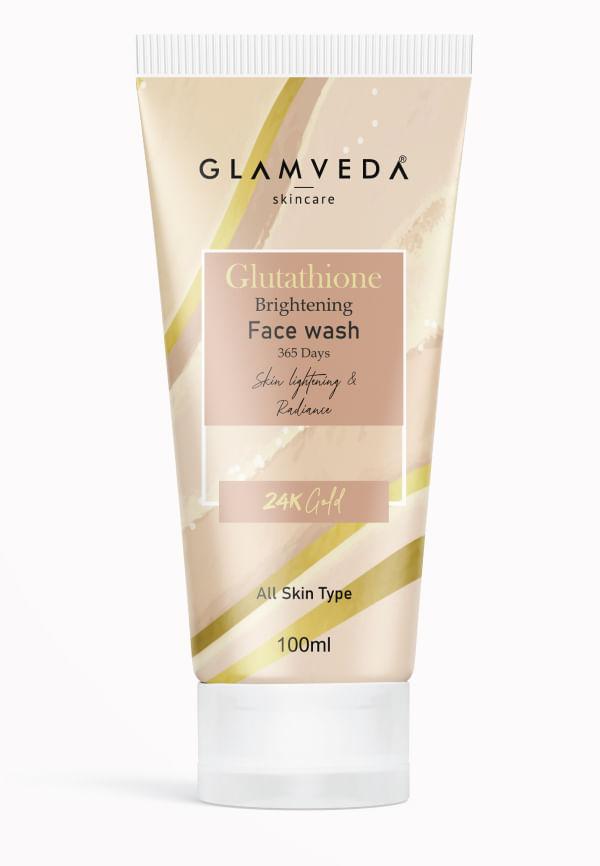
Glutathione 24 k Gold Face Wash Reduce Dark spots & Pigmentation, Lightens skin Complexion
Your morning routine should focus on protection and prevention. Start with a gentle cleanser, follow with a vitamin C serum or niacinamide, then moisturise and apply SPF. The key is keeping things simple and consistent—your skin responds better to regular use of gentle products than sporadic use of harsh ones.
In humid Indian weather, lightweight, gel-based moisturisers often work better than heavy creams. Look for ingredients like hyaluronic acid and glycerin that provide hydration without feeling heavy or greasy.
Evening is when you can focus on treating dark spots and working on skin repair. This might include gentle retinoids, AHAs, or targeted treatments for pigmentation. The key is introducing one active ingredient at a time and giving your skin time to adjust.
Always follow actives with a good moisturiser to support your skin barrier. Ingredients like ceramides, peptides, and squalane help repair and strengthen your skin overnight.
Let's talk about the mistakes that can actually make your skin concerns worse. These are the pitfalls that many people with melanin-rich skin fall into, often because they're following advice meant for different skin types.
The biggest mistake? Thinking that aggressive treatments will give you faster results. Over-exfoliating or using harsh scrubs can actually trigger more pigmentation and leave your skin looking dull and irritated. Your skin needs gentle, consistent care rather than shock treatments.
Signs that you're overdoing it include increased sensitivity, new dark spots appearing, or your skin feeling tight and uncomfortable. If this sounds familiar, scale back to basics and let your skin recover.
There's a persistent myth that oily or combination skin doesn't need much moisture, but this couldn't be further from the truth. Dark skin can appear ashy or dull when it's dehydrated, and a compromised skin barrier makes pigmentation issues worse.
Even if your skin feels oily, it might actually be dehydrated. Look for lightweight, hydrating products that won't clog your pores but will keep your skin barrier healthy and functioning properly.
Many mainstream skincare products are formulated with fair skin in mind, which means they might not address the specific concerns of Indian skin tones. This doesn't mean they won't work, but it does mean you might need to adjust concentrations or look for different formulations.
For example, a brightening product designed for fair skin might focus on reducing redness, while what you need is something that addresses uneven melanin distribution. Understanding these differences helps you make better product choices.
Sometimes, home skincare isn't enough, and that's perfectly okay. Knowing when to seek professional help can save you time, money, and frustration in your skincare journey.
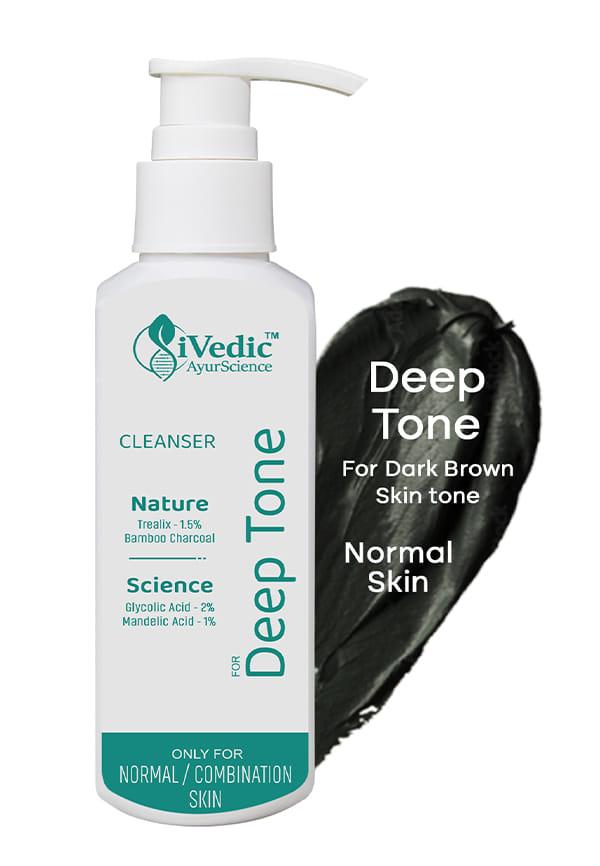
Illuminance Skin Brigthening Face Wash | Only For Normal Skin with Dark Skin Tone
Professional treatments for dark Indian skin require expertise and experience with melanin-rich skin. Chemical peels, for instance, need to be much gentler and use different acids than those typically used on fair skin. Laser treatments also require careful consideration, as some lasers can actually worsen pigmentation in darker skin tones.
Always choose a dermatologist who has experience working with Indian skin and understands the unique challenges of treating pigmentation in darker skin tones.
If you've been consistent with a good routine for several months and aren't seeing improvement in your hyperpigmentation or uneven skin tone, it might be time to seek professional help. Similarly, if you're dealing with severe acne scarring or persistent dark spots that seem to be getting worse rather than better, a dermatologist can offer targeted treatments.
Don't wait until your skin concerns become overwhelming. Early intervention often leads to better results and prevents issues from becoming more entrenched.
Melanin-rich skin does have some advantages when it comes to ageing. The natural sun protection means less UV damage over time, which can result in fewer fine lines and wrinkles. However, Indian skin might show ageing through changes in pigmentation and texture rather than the typical signs seen in fair skin.
Patience is key when treating dark spots in Indian skin. Most people start seeing improvements after 6-8 weeks of consistent use, but significant changes can take 3-6 months. The deeper the pigmentation, the longer it typically takes to fade.
While many products work across different skin tones, you might need different concentrations or formulations. What's gentle for fair skin might be too mild for your concerns, or conversely, what works for fair skin might be too harsh and cause irritation in dark skin.
Ashiness in dark skin often indicates dehydration or a disrupted skin barrier. Some ingredients, particularly drying alcohols or over-exfoliation, can cause this effect. Focus on hydrating, barrier-supporting ingredients to restore your skin's natural glow.
Understanding how skincare for darker Indian skin tones differs from fair skin isn't about limitation—it's about optimisation. Your melanin-rich skin has its own unique strengths and needs, and when you work with these rather than against them, you'll see much better results.
The key is patience, consistency, and choosing products that are formulated with your skin type in mind. Whether you're dealing with stubborn hyperpigmentation, working on uneven skin tone, or simply want to maintain healthy, glowing skin, the right approach makes all the difference.
Remember, skincare is deeply personal, and what works for someone else might not work for you—regardless of whether you share the same skin tone. If you're curious about trying new products but hesitant to commit to full sizes, platforms like Smytten let you explore minis from trusted brands before making larger investments. It's a smart way to discover what truly works for your unique skin without the guesswork.
