How Serums Support Even Skin Tone: A Guide to Brighter Complexions


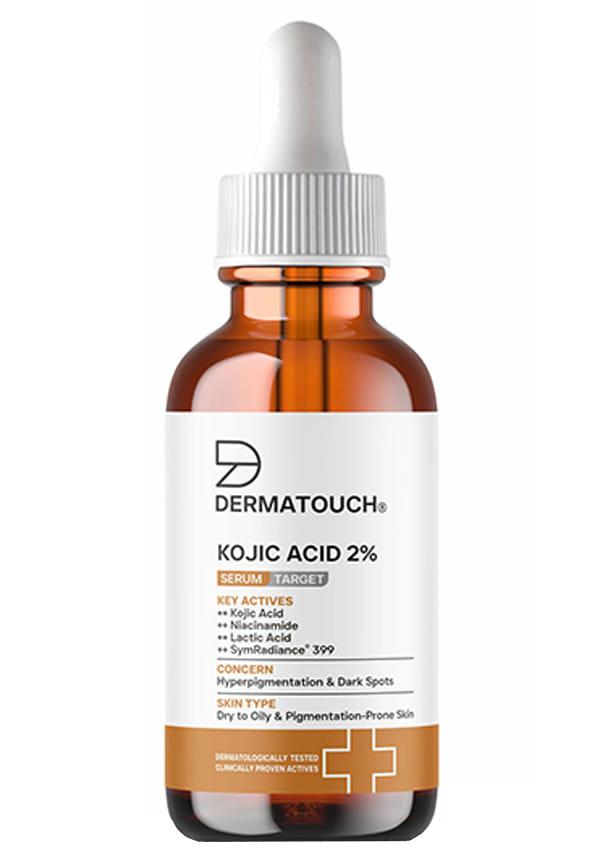
Kojic Acid 2% Serum,For Hyperpigmentation & Uneven Skin Tone
You know that moment when you catch your reflection in harsh office lighting and notice your skin looks patchy and uneven? Or when you're scrolling through photos from last weekend and wonder why your complexion seems so dull compared to your friend's glowing skin? Uneven skin tone is one of those concerns that creeps up on you—whether it's from those stubborn acne marks that refuse to fade, sun damage from last summer's holiday, or just the natural way your skin has decided to behave. The good news? Serums are genuinely brilliant at tackling these concerns, and understanding how they work can completely change your skincare game.
Before diving into solutions, let's talk about what causes uneven skin tone in the first place. Your skin produces melanin—the pigment that gives your skin its colour—and sometimes this process goes a bit haywire. Sun exposure triggers excess melanin production as your skin tries to protect itself, leading to those darker patches we call hyperpigmentation. Then there's post-inflammatory hyperpigmentation (PIH), which happens after your skin heals from acne, cuts, or any inflammation—basically, your skin's way of saying "I remember that trauma." Melasma is another culprit, often triggered by hormonal changes during pregnancy or from certain medications. Even natural ageing plays a role, as your skin's cell turnover slows down and old, pigmented cells hang around longer than they should.
Here's where serums for even skin tone really shine. Unlike moisturisers or cleansers, serums are formulated with smaller molecules that can penetrate deeper into your skin. They're essentially concentrated treatments—think of them as the espresso shot of skincare. A good serum for uneven complexion delivers active ingredients directly where they're needed most, without the fillers that might dilute their effectiveness. Serums also play well with others. You can layer them under your moisturiser and sunscreen, or even combine different serums to target multiple concerns. This flexibility makes them perfect for creating a personalised routine that actually addresses your specific skin tone issues.
Not all serums are created equal, and understanding which ingredients actually work can save you from wasting money on products that promise the world but deliver very little. Let's break down the real heroes in the brightening serum for face category.
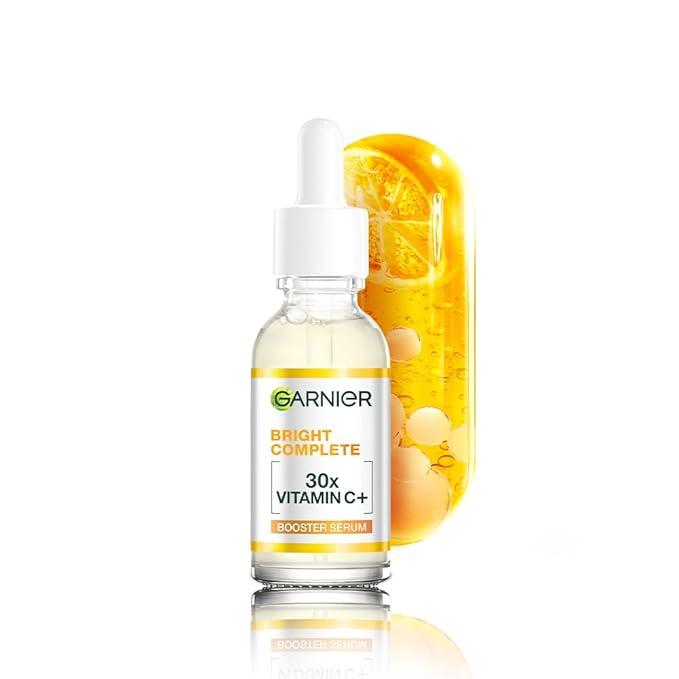
Vitamin C serum for skin tone correction is probably the most researched and proven ingredient for evening out complexion. It works by inhibiting an enzyme called tyrosinase, which is responsible for melanin production. Think of it as putting the brakes on your skin's pigment factory. But vitamin C doesn't just prevent new dark spots—it also acts as a powerful antioxidant, protecting your skin from environmental damage that could cause future discolouration. The Garnier Vitamin C Face Serum for Skin Brightening & Anti-Dark Spots is a brilliant example of how vitamin C can be formulated for daily use. This serum combines the brightening power of vitamin C with gentle yet effective delivery, making it suitable for those who want to tackle dark spots without irritation. The lightweight formula absorbs quickly, making it perfect for layering under your morning routine, and the concentrated vitamin C helps visibly reduce the appearance of dark spots over time. When shopping for a vitamin C serum, look for concentrations between 10-20%. L-ascorbic acid is the most potent form, but it can be irritating for sensitive skin. Magnesium ascorbyl phosphate is a gentler alternative that's more stable and less likely to cause redness.
Niacinamide serum for even tone is like the diplomatic friend who gets along with everyone. This form of vitamin B3 works by reducing the transfer of melanin from pigment-producing cells to the surface of your skin. It's also anti-inflammatory, which means it can help prevent the formation of new dark spots while working on existing ones. What makes niacinamide special is its gentleness. Unlike some other brightening ingredients, it rarely causes irritation, making it perfect for sensitive skin or those just starting their journey with active ingredients. A 5-10% concentration is typically effective, and you can use it both morning and evening.
Kojic acid is derived from fungi and works similarly to vitamin C by inhibiting tyrosinase. It's particularly effective for stubborn dark spots but can be photosensitising, so evening use is best. Arbutin, especially alpha arbutin, is like a gentler cousin of hydroquinone. It slowly releases hydroquinone into the skin, providing brightening benefits without the harsh side effects. Azelaic acid is another multitasker—it helps with both acne and pigmentation, making it perfect for those dealing with post-acne marks.
Not every serum for dark spots will work for every type of uneven skin tone. Understanding your specific concerns helps you choose more effectively and see better results.
Are you dealing with a few concentrated dark spots from old acne, or is your overall complexion looking dull and patchy? Hyperpigmentation serums with targeted ingredients like kojic acid or high-concentration vitamin C work well for specific spots. For overall dullness, a gentler approach with niacinamide or lower-concentration vitamin C might be more appropriate. Consider when your discolouration appeared too. Recent acne marks often respond well to niacinamide and azelaic acid, while sun damage might need the heavy-hitting power of vitamin C or kojic acid.
Your skin type influences how well different serums will work for you. Oily skin typically handles stronger concentrations well and benefits from lightweight, fast-absorbing formulas. If you have dry skin, look for skin tone correcting serums that include hydrating ingredients like hyaluronic acid alongside the brightening actives. Sensitive skin needs a more cautious approach. Start with lower concentrations and gentler ingredients like niacinamide or magnesium ascorbyl phosphate. Combination skin can be tricky—you might need to apply different serums to different areas of your face.
Having the right serum is only half the battle—using it correctly makes all the difference in seeing actual results.
The golden rule of serum application is to go from thinnest to thickest consistency. After cleansing, apply your serum for skin discoloration to slightly damp skin—this helps with absorption. Use gentle patting motions rather than rubbing, and don't forget your neck and chest if you're treating sun damage. Timing matters too. Vitamin C serums work brilliantly in the morning because of their antioxidant protection, while ingredients like kojic acid are better used in the evening due to photosensitivity. Always patch test new serums on your inner arm before applying to your face.
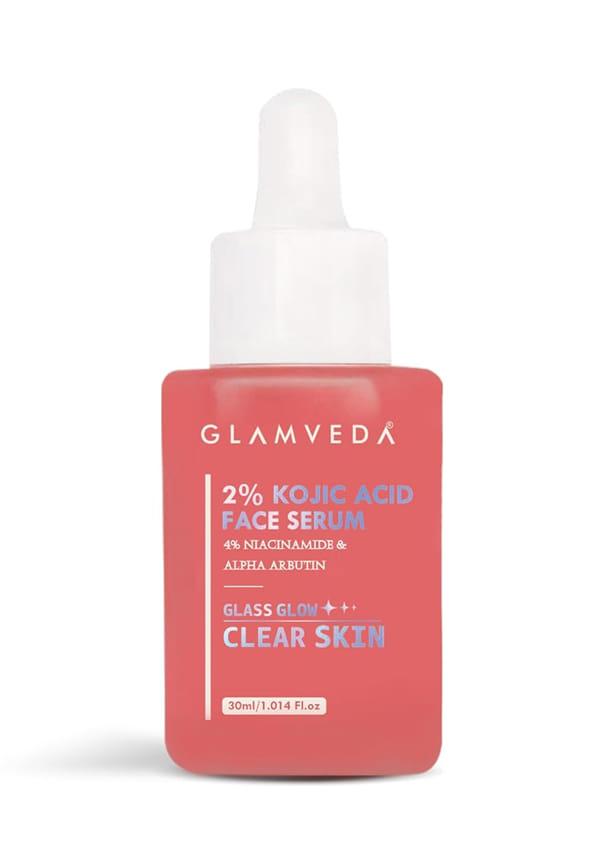
2% Kojic Acid Face Serum with Niacinamide & Alpha Arbutin
Your fade dark marks serum works best as part of a complete routine. Start with a gentle cleanser that won't strip your skin, apply your serum to clean skin, follow with a moisturiser to lock in the benefits, and never skip sunscreen during the day. Sun protection is crucial—without it, you're essentially working against yourself. If you're using multiple serums, introduce them gradually. Start with one for 2-3 weeks, then slowly add others. Some combinations work beautifully together (like vitamin C and niacinamide), while others should be separated (vitamin C and retinol).
One of the biggest mistakes people make with brightening serums is expecting overnight miracles. Real skin change takes time, and understanding realistic timelines helps you stick with products long enough to see results.
Most people start noticing subtle changes around the 4-6 week mark—your skin might look brighter overall, and new spots may appear lighter. Significant improvement in existing dark spots typically takes 8-12 weeks of consistent use. This isn't because the products aren't working; it's because your skin needs time to turn over and reveal the new, more evenly toned cells underneath. Keep progress photos in the same lighting to track your improvement. Sometimes changes are so gradual that you don't notice them day-to-day, but comparing photos from month to month can be quite revealing.
Consistency is everything with serums. Using your serum for uneven complexion sporadically won't give you the results you want. Set up a routine you can actually stick to—it's better to use a serum consistently at a lower concentration than to use a stronger one occasionally. Proper storage matters too. Keep vitamin C serums in a cool, dark place to prevent oxidation. If your serum changes colour dramatically or develops a strange smell, it's time to replace it.
Even with the best intentions, it's easy to sabotage your progress with common serum mistakes.
More isn't always better with active ingredients. Using too much serum or applying it too frequently can lead to irritation, which actually creates more pigmentation. Start with a few drops and gradually increase if needed. If your skin becomes red, flaky, or more sensitive, scale back. Some people experience a "purging" phase when starting new serums, especially those with exfoliating properties. This is normal and usually resolves within 4-6 weeks, but if irritation persists, the product might not be right for your skin.
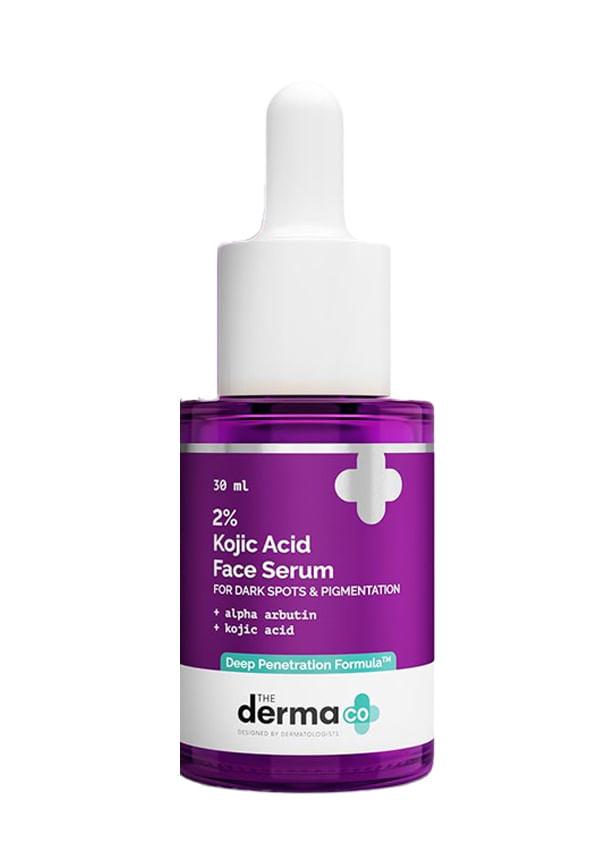
2% Kojic Acid Face Serum with 1% Alpha Arbutin & Niacinamide
Not all skincare ingredients play nicely together. Vitamin C and retinol can be irritating when used simultaneously, and certain combinations can neutralise each other's effectiveness. When in doubt, use different actives at different times of day or on alternating days.
Most people see initial improvements in 4-6 weeks with consistent daily use. Significant changes in dark spots and overall skin tone typically occur after 8-12 weeks. Remember, your skin's natural renewal cycle is about 28 days, so patience is key.
Yes, but introduce them gradually. Start with one serum for 2-3 weeks, then slowly add others. Avoid mixing vitamin C with retinol or benzoyl peroxide in the same routine, and always patch test new combinations.
Vitamin C serums typically show the quickest results for evening skin tone, with noticeable improvements in 4-6 weeks. However, niacinamide works more gradually but is gentler for sensitive skin types.
Vitamin C serums work brilliantly in the morning due to their antioxidant protection. Niacinamide can be used twice daily. Ingredients like kojic acid and retinol are better for evening use due to potential photosensitivity.
Serums can significantly fade dark spots and improve overall skin tone, but complete removal depends on factors like the depth of pigmentation, your skin type, and consistency of use. Some stubborn spots may require professional treatments alongside your serum routine.
Achieving even skin tone isn't about finding one magical product—it's about understanding your skin, choosing the right ingredients, and being consistent with your routine. Serums are genuinely effective tools for addressing uneven complexion, but they work best when you match them to your specific concerns and use them as part of a complete skincare strategy. Remember, your skin is unique, and what works brilliantly for your friend might not be perfect for you. Don't be afraid to experiment (safely) and adjust your routine as your skin changes. The journey to more even skin tone takes time, but with the right approach, you'll start seeing the brighter, more uniform complexion you're working towards. If you're curious about trying different serums but hesitant to commit to full sizes, Smytten offers a smart way to explore various brands and formulations through their curated trial options. With access to over 2,400 trusted brands and the ability to test products before investing in full sizes, you can discover what works for your skin without the guesswork. It's particularly helpful when you're building a routine with multiple serums—you can try different combinations and concentrations to find your perfect match.
