Skincare
•05 min read

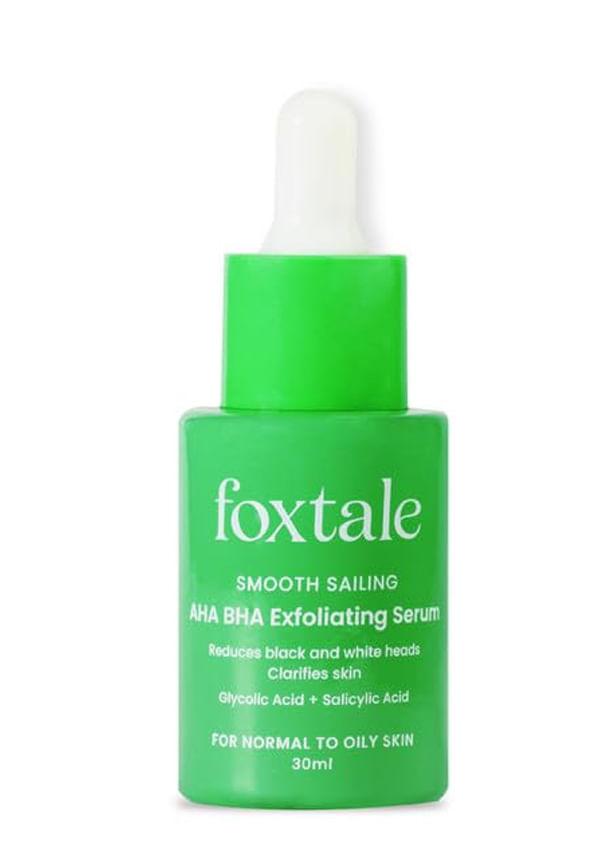
AHA BHA Exfoliating Serum||Salicylic Acid & Glycolic Acid
Let's be real—fungal acne is confusing enough without the internet telling you that salicylic acid is the magic cure. You've probably seen countless posts claiming this popular BHA can tackle those stubborn bumps on your forehead or chest. But here's the thing: the science tells a different story. Whilst salicylic acid is brilliant for traditional acne, using it for fungal acne might actually make things worse. Time to separate the myths from the facts and discover what actually works for pityrosporum folliculitis.
Before we dive into why salicylic acid isn't your fungal acne hero, let's get clear on what we're actually dealing with. Fungal acne, officially called pityrosporum folliculitis, isn't acne at all—it's a yeast infection masquerading as breakouts.
Traditional acne happens when bacteria (mainly Propionibacterium acnes) party in your clogged pores. Fungal acne, on the other hand, is caused by an overgrowth of Malassezia yeast that naturally lives on your skin. This yeast feeds on oils and creates those frustrating clusters of small, uniform bumps that never seem to come to a head.
Fungal acne typically appears as tiny, itchy bumps that look almost identical to each other. They love warm, humid areas like your chest, back, and hairline. Unlike bacterial acne, these bumps don't respond to traditional acne treatments—which explains why your usual skincare routine might be failing you.
Your skin microbiome is a delicate ecosystem. When conditions favour yeast overgrowth—think sweaty workouts, humid weather, or certain skincare ingredients—Malassezia can multiply rapidly, disrupting this balance and triggering those persistent bumps.
Salicylic acid is genuinely brilliant at what it does—just not for fungal issues. This beta-hydroxy acid works by dissolving the bonds between dead skin cells, making it an excellent exfoliating acne treatment. It penetrates oil-filled pores better than most acids, which is why it's so effective for blackheads and traditional breakouts.
The magic happens through sebum control and pore-clearing action. Salicylic acid reduces oil production and helps prevent the clogged pores that bacteria love. It also has mild anti-inflammatory properties, which calm redness and irritation associated with bacterial acne.
Research consistently shows salicylic acid's effectiveness against Propionibacterium acnes. It creates an environment where these bacteria struggle to thrive, whilst simultaneously clearing the debris they feed on.
Here's where things get tricky: Malassezia yeast isn't bothered by salicylic acid's antibacterial properties. In fact, some studies suggest that certain skincare ingredients might actually feed this yeast, potentially making fungal acne worse.
The biggest misconception about salicylic acid for fungal acne stems from the assumption that all acne-like bumps need the same treatment. This myth has persisted because some people see temporary improvement when they start using salicylic acid—but this isn't because it's treating the fungal infection.
What's actually happening is that the exfoliation might temporarily reduce the appearance of bumps by removing surface buildup. However, since the underlying yeast overgrowth remains untreated, the bumps typically return—often worse than before.
Using the wrong acne treatment on fungal acne can backfire spectacularly. Salicylic acid can irritate already inflamed skin, and some formulations contain ingredients that actually feed Malassezia yeast. This creates a frustrating cycle where you're unknowingly making the problem worse whilst thinking you're treating it.
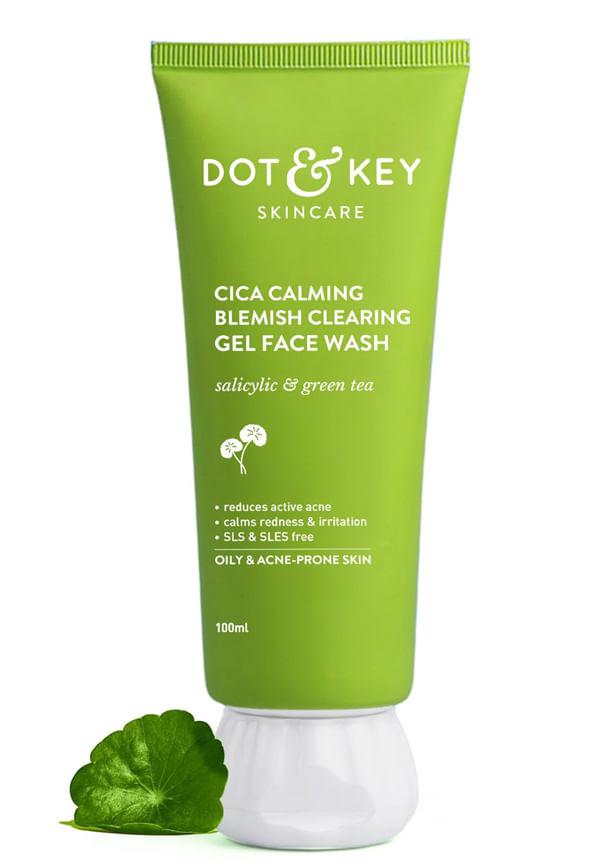
Cica 2% Salicylic Acid Face Wash For Oily, Acne Prone Skin, With Green Tea
Many salicylic acid products contain oils, esters, or fatty acids that Malassezia loves. So whilst you're trying to clear your skin, you might be serving up a feast for the very yeast causing your problems.
Real talk: if you want to tackle fungal acne, you need antifungal skincare ingredients. These are the science-backed options that actually target Malassezia yeast instead of just masking symptoms.
Ingredients for fungal acne that actually work include zinc pyrithione, ketoconazole, and selenium sulfide. These antifungal powerhouses directly target the yeast overgrowth causing your bumps.
Found in many dandruff shampoos, zinc pyrithione is gentle yet effective against Malassezia. It's particularly brilliant for body fungal acne and can be used regularly without major irritation.
This prescription-strength antifungal is the gold standard for stubborn cases. Available in creams and shampoos, it's highly effective but should be used under dermatological guidance.
Another shampoo ingredient that doubles as fungal acne treatment. It's particularly effective for scalp and chest areas where fungal acne commonly appears.
Effective skincare for fungal acne means choosing products that won't feed the yeast. Look for fungal acne-safe moisturisers and cleansers that avoid problematic ingredients like certain oils and fatty acids.
Whilst salicylic acid won't cure fungal acne, it might play a supporting role in some cases. Its sebum control properties can help create a less favourable environment for yeast overgrowth, particularly if you're dealing with both fungal and bacterial acne simultaneously.
Some people find that using salicylic acid alongside proper antifungal treatments helps maintain clearer skin. The key is understanding that it's not treating the fungal infection—it's just supporting overall skin health.
If you're going to use salicylic acid with fungal acne, timing matters. Use antifungal treatments first to address the root cause, then consider adding salicylic acid later if you're also dealing with traditional acne or want extra oil control.
A healthy skin barrier is crucial for maintaining balanced skin microbiome. When used carefully, salicylic acid can help remove excess buildup without over-stripping, potentially supporting your skin's natural defences.
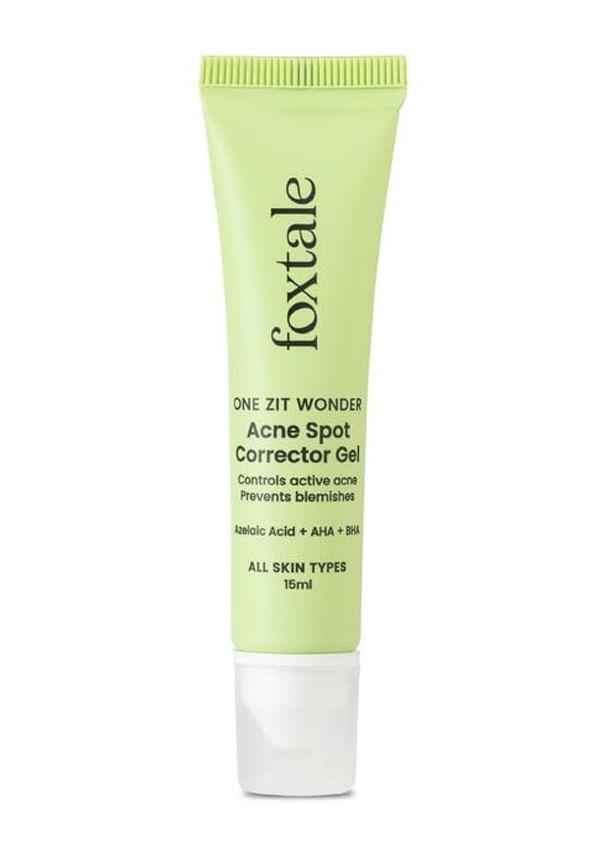
Acne Spot Corrector with Salicylic Acid & Azealic Acid
Dermatologists consistently recommend antifungal approaches for treating pityrosporum folliculitis. The most effective fungal acne treatment options include both over-the-counter and prescription alternatives that specifically target yeast overgrowth.
For mild cases, antifungal shampoos used as body washes can be surprisingly effective. Products containing zinc pyrithione or selenium sulfide can be used 2-3 times weekly on affected areas.
Stubborn fungal acne often requires prescription antifungals like ketoconazole cream or oral medications. These provide faster, more comprehensive treatment for severe cases.
Some people find success with natural antifungal ingredients like tea tree oil or honey-based treatments. However, these should complement, not replace, proven antifungal therapies.
Unlike bacterial acne, fungal acne can clear relatively quickly with proper treatment—often within 2-4 weeks. However, preventing recurrence requires ongoing attention to skincare choices and environmental factors.
Finding the right treatment for your skin doesn't have to involve expensive full-size products that might not work. Smytten's trial packs let you test antifungal skincare products from trusted brands before committing to full sizes, making it easier to discover what actually works for your fungal acne without the financial risk.
Salicylic acid isn't specifically good or bad for fungal acne—it's simply not designed to treat yeast infections. Whilst it won't directly worsen fungal acne, it also won't cure it. The real issue is that using salicylic acid instead of proper antifungal treatment can delay healing and potentially make symptoms persist longer.
No, salicylic acid cannot remove fungus from skin. It's a beta-hydroxy acid designed to exfoliate dead skin cells and control oil production, not an antifungal agent. Fungal infections require specific antifungal ingredients like zinc pyrithione, ketoconazole, or selenium sulfide to effectively target the yeast overgrowth.
Neither salicylic acid nor benzoyl peroxide is ideal for fungal acne, as both target bacteria rather than yeast. However, if you must choose between them, salicylic acid is generally less likely to irritate fungal acne-prone skin. The best approach is using dedicated antifungal treatments instead of traditional acne ingredients.
Fungal acne typically appears as small, uniform, itchy bumps that cluster together, especially in warm, humid areas like your chest, back, and hairline. Unlike bacterial acne, these bumps rarely come to a head and don't respond to traditional acne treatments. If you're unsure, consult a dermatologist for proper diagnosis.
The truth about salicylic acid and fungal acne is simpler than the internet makes it seem: they're just not a match. Whilst salicylic acid is brilliant for bacterial acne, fungal acne needs antifungal ingredients to actually clear up. Using the wrong treatment can waste time, money, and potentially make your skin worse.
Your best bet is identifying whether you're dealing with fungal or bacterial acne, then choosing treatments accordingly. With platforms like Smytten offering trial-sized antifungal products from over 1,500 trusted brands, you can test what works for your skin without the commitment of full-size purchases. After all, why settle for maybe when you can try it all and find what actually works for your unique skin needs?
