How Perimenopause Impacts Indian Women's Skin Texture & Hydration
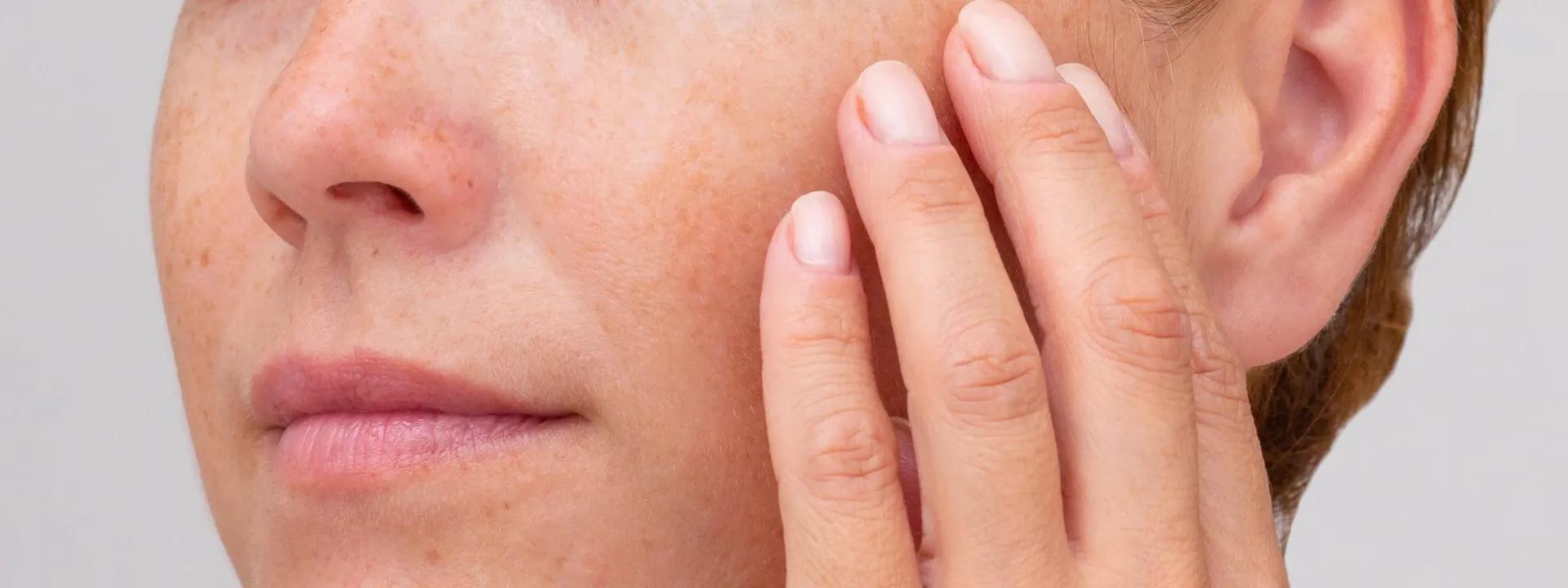

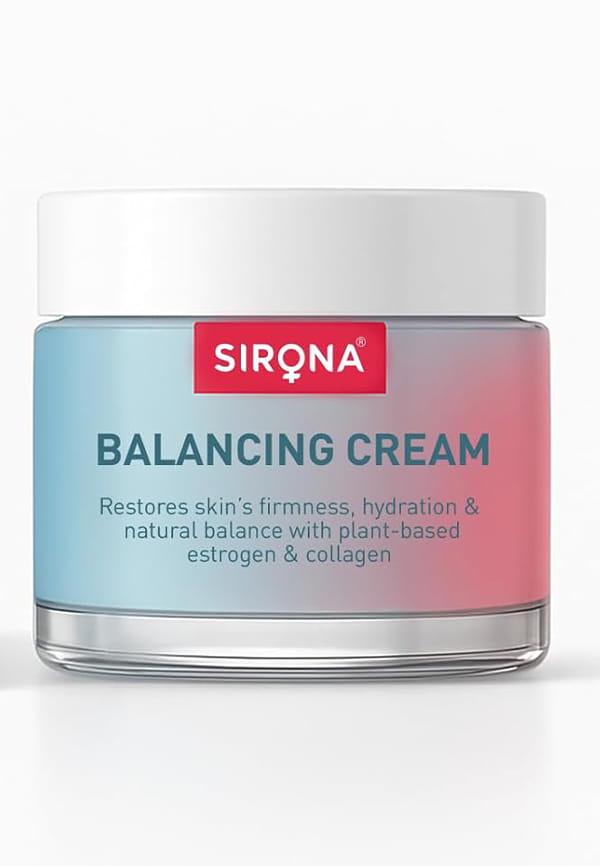
Face & Body Cream For Perimenopausal & Menopausal Skin
Have you noticed your skin feeling different lately? Perhaps that moisturiser that worked perfectly for years now leaves your face feeling tight by afternoon, or maybe you've spotted new fine lines that seem to have appeared overnight. If you're in your 40s, these changes might not be coincidental. Perimenopause brings a cascade of hormonal shifts that directly impact how your skin looks and feels, particularly affecting skin texture and hydration levels.
Perimenopause isn't just about irregular periods or hot flashes. This transitional phase, which can begin as early as your late 30s, fundamentally alters your skin's structure and behaviour. For Indian women, these changes often present unique challenges that require a deeper understanding of both hormonal science and our specific skin needs.
During very early perimenopause, you might notice subtle texture changes - perhaps your skin doesn't bounce back quite as quickly after pinching, or your usual products seem less effective. The early menopause transition brings increased dryness, particularly around the eyes and mouth. As you progress through the late menopause transition, aging signs accelerate noticeably. Finally, late perimenopause often presents significant hydration loss that affects your entire complexion.
Our higher melanin content means we age differently than Caucasian skin - whilst we're naturally protected from some UV damage, we're more prone to hyperpigmentation during hormonal fluctuations. India's diverse climate zones also play a role; the humidity in coastal cities like Mumbai can mask early dryness signs, whilst the dry heat in Delhi accelerates moisture loss. Traditional skincare practices like using coconut oil or turmeric may need adjustment during this phase.
The science behind these skin changes is fascinating yet sobering. As your ovaries gradually reduce hormone production, your skin bears the brunt of these fluctuations in ways that go far beyond surface-level concerns.
Estrogen acts like your skin's personal trainer, keeping collagen production humming along efficiently. When estrogen levels drop during perimenopause, collagen synthesis slows dramatically - some studies suggest a 30% decrease in the first five years after menopause begins. This isn't just about wrinkles; it's about fundamental changes to your skin's thickness, elasticity, and ability to repair itself.
Your skin barrier - that protective layer that keeps moisture in and irritants out - relies heavily on ceramides and natural moisturising factors. During perimenopause, production of these crucial components decreases significantly. This leads to increased trans-epidermal water loss, meaning your skin literally cannot hold onto moisture as effectively as it once did.
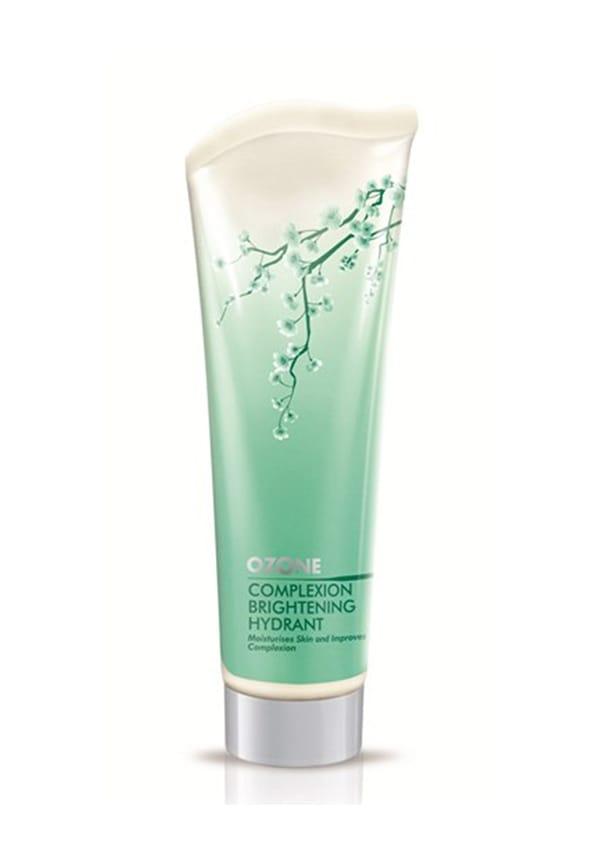
Complexion Brightening Hydrant
Real talk: perimenopause skin changes can feel overwhelming. One day your skin feels normal, the next it's parched despite your usual routine. Understanding these patterns helps you respond appropriately rather than panic-buying every hydrating product on the market.
Dry skin lacks oil production, whilst dehydrated skin lacks water content - and perimenopause can trigger both simultaneously. Your face, particularly around the eyes and mouth, often shows the first signs. However, don't overlook your hands, legs, and feet, which may become noticeably rougher. During India's winter months, these effects intensify, whilst monsoon humidity might provide temporary relief.
Fine lines develop more readily when your skin lacks adequate hydration and collagen support. You might notice your skin feeling thinner, almost fragile, particularly on your hands and décolletage. Uneven skin tone becomes more pronounced as cell turnover slows, and that natural firmness you took for granted begins to diminish.
Hormonal fluctuations can trigger new age spots or worsen existing melasma. Sun damage that was previously invisible may suddenly surface, creating an uneven complexion. For Indian women, these pigmentation changes can be particularly pronounced due to our skin's melanin response to hormonal shifts.
The good news? Your skin is incredibly adaptable, and with the right approach, you can maintain healthy hydration and texture throughout perimenopause. The key lies in understanding which ingredients work best for mature skin and how to layer them effectively.
Hyaluronic acid becomes your best friend during this phase - it can hold up to 1,000 times its weight in water, providing intense moisture retention. Ceramides help repair and strengthen your compromised skin barrier, whilst niacinamide improves texture and supports hydration whilst addressing pigmentation concerns. Peptides signal your skin to boost collagen production, helping maintain firmness and elasticity.
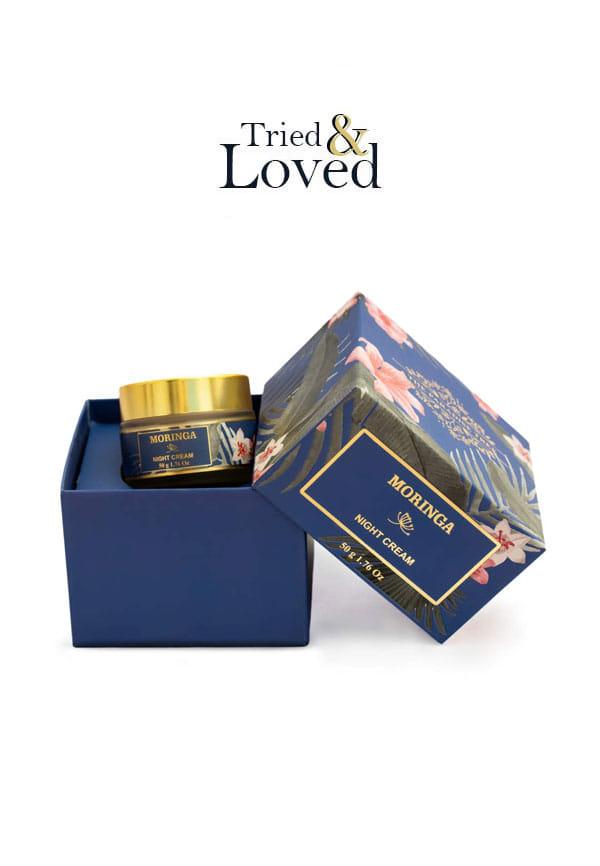
Moringa Night Cream
Your morning routine should focus on protection and hydration: gentle cleanser, hydrating serum with hyaluronic acid, moisturiser with ceramides, and broad-spectrum SPF. Evening routines emphasise repair: thorough cleansing, treatment serums with niacinamide or peptides, rich night moisturiser, and weekly hydrating masks. Adjust products seasonally - lighter textures during monsoons, richer formulations during winter.
Switch to lukewarm water for cleansing - hot water strips your already compromised skin barrier. Use gentle, cream-based cleansers rather than foaming formulas. Layer hydrating products from thinnest to thickest consistency, allowing each to absorb before applying the next. Never skip SPF, even indoors, as UV damage accelerates all signs of aging.
Whilst topical skincare forms the foundation of your routine, addressing perimenopause skin changes often requires a holistic approach that considers your overall health and lifestyle factors.
Hydration starts from within - aim for at least 8-10 glasses of water daily, more during summer months. Include omega-3 rich foods like walnuts and flaxseeds, which support skin barrier function. Prioritise sleep, as skin repair happens overnight, and manage stress through yoga or meditation, as cortisol can worsen skin dryness.
If your skin remains persistently dry despite consistent care, consult a dermatologist. Professional hydrating treatments like hydrafacials can provide immediate relief. Some women find hormone replacement therapy helps restore skin thickness and hydration, though this requires careful medical consideration. Cosmetic procedures like microneedling can stimulate collagen production naturally.
Every woman's perimenopause journey is unique, and your skincare routine should reflect your specific needs and concerns. Rather than following generic advice, take time to assess your current skin condition and build a sustainable routine that evolves with your changing needs.
Examine your skin in natural light, noting areas of dryness, texture changes, or new pigmentation. Keep a skin diary tracking how your complexion responds to different products and environmental factors. Pay attention to seasonal variations - your skin's needs in Mumbai's humidity differ vastly from Delhi's dry heat.
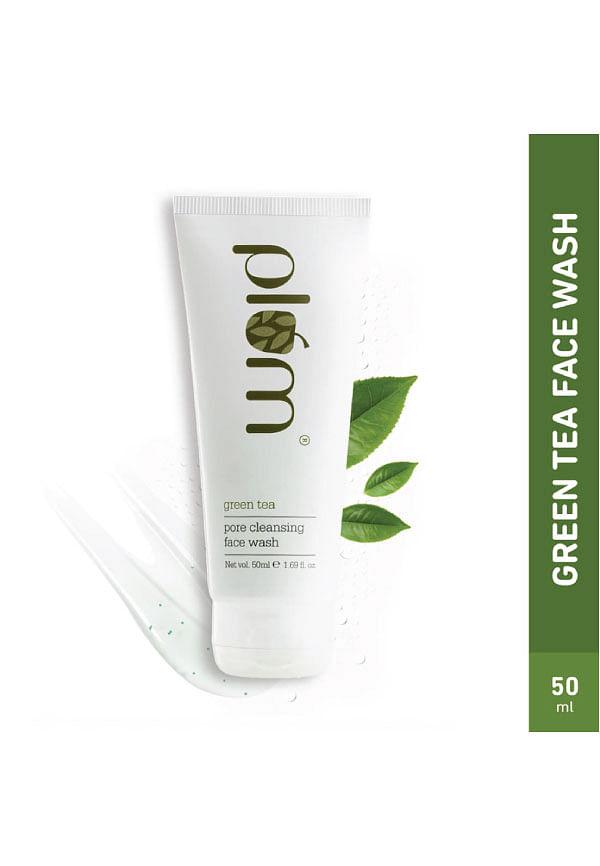
Green Tea Pore Cleansing Face Wash For Oily Skin
Introduce new products gradually, allowing 2-4 weeks to assess their effectiveness. Monitor your skin's response carefully - increased sensitivity is common during perimenopause. Adjust your routine seasonally, using lighter formulations during humid months and richer products during dry periods. Remember, consistency matters more than complexity.
Focus on a multi-step hydration approach: use a hydrating serum with hyaluronic acid, follow with a ceramide-rich moisturiser, and seal with a facial oil if needed. Apply products to slightly damp skin to enhance absorption, and consider using a humidifier in air-conditioned rooms.
Dry skin lacks oil production and feels rough or flaky, whilst dehydrated skin lacks water content and may feel tight despite being oily. Perimenopause can trigger both conditions simultaneously, requiring products that address oil production and water retention.
Many women report improved skin thickness, hydration, and elasticity with HRT, as estrogen supports collagen production and skin barrier function. However, HRT isn't suitable for everyone and requires thorough medical evaluation. Discuss benefits and risks with your healthcare provider.
Avoid harsh physical scrubs, alcohol-based toners, and over-exfoliation with acids. Your skin becomes more sensitive during this phase, so fragranced products and strong actives may cause irritation. Introduce new ingredients slowly and patch-test everything.
Perimenopause skin changes can feel daunting, but understanding the science behind them empowers you to respond effectively. Your skin's needs are evolving, and that's completely normal. Focus on gentle, hydrating products with proven ingredients like hyaluronic acid, ceramides, and niacinamide.
Remember, this is a journey, not a destination. What works for your skin today might need adjustment in six months, and that's perfectly fine. Listen to your skin, be patient with the process, and don't hesitate to seek professional guidance when needed.
If you're curious about trying new products but hesitant to invest in full sizes, platforms like Smytten offer an excellent way to test formulations before committing. With access to premium brands and the ability to try minis first, you can discover what works for your changing skin without the guesswork. After all, your skin deserves products that truly understand its needs during this transformative phase.
