How Peptides vs Proteins Work for Your Skin
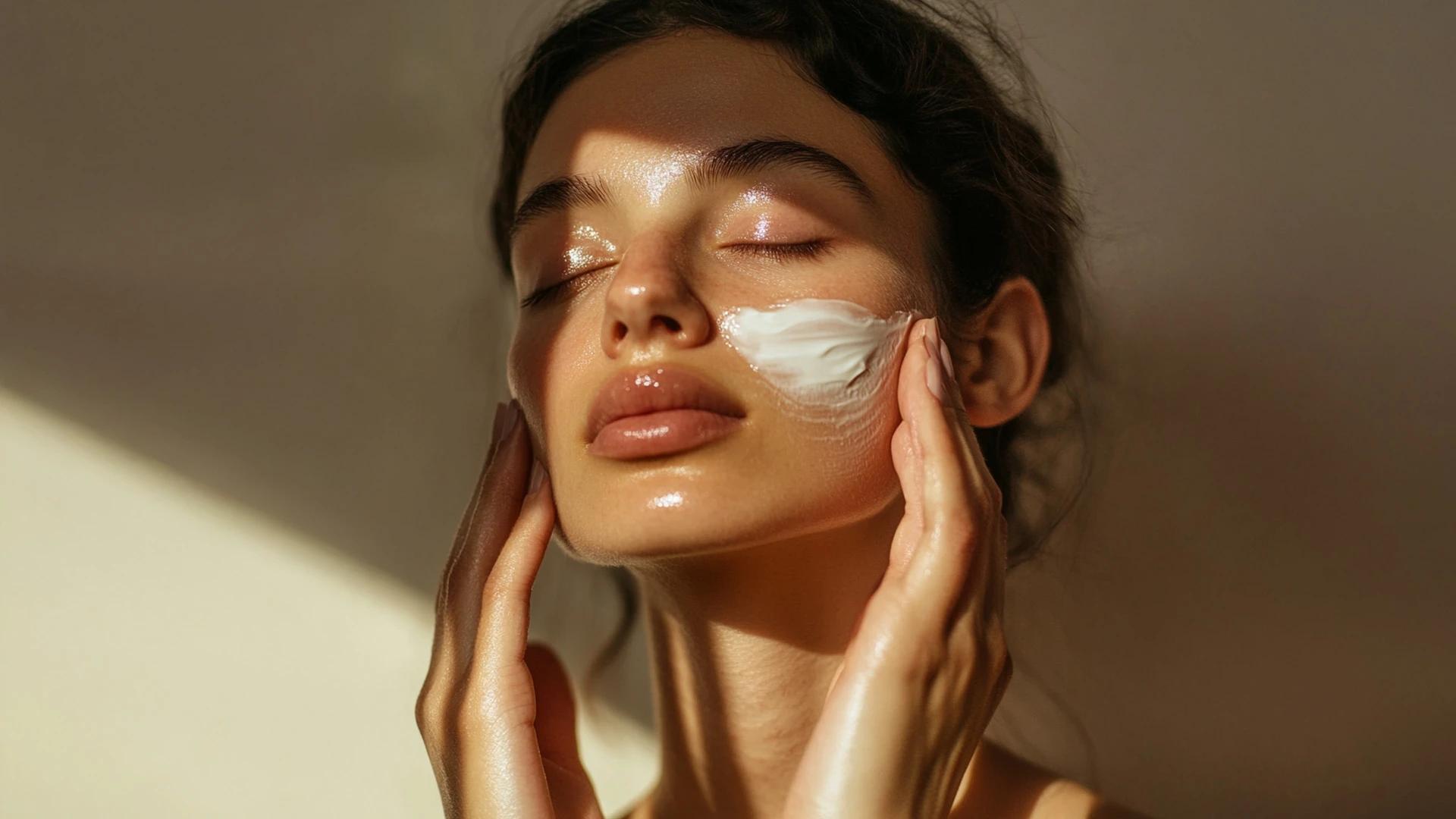


Hyphen Power Peptides Cocktail Serum
Ever found yourself staring at skincare labels wondering what the difference is between peptides and proteins? You're not alone. These amino acid-based ingredients are everywhere in skincare right now, but understanding peptides vs proteins can feel like decoding a chemistry textbook. Here's the thing though—knowing which one works better for your skin goals could be the game-changer your routine needs. Let's break down the science without the jargon and figure out which ingredient deserves a spot in your skincare arsenal.
Think of amino acids for skin as tiny building blocks that create different structures depending on how many you stack together. The main difference between peptides and proteins isn't just about size—it's about what that size means for your skin.
Peptides are basically the younger siblings of proteins—shorter chains of amino acids that pack a serious punch. We're talking about 2 to 50 amino acids linked together, which might sound small, but that's exactly their superpower.
Here's why their size matters:
Simple structure means better stability in skincare formulas
Enhanced bioavailability—they actually get where they need to go
Function as signalling molecules that tell your skin what to do
Less likely to break down before reaching target cells
Proteins are the big players—complex molecules with 50 or more amino acids that fold into intricate 3D structures. Think of them as elaborate origami compared to peptides' simple paper chains.
The challenge with proteins in skincare:
Large molecular weight makes skin penetration tricky
Complex folded structures can be unstable in formulations
Often need to be broken down (hydrolysed) to be useful
Work mainly on the skin's surface rather than deeper layers
That's where hydrolyzed protein skincare comes in—breaking down proteins into smaller, more manageable pieces that can actually do something for your skin.
Whether we're talking peptides or proteins, it all comes back to amino acids. These are the essential building blocks your skin uses for repair, renewal, and maintaining that healthy glow you're after.
Key amino acids that make a difference:
Glycine and proline for collagen production
Arginine for wound healing and circulation
Lysine for tissue repair and elasticity
Histidine for antioxidant protection
Real talk—peptides are having their moment for good reason. Their smaller size gives them a serious advantage when it comes to actually working on your skin rather than just sitting on top of it.
The beauty of peptides lies in their ability to slip through your skin's natural barriers. While proteins often get stuck at the surface, peptides can penetrate deeper layers where the real action happens.
This means:
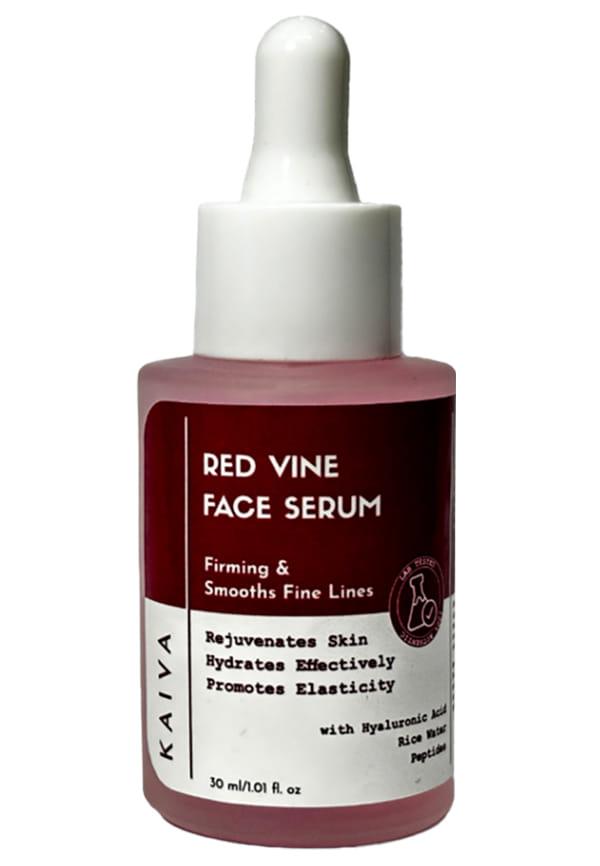
Red Vine Face Serum with Rice Water & Peptides
Better delivery to target cells
More efficient use of active ingredients
Faster visible results
Less product waste on the surface
Collagen peptides are probably the most talked-about type, and for good reason. They don't just provide building blocks—they actually signal your skin to ramp up its own collagen production. It's like having a personal trainer for your skin cells.
Different peptides have different jobs:
Signal peptides boost collagen and elastin production
Carrier peptides deliver minerals to skin cells
Neurotransmitter peptides help relax facial muscles
Enzyme-inhibitor peptides protect against breakdown
Anti-aging peptides and skin elasticity peptides are where the science gets really exciting. Studies show that certain peptides can increase collagen production by up to 30% and improve skin firmness significantly within 8-12 weeks.
The results you might notice:
Reduced appearance of fine lines
Improved skin texture and smoothness
Better hydration and plumpness
Enhanced skin barrier function
Protein in skincare isn't completely out of the game—it just plays a different role. While peptides are busy signalling and penetrating, proteins work more like a protective blanket for your skin.
When proteins are broken down through hydrolysis, they become more useful for skincare. Think of it as making them peptide-adjacent—smaller and more manageable.
Benefits of hydrolysed proteins:
Excellent moisturising properties
Film-forming abilities that protect skin
Temporary plumping effects
Good for immediate hydration needs
Here's where the protein vs peptide structure difference really shows up. Proteins excel at providing structural support and barrier function, but they're not great at active treatment. They're like a good moisturiser—helpful for maintenance but not necessarily transformative.
Peptide serum benefits are where theory meets your actual skincare routine. These concentrated formulas deliver peptides in their most potent form, making them worth obsessing over if you're serious about results.
Not all peptides are created equal. Different types target different skin concerns, so knowing what you're looking for helps you pick the right products.
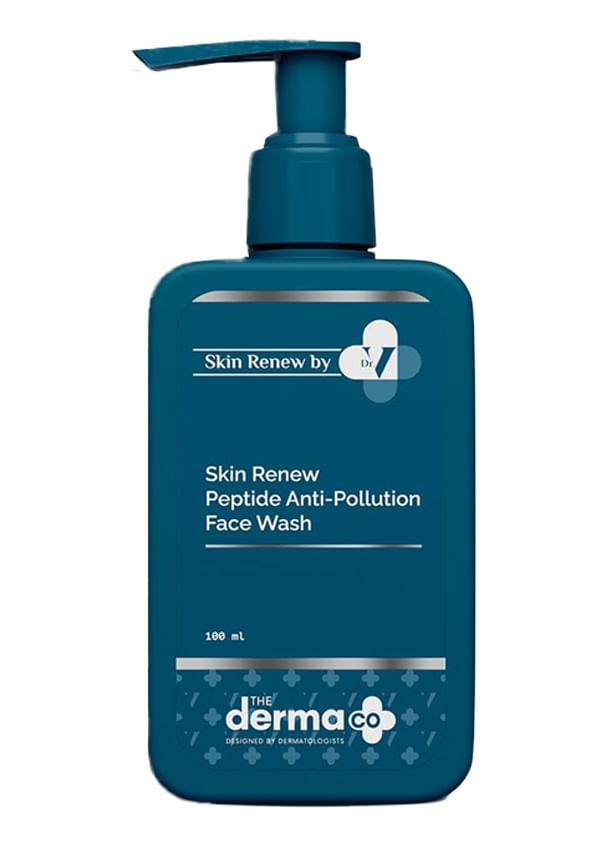
Skin Renew Peptide Anti-Pollution Face wash with Peptides & Niacinamide
Popular peptide types:
Matrixyl peptides for collagen stimulation
Argireline for expression line reduction
Copper peptides for healing and antioxidant benefits
Palmitoyl peptides for firming and elasticity
Peptide synthesis in labs allows for creating specific peptides that target exact skin concerns. This precision is what makes modern peptide skincare so effective compared to older protein-based formulas.
What to look for in quality peptide products:
Stable formulations with proper pH
Appropriate concentrations (usually 2-10%)
Complementary ingredients that enhance absorption
Packaging that protects from light and air
Your skin type and goals should drive your choice between peptides and proteins. It's not always an either-or situation—sometimes the best approach combines both strategically.
Peptides are your go-to when you want active treatment rather than just maintenance. They're particularly brilliant for anyone dealing with signs of ageing or wanting to prevent them.
Choose peptides if you:
Want to target specific ageing concerns
Have sensitive skin that reacts to harsh actives
Are looking for long-term skin improvement
Want ingredients that work deeper than surface level
Proteins still have their place, especially for immediate hydration and barrier support. They're also typically more budget-friendly than peptide formulations.
Consider proteins when:
You need immediate hydration and plumping
Your skin barrier is compromised
You're looking for gentle, everyday maintenance
Budget is a primary concern
The smartest approach might be using both—peptide serums for active treatment and protein-based moisturisers for hydration and protection. Layer them strategically for maximum benefit.
Both peptides and proteins are generally safe for topical use, but there are still some things to keep in mind when adding them to your routine.
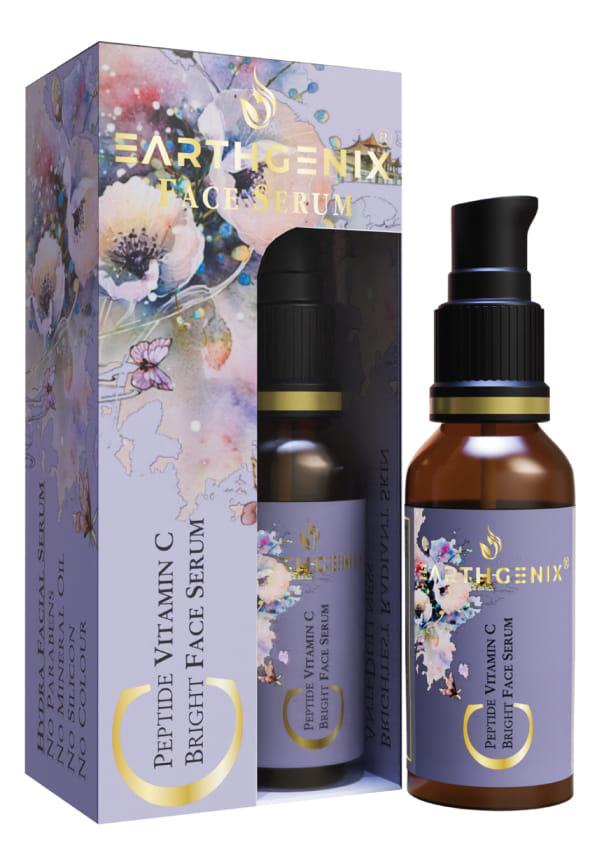
Peptide Vitamin C Bright Face Serum with Hyaluronic Acid
Peptides have an excellent safety record in skincare. They're typically well-tolerated even by sensitive skin types, making them a safer alternative to some harsher anti-ageing ingredients.
Rare side effects might include:
Mild irritation during initial use
Allergic reactions in very sensitive individuals
Interaction with certain medications (rare)
Not all peptide products are created equal. Some supplements marketed for skin benefits aren't regulated the same way as cosmetics, so stick to reputable skincare brands.
Red flags to watch for:
Unrealistic claims about overnight results
Products that don't list specific peptide types
Extremely cheap peptide serums (quality costs money)
Brands without proper testing or research backing
When you're ready to explore peptide skincare, platforms like Smytten make it easier to try different formulations without committing to full-size products. With curated trial packs from trusted brands, you can discover which peptide products work best for your skin before making larger investments.
Generally yes, peptides offer superior benefits for skincare due to their smaller size, better penetration, and targeted signalling functions. Proteins primarily provide surface-level hydration and barrier support, while peptides can work deeper to stimulate cellular processes.
The distinction is based on amino acid chain length: peptides contain 2-50 amino acids, polypeptides have 50-100 amino acids, and proteins consist of 100+ amino acids with complex 3D structures. For skincare, shorter chains typically mean better absorption.
Absolutely! Combining peptide serums for active treatment with protein-based moisturisers can provide comprehensive skin benefits. Apply peptide serums first, then follow with protein-rich moisturisers for hydration and barrier support.
Most users notice improvements in skin texture within 4-6 weeks of consistent use. Significant anti-ageing benefits typically appear after 8-12 weeks, as peptides need time to stimulate collagen production and cellular renewal.
While dietary peptides exist in bone broth, fish, and fermented foods, topical application through skincare products provides more direct and concentrated benefits. Your digestive system breaks down most dietary peptides before they can benefit your skin.
When it comes to peptides vs proteins for skincare, peptides are clearly the winners for active treatment and long-term skin improvement. Their smaller size, better penetration, and targeted functions make them worth the investment if you're serious about addressing ageing concerns or preventing them.
That said, proteins aren't completely useless—they have their place in providing hydration and barrier support. The smartest approach combines both strategically, using peptide serums for treatment and protein-based products for maintenance.
Remember, skincare is personal, and what works brilliantly for your friend might not be your cup of tea. That's where trial and discovery become crucial. Smytten's platform connects you with over 1,500 trusted brands offering peptide and protein-based skincare options. With trial packs available for just ₹249, you can explore different formulations and find your perfect match without the financial commitment. Plus, with 100% cashback on trial purchases, discovering your next skincare obsession becomes both affordable and rewarding. After all, why settle for 'maybe' when you can #TryItAll and find what actually works for your skin?
