How Often to Reapply Sunscreen Indoors for Daily Protection

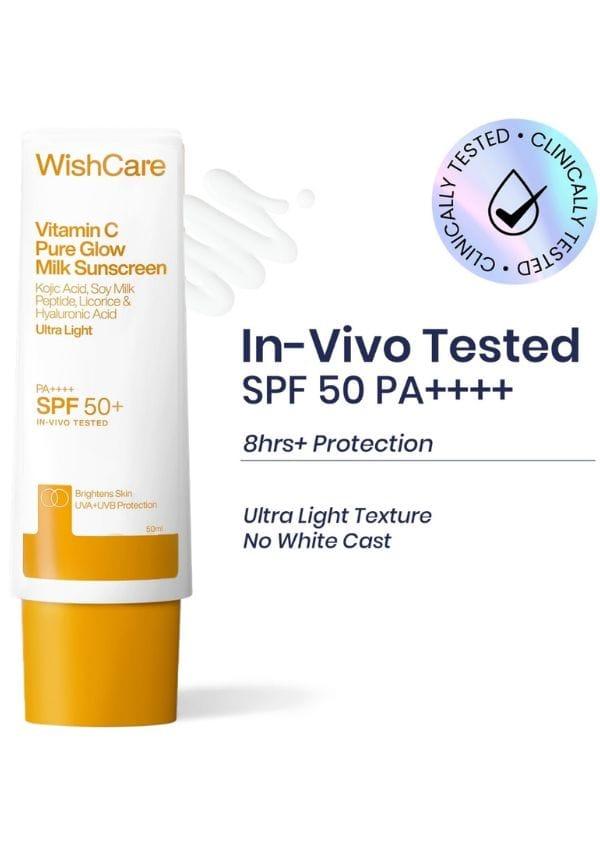
Vitamin C Pure Glow Face Sunscreen SPF 50 PA++++
Awesome Product, Love Texture
 5
5“awesome product 😘i love this texture 😍😍😍😍😄🤩 really happy ☺️❤️”
Best for everyday use
5“Best for every day use I am using niacinamide one from last 1 year this one is also amazing ”
Best for everyday use
5“Best for every day use I am using niacinamide one from last 1 year this one is also amazing ”
You've probably heard the golden rule about reapplying sunscreen every two hours outdoors, but what about when you're spending most of your day inside? Whether you're working from home near a sunny window or sitting in an office with floor-to-ceiling glass, the question of how often to reapply sunscreen indoors isn't as straightforward as you might think. The truth is, UV rays don't stop at your front door, and understanding when and how often you need that extra layer of protection can make a real difference to your skin's long-term health. At Smytten, we've noticed more people asking about indoor sun protection as remote work becomes the norm and awareness about UV exposure grows. Let's break down the science behind indoor sunscreen use and help you create a routine that actually makes sense for your lifestyle.
TL;DR
Away from windows: Once daily application in your morning routine is sufficient
Near windows (within 6 feet): Reapply once midday, around 4-6 hours after morning application
Mixed indoor-outdoor days: Follow the 15-minute rule before stepping outside and consider lunch break reapplication
UVA rays penetrate standard glass, making window-side protection essential even indoors
Choose broad-spectrum SPF 30+ and focus on mess-free reapplication methods for midday touch-ups
Here's what many people don't realise: standard window glass blocks most UVB rays (the ones that cause sunburn) but allows up to 75% of UVA rays to pass through. UVA rays are the sneaky ones responsible for premature ageing, hyperpigmentation, and that gradual breakdown of collagen that leads to fine lines. If you're sitting within six feet of a window for several hours daily, you're getting more UV exposure than you might think.
Research shows that office workers sitting near windows can receive significant UVA exposure throughout the day, particularly during peak sun hours between 10 AM and 4 PM. The intensity varies based on factors like window size, direction your windows face, and even the season. South-facing windows during summer months can create surprisingly high UV levels indoors.
Artificial lighting adds another layer to consider. While standard LED and fluorescent lights emit minimal UV, some halogen bulbs and certain types of office lighting can contribute to cumulative exposure. Blue light from screens, whilst not technically UV, can contribute to oxidative stress in the skin, though the jury's still out on whether this requires SPF protection specifically.
The frequency of indoor sunscreen reapplication depends entirely on your environment and daily activities. Unlike outdoor exposure where sweat, water, and direct sunlight break down your protection, indoor conditions are much more stable.
If you're working in a windowless room or staying well away from any glass surfaces, your morning sunscreen application should last the entire day. Sunscreen doesn't degrade when it's not being challenged by UV rays, sweat, or friction. Think of it like wearing a protective film that stays effective until you wash it off.
This is where things get more interesting. When you're consistently positioned near windows—whether that's your home office setup or a desk by the window at work—you'll want to reapply once during the day. The sweet spot is around 4-6 hours after your morning application, typically during lunch time. This isn't because your sunscreen has "worn off," but because you've been receiving steady UVA exposure that warrants a fresh layer of protection.
If your day involves popping outside for lunch, commuting, or running errands, treat these as mini outdoor exposures. Apply sunscreen 15 minutes before stepping outside if you haven't already got protection on. For brief outdoor moments (under 30 minutes), your morning application should suffice, but longer outdoor periods during lunch breaks might call for reapplication before heading back inside.
Your indoor environment plays a huge role in determining your sunscreen needs. Let's break down the most common scenarios and what they mean for your protection routine.
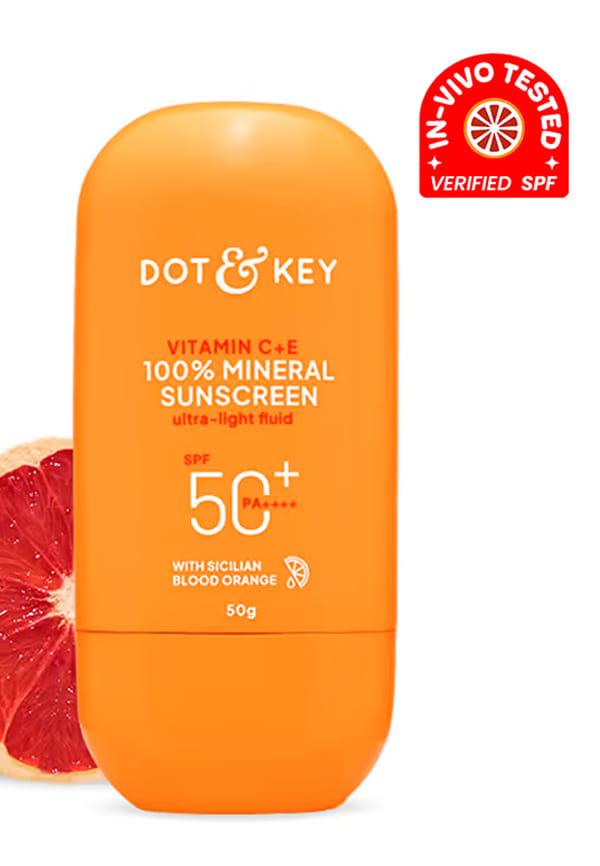
Vitamin C + E 100% Mineral Sunscreen SPF 50+ PA++++
Loved the Product
5“I Loved this product so muchhhh”
Working from home has changed the game for indoor sun protection. If your desk faces a window or you're in a room with significant natural light, you're essentially getting a low-level tan throughout the day. Position matters enormously—sitting directly in front of a sunny window is very different from having ambient light in the room.
For computer work, consider your screen's position relative to windows. Glare often means you're getting reflected UV rays as well as direct ones. Blue light protection is a bonus, but don't rely on it as your primary defence against UV exposure.
Modern office buildings with large windows can create surprisingly high UV environments. If you're in a cubicle away from windows, once-daily application works perfectly. But window offices, especially those facing south or west, can require midday reapplication just like being outdoors.
Fluorescent office lighting emits minimal UV, so it's really about your proximity to windows. Many people underestimate how much UV they're getting during long office days, particularly in buildings with floor-to-ceiling glass.
Winter indoor protection needs are often overlooked, but UV rays reflect off snow and can be surprisingly intense through windows. Summer brings obvious challenges with stronger, more direct sunlight streaming through glass. Geographic location matters too—if you're in a high-altitude city or closer to the equator, indoor UV exposure increases significantly.
Getting your application technique right makes all the difference between effective protection and a false sense of security. Indoor application can be more relaxed than outdoor prep, but the fundamentals remain crucial.
Use the two-finger rule for your face and neck—that's roughly a quarter teaspoon of product. For indoor protection, broad-spectrum SPF 30 is perfectly adequate, though SPF 50 won't hurt if that's what you prefer. Apply sunscreen as the last step in your skincare routine but before makeup.
Don't forget often-missed spots like your ears, the back of your neck, and the area around your eyes. These spots get significant exposure when you're sitting near windows, especially if you're there for hours at a time.
Reapplying over makeup or during a busy workday doesn't have to be complicated. Powder sunscreens work brilliantly for touch-ups—they won't disturb your existing makeup and provide decent protection for indoor use. SPF setting sprays are another option, though hold the bottle at arm's length and spray evenly.
Stick formulations are perfect for targeted areas like around your eyes or on your nose if you're getting direct window exposure. The key is having a method that's so simple you'll actually do it consistently.
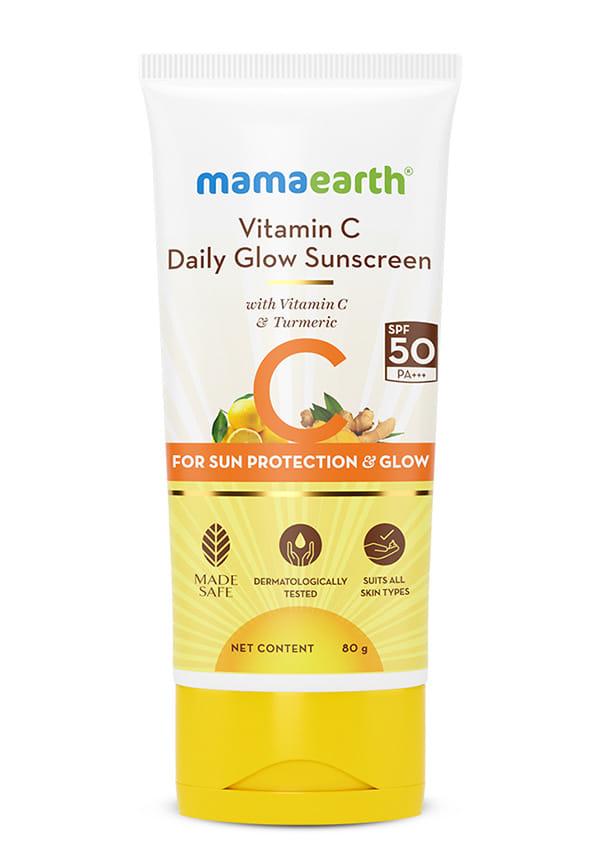
Vitamin C Daily Glow Sunscreen SPF 50 PA+++
Very Useful Daily
5“very much useful for every day”
Good for my skin type
4“this product is really good on my skin type.”
Good and Worthable
4“Good and worthable to buyyyyyyyy”
The benefits of consistent indoor sunscreen use extend far beyond preventing immediate sun damage. Regular protection helps maintain an even skin tone by preventing the gradual darkening that occurs from daily window exposure. You're essentially preventing the slow accumulation of damage that leads to premature ageing.
Many modern sunscreens include antioxidants that help combat oxidative stress from both UV rays and environmental pollutants that make their way indoors. This dual protection approach supports your skin's natural repair processes throughout the day.
There's also the habit factor—maintaining daily sunscreen use regardless of your environment means you're never caught off guard. It becomes second nature, which is crucial for long-term skin health. Plus, many people find that consistent sunscreen use helps their other skincare products work more effectively by providing a protective barrier.
One of the biggest mistakes is assuming cloudy days mean no UV exposure indoors. Clouds don't significantly reduce UVA penetration through windows, so overcast weather doesn't change your indoor protection needs. Similarly, thinking that tinted windows provide complete protection is misleading—most standard tinting reduces but doesn't eliminate UV transmission.
Insufficient application is another common issue. People often use less product indoors, thinking they need less protection, but the amount required for effective coverage remains the same. Skipping reapplication when you're consistently near windows is like leaving a job half-finished.
Don't forget about reflected light either. Light-coloured walls, computer screens, and even white clothing can reflect UV rays onto your face throughout the day, increasing your overall exposure even when you're not directly facing a window.
Choosing the right sunscreen for indoor use often comes down to texture and wearability. Lightweight formulations work best since you're not dealing with sweat or water resistance needs. The Derma Co. 1% Hyaluronic Sunscreen Aqua Gel SPF 50 PA++++ offers excellent protection with a texture that feels more like a moisturiser than traditional sunscreen, making it perfect for daily indoor wear.
For those dealing with oily skin in air-conditioned environments, Dot & Key Watermelon Cooling Sunscreen provides protection without the heavy feeling that can be uncomfortable during long indoor days. The cooling effect is particularly welcome if you're working near sunny windows.
If you prefer minimal-ingredient formulations, Minimalist Light Fluid SPF 50 Face Sunscreen delivers high protection with an almost invisible finish that works beautifully under makeup or on its own.
Product | Best For Skin Type | Key Concern | Price Range | Key Ingredients |
|---|---|---|---|---|
The Derma Co. 1% Hyaluronic Sunscreen Aqua Gel SPF 50 | All skin types, especially dehydrated | Hydration + Sun protection | ₹350-450 | Hyaluronic Acid, Vitamin E |
Dot & Key Watermelon Cooling Sunscreen SPF 50+ | Oily, combination | Oil control + Cooling effect | ₹400-500 | Watermelon Extract, Hyaluronic Acid |
Minimalist Light Fluid SPF 50 | All skin types | Invisible finish + High protection | ₹600-700 | Multi-UV Filters |
Foxtale SPF 70 Matte Finish | Oily, combination | Matte finish + Very high SPF | ₹450-550 | UV Filters, Niacinamide |
Aqualogica Glow+ Dewy Sunscreen SPF 50 | Normal, dry | Brightening + Hydration | ₹300-400 | Vitamin C, Papaya Extract |
If you're away from windows and sources of UV light, once daily application in your morning routine is sufficient. However, if you're working or spending time within six feet of windows, consider reapplying once midday for optimal protection against UVA rays that penetrate glass.

Vitamin C Sunscreen Spf-50
Wonderful Product
5“great product. works wonders. visible difference in my skin”
Winter indoor reapplication follows the same guidelines as other seasons. UV rays can be surprisingly strong in winter, especially with snow reflection, so maintain your once-daily routine away from windows, or midday reapplication if you're consistently near sunny windows.
Unlike outdoor exposure, indoor environments don't require the standard 2-hour reapplication rule. Sunscreen remains effective indoors unless you're getting consistent UV exposure through windows. The key is understanding your specific environment rather than following outdoor guidelines.
Sunscreen can remain effective all day indoors when you're away from UV sources. The product doesn't degrade from sweat, water, or direct sun exposure in indoor environments. However, if you're near windows receiving UVA exposure, reapplication after 4-6 hours provides optimal protection. Many users on Smytten have found that understanding their specific indoor environment helps them choose the right protection routine.
SPF 30 broad-spectrum protection is perfectly adequate for most indoor environments. SPF 50 can be beneficial if you're getting intense window exposure or prefer the extra security, but it's not essential for standard indoor use.
Absolutely. A good broad-spectrum sunscreen works for both environments. The difference is in application frequency—outdoor use requires more frequent reapplication due to sweat, water, and direct UV exposure, while indoor use is more about consistent daily protection.
Indoor sunscreen use isn't about following the same rules as outdoor protection—it's about understanding your specific environment and UV exposure patterns. If you're spending your day away from windows, your morning sunscreen application provides all-day protection. But if you're working near glass surfaces or in bright, naturally lit spaces, a midday reapplication makes perfect sense.
The key is consistency rather than frequency. Choose a lightweight, broad-spectrum SPF 30 or higher that you'll actually want to wear daily, and develop a reapplication method that fits seamlessly into your routine. Whether that's a powder touch-up, an SPF spray, or simply reapplying cream during your lunch break, the best routine is the one you'll stick to.
Remember that indoor sun protection is a long-term investment in your skin's health. The gradual damage from daily window exposure might not be immediately visible, but preventing it now means healthier, more even-toned skin for years to come.
Understanding indoor sun protection is just one part of building a skincare routine that truly works for your lifestyle. At Smytten, India's largest product discovery and trial platform, we believe you shouldn't have to guess which sunscreen will work best for your specific needs. With over 2,400 trusted brands including Dot & Key, The Derma Co., Minimalist, and Foxtale, you can try before you buy through our curated trial packs. Get up to 10 trial minis for just ₹279, with 100% cashback redeemable for future purchases. Whether you're looking for the perfect indoor sunscreen or building your complete skincare routine, our authentic brand-verified minis let you discover what works without the commitment of full-size purchases. After all, why settle for 'maybe' when you can #TryItAll and find your perfect match with confidence?
