How Niacinamide Serums vs Creams Compare in Effectiveness


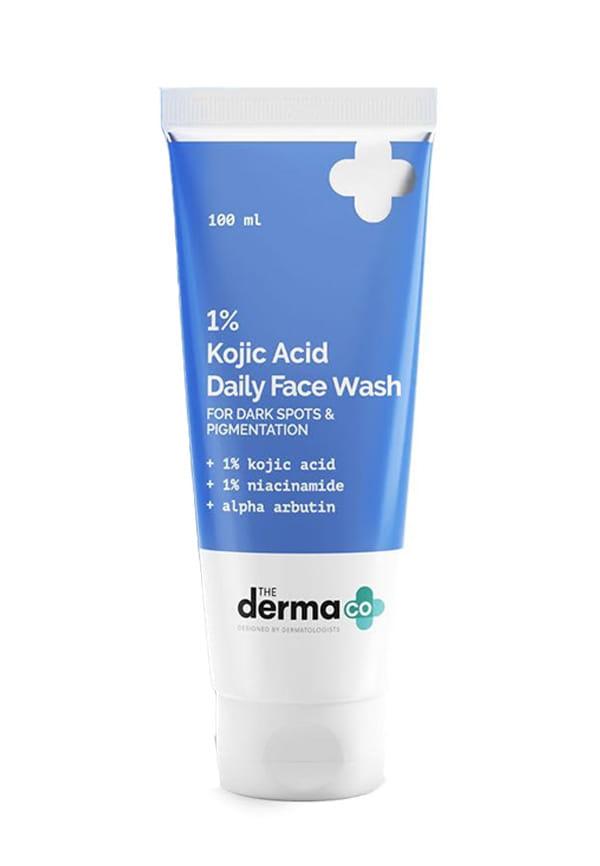
1% Kojic Acid Face Wash with Niacinamide & Alpha Arbutin
Choosing between niacinamide serums and creams can feel like picking between your two favourite skincare products. Both promise to tackle everything from stubborn acne to annoying redness, but which one actually delivers better results? The truth is, the effectiveness of niacinamide in serums vs creams depends on more than just the formulation—it's about concentration, your skin type, and what you're trying to achieve. Let's break down the science behind these two popular formats and help you figure out which one might just become your next skincare obsession.
Niacinamide, also known as vitamin B3 or nicotinamide, is basically the Swiss Army knife of skincare ingredients. This water-soluble vitamin works at the cellular level to regulate sebum production, strengthen your skin barrier, and calm inflammation—which explains why it's become such a cult favourite. The niacinamide benefits for skin are backed by solid research, showing it can reduce pore appearance, even out skin tone, and boost hydration levels.
What makes niacinamide so effective is its ability to increase ceramide production in your skin. Ceramides are the building blocks of your niacinamide skin barrier, keeping moisture in and irritants out. Clinical studies have shown that concentrations as low as 2% can deliver visible improvements, whilst higher concentrations up to 10% can tackle more stubborn concerns like persistent acne or hyperpigmentation.
The magic happens when niacinamide penetrates your skin and gets to work on multiple pathways simultaneously. It inhibits the transfer of melanin to surface skin cells (hello, brighter complexion), reduces inflammatory responses, and helps regulate oil production without over-drying your skin. This multi-tasking ability is why formulation matters so much—the delivery system can make or break how well your skin actually absorbs and uses this ingredient.
The main difference between serums and creams isn't just texture—it's how they're designed to deliver niacinamide to your skin. Think of serums as the express train and creams as the scenic route—both get you there, but the journey looks quite different.
Serums are the overachievers of the skincare world. They typically pack higher concentrations of niacinamide, usually ranging from 5% to 10%, compared to creams that hover around 2% to 5%. This lightweight, water-based formula means smaller molecules that can penetrate deeper into your skin layers.
The niacinamide serum benefits include faster absorption and more targeted treatment. Because serums have fewer occlusive ingredients, they can deliver active ingredients more efficiently. A best niacinamide serum will have a pH between 5.0 and 7.0, minimal filler ingredients, and often includes complementary actives like zinc or hyaluronic acid to boost effectiveness.
Creams take a gentler approach with sustained-release formulations. The niacinamide cream benefits lie in their ability to combine active treatment with moisturising properties. These formulations typically include emollients, humectants, and occlusives that help strengthen your skin barrier whilst delivering niacinamide gradually.
A best niacinamide cream will balance effectiveness with comfort, making it perfect for sensitive or dry skin types. The lower concentration doesn't mean less effective—it means more suitable for daily use without irritation. Plus, the cream base often includes additional barrier-supporting ingredients like ceramides or fatty acids.
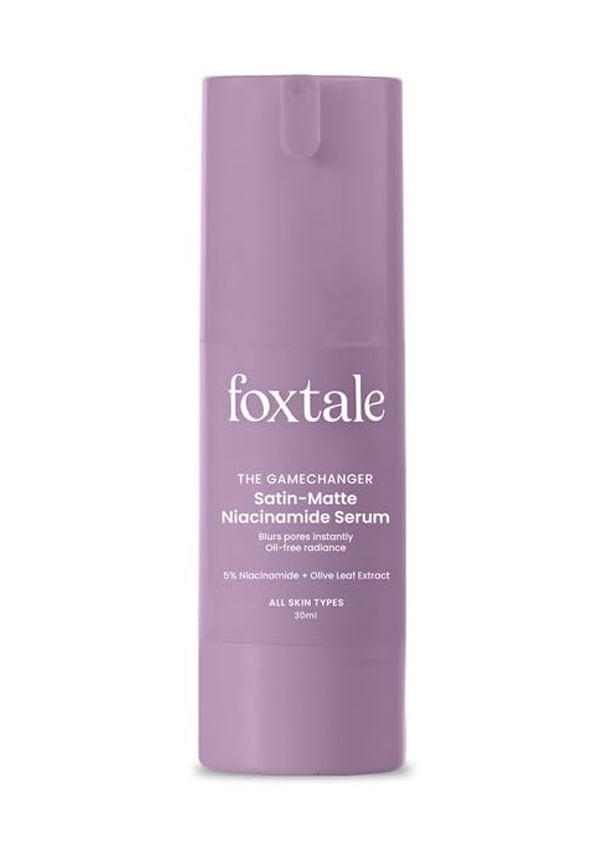
5% Niacinamide Face Serum with Olive Leaf Extract
Real talk—both formulations can be incredibly effective, but they shine in different scenarios. The key is matching the right formula to your specific skin concerns and tolerance level.
When it comes to niacinamide for acne, serums often take the lead. The higher concentration and lightweight texture make them particularly effective for niacinamide for oily skin concerns. Clinical studies show that 5% niacinamide can reduce sebum production by up to 30% within four weeks.
Serums work faster because they can penetrate congested pores more easily. You might start seeing improvements in oil control within two weeks, whilst acne reduction typically becomes noticeable around the four to six-week mark. The key is consistency—daily application delivers better results than sporadic use.
Niacinamide for redness is where both formulations can excel, but for different reasons. Serums provide quick anti-inflammatory action, whilst creams offer sustained calming benefits throughout the day. If you're dealing with rosacea or sensitive skin, the gentler approach of a cream might be more suitable initially.
The anti-inflammatory properties of niacinamide work by inhibiting the inflammatory cascade that leads to redness and irritation. Both serums and creams can deliver these benefits, but creams often include additional soothing ingredients like allantoin or panthenol that enhance the calming effect.
For tackling dark spots and uneven skin tone, higher concentration serums typically show faster results. The deeper penetration allows niacinamide to work more effectively on melanin production at the cellular level. However, creams can be just as effective over a longer timeline, especially when combined with other brightening ingredients.
Expect to see initial improvements in skin brightness within four to six weeks with serums, whilst creams might take eight to twelve weeks to show similar results. The trade-off is that creams are less likely to cause irritation during this process.
Your skin type should be the main factor in deciding between serums and creams. It's not about which is objectively better—it's about which works better for you.
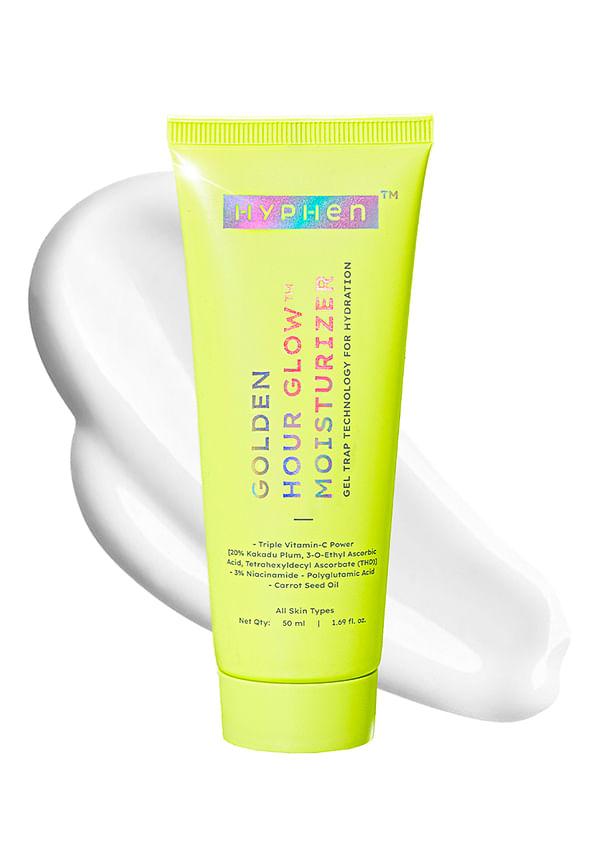
Golden Hour Glow Face Moisturizer | Brighter Skin with Triple Vitamin C & 3% Niacinamide
Serums are your best bet if you have oily to combination skin and want targeted treatment. They're perfect for layering under other products and work brilliantly when you want maximum concentration benefits. If you're already comfortable with active ingredients and want faster results, serums are worth a try.
They're also ideal if you prefer a minimalist routine where each product has a specific job. Serums play well with other actives like retinol or vitamin C, making them perfect for those who love a multi-step approach.
Creams win when you have dry or sensitive skin, or if you're new to niacinamide. They're perfect for those who prefer an all-in-one approach or want to simplify their routine. The built-in moisturising properties mean you're getting treatment and hydration in one step.
If you've experienced irritation with other active ingredients before, starting with a cream formulation can help you build tolerance whilst still getting the benefits of niacinamide.
Getting the most out of your niacinamide product isn't just about choosing the right formula—it's about using it correctly. Both serums and creams work best when applied to clean, slightly damp skin.
For serums, apply after cleansing but before heavier products like moisturisers or oils. A few drops are usually enough for your entire face. With creams, you can use them as your final moisturising step or layer a lighter moisturiser on top if needed.
Niacinamide plays well with most ingredients, making it perfect for both morning and evening routines. It's particularly effective when combined with hyaluronic acid for hydration or zinc for additional oil control. Just remember to introduce any new product gradually—start with every other day and build up to daily use.
Niacinamide side effects are relatively rare, but they can happen, especially when you're starting out or using higher concentrations. The most common reactions include mild redness, tingling, or temporary flushing—particularly with concentrations above 10%.
If you experience persistent irritation, try reducing the frequency of application or switching to a lower concentration. Some people find that starting with a cream formulation helps build tolerance before moving to higher-concentration serums. Always patch test new products on a small area first, especially if you have sensitive skin.
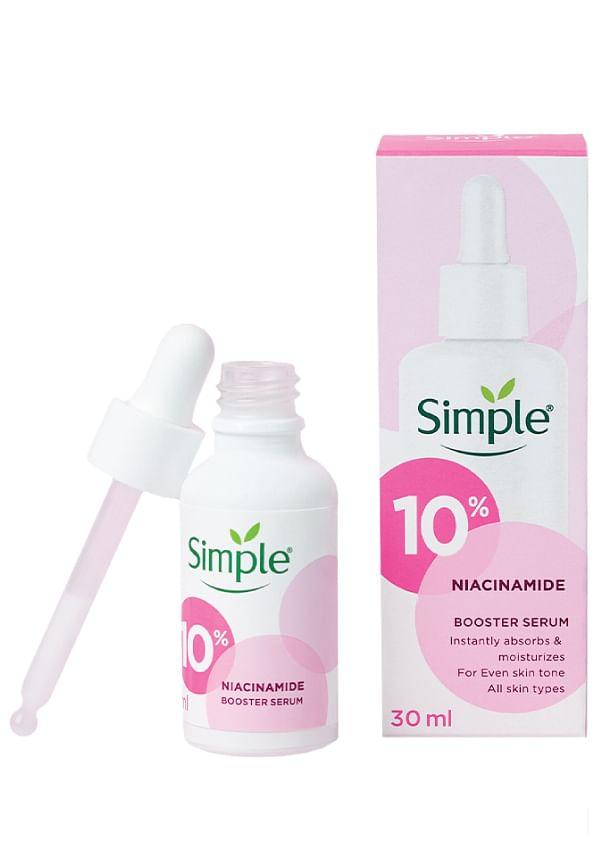
Booster Serum 10% Niacinamide For Even Skin Tone
The good news is that niacinamide is generally well-tolerated by most skin types. Unlike some other actives, it doesn't increase sun sensitivity, making it perfect for daily use. However, if you notice any severe reactions like burning or persistent redness, discontinue use and consider consulting a dermatologist.
It depends on your skin type and goals. Serums offer higher concentrations and faster results, making them ideal for oily skin and targeted concerns. Creams provide gentler, sustained benefits and are better for dry or sensitive skin types.
Yes, niacinamide has proven anti-inflammatory properties. It works by inhibiting inflammatory pathways in the skin, reducing redness, irritation, and the inflammatory response that contributes to acne and rosacea.
Both can be equally effective—it's about matching the formulation to your needs. Serums deliver higher concentrations faster, whilst creams provide sustained benefits with added moisturising properties. Effectiveness depends more on consistent use than formulation type.
Niacinamide is generally better for rosacea due to its anti-inflammatory properties and ability to strengthen the skin barrier. Hyaluronic acid provides hydration but doesn't address the underlying inflammation. Many people find combining both ingredients gives the best results.
The niacinamide in serums vs creams effectiveness debate doesn't have a one-size-fits-all answer. Both formulations can deliver impressive results when chosen thoughtfully for your specific skin type and concerns. Serums excel at targeted treatment with higher concentrations, whilst creams offer a gentler approach with added moisturising benefits.
The real key to success is finding the right product for your skin and using it consistently. Whether you choose a serum or cream, give it at least eight weeks to show its full potential. And remember, the best niacinamide product is the one you'll actually use every day.
If you're still unsure which formulation to try, platforms like Smytten make it easier to explore different options without the commitment of full-size purchases. With curated trial packs from trusted brands, you can test various niacinamide serums and creams to find your perfect match. After all, why settle for 'maybe' when you can try different formulations and discover what actually works for your skin?
