How Niacinamide Controls Oily Skin and Reduces Oiliness


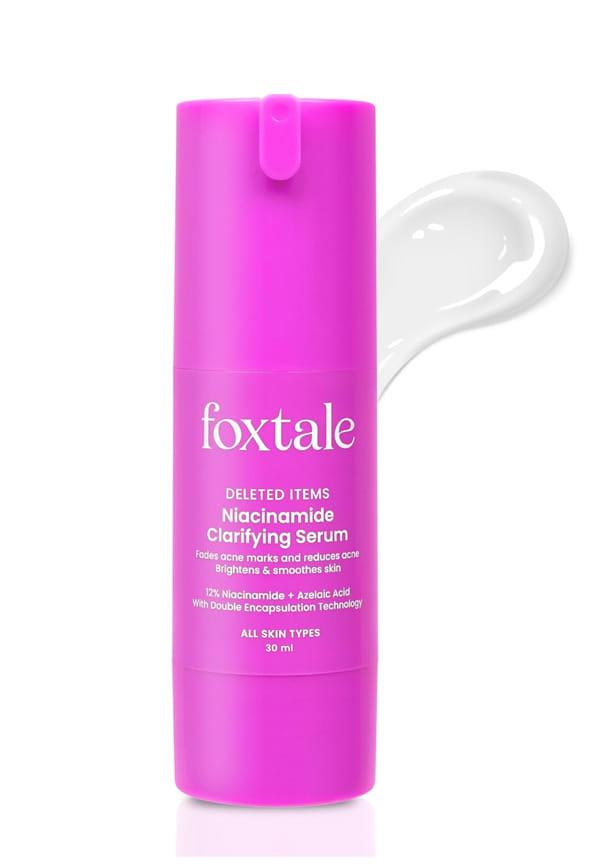
12% Niacinamide Serum with Azelaic Acid for Oil Control & Brightening
That midday mirror check revealing a shiny T-zone despite your morning skincare routine? You're not alone. Oily skin affects millions, leaving many wondering if there's a gentle yet effective solution that doesn't strip or irritate. Enter niacinamide — the unsung hero that's been quietly revolutionising oil control for those who've tried everything from harsh cleansers to drying treatments. Unlike aggressive ingredients that temporarily mattify but ultimately trigger more oil production, niacinamide works at the cellular level to actually retrain your skin's sebaceous glands. Real talk: it's not an overnight miracle, but the science-backed results speak for themselves.
Niacinamide, also known as vitamin B3 or nicotinamide, is a water-soluble vitamin that your skin absolutely loves. Unlike oil-soluble vitamins that can feel heavy on already oily skin, niacinamide absorbs beautifully without leaving any residue. What makes it particularly brilliant for oily skin is its unique ability to communicate directly with your sebaceous glands, essentially teaching them to produce less oil over time.
At the molecular level, niacinamide works by inhibiting the transfer of lipids to the skin's surface. Clinical studies have shown that concentrations between 2-10% can reduce sebum production by up to 30% after 8-12 weeks of consistent use. The FDA recognises niacinamide as safe for topical use, making it suitable for daily application even on sensitive, oily skin.
Unlike salicylic acid which works by exfoliating and unclogging pores, or retinoids that can initially increase sensitivity, niacinamide takes a gentler approach. It doesn't strip your skin or cause the rebound oiliness that many harsh treatments trigger. Instead, it strengthens your skin barrier whilst simultaneously reducing oil production — a combination that's particularly valuable for those with oily, acne-prone skin.
Understanding exactly how niacinamide controls oily skin helps explain why it's become such a staple in effective skincare routines. The ingredient works through multiple pathways, creating comprehensive oil control that improves over time.
The primary way niacinamide reduces oiliness is by directly influencing sebaceous gland activity. Research published in dermatology journals shows that niacinamide reduces the transfer of triglycerides and fatty acids to the skin's surface. This isn't about temporarily absorbing oil — it's about your skin actually producing less oil in the first place. Most users notice a 20-30% reduction in oil production after 6-8 weeks of consistent use.
Enlarged pores often accompany oily skin, creating a cycle where more oil gets trapped and pores appear even larger. Niacinamide helps break this cycle by improving skin elasticity and reducing the appearance of pore size. As oil production normalises and pores become less congested, they naturally appear smaller and more refined.
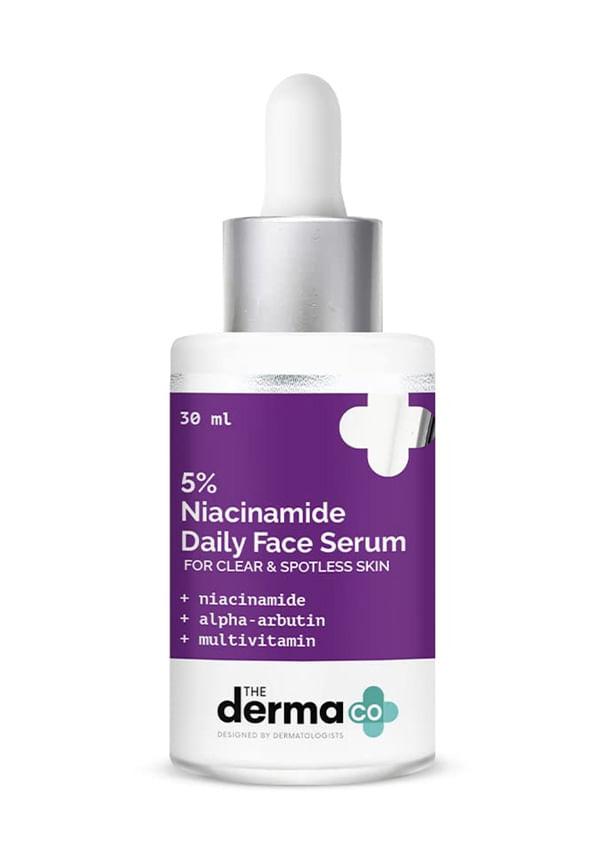
5% Niacinamide Daily Face Serum
Here's where niacinamide truly shines: it strengthens your skin barrier whilst controlling oil. By boosting ceramide production and improving the skin's natural moisture retention, niacinamide ensures that oil control doesn't come at the expense of hydration. This balanced approach prevents the overcompensation that often occurs when skin becomes too dry from harsh treatments.
Oily skin often comes with inflammation and breakouts. Niacinamide's anti-inflammatory properties help calm redness and reduce the likelihood of acne formation. This makes it particularly valuable for those dealing with both excess oil and frequent breakouts — addressing both concerns simultaneously without irritation.
Setting realistic expectations is crucial when starting any new skincare ingredient. Niacinamide's effects build gradually, with different benefits becoming apparent at different stages of use.
Weeks 1-2: You might notice your skin feels slightly more comfortable and less tight after cleansing. This is your skin barrier beginning to strengthen. Weeks 2-4: The first signs of oil control typically appear now — perhaps you're reaching for blotting papers less frequently or noticing your makeup stays put longer. Weeks 8-12: This is when the magic really happens. Pores appear more refined, oil production has noticeably decreased, and your skin looks more balanced overall.
Beyond the obvious reduction in shine, look for these subtler improvements: your skin feels more resilient, breakouts are less frequent or severe, and your complexion appears more even. Many users report that their skin simply feels "calmer" — less reactive and more balanced throughout the day.
Getting the most from niacinamide isn't just about choosing the right product — it's about using it correctly within your routine. The good news is that niacinamide is one of the most user-friendly active ingredients available.
For beginners, a 5% niacinamide concentration is ideal — effective yet gentle enough to use daily from the start. Those with experience using active ingredients might prefer 10% formulations for more intensive oil control. The Foxtale 12% Niacinamide Serum with Azelaic Acid for Oil Control and Brightening offers a higher concentration combined with azelaic acid, which provides additional benefits for those dealing with both oiliness and uneven skin tone. This combination works particularly well for oily skin that also struggles with post-acne marks or general dullness, as the azelaic acid helps with gentle exfoliation whilst the niacinamide handles oil control.
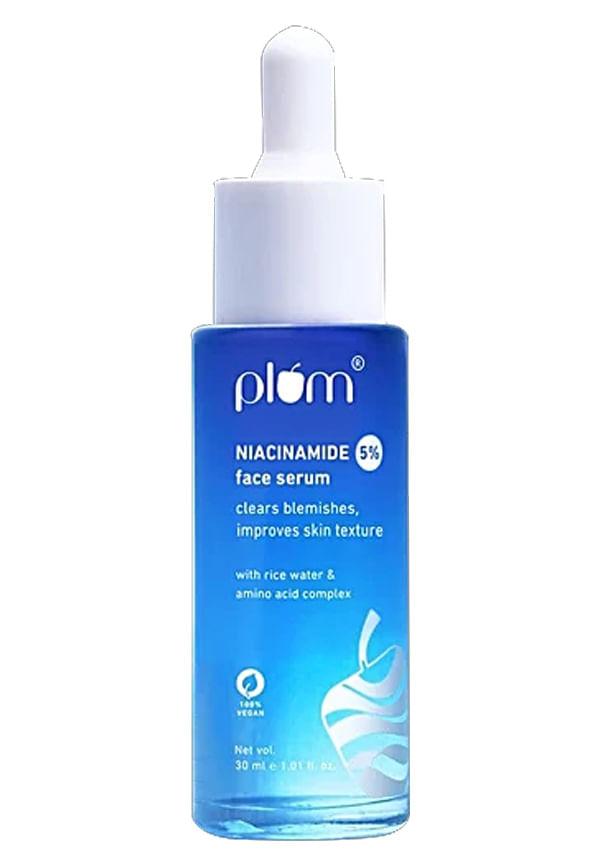
5% Niacinamide Face Serum | With Rice Water & Amino Acid Complex
Morning routine: Gentle cleanser → Niacinamide serum → Lightweight moisturiser → SPF. Evening routine: Double cleanse (if wearing makeup/SPF) → Niacinamide serum → Slightly richer moisturiser. The key is consistency — niacinamide works best when used regularly rather than sporadically.
One of niacinamide's greatest strengths is its compatibility with other ingredients. It plays well with hyaluronic acid for added hydration, vitamin C for antioxidant protection, and even retinoids for enhanced anti-ageing benefits. However, avoid using it immediately after high-pH products like some cleansers, as this can reduce its effectiveness.
Not all oily skin is created equal, and your application strategy should reflect your specific skin type. Understanding these nuances helps maximise niacinamide's benefits for your particular concerns.
For combination skin, focus niacinamide application on your T-zone where oil production is highest, whilst using a lighter hand on drier cheek areas. Those with uniformly oily skin can apply niacinamide across the entire face. Pay attention to how different areas of your face respond and adjust accordingly.
Summer heat and humidity can increase oil production, making this an ideal time to use niacinamide twice daily. During winter months, you might find once daily application sufficient, paired with a more nourishing moisturiser to prevent any dryness from indoor heating.
Even with the most gentle active ingredients, there are ways to optimise your experience and avoid common pitfalls that might prevent you from seeing the results you're hoping for.
If you're not seeing results after 6-8 weeks, consider whether you're using a high enough concentration or applying it consistently. Sometimes the issue isn't the niacinamide itself but other products in your routine that might be counteracting its effects. Overly harsh cleansers or alcohol-heavy toners can disrupt your skin barrier, making it harder for niacinamide to work effectively.
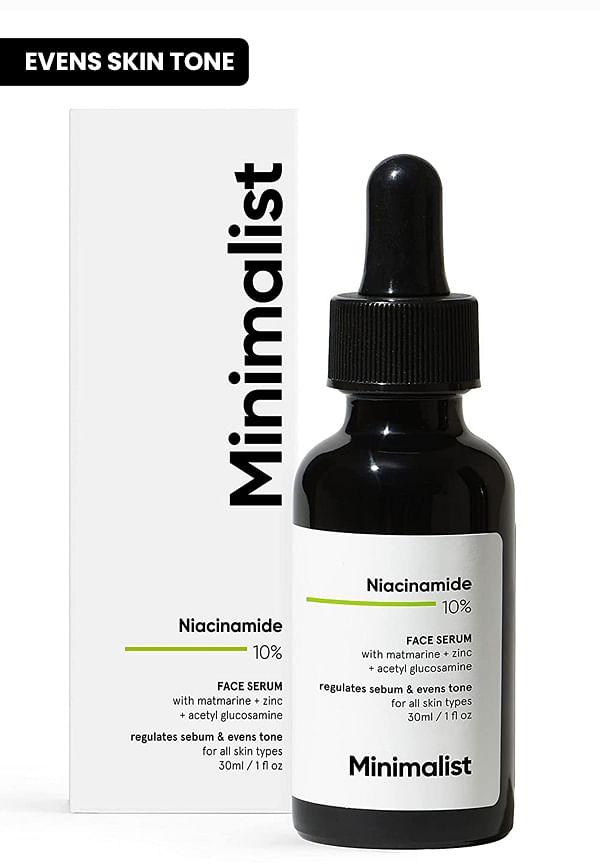
10% Niacinamide Face Serum for Acne Marks
True purging from niacinamide is rare, but some people experience slight irritation when first starting, especially with higher concentrations. If this happens, reduce application to every other day until your skin adjusts. Persistent irritation usually indicates the concentration is too high for your current skin tolerance.
Most people notice initial oil control improvements within 2-4 weeks of consistent use, with optimal results appearing after 8-12 weeks as niacinamide normalises sebaceous gland function. The key is patience and consistency — this isn't an overnight transformation but rather a gradual retraining of your skin.
Brief initial shininess can occur as your skin adjusts to the new product, but true worsening of oiliness usually indicates the concentration is too high or there's a product incompatibility. If your skin becomes significantly more oily after starting niacinamide, consider reducing the frequency or concentration.
10% can be highly effective for oily skin, but it's wise to start with 5% to assess your tolerance. Higher concentrations don't always mean better results — some people achieve excellent oil control with lower percentages and experience irritation with stronger formulations.
Yes, niacinamide is gentle enough for twice-daily use and often more effective with consistent application. Many people with oily skin find that morning and evening application provides the best oil control throughout the day.
Niacinamide offers gentler, long-term oil regulation whilst salicylic acid provides immediate pore clearing and exfoliation. They actually work beautifully together — niacinamide for overall oil control and barrier support, salicylic acid for targeted pore clearing when needed.
Understanding how niacinamide controls oily skin reveals why it's become such a beloved ingredient among skincare enthusiasts and dermatologists alike. Its gentle yet effective approach to sebum control, combined with barrier-strengthening and anti-inflammatory properties, makes it an ideal choice for anyone struggling with excess oil production.
The beauty of niacinamide lies in its versatility and compatibility with other ingredients, allowing you to build a comprehensive routine that addresses multiple skin concerns simultaneously. Whether you're dealing with pure oily skin or combination skin with an oily T-zone, niacinamide can be adapted to suit your specific needs.
Remember, consistency is key with niacinamide. The ingredient works by gradually retraining your skin's oil production, which means the most dramatic results come to those who stick with it long-term. Start with a lower concentration if you're new to active ingredients, and don't be afraid to experiment with different formulations to find what works best for your skin.
For those curious about trying niacinamide products from trusted brands, Smytten's curated selection includes options from dermatologist-recommended brands, allowing you to explore different formulations and concentrations. With over 28 million users discovering their perfect skincare matches through trial sizes, it's a smart way to test products before committing to full sizes — particularly valuable when you're building an effective oil-control routine.
