How Niacinamide Absorption Works: Formulation Factors Explained


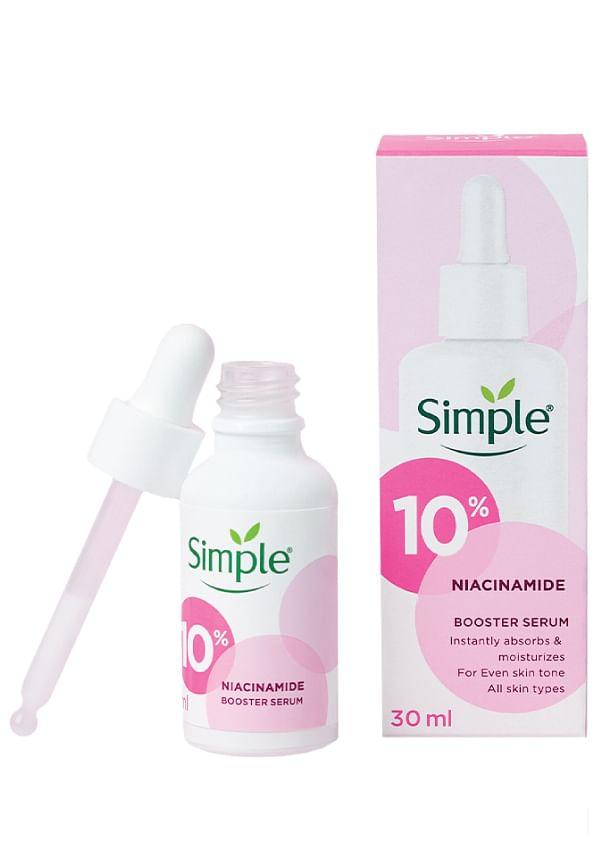
Booster Serum 10% Niacinamide For Even Skin Tone
Ever wondered why some niacinamide serums leave your skin glowing whilst others barely make a dent? The secret lies in the science of niacinamide absorption and formulation factors explained. It's not just about slapping vitamin B3 onto your face and hoping for the best. The way this powerhouse ingredient penetrates your skin depends on a complex dance of molecular chemistry, pH levels, and delivery systems that most brands don't talk about. Let's dive into the fascinating world of how your skin actually processes this beloved skincare ingredient and what makes certain formulations absolutely worth obsessing over.
Before we get into the nitty-gritty of absorption, let's chat about what makes topical niacinamide such a game-changer. This water-soluble form of vitamin B3 is basically the Swiss Army knife of skincare ingredients—it multitasks like nobody's business.
Unlike its cousin niacin (which can cause that annoying flushing), niacinamide plays nice with your skin. Its molecular structure is perfectly sized to slip through your skin barrier without causing drama. The water-soluble nature means it dissolves easily in serums and gels, making it super versatile for different niacinamide formulation types.
Real talk—the niacinamide benefits list is pretty impressive. Here's what this ingredient brings to the table:
Sebum regulation: Perfect for oily skin types and niacinamide for acne concerns
Barrier strengthening: Helps your skin hold onto moisture better
Hyperpigmentation reduction: Gradually fades dark spots and uneven tone
Anti-inflammatory properties: Calms redness and irritation
Pore minimisation: Makes enlarged pores appear smaller over time
Now here's where things get properly interesting. Understanding how skin absorption actually works helps explain why some products deliver results whilst others don't.
Your skin isn't just going to let any old ingredient waltz right in. The stratum corneum (your skin's outermost layer) acts like a bouncer at an exclusive club. Niacinamide can take two main routes: between the cells (intercellular) or straight through them (transcellular). The molecular size of niacinamide—around 122 daltons—is small enough to use both pathways effectively.
Once niacinamide gets past the bouncer, it converts into NAD+ (nicotinamide adenine dinucleotide), which is basically cellular fuel. This conversion happens through specific enzymes in your skin cells, and it's time-dependent—meaning consistent use matters more than occasional application.
Several things can make or break absorption rates. Your skin's pH level, how hydrated it is, and even your individual skin type all play a role. Damaged or compromised skin barriers actually absorb niacinamide more readily, which is why it works so well for problematic skin.
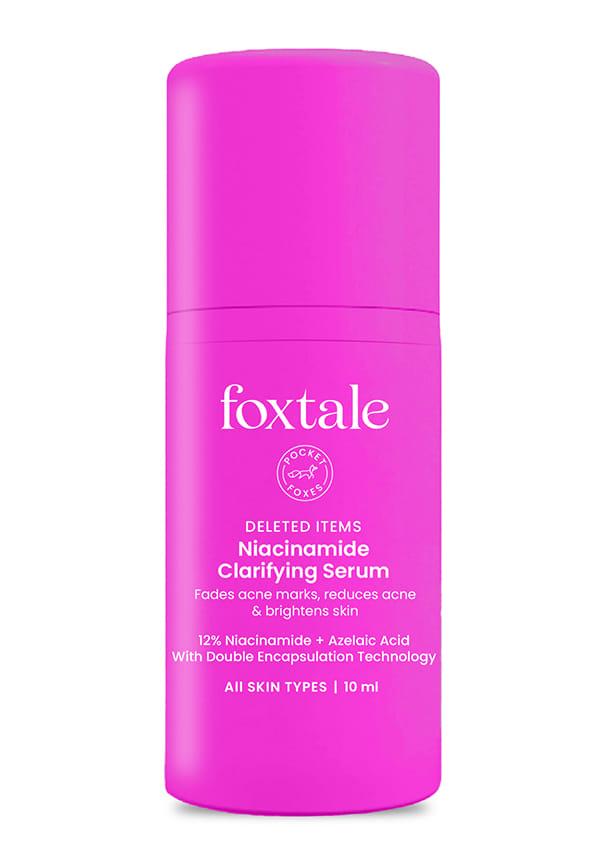
Niacinamide Clarifying Serum
Good for Face Smoothening
 5
5“nice for face smoothening and non sticky”
Good for Oily Skin
4“this product is very good for oily skin”
Good Product, Must Try
5“product is good must try product”
This is where the magic happens—and where most brands either nail it or completely miss the mark. The formulation science behind effective niacinamide products is more complex than you might think.
Here's something that might surprise you: more isn't always better. Research shows that niacinamide concentration between 2-10% hits the sweet spot. Going higher doesn't necessarily mean better results—in fact, concentrations above 10% can sometimes trigger irritation without additional benefits. The 5% mark seems to be the goldilocks zone for most skin types.
Niacinamide is happiest when the pH sits between 5.0-7.0. Too acidic or too alkaline, and the ingredient becomes unstable or less effective. Smart formulators use buffering systems to maintain this optimal pH range throughout the product's shelf life.
The delivery system can make or break a niacinamide serum. Water-based serums typically offer the fastest absorption, whilst cream formulations provide slower, sustained release. Gel textures often strike a nice balance between the two.
Let's get into the technical stuff that separates amateur formulations from professional-grade products. These details might seem boring, but they're what determine whether your serum actually works.
Niacinamide dissolves beautifully in water, but it's heat-sensitive. Quality formulations use cold-processing methods to prevent degradation. Some brands also add specific solubilisers to ensure the niacinamide stays dissolved and doesn't crystallise over time.
Smart formulators pair niacinamide with ingredients that enhance its absorption and efficacy. Hyaluronic acid helps with hydration, whilst zinc can boost the sebum-regulating effects. However, certain combinations (like high-concentration vitamin C) can cause instability issues.
The texture of your serum affects how well it penetrates. Lightweight, fast-absorbing formulations typically use specific humectants and film-forming agents that help pull the niacinamide deeper into the skin without leaving a sticky residue.
Whilst niacinamide is generally well-tolerated, understanding potential niacinamide side effects helps you choose better formulations and use them more effectively.
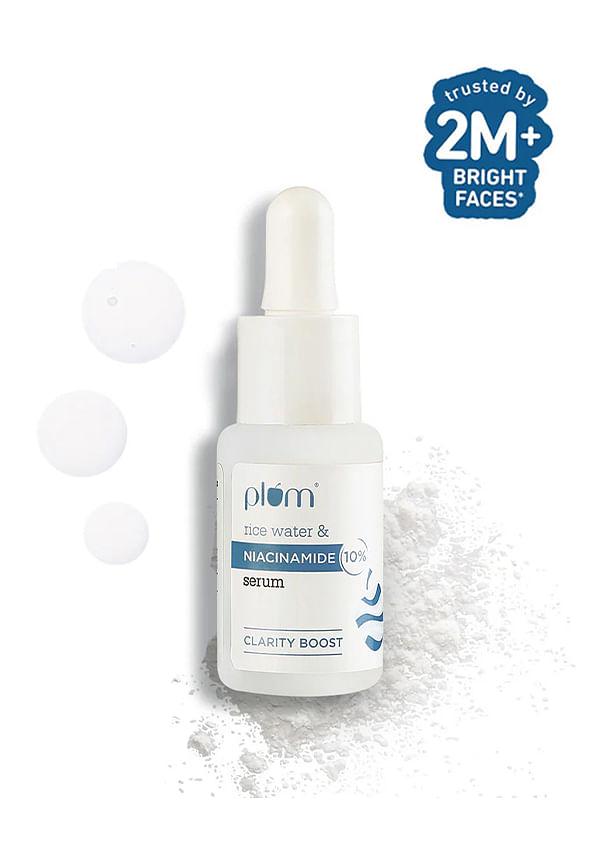
10% Niacinamide Face Serum For Clear Skin | Fades Blemishes| With Rice Water
Instant Skin Brightening
4“this serum instantly brightens my skin when I apply”
Instant Skin Brightening
4“this serum instantly brightens my skin when I apply”
Best Serum for Glow and Clear Skin
5“the bestest serum I ever had loving it ❤️😍 it gives you glow and clear your skin 😁”
Most side effects stem from poor formulation rather than the niacinamide itself. Irritation, redness, or breakouts often result from unstable formulations, incorrect pH levels, or incompatible ingredient combinations.
Quality formulations include soothing ingredients like allantoin or panthenol to counteract any potential irritation. Starting with lower concentrations and gradually building up also helps your skin adjust to the ingredient.
Reputable brands conduct extensive stability testing to ensure their niacinamide doesn't degrade into nicotinic acid (which causes flushing). Proper packaging—like dark bottles or airless pumps—also protects the formulation from degradation.
The science backing niacinamide is solid, with numerous peer-reviewed studies demonstrating its efficacy. Most research focuses on concentrations between 2-5%, with consistent daily application over 8-12 weeks showing significant improvements in niacinamide skin benefits.
Clinical studies consistently show that well-formulated niacinamide products can reduce sebum production by up to 30% and improve skin barrier function within 4 weeks. The key is consistent formulation quality and appropriate concentration levels.
Emerging technologies like microencapsulation and liposomal delivery systems are showing promise for enhanced niacinamide penetration. These advanced delivery methods could potentially reduce the concentration needed whilst maintaining efficacy.
Current research is exploring personalised formulation approaches based on individual skin microbiome profiles and genetic factors that affect vitamin B3 skincare metabolism.
Most well-formulated niacinamide serums absorb within 5-10 minutes. The molecular conversion process continues for several hours after application, which is why morning application often works well for all-day benefits.
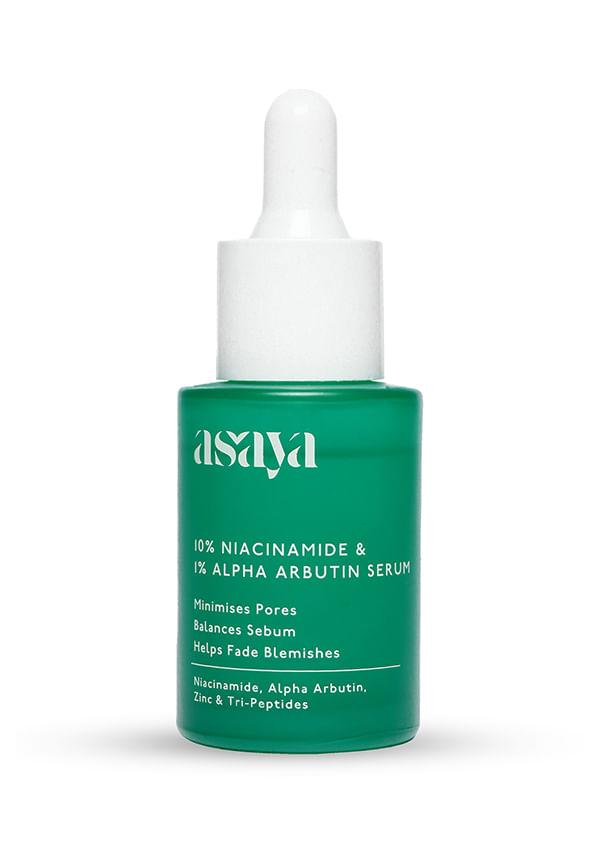
10% Niacinamide & 1% Alpha Arbutin Face Serum
Pleasant scent, glowing skin
5“Loved the smell and it gives a glow on the skin”
Excellent for Oily Skin
4“i purchased a 2nd bottle of this. it suits me very well. for oily and combination skin it's best”
Effective Acne Serum
5“it's very good serum gives acne free skin”
For acne-prone skin, 5% niacinamide concentration typically provides optimal results without irritation. Higher concentrations don't necessarily mean better acne control and may cause sensitivity.
Niacinamide plays well with most ingredients, including retinol, hyaluronic acid, and peptides. However, mixing with high-concentration vitamin C (above 15%) in the same formulation can cause instability.
Look for products with 2-10% niacinamide, stable packaging, and complementary ingredients. Avoid formulations that feel sticky, have visible crystals, or cause immediate irritation upon application.
Formulation quality, pH stability, concentration accuracy, and delivery system all impact effectiveness. Products that absorb quickly without residue and don't cause irritation typically indicate superior formulation.
Apply to slightly damp skin for optimal absorption. The moisture helps with penetration whilst preventing the serum from sitting on the surface.
Redness, stinging, burning, or increased breakouts within 24-48 hours of use may indicate sensitivity. This is often due to poor formulation rather than the niacinamide itself.
Most people can tolerate 10% niacinamide daily, but starting with lower concentrations and building up is safer. Some skin types may find 5% more suitable for daily use.
Start with 2-5% concentration, patch test first, apply to clean skin, and follow with moisturiser. If irritation occurs, reduce frequency or switch to a lower concentration.
Understanding niacinamide absorption and formulation factors isn't just skincare nerd territory—it's the key to choosing products that actually deliver results. The science shows that concentration, pH stability, delivery system, and ingredient synergy all matter more than flashy marketing claims. When you know what to look for, you can spot the difference between a well-formulated serum and one that's all hype.
This is where platforms like Smytten become absolutely brilliant for skincare enthusiasts. As India's largest product discovery and trial platform, Smytten connects you with over 1,500 trusted brands including skincare favourites like Cetaphil and Dot & Key. Instead of gambling with full-size niacinamide products, you can try curated trial packs to test how different formulations work with your skin. With trial minis available for just ₹249 (and 100% cashback redeemable for future orders), you can explore various niacinamide serums without the financial risk. After all, why settle for maybe when you can try it all and find the formulation that's perfectly suited to your skin's needs?
