How Many Times a Week Should You Use Chemical Exfoliants?


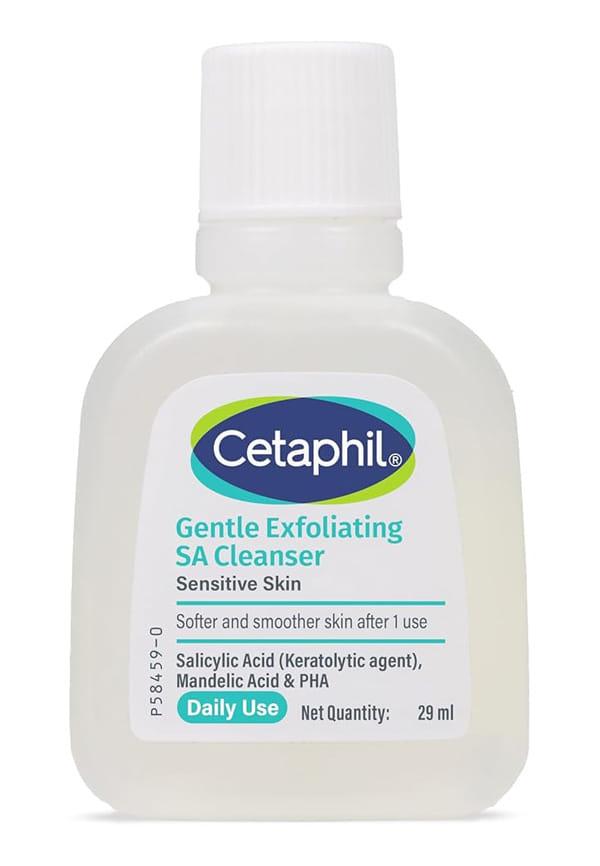
Gentle Daily Exfoliating Cleanser With Salicylic Acid For Oily Acne Prone Skin
Good for Oily & Acne Skin
 4
4“i really like this product good for oily and acne skin”
Good for Oily & Acne Skin
4“i really like this product good for oily and acne skin”
Good for Oily & Acne Skin
4“i really like this product good for oily and acne skin”
Chemical exfoliants work by dissolving the bonds between dead skin cells, allowing them to shed naturally rather than accumulating on your skin's surface. Unlike physical scrubs that manually buff away dead skin, chemical exfoliants penetrate deeper into pores and work at a cellular level. This is why frequency matters so much—you're essentially controlling how often your skin undergoes this renewal process.
The magic happens through acids that target different layers of your skin. AHAs (alpha hydroxy acids) work primarily on the skin's surface, making them brilliant for addressing dullness and fine lines. BHAs (beta hydroxy acids) are oil-soluble, so they dive deep into pores to clear out sebum and debris—perfect for acne-prone skin. The concentration and pH of these acids determine how frequently you can use them without irritation.
AHAs like glycolic acid are the powerhouses of the exfoliant world, offering dramatic results but requiring careful frequency management. Lactic acid provides gentler exfoliation, making it suitable for sensitive skin types. Salicylic acid, the star BHA, excels at managing acne and can often be used more frequently than AHAs. PHAs (polyhydroxy acids) offer the mildest exfoliation and can typically be used daily once your skin adjusts.
Research consistently shows that moderate, consistent use of chemical exfoliants produces better results than aggressive, sporadic application. Your skin's natural renewal cycle takes about 28 days, and chemical exfoliants work best when they support—rather than disrupt—this process.
For beginners, start with once weekly applications and observe how your skin responds over 2-3 weeks. If you experience no irritation, you can gradually increase to twice weekly. Experienced users who've built tolerance can typically handle 2-4 times per week, depending on the specific acid and concentration. Daily use is possible with very gentle formulations or PHAs, but it's rarely necessary for most skin concerns. Clinical evidence suggests that using chemical exfoliants 2-3 times weekly is a safe and effective starting point for many.
Normal skin typically thrives with 2-3 weekly applications of most chemical exfoliants. Oily and acne-prone skin can often handle more frequent use—up to 3-4 times weekly—especially with salicylic acid. Dry or sensitive skin should limit use to 1-2 times weekly and opt for gentler acids like lactic acid or mandelic acid. Mature skin benefits from consistent 2-3 times weekly use, as it helps accelerate cell turnover that naturally slows with age.
Different acids have different strengths and penetration levels, which directly impacts how often you should use them. Understanding these differences helps you create a routine that maximises benefits whilst minimising irritation risk.
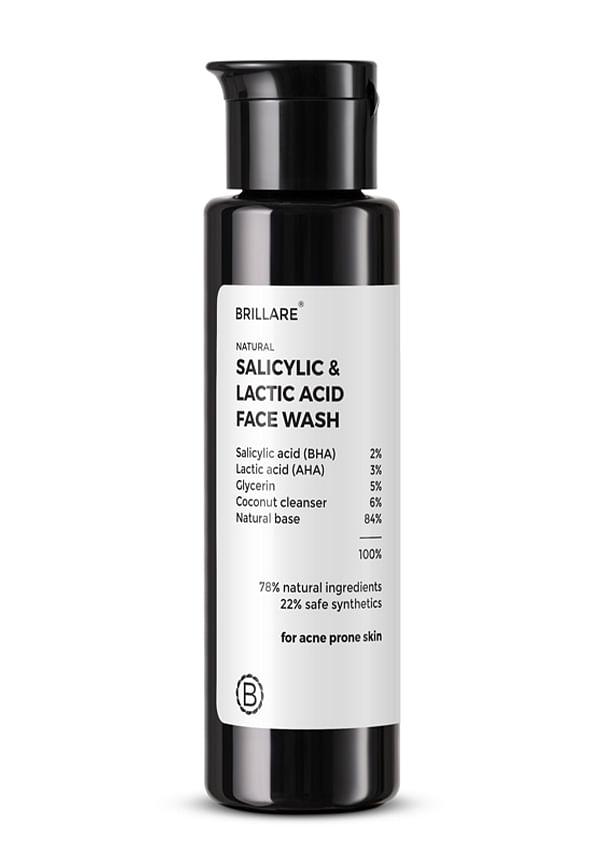
Salicylic & Lactic Acid Face Wash For Clear, Purified, Acne Prone Skin
Good Product, Loved It
5“It's a good product I loved it”
Loved the products
4“loved the products it was so nice”
Loved the products
4“loved the products it was so nice”
Glycolic acid's small molecular size allows deep penetration, making it incredibly effective but potentially irritating. Start with 2-3 times weekly for concentrations between 5-10%. Higher concentrations (10%+) should be used less frequently—perhaps 1-2 times weekly initially. Signs you're using glycolic acid too often include persistent redness, stinging sensations, and increased sensitivity to other products.
Salicylic acid is generally well-tolerated and can be used 2-4 times weekly for most people with acne-prone skin. Some experienced users can handle daily use, especially with lower concentrations (0.5-1%). The oil-soluble nature of salicylic acid makes it less likely to cause surface irritation compared to AHAs, but overuse can still lead to dryness and peeling.
Lactic acid offers effective exfoliation with less irritation potential, making it suitable for 2-3 times weekly use for most skin types. Its larger molecular size means gentler penetration, and it has natural humectant properties that help maintain skin moisture. This makes it an excellent choice for those with sensitive skin or anyone new to chemical exfoliation.
Your skin provides clear signals about whether your chemical exfoliant frequency is on track. Learning to read these signs prevents both under-exfoliation (which limits results) and over-exfoliation (which can damage your skin barrier).
Redness and irritation that persists beyond the first few minutes after application indicates you're overdoing it. Increased breakouts might seem counterintuitive, but over-exfoliated skin often becomes more prone to irritation-induced acne. Burning sensations during application, especially with products that previously felt comfortable, signal compromised skin barrier function. Excessive dryness or flaking beyond normal exfoliation effects suggests you need to reduce frequency or take a break entirely.
Persistent dullness despite consistent product use suggests you might benefit from slightly more frequent application. Clogged pores and blackheads that don't improve after 4-6 weeks of regular use might indicate insufficient exfoliation frequency. Poor product absorption—when serums and moisturisers seem to sit on your skin's surface rather than absorbing—often means dead skin buildup that more frequent exfoliation could address.
Proper application technique and timing can significantly impact how often you can safely use chemical exfoliants. These practices help maximise benefits whilst protecting your skin barrier.
Evening application is generally preferred for most chemical exfoliants due to increased photosensitivity. Apply to clean, dry skin and wait 10-15 minutes before layering other products to allow proper penetration. Start with lower concentrations and build up gradually—your skin's tolerance will improve over time, allowing for more frequent use if desired.
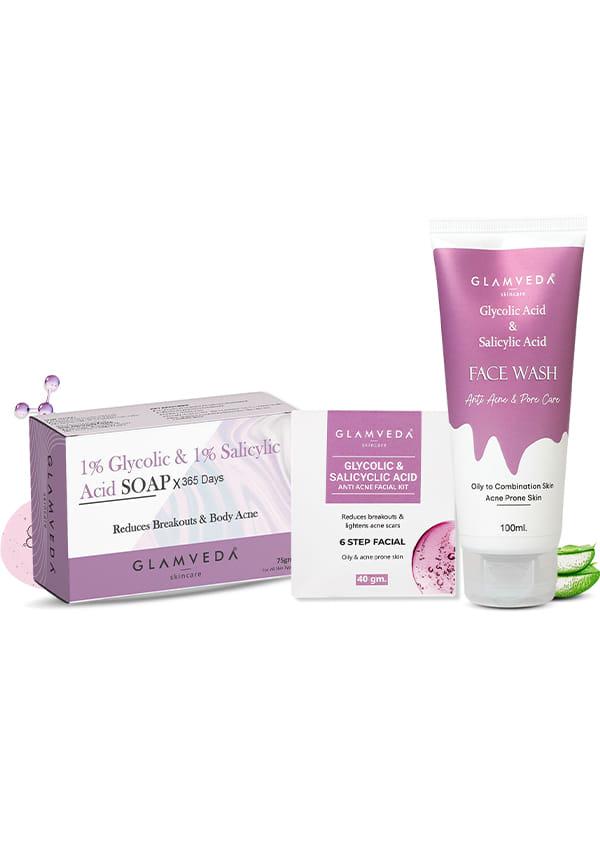
1% Glycolic Acid & 1% Salicylic Acid Anti-Acne Kit
Never skip SPF the day after using chemical exfoliants, as your skin will be more vulnerable to UV damage. Avoid combining with retinol, vitamin C (in some cases), or other active ingredients on the same night unless specifically formulated together. Skip intense physical activities immediately after application, as sweating can increase irritation risk. It is also advisable to avoid using chemical exfoliants if you are pregnant or breastfeeding, or if you are taking certain medications that may interact with them, without consulting a healthcare professional.
Product | Skin Type | Main Concern | Key Ingredients | Price Range (INR) | Recommended Frequency |
|---|---|---|---|---|---|
Plum 1% Salicylic Acid & Blueberry Gel Face Wash | Oily, Acne-prone, Sensitive | Gentle daily BHA exfoliation | Encapsulated Salicylic Acid (1%), Blueberry Extract, Prebiotics | Mid-range | Daily to every other day |
Dot & Key Cica 2% Salicylic Acid Face Wash | Oily, Acne-prone with redness | Inflamed acne, oil control | Salicylic Acid (2%), Cica, Green Tea Extract | Mid-range | 2-3 times weekly |
The Face Shop Tea Tree Pore Clarifying Gel Cleanser | Oily, Combination, Sensitive | Multi-acid exfoliation with hydration | AHA, IP-BHA, PHA, Hyaluronic Acid | Mid-range | 2-4 times weekly |
The Derma Co. Gentle Daily Exfoliating Cleanser | All types, especially sensitive | Daily exfoliation without irritation | Salicylic Acid, Mandelic Acid, Gluconolactone | Premium | Daily (as tolerated) |
Cetaphil Gentle Daily Exfoliating Cleanser | Sensitive, Dry, Normal | Gentle exfoliation for barrier-compromised skin | Salicylic Acid, Mandelic Acid, Niacinamide | Premium | Daily to every other day |
Creating a sustainable routine requires understanding your skin's unique needs and response patterns. The goal is consistency over intensity—regular, moderate use produces better long-term results than sporadic aggressive treatments.
For normal skin: Try Monday, Wednesday, Friday applications with your chosen chemical exfoliant. For oily, acne-prone skin: Consider Monday, Tuesday, Thursday, Saturday for more frequent treatment. For sensitive skin: Start with Wednesday and Saturday only, increasing gradually if well-tolerated. Always leave at least one day between applications initially to assess your skin's response.
Retinol and chemical exfoliants should typically be used on alternating nights to prevent over-irritation. Vitamin C can sometimes be used in the morning whilst chemical exfoliants are used at night, but monitor for any increased sensitivity. Professional treatments like facials or chemical peels may require temporarily reducing your at-home exfoliant frequency for 1-2 weeks before and after.
Understanding the benefits helps you appreciate why finding the right frequency is crucial. Chemical exfoliants offer both immediate and cumulative benefits, but only when used consistently at appropriate intervals.
Immediate benefits include smoother texture, reduced appearance of pores, and enhanced product absorption. Long-term benefits develop over 8-12 weeks of consistent use and include improved skin tone, reduced hyperpigmentation, and better overall skin health. Acne prevention occurs through regular pore-clearing action, whilst anti-ageing effects result from stimulated cell turnover and collagen production.
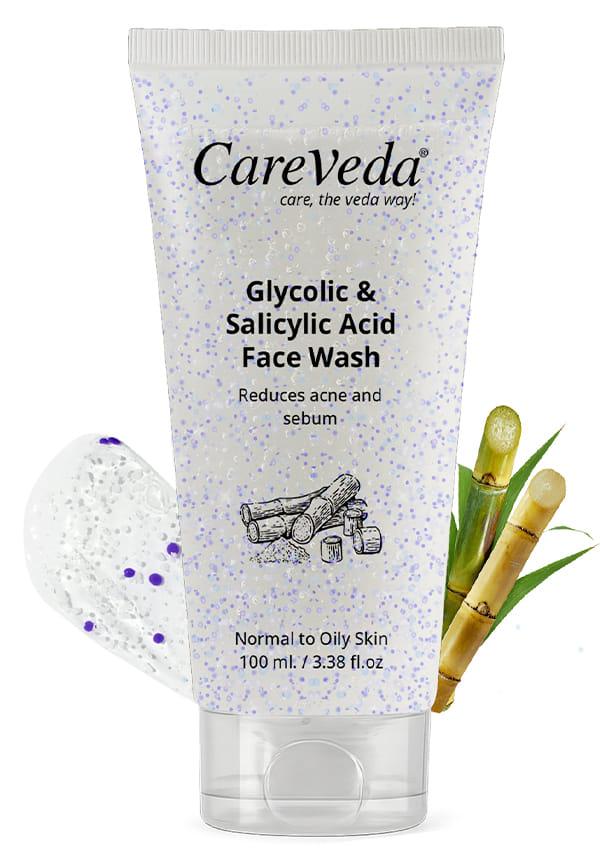
Glycolic & 1% Salicylic Acid Face Wash for Acne & Oil Control
Cover changed from pic
4“cover has changed from pic I don't used yet..”
The sweet spot for most people lies in 2-3 times weekly use with a well-formulated product suited to their skin type. This frequency allows for significant benefits whilst maintaining skin barrier integrity. Consistent moderate use consistently outperforms aggressive routines in clinical studies, producing better results with fewer side effects.
Start with once weekly for the first 2-3 weeks to assess tolerance. If your skin responds well without irritation, gradually increase to twice weekly. Never jump straight into daily use—your skin needs time to build tolerance to chemical exfoliants.
For most skin types, 3 times weekly is perfectly appropriate once tolerance is established. However, this depends on the specific acid, concentration, and your individual skin sensitivity. Oily, resilient skin often handles this frequency well, whilst sensitive skin might find it excessive.
Daily use is possible with very gentle formulations (like low-concentration lactic acid or PHAs) or products specifically designed for daily use. However, most people achieve excellent results with 2-4 times weekly use, and daily application isn't necessary for optimal benefits.
Acne-prone skin typically benefits from 2-4 times weekly chemical exfoliation, particularly with salicylic acid. Start conservatively and increase frequency gradually. Remember that over-exfoliation can actually worsen acne by irritating the skin and disrupting the barrier function.
Evening application is generally preferred for chemical exfoliants due to increased photosensitivity. This allows your skin to recover overnight and ensures you can apply SPF properly the following morning. Some gentle daily exfoliants can be used in the morning, but always follow with broad-spectrum SPF.
Watch for persistent redness, stinging sensations, increased breakouts, excessive dryness, or heightened sensitivity to products that previously felt comfortable. If you experience any of these signs, reduce frequency or take a complete break until your skin barrier recovers. When trying new chemical exfoliants, Smytten's trial-sized options allow you to test products without committing to full sizes, helping you find the right frequency for your skin.
Finding the right chemical exfoliant frequency is about balance—enough to see results, but not so much that you compromise your skin barrier. Most people achieve optimal results with 2-3 times weekly use, though this can vary based on skin type, product strength, and individual tolerance. Start conservatively, build tolerance gradually, and always listen to your skin's signals. Remember that consistency trumps intensity every time. A moderate routine maintained over months will give you better results than aggressive treatments that leave your skin irritated and compromised.
Discovering your perfect chemical exfoliant routine doesn't have to involve expensive trial and error with full-sized products. Smytten is India's largest product discovery and trial platform, connecting consumers with top lifestyle, beauty, wellness, and grooming brands through curated trial packs from over 2,400 trusted brands including Cetaphil, Dot & Key, The Derma Co., and Plum. This try before you buy approach lets you explore different chemical exfoliants and find your ideal frequency without committing to full-size purchases. With trial packs available across India's largest minis collection, you can test various formulations to discover what works best for your skin type and concerns. The platform offers 100% cashback on trials, making product discovery both affordable and rewarding—because why settle for 'maybe' when you can #TryItAll and find your perfect chemical exfoliant routine with confidence.
