How Long Does Niacinamide Take to Fade Acne Marks?

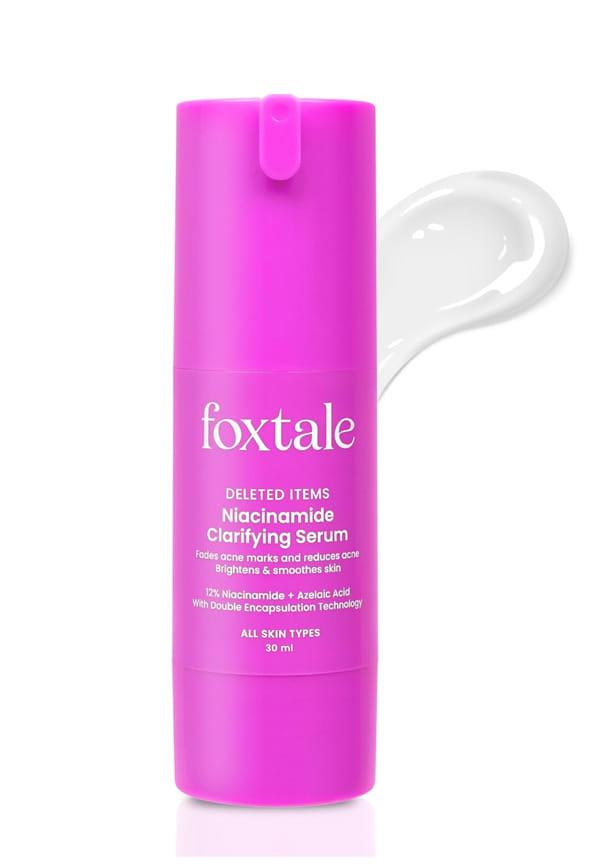
12% Niacinamide Serum with Azelaic Acid for Oil Control & Brightening
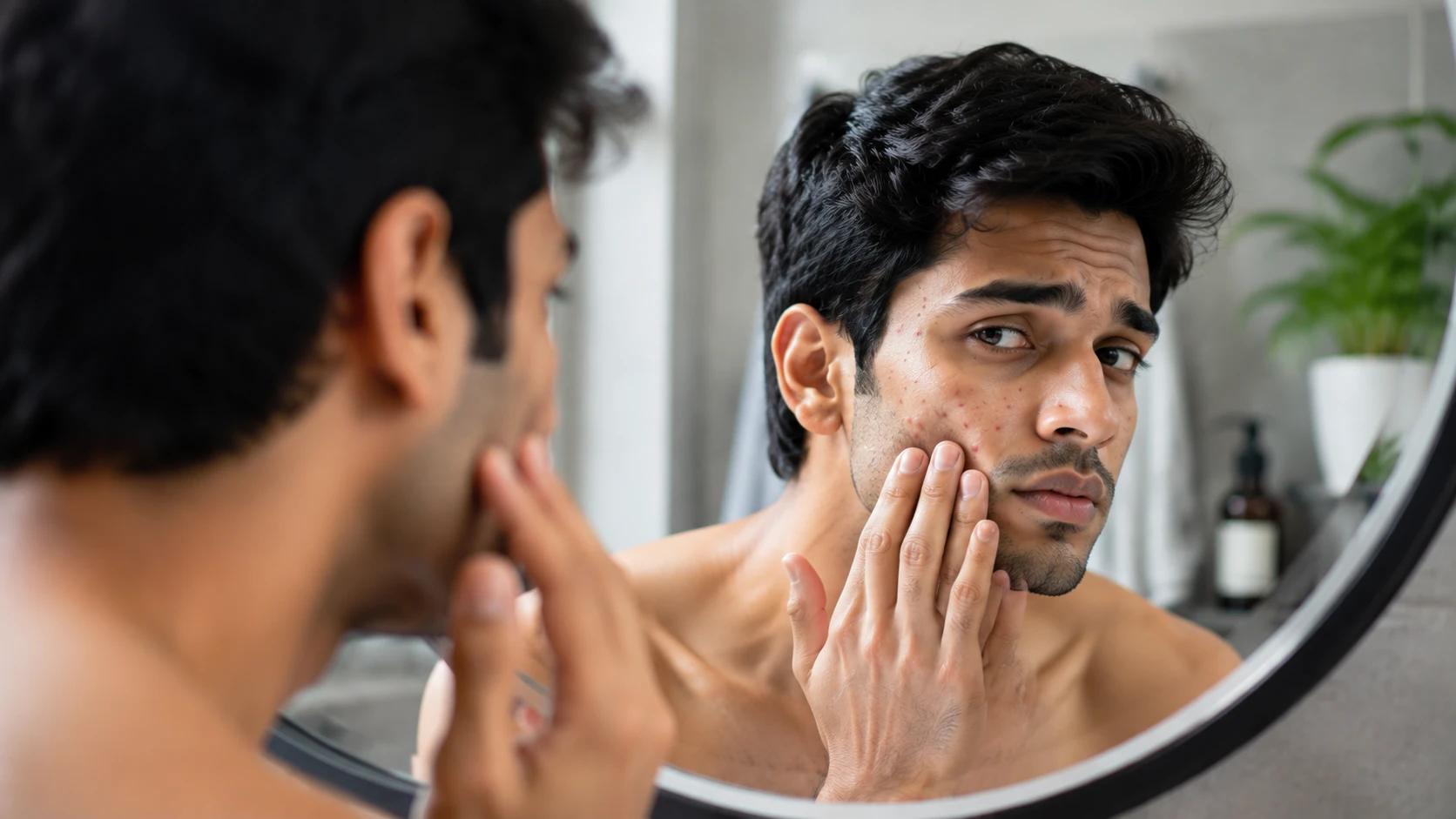
You've finally got your acne under control, but those stubborn dark marks are still staring back at you in the mirror. Sound familiar? Post-acne marks can feel like the unwelcome guests that overstay their welcome, long after the breakouts have cleared. If you've been researching niacinamide for acne marks, you're probably wondering: how long does this ingredient actually take to work? The honest answer isn't as straightforward as you might hope, but understanding the realistic timeline can help set proper expectations for your skincare journey.
Before diving into timelines, it's crucial to understand what you're actually dealing with. Not all acne marks are created equal, and niacinamide works differently on various types of post-acne concerns.
The terms "acne marks" and "acne scars" are often used interchangeably, but they're quite different. Acne marks are flat discolourations that appear after a breakout heals – these include post-inflammatory hyperpigmentation (PIH) and post-inflammatory erythema (PIE). PIH shows up as brown or dark spots, particularly common on deeper skin tones, whilst PIE appears as red or pink marks, more visible on lighter complexions.
Acne scars, on the other hand, involve actual changes to skin texture – think ice pick scars, boxcar scars, or rolling scars. These create indentations or raised areas on the skin's surface. Here's where expectations matter: niacinamide for acne scars that involve texture changes has limited effectiveness, whilst it can be quite helpful for flat pigmentation marks.
The niacinamide benefits for skin extend far beyond just fading marks. This form of vitamin B3 works as a multitasker, regulating melanin production to prevent new dark spots whilst helping existing ones fade more quickly. For niacinamide for hyperpigmentation, the ingredient inhibits the transfer of melanin to skin cells, essentially putting the brakes on the darkening process.
Additionally, niacinamide for redness works through its anti-inflammatory properties, calming irritated skin and reducing the inflammatory response that can worsen both active breakouts and the marks they leave behind. It also strengthens the skin barrier, helping your complexion heal more effectively.
Now for the question you've been waiting for: how long for niacinamide to work on those pesky marks? The timeline varies significantly based on several factors, but here's what research and real-world experience tell us.
Weeks 2-4: You'll likely notice improvements in overall skin texture and reduced oiliness first. If you're dealing with red marks, niacinamide for redness often shows results in this timeframe, with inflammation calming down and angry red spots becoming less pronounced. Your skin might also feel smoother and look more even-toned overall.
Weeks 4-8: This is when fresh acne marks typically start showing visible improvement. How long for niacinamide to work on newer PIH (marks less than six months old) usually falls within this window. You might notice dark spots becoming lighter and less defined around the edges.
Months 3-6: Stubborn, established pigmentation requires patience. Older marks that have been on your skin for months or years need consistent, long-term treatment. Don't expect overnight miracles, but steady improvement is realistic with dedicated use.
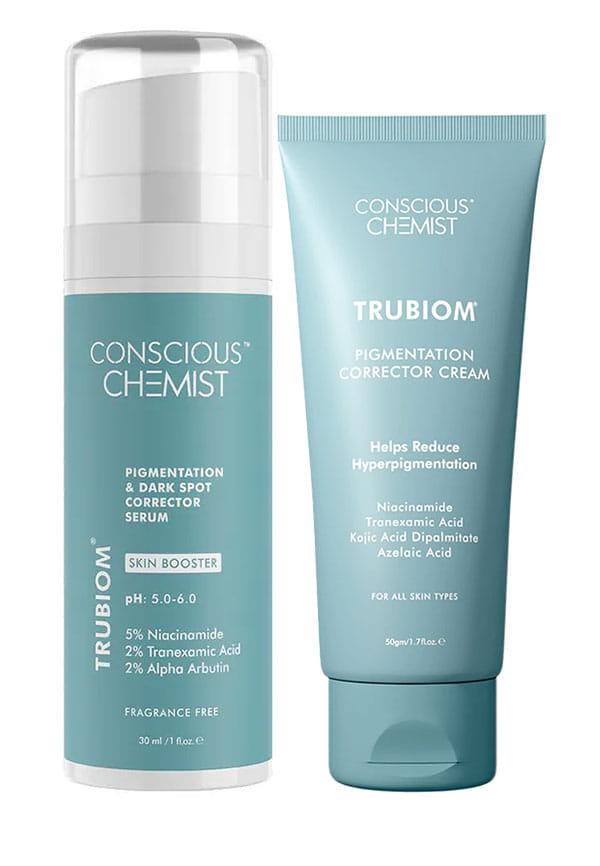
Niacinamide Serum + 1% Zinc & Pigmentation Corrector Moisturiser For Dark Spots Combo
Several variables influence how quickly you'll see results. Your skin type plays a significant role – those with naturally faster cell turnover might see improvements sooner. The age and severity of marks matter tremendously; fresh marks from a recent breakout will fade faster than spots that have been camping out on your face for years.
The concentration and formulation of your niacinamide serum also impact effectiveness. Higher concentrations (around 10%) might work faster, but they can also cause irritation in sensitive skin. Consistency is absolutely crucial – sporadic use won't give you the results you're after.
Setting realistic expectations is key to avoiding disappointment and sticking with your routine long enough to see results. Niacinamide before and after transformations vary widely, but understanding typical patterns can help you gauge your progress.
For newer marks, niacinamide before and after results are generally more dramatic and faster to appear. You might see a 30-50% improvement in mark visibility within the first two months of consistent use. Fresh PIH responds particularly well because the melanin hasn't had time to become deeply embedded in the skin layers.
Red marks (PIE) often show improvement even sooner, sometimes within 2-4 weeks, as niacinamide's anti-inflammatory properties work to calm the dilated capillaries causing the redness. The progression typically follows a pattern: marks become less intense, then smaller, and finally blend more seamlessly with your natural skin tone.
Established dark spots require more patience and realistic expectations. A niacinamide serum for dark spots that have been present for over six months might only show 20-30% improvement even after several months of use. These older marks have had time to settle deeper into the skin, making them more resistant to topical treatments.
However, don't let this discourage you. Even gradual improvement is still improvement, and preventing new marks from forming is just as valuable as fading existing ones. Many users find that whilst individual spots might not disappear completely, their overall complexion becomes more even and radiant.
Not all niacinamide products are created equal, and choosing the right formulation can significantly impact your results. Understanding what to look for can help you make an informed decision.
The sweet spot for niacinamide concentration typically falls between 5-10%. Higher concentrations aren't necessarily better and can cause irritation, particularly for sensitive skin types. The best niacinamide serum for acne marks often includes complementary ingredients like zinc (which helps with oil control), hyaluronic acid (for hydration), or azelaic acid (for additional brightening power).
For those dealing with both acne marks and ongoing breakouts, the Foxtale 12% Niacinamide Serum with Azelaic Acid for Oil Control and Brightening offers a potent combination that addresses multiple concerns simultaneously. The addition of azelaic acid provides gentle exfoliation whilst niacinamide works on fading existing marks and preventing new ones from forming.
Look for serums with stable formulations that won't degrade quickly. Water-based serums tend to absorb better and layer well with other products, whilst oil-based options might be better for very dry skin types.
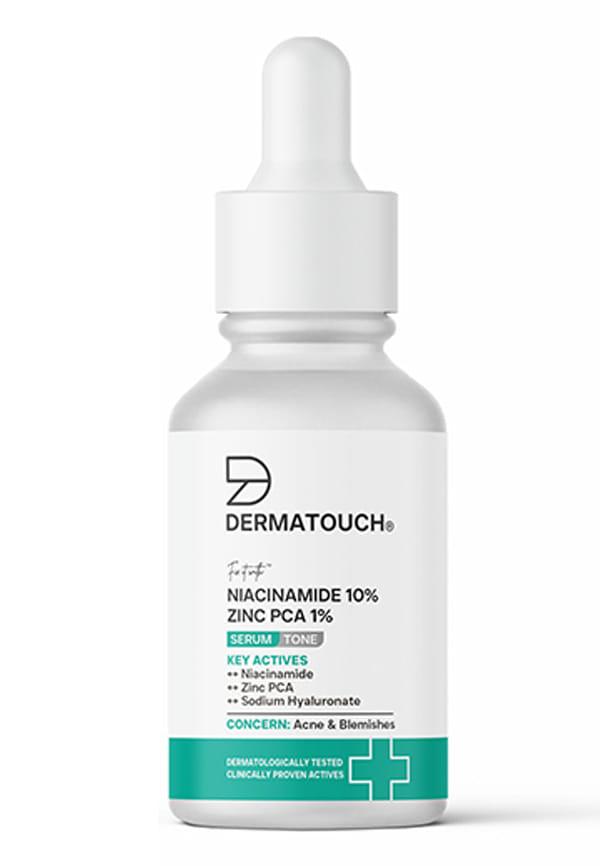
10% Niacinamide Serum for Acne & Blemishes, For Acne Prone skin
Proper application can make or break your results. When to see results from niacinamide often depends on how consistently and correctly you're using the product. Apply niacinamide to clean, dry skin, typically after cleansing but before heavier moisturisers or oils.
You can use niacinamide both morning and evening – it's one of the gentler actives that plays well with most other ingredients. However, if you're new to the ingredient, start with once daily application to assess your skin's tolerance.
Getting the most out of your niacinamide routine involves more than just applying the serum. Supporting habits and complementary ingredients can significantly enhance your results.
SPF is non-negotiable. UV exposure can darken existing marks and create new ones, essentially undoing your progress. A broad-spectrum SPF 30 or higher should be your daily companion, regardless of weather or season. This single habit can prevent your acne marks from getting worse whilst niacinamide works to fade them.
Gentle cleansing and adequate moisturising support your skin barrier, allowing niacinamide to work more effectively. Avoid harsh scrubs or over-cleansing, which can irritate the skin and potentially worsen pigmentation. Most importantly, resist the urge to pick at active breakouts – this trauma to the skin significantly increases the likelihood of developing stubborn marks.
Whilst niacinamide works well on its own, certain ingredient combinations can enhance results. Vitamin C in the morning paired with niacinamide in the evening can provide comprehensive brightening benefits. Despite old myths about these ingredients not mixing, they actually work quite well together when properly formulated.
Retinoids can accelerate cell turnover, helping marks fade faster, but introduce them slowly and carefully. Start with a low concentration retinol or retinyl palmitate, and always use them in the evening with proper sun protection the following day.
Whilst niacinamide is an excellent ingredient for acne marks, it's not a miracle cure. Understanding its limitations can help you make informed decisions about your skincare approach.
For those seeking faster or more dramatic results, professional treatments might be worth considering. Chemical peels, particularly those containing glycolic acid or salicylic acid, can accelerate the fading process by promoting faster cell turnover. Laser treatments and intense pulsed light (IPL) can target pigmentation more aggressively.
However, these treatments come with higher costs, potential downtime, and increased risk of side effects. They're best suited for those with severe pigmentation or those who haven't seen adequate improvement with topical treatments after 6-12 months of consistent use.
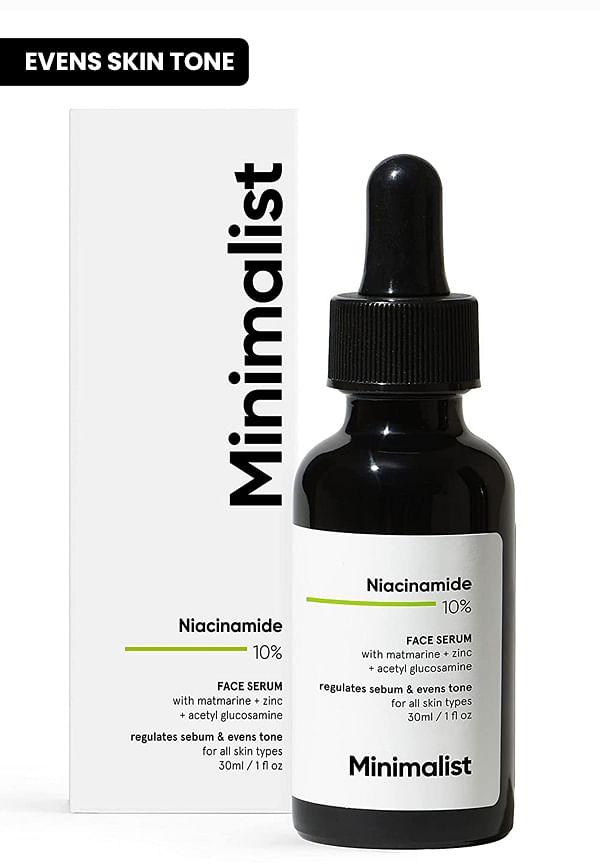
10% Niacinamide Face Serum for Acne Marks
It's important to maintain realistic expectations about what niacinamide can achieve. Whilst it's highly effective for many people, it won't completely erase all types of acne marks, particularly older, deeply embedded pigmentation or textured scars. Marketing claims of "complete scar removal" or "overnight results" should be viewed with healthy scepticism.
Remember that skincare is highly individual. What works dramatically for one person might show more subtle results for another, and that's completely normal. The key is consistency and patience.
Niacinamide is most effective on flat acne marks (post-inflammatory hyperpigmentation) rather than textured acne scars. For flat discolouration, results typically show within 4-8 weeks for fresh marks, whilst older pigmentation may take 3-6 months of consistent use. Textured scars require different treatments like professional procedures.
Complete removal depends entirely on the type of mark. Flat pigmentation marks may fade significantly or even completely with consistent treatment, whilst textured scars (ice pick, boxcar, rolling scars) typically require professional treatments like laser therapy or chemical peels for meaningful improvement.
Both ingredients serve different purposes. Niacinamide is gentler and better for sensitive skin, inflammation, and preventing new marks whilst gradually fading existing ones. Glycolic acid provides faster exfoliation and can accelerate mark fading, but may cause irritation. Many people benefit from using both in their routine.
Professional treatments like laser therapy, chemical peels, and microneedling typically provide the fastest results for both pigmentation and textured scars. For at-home care, retinoids combined with vitamin C or niacinamide tend to show results more quickly than single ingredients, though patience is still required.
Fresh hyperpigmentation (under 6 months old) typically shows improvement within 4-8 weeks of consistent niacinamide use. Established dark spots that have been present for months or years may require 3-6 months or longer to show significant fading. Consistency and sun protection are crucial for optimal results.
The journey to fading acne marks with niacinamide requires patience, consistency, and realistic expectations. Whilst you might start seeing improvements in skin texture and redness within 2-4 weeks, significant fading of dark spots typically takes 2-6 months depending on the age and severity of the marks. Remember that preventing new marks through gentle skincare practices and religious SPF use is just as important as treating existing ones.
Your skin's response to niacinamide will be unique to you, influenced by factors like your skin type, the age of your marks, and how consistently you use the product. Don't be discouraged if results seem slow – gradual improvement is still meaningful progress, and the anti-inflammatory benefits of niacinamide continue working even when visible changes aren't immediately apparent.
If you're curious about trying different niacinamide formulations but hesitant to commit to full-size products, Smytten offers an excellent way to explore various options through their curated selection of skincare minis. With over 28 million users discovering their perfect products through trial sizes, it's a smart approach to find what works for your unique skin before making larger investments in your routine.
