How Kojic Acid Works for Skin Whitening and Brightening


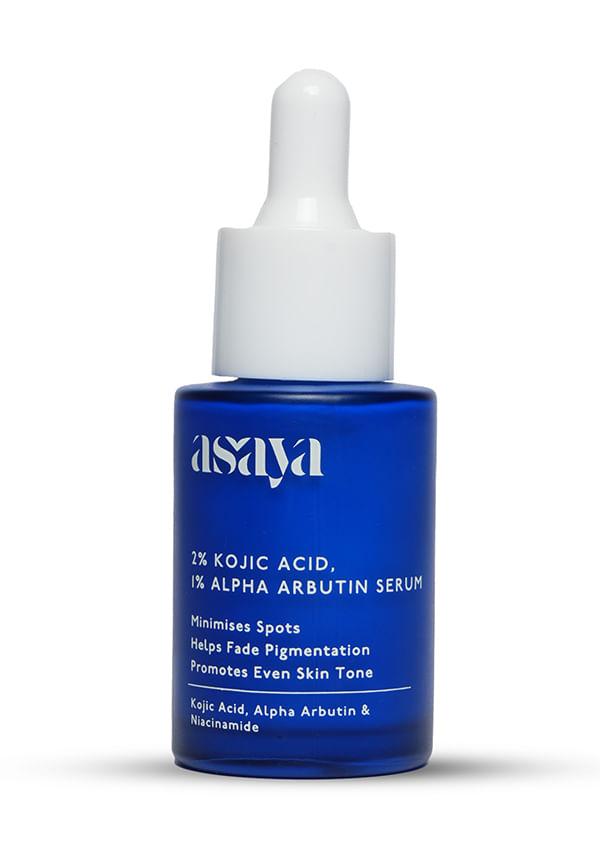
2% Kojic Acid & 1% Alpha Arbutin Face Serum
Ever wondered if kojic acid actually lives up to its reputation for skin whitening and brightening? You're not alone in this curiosity. With countless skincare enthusiasts raving about this ingredient, it's natural to question whether kojic acid truly delivers on its promises. Let's dive into the science behind this popular brightening agent and discover what it can realistically do for your skin. From understanding how it works to exploring the best products and timelines, we'll cover everything you need to know about kojic acid's role in achieving that coveted even-toned complexion.
Kojic acid is a natural compound derived from fungi, particularly those used in fermentation processes like sake production. This powerful ingredient has gained serious attention in the skincare world for its ability to address various pigmentation concerns. But what makes it so effective for skin brightening?
The magic lies in kojic acid's ability to inhibit tyrosinase, an enzyme crucial for melanin production. When this enzyme gets blocked, your skin produces less melanin, which means fewer dark spots and a more even skin tone over time. Think of it as putting the brakes on your skin's pigment factory.
Unlike harsh bleaching agents, kojic acid works gently by targeting the root cause of hyperpigmentation. It doesn't strip your skin of its natural colour but rather helps fade existing dark spots and prevents new ones from forming.
Here's where things get interesting. Kojic acid doesn't actually "whiten" your skin in the traditional sense. Instead, it brightens by evening out your natural skin tone and reducing the appearance of dark patches.
Let's be real about what kojic acid can and cannot do for your skin. This ingredient excels at treating specific types of pigmentation issues, but it won't change your natural skin colour. Understanding these limitations helps set realistic expectations for your skincare journey.
Kojic acid shows remarkable results for several pigmentation concerns. It's particularly effective against post-inflammatory hyperpigmentation from acne scars, age spots, and sun damage. Many users also find success using it for melasma treatment, though this condition often requires patience and consistent use.
Dark spots from sun exposure respond well to kojic acid treatment. The ingredient gradually fades these marks by preventing further melanin production in affected areas.
Post-acne marks often see improvement within weeks of consistent use. The key lies in starting treatment early, before these marks become deeply embedded in your skin.
Don't expect overnight miracles. Kojic acid works gradually, and results vary based on your skin type, the severity of pigmentation, and product concentration. Most people notice initial improvements after 2-4 weeks of regular use.
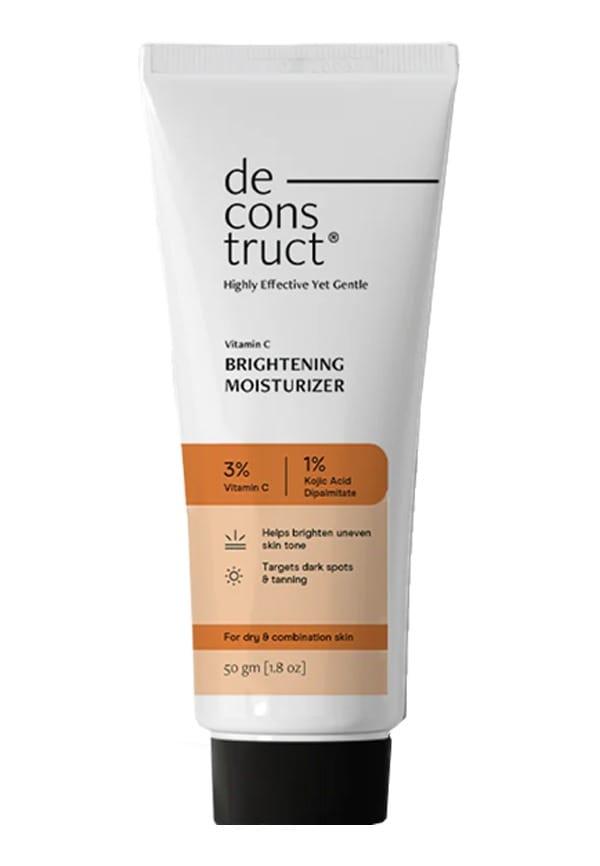
Niacinamide Brightening Moisturizer- 5% Niacinamide + 1% Kojic Acid + 5% Vitamin C + Vitamin E
Understanding the timeline helps manage expectations and keeps you motivated throughout your skincare journey. Kojic acid isn't a quick fix, but the gradual improvements make the wait worthwhile for most users.
During the first two weeks, your skin adjusts to the ingredient. You might not see dramatic changes yet, but your skin is preparing for the brightening process ahead. Some people experience mild irritation during this phase, which typically subsides as skin builds tolerance.
This is when things start getting exciting. Many users notice their dark spots beginning to fade, and overall skin tone appears more even. The changes might be subtle, but they're definitely there.
By this point, most people see substantial improvements in their skin's appearance. Dark spots become noticeably lighter, and uneven skin tone shows marked improvement. This is typically when the results become obvious to others too.
Your skin type plays a huge role in how quickly you see results. Sensitive skin might need a slower approach, while resilient skin types often tolerate higher concentrations better.
With countless kojic acid products flooding the market, choosing the right one can feel overwhelming. Each formulation offers unique benefits, and understanding these differences helps you make an informed choice for your specific skin needs.
Kojic acid serum typically offers the highest concentration and fastest absorption. These lightweight formulations work well under moisturisers and other skincare products, making them ideal for targeted dark spot removal.
Kojic acid soap provides an affordable entry point into this ingredient. It's particularly useful for body hyperpigmentation but might be too harsh for facial use, especially for sensitive skin types.
These formulations often combine kojic acid with hydrating ingredients, making them suitable for dry or sensitive skin. They're gentler than serums but may take longer to show results.
The best kojic acid products often include complementary ingredients like vitamin C, arbutin, or niacinamide. These combinations can enhance the brightening effects while providing additional skin benefits.
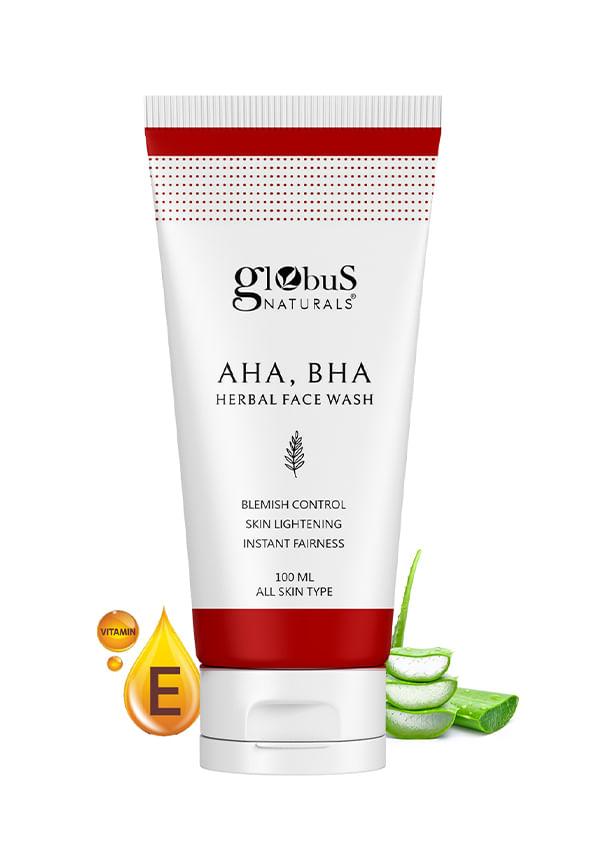
AHA BHA & Kojic Acid Face Wash
Like any active ingredient, kojic acid comes with potential side effects that you should know about before starting treatment. Being informed helps you use the ingredient safely and effectively while minimising any unwanted reactions.
The most common side effects include mild irritation, redness, and dryness, especially during the initial weeks of use. These reactions typically subside as your skin builds tolerance, but it's important to start slowly and monitor your skin's response.
People with extremely sensitive skin or certain skin conditions should consult a dermatologist before using kojic acid. Pregnant and breastfeeding women should also seek professional advice, as safety data for these groups remains limited.
Kojic acid can increase your skin's sensitivity to UV rays. This makes daily sunscreen application absolutely essential when using any kojic acid product. Skipping SPF can actually worsen hyperpigmentation instead of improving it.
Proper application technique makes all the difference in achieving desired results while minimising side effects. Starting with the right approach sets you up for success and helps avoid common mistakes that can irritate your skin.
Begin with patch testing any new kojic acid product on a small area of skin. Wait 24-48 hours to check for adverse reactions before applying it to larger areas. This simple step can save you from potential irritation or allergic reactions.
Cleanse your skin thoroughly before applying kojic acid products. Apply a thin layer to affected areas, avoiding the delicate eye area unless the product specifically states it's safe for that region.
Start with every other day application, gradually increasing frequency as your skin builds tolerance. Most people can eventually use kojic acid daily, but this progression should happen slowly.
Kojic acid pairs well with vitamin C and niacinamide but should be used cautiously with other acids like glycolic or salicylic acid. When in doubt, alternate these ingredients on different days rather than layering them.
A typical kojic acid routine includes gentle cleansing, kojic acid application, moisturising, and sun protection during the day. Evening routines can include additional hydrating or repairing ingredients.
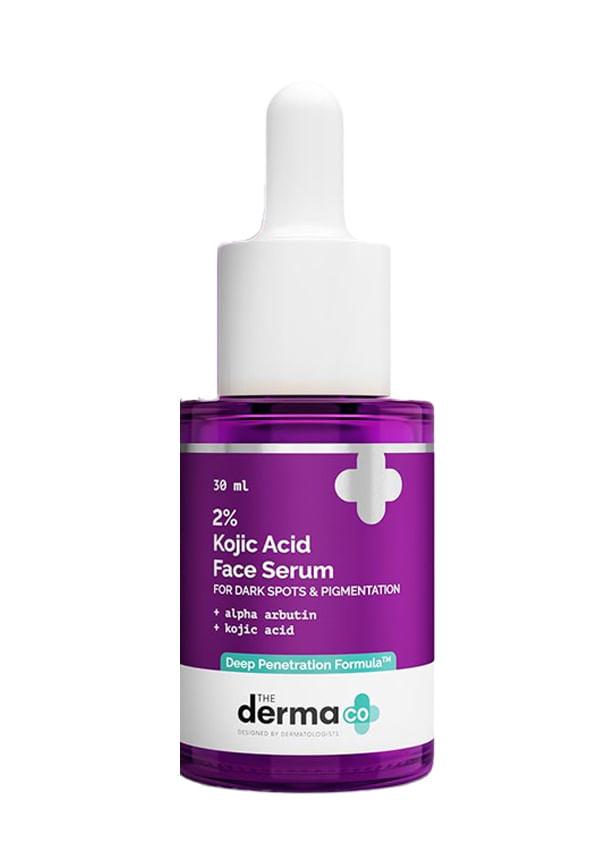
2% Kojic Acid Face Serum with 1% Alpha Arbutin & Niacinamide
Finding the right kojic acid products doesn't have to involve expensive trial and error. Smytten offers curated trial packs from trusted skincare brands, letting you explore different kojic acid formulations before committing to full-size purchases. With options from over 1,500 brands and the ability to try up to 8 minis for just ₹249, you can discover which kojic acid products work best for your skin type and concerns.
Kojic acid doesn't permanently whiten skin. It helps fade existing dark spots and prevents new ones from forming, but you'll need consistent use to maintain results. If you stop using it, your skin will gradually return to its natural pigmentation patterns, especially with sun exposure.
Most people notice initial improvements within 2-4 weeks of consistent use. Significant changes typically appear after 2-3 months. The timeline varies based on skin type, product concentration, and the severity of hyperpigmentation being treated.
Yes, but start slowly. Begin with every other day application and gradually increase frequency as your skin builds tolerance. Most people can eventually use kojic acid daily, but rushing this process can lead to irritation and sensitivity.
Your skin won't suddenly become darker, but new dark spots may form over time, especially with sun exposure. Existing improvements will gradually fade as your skin's natural renewal process continues. Maintenance use or switching to gentler brightening ingredients can help preserve results.
Kojic acid works for most skin types, but those with very sensitive skin should proceed with caution. Always patch test first and consider starting with lower concentrations. People with certain skin conditions or during pregnancy should consult a dermatologist before use.
Kojic acid is generally gentler than hydroquinone but may take longer to show results. It's often combined with other brightening agents like vitamin C or arbutin for enhanced effects. The choice depends on your skin's tolerance and specific concerns.
Kojic acid proves itself as a reliable option for addressing hyperpigmentation and achieving more even skin tone. While it won't dramatically change your natural skin colour, it excels at fading dark spots, treating post-acne marks, and improving overall skin brightness when used consistently and safely.
Remember that patience is key with kojic acid. Results take time, but the gradual improvement often leads to more natural-looking and lasting changes. Always prioritise sun protection, start slowly, and listen to your skin throughout the process.
Whether you're dealing with stubborn dark spots or simply want to achieve a more radiant complexion, kojic acid offers a science-backed approach to skin brightening. With proper use and realistic expectations, this ingredient might just become your new favourite for achieving that coveted healthy glow. After all, why settle for uneven skin tone when you can explore what works best for your unique needs?
