How Hyaluronic Acid Affects Your Skin and Acne

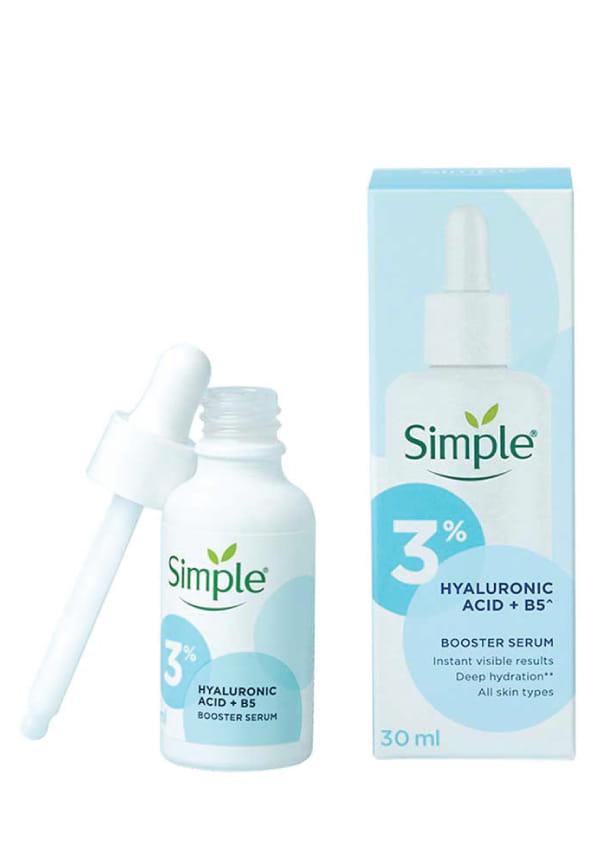
Booster Serum 3% Hyaluronic Acid + B5 For Deep Hydration
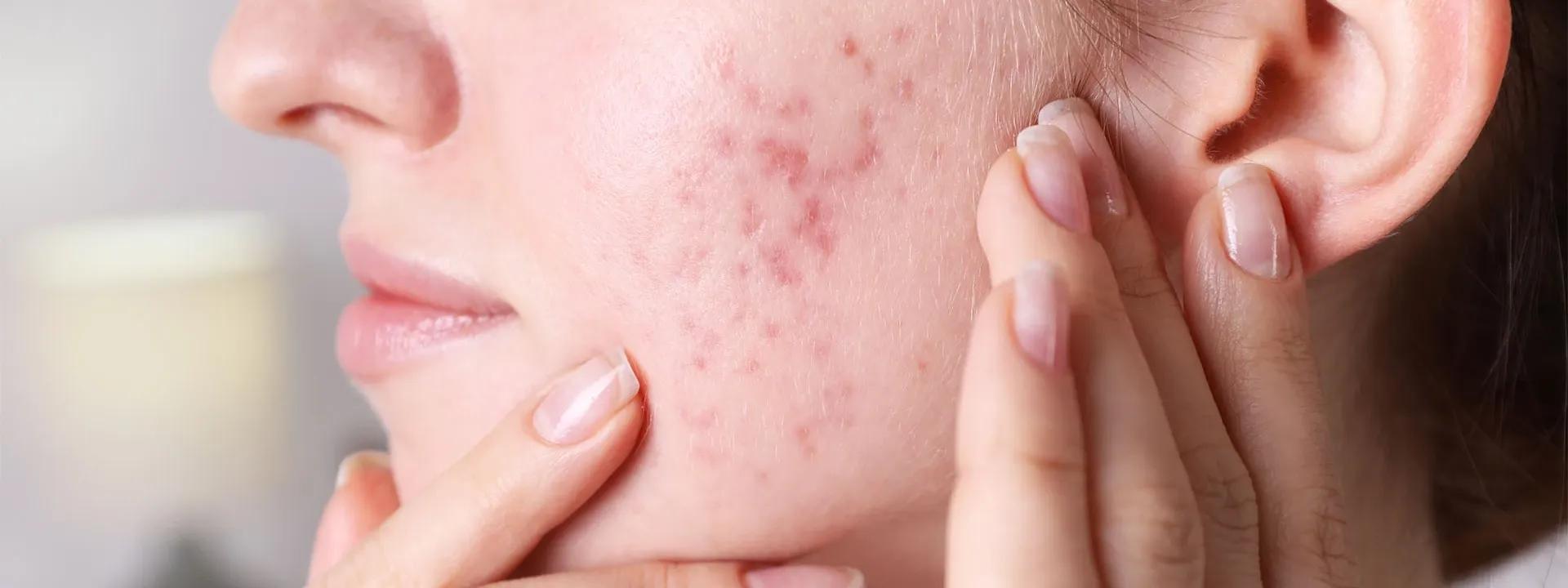
Ever wondered if that holy grail hyaluronic acid serum might actually be causing your breakouts? You're not alone in this skincare mystery. While hyaluronic acid gets praised for its incredible hydrating powers, some people notice new spots popping up after adding it to their routine. Let's dive into the real science behind whether hyaluronic acid causes breakouts and how to use it without triggering your skin.
Here's the thing about hyaluronic acid and acne - the ingredient itself is actually non-comedogenic, meaning it won't clog your pores. Research consistently shows that pure hyaluronic acid doesn't cause breakouts because of its molecular structure and how it interacts with your skin. Clinical studies have found that HA can actually help acne-prone skin by maintaining proper hydration levels without adding oil or blocking pores.
Dermatologists agree that hyaluronic acid is generally safe for all skin types, including acne-prone skin. The confusion around whether does hyaluronic acid cause breakouts often comes from other factors in the product formulation or how it's being used. Think of it like this - if you're breaking out from a hyaluronic acid product, it's probably not the HA itself that's the culprit.
So if hyaluronic acid itself isn't causing breakouts, what's going on? The answer usually lies in the details - from product formulation to how you're applying it. Let's break down the real reasons why some people experience hyaluronic acid side effects like breakouts.
The biggest culprit behind HA-related breakouts is often the other ingredients in the product. Many hyaluronic acid serums contain preservatives, emulsifiers, or thickening agents that can clog pores. Some common pore-clogging ingredients to watch out for include certain silicones, heavy oils, and synthetic fragrances that might be lurking in your HA product.
Not all hyaluronic acid is created equal. Low molecular weight HA can penetrate deeper into your skin, which sounds great in theory but can sometimes trigger inflammatory responses in sensitive individuals. This deeper penetration might cause irritation that manifests as breakouts, especially if your skin barrier is already compromised.
Here's where many people go wrong - applying hyaluronic acid to completely dry skin, especially in low-humidity environments. When there's no moisture for HA to grab onto, it can actually draw water from deeper layers of your skin, potentially causing dehydration and irritation that leads to breakouts.
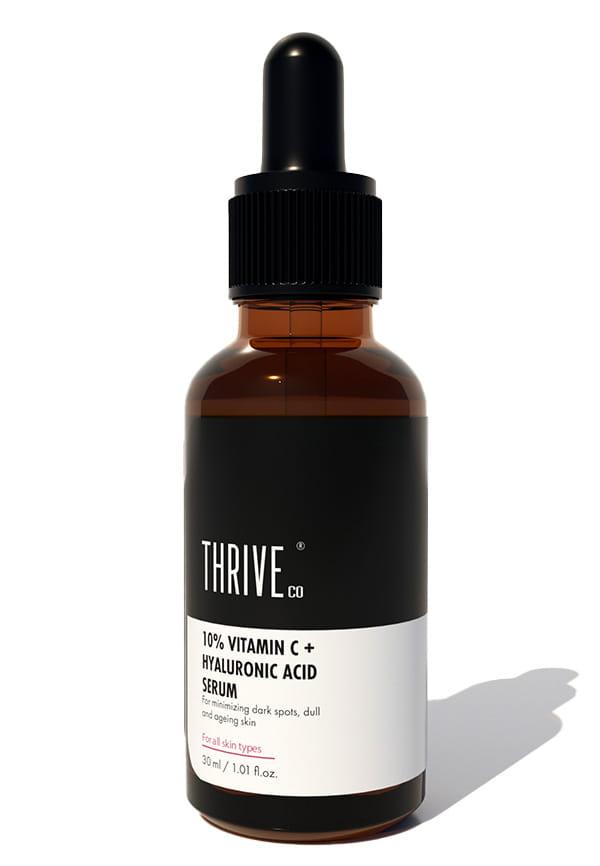
10% Vitamin C+ Hyaluronic Acid Serum
Let's talk about why hyaluronic acid became such a skincare superstar in the first place. The hyaluronic acid benefits for your skin are pretty impressive when you get the application right. This powerhouse ingredient can hold up to 1,000 times its weight in water, making it incredible for skin hydration.
For hyaluronic acid skin benefits, think plumper, more resilient skin that bounces back from daily stressors. HA helps strengthen your skin barrier, which is crucial for preventing acne-causing bacteria from wreaking havoc. It also supports your skin's natural healing process, which can help existing breakouts heal faster and reduce the appearance of acne scars over time.
Even oily and acne-prone skin types can benefit from proper hydration. When your skin is well-hydrated, it's less likely to overproduce oil as a compensation mechanism. This balanced approach to skincare can actually help reduce breakouts in the long run.
Ready to master how to use hyaluronic acid without triggering breakouts? The key is all in the technique and timing. Getting this right can make the difference between clear, hydrated skin and unexpected breakouts.
Always apply your hyaluronic acid serum to damp skin - this gives the HA molecules something to grab onto. After cleansing, pat your face with a clean towel but leave it slightly damp before applying your serum. Follow up with a lightweight, non-comedogenic moisturiser to seal in the hydration.
For acne-prone skin, look for hyaluronic acid for oily skin formulations that are specifically oil-free and non-comedogenic. High molecular weight HA is often gentler for sensitive, breakout-prone skin. Check ingredient lists and avoid products with heavy oils, comedogenic silicones, or artificial fragrances.
Start slowly with any new hyaluronic acid product. Begin with every other day application to see how your skin responds. A few drops of serum are usually enough for your entire face - more isn't always better with HA, and using too much can sometimes lead to a sticky feeling that might tempt you to over-cleanse.
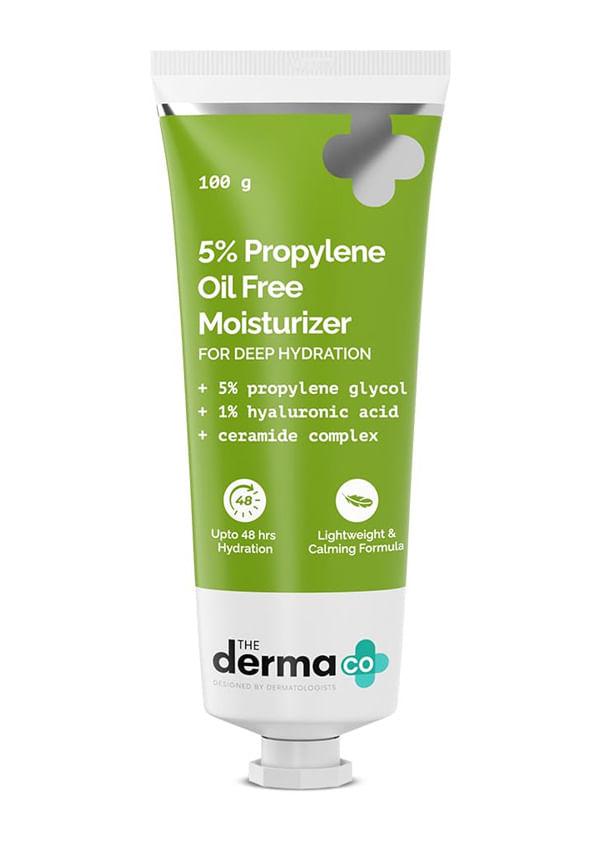
5% Propylene Oil Free Moisturizer with Propylene Glycol & Hyaluronic Acid
Wondering how HA fits into your existing acne treatment routine? The good news is that hyaluronic acid plays well with most other skincare actives. It can actually help buffer the drying effects of ingredients like salicylic acid and benzoyl peroxide, making your acne treatments more tolerable.
When building a routine for acne-prone skin, think of hyaluronic acid as your hydrating foundation. Apply it after your treatment products but before your moisturiser. This layering technique helps maintain your skin barrier while still getting the benefits of your acne-fighting ingredients.
For those dealing with acne scars, hyaluronic acid can support the healing process by keeping the skin well-hydrated and promoting cell turnover. While it won't dramatically fade scars on its own, it creates an optimal environment for other treatments to work more effectively.
If you're still experiencing breakouts despite following proper application techniques, it's time to play detective with your skincare routine. Sometimes the issue isn't the hyaluronic acid itself but how it's interacting with other products or environmental factors.
Start with a patch test if you haven't already. Apply a small amount of the product to your inner arm and wait 24-48 hours to see if any irritation develops. This can help you distinguish between an allergic reaction and typical skin purging that sometimes happens when starting new products.
Consider your environment when using hyaluronic acid. In very dry climates or air-conditioned spaces, you might need to adjust your application technique or choose a different molecular weight of HA. Hormonal changes, stress levels, and even dietary factors can influence how your skin responds to new products.
This is where platforms like Smytten become incredibly valuable for skincare enthusiasts. Rather than committing to full-size products that might not work for your skin, you can try mini versions of different hyaluronic acid serums to find your perfect match. With over 1,500 trusted brands available, including skincare favourites like Cetaphil and Dot & Key, you can explore various HA formulations without the financial risk.
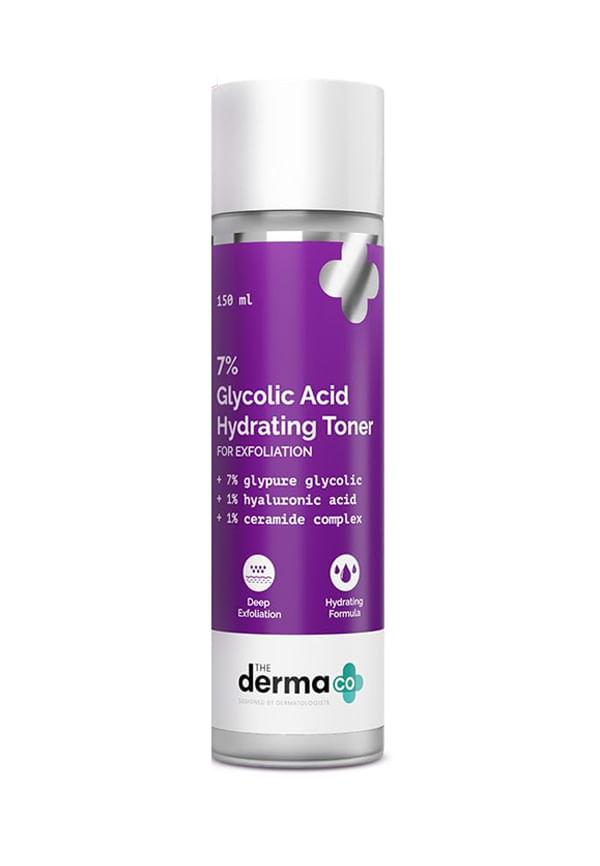
7% Glycolic Acid Hydrating Toner with Glycolic Acid & Hyaluronic Acid
Hyaluronic acid typically doesn't cause purging since it doesn't increase cell turnover like exfoliating acids do. If you're experiencing breakouts after starting HA, it's more likely due to product formulation or application issues rather than purging.
Yes, when chosen and used correctly. Look for products with high molecular weight HA and minimal additional ingredients. Always patch test first and introduce it gradually into your routine.
You should notice improved hydration within a few days of consistent use. For acne-related benefits like reduced inflammation and better healing, give it 2-4 weeks of regular use.
Absolutely! Hyaluronic acid actually helps counteract the drying effects of these treatments. Apply HA after your treatment products but before your moisturiser for best results.
Sodium hyaluronate is the salt form of hyaluronic acid and has smaller molecules, allowing for better penetration. Both are effective, but sodium hyaluronate might be better for deeper hydration.
The bottom line on whether hyaluronic acid causes breakouts? It's usually not the HA itself but rather other factors at play. When used correctly, hyaluronic acid can actually support clearer, healthier skin by maintaining proper hydration levels without clogging pores.
The key to success with hyaluronic acid lies in choosing the right product formulation, applying it to damp skin, and being patient as your skin adjusts. Remember that everyone's skin is different, and what works for your friend might not work for you - and that's completely normal.
If you're curious about trying hyaluronic acid but worried about potential breakouts, consider starting with trial sizes to test how your skin responds. Smytten's approach of offering mini-sized products from trusted brands makes it easy to experiment with different HA formulations without committing to full sizes. With 100% cashback on trial purchases and the ability to get up to 8 minis for just ₹249, you can discover your perfect hyaluronic acid match while making smarter, more confident skincare choices. After all, why settle for 'maybe' when you can try it all and find what truly works for your unique skin?
