How Humidity Affects Your Skin: Essential Guide


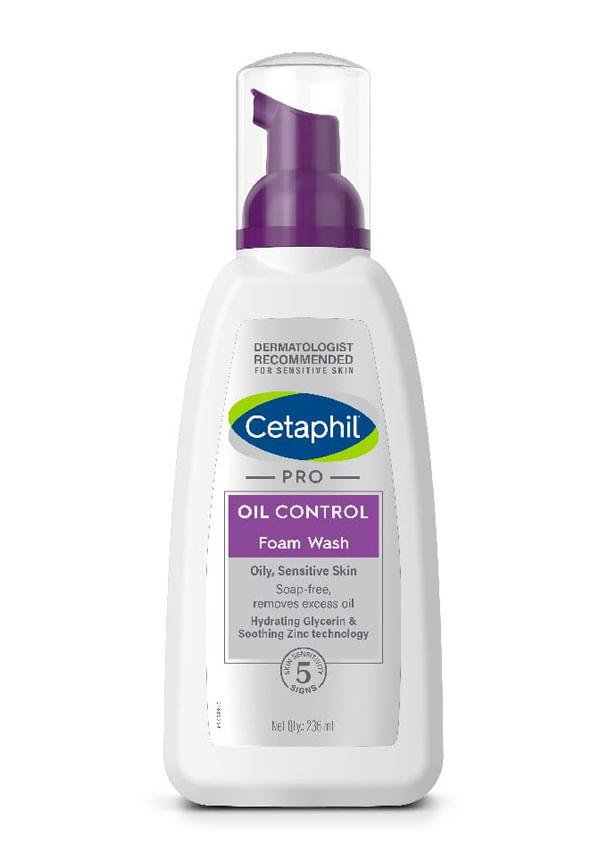
Pro Oil Control Foam Face Wash
Ever wondered why your skin feels like sandpaper during winter but gets oily and congested in monsoons? The culprit might be simpler than you think—humidity. This invisible factor plays a massive role in how your skin behaves, and understanding how humidity affects skin can be your secret weapon for year-round healthy skin. Whether you're dealing with flaky patches in dry weather or breakouts during humid months, getting the humidity-skin connection right can transform your skincare game completely.
Let's start with the basics. Humidity and skin have a relationship that's more complex than you'd expect. Humidity refers to the amount of water vapour in the air, and your skin is constantly trying to balance its moisture levels with the environment around it.
Relative humidity measures how much water vapour the air holds compared to its maximum capacity. The sweet spot for healthy skin sits between 40-60%. When humidity drops below this range, your skin starts losing moisture faster than it can replenish it. When it goes above, you might face different challenges like clogged pores and bacterial growth.
Your skin barrier—that protective outer layer—works like a smart membrane. It tries to maintain optimal hydration by either releasing or absorbing moisture based on environmental conditions. Think of it as your skin's natural thermostat, constantly adjusting to keep things balanced.
Here's where it gets interesting. Your skin loses water through a process called transepidermal water loss (TEWL). In low humidity, this process speeds up dramatically, leaving your skin dehydrated and compromised. Your skin's natural moisturising factors (NMFs)—like amino acids and ceramides—work overtime to prevent this moisture escape.
When the air around you lacks moisture, it literally pulls water from your skin. It's like having a moisture vacuum constantly working against your skin's efforts to stay hydrated.
Dry skin humidity problems are more common than you might think, especially if you live in air-conditioned environments or areas with harsh winters. Low humidity doesn't just make your skin feel tight—it can actually damage your skin barrier over time.
Watch out for these telltale signs that low humidity is wreaking havoc on your skin:
Flaking and peeling, especially around your nose and mouth
That uncomfortable tight feeling after cleansing
Increased sensitivity and irritation
Fine lines appearing more pronounced
Rough, bumpy texture that makeup can't smooth over
These symptoms happen because your skin barrier becomes compromised, making it harder to retain moisture and protect against environmental stressors.
Winter is particularly brutal for your skin because you're hit with a double whammy. Cold outdoor air naturally holds less moisture, and indoor heating systems strip away whatever humidity remains. Central heating can reduce indoor humidity to as low as 10-20%—that's drier than most deserts!
If you live in naturally dry climates like Rajasthan or spend long hours in air-conditioned offices, your skin faces this challenge year-round. The constant moisture loss can accelerate ageing and make existing skin conditions worse.
Humid weather skincare comes with its own set of rules. While high humidity can be a blessing for dry skin types, it presents unique challenges that need smart solutions.
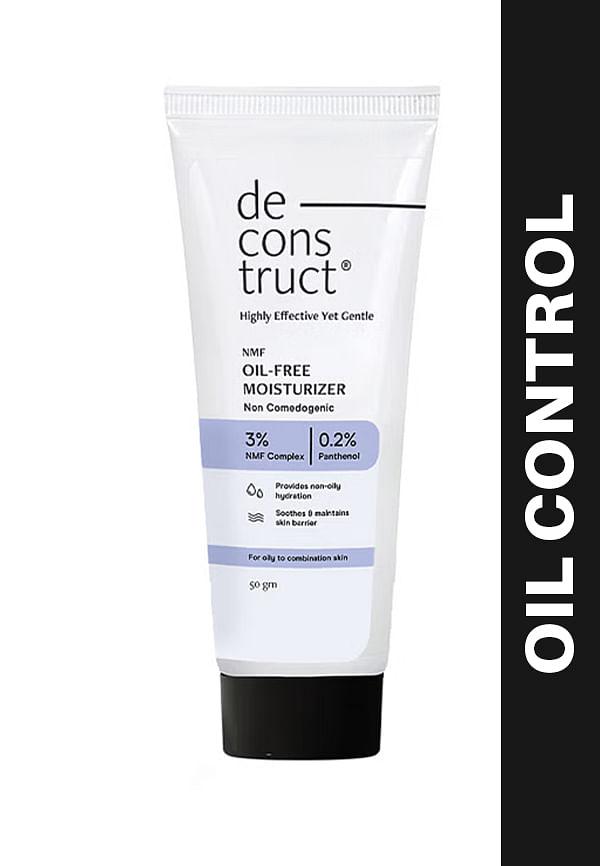
Oil-Free Moisturizer for Oily Skin - 3% NMF Complex + 0.2% Panthenol
Before we dive into the problems, let's appreciate what humid weather does right. Is humidity good for skin? In many ways, yes:
Your skin naturally looks plumper and more hydrated
Fine lines appear less noticeable
Your skin barrier gets a chance to repair itself
Natural moisture levels stabilise more easily
Many people notice their skin looks its best during monsoons or in coastal cities where humidity levels stay consistently higher.
But here's where things get tricky. High humidity can trigger a whole different set of skin issues:
Increased oil production leading to clogged pores
Bacterial and fungal infections thrive in moist conditions
Heat rash and inflammation from trapped sweat
Makeup sliding off and skincare products feeling heavy
Acne flare-ups from excess sebum production
The key is finding that Goldilocks zone where your skin gets enough moisture without becoming a breeding ground for problems.
Different skin conditions respond uniquely to humidity changes. Understanding these patterns can help you manage your specific concerns more effectively.
Eczema and humidity have a complicated relationship. Low humidity is often a major trigger for eczema flares because it compromises the already-weakened skin barrier. People with atopic dermatitis typically see their symptoms worsen dramatically in dry conditions.
However, extremely high humidity isn't always better either. Excessive moisture can lead to bacterial infections and heat rash, which can trigger eczema in different ways. The ideal humidity range for eczema-prone skin is usually 45-55%.
Acne-prone skin often struggles more in humid conditions because increased moisture can boost sebum production. The combination of oil, sweat, and bacteria creates the perfect storm for breakouts.
Rosacea, on the other hand, can be triggered by both extremes. Very dry air can irritate sensitive skin, while high humidity combined with heat can cause flushing and inflammation. Finding the right balance is crucial for managing these conditions effectively.
Your skincare routine shouldn't be set in stone. Best skincare for humidity means adapting your products and techniques based on environmental conditions. Think of it as seasonal dressing for your skin.
When humidity drops, your skin needs extra support to maintain its moisture barrier:
Switch to heavier, cream-based moisturisers with occlusive ingredients like ceramides and shea butter
Layer hydrating serums with hyaluronic acid under your moisturiser
Use gentle, non-foaming cleansers that won't strip natural oils
Consider adding a facial oil to lock in moisture
Invest in a good humidifier for your bedroom and workspace
The goal is to create multiple layers of protection that prevent moisture loss and support your skin's natural repair processes.
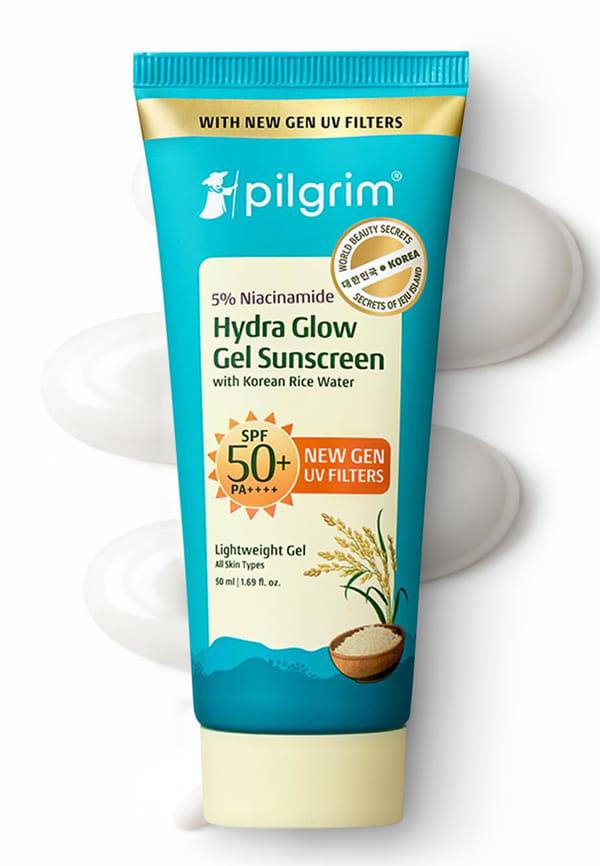
5% Niacinamide Oil-Free Super Light Gel Sunscreen SPF 50+ PA++++
When the air gets muggy, your approach needs to shift:
Opt for lightweight, gel-based moisturisers that won't feel heavy
Choose non-comedogenic formulas that won't clog pores
Consider cleansing twice daily if you're prone to breakouts
Look for products with salicylic acid or niacinamide to control oil
Use mattifying primers and setting sprays for makeup longevity
The trick is maintaining hydration without overwhelming your skin with heavy products that can't absorb properly in humid conditions.
One of the biggest challenges is adapting when humidity levels change dramatically. Your skin needs time to adjust, and rushing the transition can cause irritation or breakouts.
These transitional seasons are when skin hydration humidity balance becomes most critical. Instead of switching your entire routine overnight, try gradual changes:
Start by alternating between your seasonal products
Monitor how your skin responds to humidity changes
Keep a skincare diary to track what works when
Have backup products ready for unexpected weather changes
Your skin typically takes 2-4 weeks to fully adapt to new environmental conditions, so patience is key during these transitions.
Travelling between different climates can shock your skin. Pack smart with travel-sized versions of both your dry and humid weather essentials. A portable humidifier for hotel rooms can be a game-changer for maintaining skin health during trips.
This is where platforms like Smytten become incredibly valuable. With curated trial packs from trusted brands like Cetaphil and Dot & Key, you can test different formulations before committing to full sizes. Getting up to 8 minis for just ₹249 means you can experiment with humidity-specific products without the financial risk.
Managing humidity skin problems isn't just about products—it's about creating the right environment and understanding your skin's unique needs.
Since we spend most of our time indoors, controlling your immediate environment makes a huge difference:
Maintain indoor humidity between 45-55% using humidifiers or dehumidifiers
Use a hygrometer to monitor humidity levels accurately
Position humidifiers away from electronics and change water regularly
Consider air purifiers to remove pollutants that can irritate sensitive skin
Keep bedroom humidity slightly higher (50-55%) since skin repairs itself during sleep
Small environmental changes can have massive impacts on your skin's daily comfort and long-term health.
Sometimes, effects of humidity on skin require professional intervention. Consider seeing a dermatologist if you experience persistent irritation, sudden changes in skin behaviour, or if your usual routine stops working.
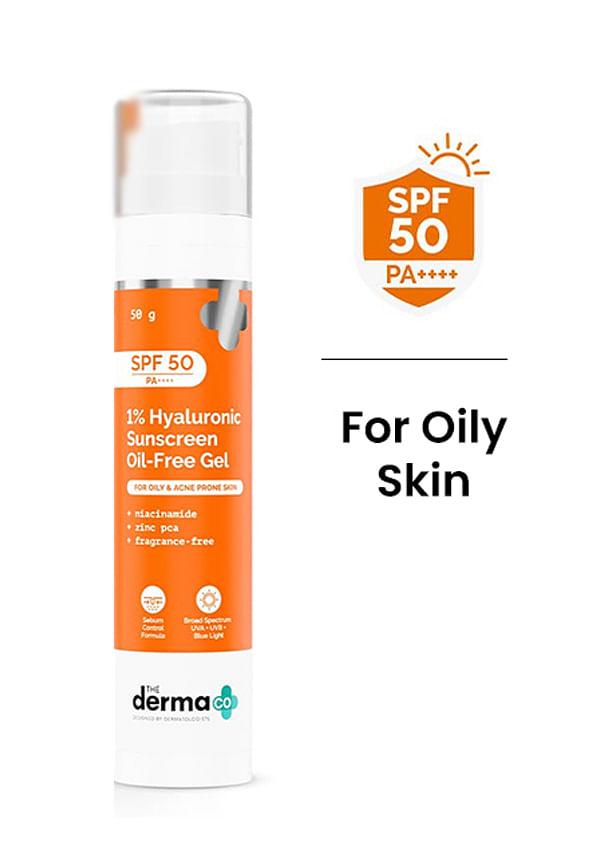
1% Hyaluronic Sunscreen Oil-Free Gel
Professional hydrating treatments like HydraFacials or chemical peels can help reset your skin's moisture balance, especially after extreme weather changes or travel.
The optimal humidity range for healthy skin is 40-60%, with 45-55% being the sweet spot for most people. This range allows your skin to maintain proper hydration without encouraging bacterial growth.
Yes, high humidity can trigger acne by increasing oil production and creating conditions where bacteria thrive. The combination of excess sebum, sweat, and moisture can clog pores and lead to breakouts.
Signs include persistent dryness despite moisturising, flaking, increased sensitivity, fine lines becoming more pronounced, and that tight feeling after cleansing. Your skin might also take longer to heal from minor irritations.
Absolutely. Humid weather calls for lighter, gel-based formulations and non-comedogenic products. You might also need to cleanse more frequently and use oil-controlling ingredients like niacinamide or salicylic acid.
Moderate humidity can help maintain skin plumpness and reduce the appearance of fine lines by supporting natural hydration. However, it's not a replacement for proper anti-ageing skincare with ingredients like retinoids and antioxidants.
Your skin typically takes 2-4 weeks to fully adapt to significant humidity changes. During this transition period, you might experience temporary dryness, oiliness, or sensitivity as your skin adjusts.
Hydration refers to water content in your skin cells, while moisture refers to the oil content that helps lock in that hydration. You need both for healthy skin—hydration plumps the skin, while moisture creates a protective barrier.
Yes! Drinking plenty of water, using a humidifier, placing bowls of water near heat sources, keeping houseplants, and avoiding long hot showers can all help maintain better humidity levels for your skin.
Understanding how humidity affects skin is like having a roadmap for better skin health. Whether you're battling dry patches in winter or managing breakouts during monsoons, the key is adapting your routine to work with your environment, not against it.
Remember, there's no one-size-fits-all solution. Your skin's needs will change with the seasons, your location, and even your daily activities. The beauty lies in experimenting and finding what works for your unique skin in different conditions.
This is where Smytten's approach to skincare discovery becomes invaluable. With over 1,500 trusted brands and the ability to try products through curated trial packs, you can test different formulations for various humidity conditions without committing to full sizes. The platform's 100% cashback on trial purchases makes it risk-free to explore what works best for your skin across different seasons and climates. After all, why settle for maybe when you can try it all and find your perfect humidity-proof routine?
