How Face Washes Treat Active Acne in Men: A Skincare Guide


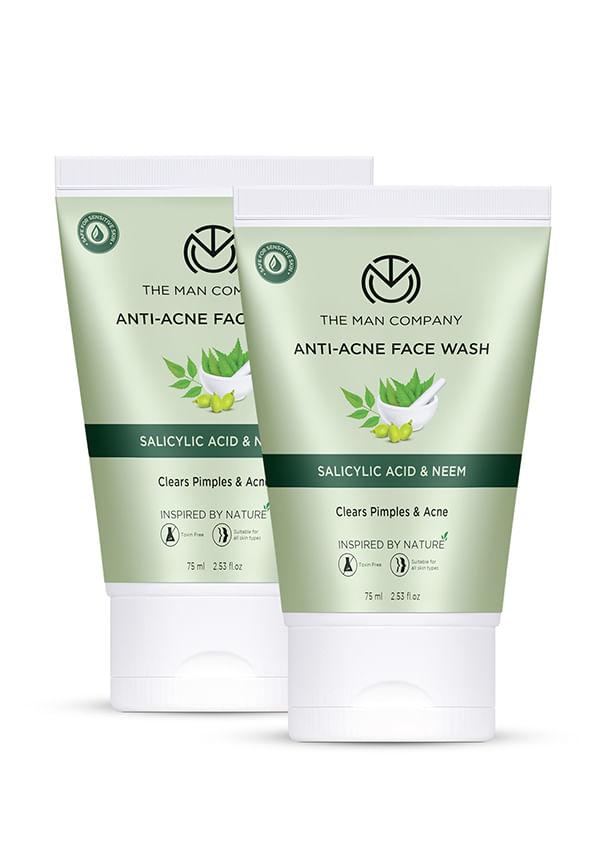
Anti- Acne
You've tried everything—scrubbing harder, washing more often, switching products every week. Yet those angry red bumps keep appearing, especially around your jawline and forehead. If you're dealing with active acne as a man, you're not alone. The good news? The right face wash can be a game-changer in managing breakouts, but only if you understand how it actually works and what ingredients to look for.
Men's skin faces unique challenges when it comes to acne. Higher testosterone levels mean more sebum production, creating the perfect environment for breakouts. Add daily shaving, post-gym sweat, and the tendency to touch your face more often, and you've got a recipe for persistent acne.
Your skin produces up to 25% more oil than women's skin, thanks to testosterone. This hormone doesn't just affect muscle growth—it directly stimulates your sebaceous glands to pump out more sebum. When this excess oil mixes with dead skin cells and bacteria, it creates the perfect storm for active acne.
Shaving adds another layer of complexity. Every time you drag a razor across your skin, you're creating micro-cuts and potentially pushing bacteria deeper into your pores. That's why many men notice breakouts concentrated around their jawline and neck area.
Not all acne is created equal. Active acne typically presents as inflamed, red bumps that are actively forming or infected. You might be dealing with papules (small red bumps), pustules (white-headed pimples), or even deeper nodules that feel painful to touch.
Understanding what type of acne you're facing helps determine the right face wash for acne. Inflammatory acne responds well to antibacterial ingredients, whilst non-inflammatory blackheads and whiteheads need gentle exfoliation to clear blocked pores.
Here's the thing about acne treatment for men—it's not just about washing your face harder. The right cleanser works on multiple levels to address the root causes of breakouts, not just the surface symptoms.
A proper facial cleanser for men's acne does three crucial things: it removes excess oil without stripping your skin, unclogs pores by dissolving the mixture of oil and dead skin cells, and creates an environment where acne-causing bacteria can't thrive.
Think of your cleanser as the foundation of your entire skincare routine. Without proper cleansing, even the most expensive treatments can't penetrate effectively. Your skin needs to be clean but not compromised for other products to work their magic.
Salicylic acid face wash is often the gold standard for acne prone skin men. This beta-hydroxy acid (BHA) is oil-soluble, meaning it can penetrate deep into your pores to dissolve the gunk that's causing blockages. At 2% concentration, it's gentle enough for daily use but effective enough to make a real difference.
Benzoyl peroxide face wash takes a different approach—it's antibacterial. This ingredient literally kills the P. acnes bacteria that contribute to inflammatory breakouts. Start with 2.5% if you have sensitive skin, or go for 5% if your skin can handle it. The Garnier Men Anti-Pimple Face Wash combines effective acne-fighting ingredients with a gentle formula that's specifically designed for men's thicker, oilier skin, making it an excellent choice for those dealing with persistent breakouts.
Other ingredients worth looking for include niacinamide for oil control and inflammation reduction, and tea tree oil for its natural antibacterial properties. These work synergistically to address multiple aspects of acne formation.

This might surprise you, but washing your face more than twice daily can actually make acne worse. Over-cleansing strips your skin's natural barrier, causing it to produce even more oil to compensate. Stick to morning and evening washes with your chosen best face wash for active acne.
If you're hitting the gym or playing sports, a gentle rinse with plain water post-workout is fine. Save the active ingredients for your proper morning and evening routine.
Not all cleansers are created equal, especially when you're dealing with active breakouts. The key is finding a formula that's strong enough to tackle acne but gentle enough to use consistently without irritation.
Clinical studies consistently show that salicylic acid at 2% concentration is highly effective for treating mild to moderate acne. It's particularly good for blackheads and whiteheads because it can dissolve the keratin plugs that block your pores.
Benzoyl peroxide has decades of research backing its effectiveness against inflammatory acne. The key is starting with a lower concentration (2.5%) and gradually increasing if needed. Higher percentages don't necessarily mean better results—they often just mean more irritation.
Look for cleansers that avoid harsh sulphates like sodium lauryl sulphate (SLS). These can be too stripping for acne prone skin men, leading to that tight, uncomfortable feeling after washing.
Gel cleansers tend to work best for oily, acne-prone skin because they're typically more effective at removing excess sebum. Foam cleansers can be good too, but avoid anything that creates an overly rich, creamy lather—that usually indicates harsh detergents.
The pH of your cleanser matters more than you might think. Your skin's natural pH is slightly acidic (around 5.5), and using a cleanser that's too alkaline can disrupt your skin barrier and worsen acne. Look for products that mention being pH-balanced.
Technique matters just as much as the product you choose. Even the best facial cleanser for men's acne won't work if you're using it incorrectly.
Start with clean hands—seriously. Your hands carry bacteria and oil that can transfer to your face. Use lukewarm water to wet your face; hot water can irritate already inflamed skin and strip natural oils, whilst cold water won't effectively remove oil and debris.
Apply a small amount of your chosen cleanser (about the size of a 10p coin) and gently massage it into your skin using circular motions. Focus on areas where you typically break out, but don't scrub. Let the active ingredients do the work—aggressive rubbing will only irritate your skin and potentially spread bacteria.
Rinse thoroughly with lukewarm water and pat (don't rub) your face dry with a clean towel. This gentle approach helps maintain your skin barrier whilst still effectively cleansing.
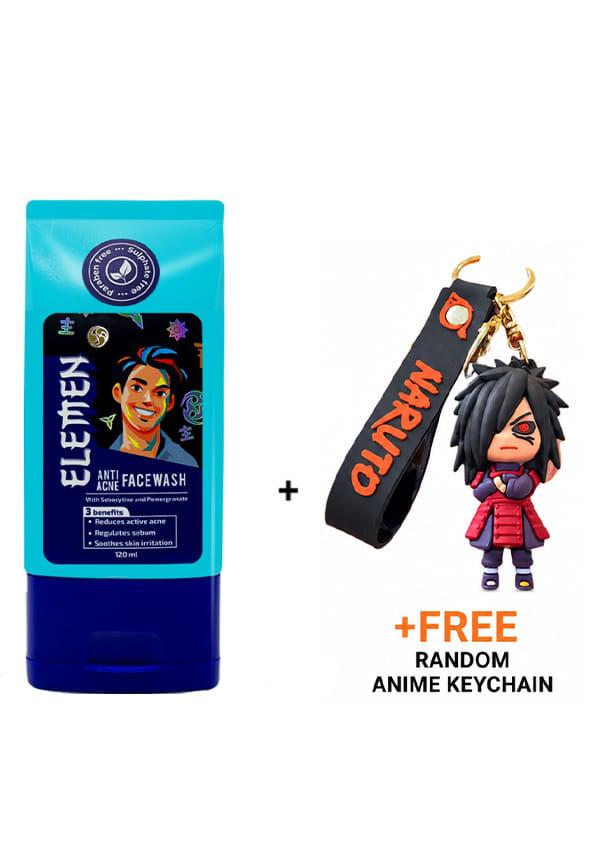
Anti Acne Face Wash
The biggest mistake? Thinking that scrubbing harder will clear acne faster. This approach actually damages your skin barrier and can make breakouts worse. Your skin interprets aggressive cleansing as an attack and responds by producing more oil and inflammation.
Another common error is skipping moisturiser after cleansing, especially when using active ingredients like salicylic acid or benzoyl peroxide. Even oily, acne-prone skin needs hydration. Choose a lightweight, non-comedogenic moisturiser to maintain your skin barrier.
Your men's skincare routine should be simple but consistent. Morning routine: gentle cleanser, lightweight moisturiser with SPF. Evening routine: your active acne-fighting cleanser, any spot treatments, and a slightly richer moisturiser if needed.
Consistency trumps complexity every time. It's better to use a simple routine religiously than to have an elaborate system you only follow sporadically. Give any new routine at least 6-8 weeks to show results—acne treatment is a marathon, not a sprint.
With countless options available, choosing the right cleanser can feel overwhelming. The key is understanding your specific skin type and acne pattern.
Most men with acne have oily or combination skin, but that doesn't mean all acne cleansers will work for you. If your skin feels tight and uncomfortable after washing, you might be using something too harsh. If you're still breaking out after 8 weeks of consistent use, the formula might not be strong enough.
Pay attention to where your breakouts occur. Forehead and nose acne often responds well to salicylic acid, whilst jawline and neck breakouts (often related to shaving) might benefit more from benzoyl peroxide's antibacterial action.
Look for terms like "non-comedogenic" (won't clog pores), "oil-free," and "fragrance-free." Avoid cleansers with alcohol high on the ingredient list—it's unnecessarily drying and can trigger more oil production.
Be wary of products that promise overnight results or use terms like "deep pore cleansing" with harsh scrubbing beads. These are often marketing gimmicks that can damage your skin barrier.
Sometimes, even the best face wash for acne isn't enough on its own. Understanding when to seek additional help is crucial for long-term skin health.
If you're dealing with deep, painful cysts or nodules, or if your acne is leaving permanent scarring, it's time to see a dermatologist. These types of severe acne often require prescription treatments that work from the inside out.

Acne End Face Wash | Only For Sensitive Skin with Intense Acne
Very Good Product
 4
4“it's a very good product worth it”
Excellent Cleanser
5“loved it non drying on skin good cleanser”
Positive feedback on floral essence
5“I liked the floral essence might buy more in future”
You might also need additional topical treatments like retinoids or prescription antibiotics. A good cleanser creates the foundation, but severe acne often needs a multi-pronged approach.
Your diet does matter, despite what you might have heard. While chocolate and greasy food don't directly cause acne, dairy and high-glycemic foods can worsen breakouts in some men. Pay attention to your skin's response to different foods.
Post-workout hygiene is crucial. Change out of sweaty clothes immediately and shower as soon as possible. If you can't shower right away, at least rinse your face with water to remove sweat and bacteria.
Look for cleansers containing 2% salicylic acid or 2.5-5% benzoyl peroxide, specifically formulated for acne-prone skin with gentle, non-comedogenic ingredients. Gel-based formulas typically work best for oily, acne-prone skin.
Wash twice daily with lukewarm water and a mild cleanser using gentle circular motions. Avoid scrubbing, use clean hands, and pat dry with a clean towel. Never use hot water or aggressive rubbing, as this can worsen inflammation.
While many acne ingredients work universally, men may benefit from stronger formulations due to thicker skin and higher sebum production. Men's skin also tends to be less sensitive, allowing for higher concentrations of active ingredients.
Most men see initial improvements in 4-6 weeks with consistent use, though complete results may take 12-16 weeks depending on acne severity. Consistency is key—don't switch products too quickly.
Absolutely. Even oily, acne-prone skin needs hydration, especially when using active ingredients like salicylic acid or benzoyl peroxide. Choose a lightweight, non-comedogenic moisturiser to maintain your skin barrier.
Finding the right face wash for acne is often the first step in getting your skin under control, but it's not a magic bullet. The most effective approach combines the right cleanser with proper technique, consistency, and realistic expectations. Remember, your skin didn't break out overnight, and it won't clear overnight either.
The key to successful acne treatment for men lies in understanding your skin's specific needs and being patient with the process. Whether you choose a salicylic acid face wash for its pore-clearing abilities or a benzoyl peroxide face wash for its antibacterial action, consistency in your men's skincare routine will determine your success.
If you're curious about trying different formulations before committing to full-size products, Smytten offers a smart way to test various cleansers and skincare products through their curated trial packs. With access to over 2,400 trusted brands and the ability to try products before investing in full sizes, you can discover what works best for your skin without the guesswork. It's particularly helpful when you're building a new routine and want to ensure compatibility before making larger purchases.
