How Eczema Presents on Indian Skin & Its Triggers

Kojic Acid For Dark Spots, Even Skin Tone & Pigmentation
You've noticed those persistent patches of itchy skin that seem to flare up at the most inconvenient times. Perhaps it's the rough texture on your elbows that worsens during winter, or those inflamed areas that appear darker than your natural skin tone. If this sounds familiar, you might be dealing with eczema on Indian skin — and understanding how it presents differently on our skin tones is the first step towards proper management.
Atopic dermatitis on Indian skin often presents with unique characteristics that can make diagnosis challenging. Unlike lighter skin tones where redness is the primary visual cue, eczema symptoms on Indian skin may appear as darker patches, increased dryness, or changes in skin texture rather than obvious colour changes.
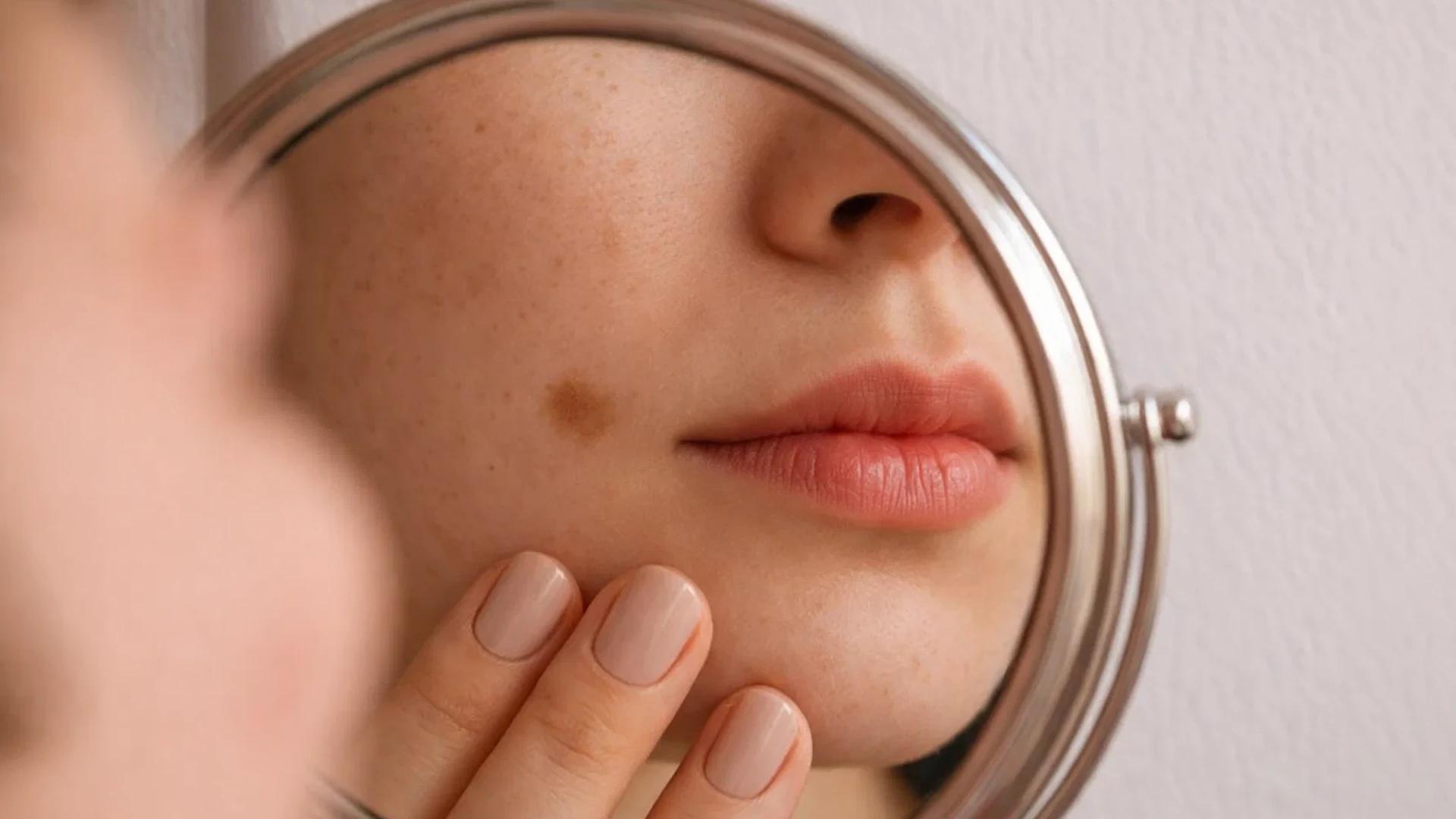
The melanin-rich nature of Indian skin means that skin inflammation often manifests as hyperpigmentation — those stubborn dark spots that linger long after the initial flare has subsided. This post-inflammatory hyperpigmentation can be more noticeable and persistent than the original eczema itself, creating a cycle where the visual reminders of past flares can cause stress and potentially trigger new ones.
When eczema presents on Indian skin, it typically shows up as areas of increased dryness and roughness before any visible discolouration appears. The affected skin may feel thicker or more leathery to the touch, particularly in areas like the inner elbows, behind the knees, and around the neck.
Common presentation patterns include darker, greyish patches rather than the pink or red inflammation seen on lighter skin tones. These areas often have a distinctive dry, scaly texture that can be mistaken for simple dry skin conditions until the itching becomes more pronounced.
The key difference lies in recognising texture and sensation changes rather than relying solely on colour variations. Skin inflammation on Indian skin often begins with increased sensitivity and itching, followed by changes in skin thickness and texture. The affected areas may become noticeably drier and develop a rough, sandpaper-like feel.
Cultural factors also play a role — frequent oil massages, common in Indian households, can sometimes mask early symptoms or, conversely, irritate already sensitive skin depending on the oils used and the technique applied.
Early recognition of eczema symptoms can make a significant difference in management outcomes. The challenge with Indian skin is that the traditional markers taught in medical textbooks — primarily redness and obvious inflammation — may not be the first or most prominent signs.
Instead, pay attention to persistent itching that seems to worsen at night, areas of skin that feel consistently dry despite regular moisturising, and patches that develop a different texture from the surrounding skin. These subtle changes often precede more obvious visual symptoms.
The earliest signs of eczema on Indian skin often include persistent itching in specific areas, particularly the flexural regions like inner elbows and behind knees. This itching may be more noticeable during temperature changes or after exposure to certain fabrics.
Watch for areas where your skin feels consistently tight or uncomfortable, even after applying your usual moisturiser. These spots may not look different initially but will feel noticeably drier or more sensitive than the surrounding skin.
Kumkumadi Tailam Face Oil Prevents Dull Skin, Acne Spots, Sun Tan, Dark Circles
As eczema progresses, you'll notice the development of distinct skin rash patterns. On Indian skin, these often appear as darker, thickened patches with a leathery texture. The affected areas may develop small bumps or a cobblestone-like appearance.
Chronic scratching can lead to lichenification — a thickening and darkening of the skin that can persist long after the initial inflammation subsides. This is particularly common in areas that are easily accessible for scratching, such as the forearms and lower legs.
Understanding your personal eczema triggers is crucial for preventing flares. In the Indian context, several specific factors can contribute to skin inflammation and worsen existing eczema conditions.
Environmental factors unique to India, combined with cultural practices and lifestyle choices, create a distinct set of triggers that may not be as relevant in other geographical contexts. Identifying these triggers allows for more targeted prevention strategies.
India's diverse climate patterns create unique challenges for eczema management. The intense humidity during monsoons can trap sweat and irritants against the skin, whilst the dry winter months can severely dehydrate already sensitive skin.
Air pollution in major Indian cities acts as a significant trigger, with particulate matter and chemical pollutants settling on the skin and causing irritation. The transition between air-conditioned environments and outdoor heat can also trigger flares due to rapid temperature and humidity changes.
Traditional clothing fabrics, particularly synthetic blends and heavily starched cotton, can irritate sensitive skin. The common practice of using strong detergents and fabric softeners can leave residues that trigger eczema flares.
Spice-related triggers are particularly relevant in Indian households. Direct contact with certain spices during cooking, or even the airborne particles from grinding spices, can cause flares in sensitive individuals. Additionally, traditional beauty practices involving turmeric, besan, or other natural ingredients may sometimes trigger reactions in those with compromised skin barriers.
The three-minute rule is a cornerstone of eczema treatment that's particularly relevant for Indian skin. This simple technique involves applying a moisturiser within three minutes of bathing to lock in moisture and strengthen the skin barrier.
For Indian skin, this rule becomes even more critical due to our climate's tendency to rapidly dehydrate the skin. The key is using the right type of moisturiser — one that's substantial enough to provide lasting hydration without feeling heavy in humid conditions.
When you notice the early signs of a flare — increased itching, skin tightness, or developing rough patches — immediate action can prevent escalation. Cool compresses can provide instant relief from itching, whilst avoiding the urge to scratch prevents further skin inflammation.
Keep your fingernails short and consider wearing cotton gloves at night if you tend to scratch unconsciously during sleep. The goal is to break the itch-scratch cycle that can worsen eczema and lead to secondary infections.
Vitamin E+Niacinamide Brightening Serum, Dark Spots, Oily Skin, Uneven Tone
Establishing a consistent skincare routine adapted to Indian climate conditions is essential. This means using lighter formulations during humid months and richer creams during dry seasons, whilst maintaining the same gentle, fragrance-free approach year-round.
Consider the timing of your skincare routine around daily activities. If you commute during peak pollution hours, a gentle cleanse and barrier repair routine when you return home can prevent irritants from accumulating on your skin.
Effective eczema treatment for Indian skin requires a combination of medical intervention and lifestyle modifications. The approach should address both the immediate symptoms and the underlying skin barrier dysfunction that characterises eczema.
It's important to understand that whilst eczema cannot be completely cured, it can be very effectively managed with the right combination of treatments and preventive measures. The goal is to minimise flares and maintain healthy, comfortable skin most of the time.
Dermatologist-recommended treatments for eczema on Indian skin typically begin with topical corticosteroids for active flares, followed by maintenance therapy with moisturisers and possibly topical calcineurin inhibitors for sensitive areas like the face.
For persistent cases, dermatologists may recommend phototherapy or systemic treatments. The key is working with a healthcare provider who understands how eczema presents on darker skin tones and can adjust treatment protocols accordingly.
Whilst some traditional Indian remedies can be helpful, it's crucial to approach them with caution. Coconut oil, for instance, can be beneficial for some people with eczema but may worsen conditions for others, particularly those with coconut allergies.
Avoid harsh traditional treatments that involve scrubbing or strong herbal preparations, as these can further compromise an already damaged skin barrier. Instead, focus on gentle, proven approaches like oatmeal baths or cool compresses with plain water.
Successful long-term management of eczema requires understanding that it's a chronic condition with periods of improvement and potential flares. The goal is to extend the good periods and minimise the severity and duration of flares when they occur.
This involves developing a comprehensive approach that includes proper skincare, trigger avoidance, stress management, and regular monitoring of your skin's condition. Consistency in your routine is more important than using expensive products.
An effective routine for eczema-prone Indian skin starts with gentle cleansing using fragrance-free, soap-free cleansers. Follow with immediate moisturising using products containing ingredients like ceramides, hyaluronic acid, or niacinamide that support skin barrier function.

1% Vitamin C Toner with Mandarin & Kakadu | Reduces Dark Spots
Seasonal adjustments are crucial — lighter, gel-based moisturisers during humid months and richer creams during dry periods. Always patch-test new products and introduce them gradually to avoid triggering flares.
Dietary considerations can play a role in eczema management, though food triggers vary greatly between individuals. Common culprits include dairy, eggs, nuts, and certain food additives, but elimination should only be done under medical supervision.
Creating an eczema-friendly home environment involves using gentle, fragrance-free household products, maintaining optimal humidity levels, and choosing breathable, natural fabrics for clothing and bedding. Regular washing of bedding in hot water can help eliminate dust mites, a common trigger.
Common triggers include weather changes (particularly monsoon humidity and winter dryness), air pollution, traditional fabrics like synthetic blends, certain spices during cooking, stress, harsh detergents, and specific household products commonly used in Indian homes. Individual triggers can vary, so keeping a symptom diary helps identify personal patterns.
The 3-minute rule involves applying a moisturiser within three minutes of bathing whilst your skin is still damp. This helps lock in moisture and strengthen the skin barrier, which is particularly important for Indian skin due to our climate's tendency to rapidly dehydrate the skin.
No, eczema is not 100% curable on any skin type, including Indian skin. However, it can be very effectively managed with proper treatment, trigger identification and avoidance, consistent skincare routines, and lifestyle modifications. The goal is to minimise flares and maintain comfortable, healthy skin most of the time.
On Indian skin, eczema often presents as darker patches, increased dryness, and texture changes rather than the redness typically seen on lighter skin. Post-inflammatory hyperpigmentation is more common and persistent, and early symptoms may include itching and skin tightness before visible changes appear.
Effective treatment combines medical intervention (topical corticosteroids for flares, maintenance moisturisers) with lifestyle modifications. This includes using fragrance-free products, following the 3-minute moisturising rule, avoiding identified triggers, and working with a dermatologist who understands how eczema presents on darker skin tones.
Understanding how eczema presents on Indian skin is the foundation for effective management. The key differences — from hyperpigmentation patterns to unique environmental triggers — require a tailored approach that goes beyond standard treatment protocols.
Remember that successful eczema management is about consistency rather than perfection. Small, daily actions like proper moisturising, trigger avoidance, and gentle skincare practices can make a significant difference in your skin's comfort and appearance over time.
If you're exploring new skincare products to support your eczema management routine, platforms like Smytten offer a practical way to test products before committing to full sizes. With access to gentle, dermatologist-recommended brands and the ability to try minis first, you can build an effective routine without the worry of investing in products that might not suit your sensitive skin. After all, when managing eczema, finding the right products for your unique skin needs is worth the careful exploration.
