How Drinking Water Boosts Skin Hydration for Glowing Skin in India

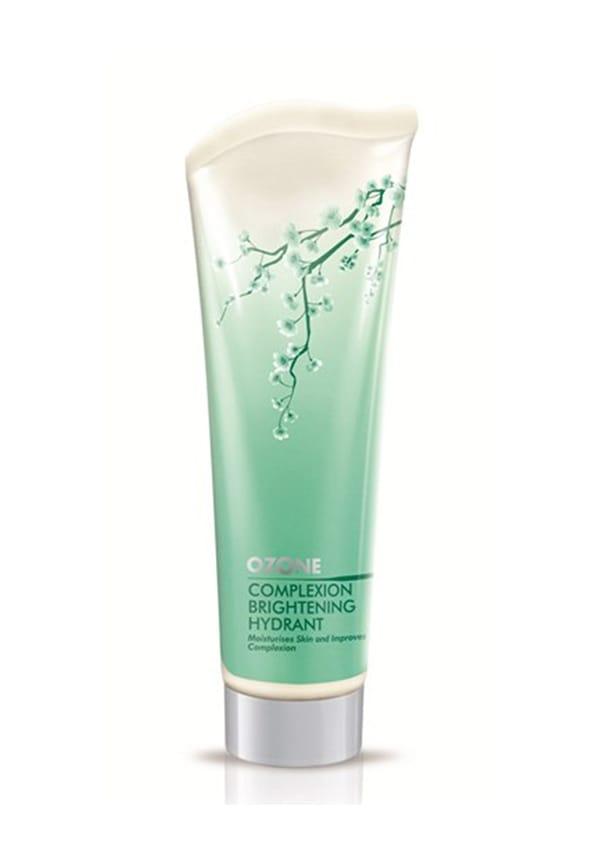
Complexion Brightening Hydrant
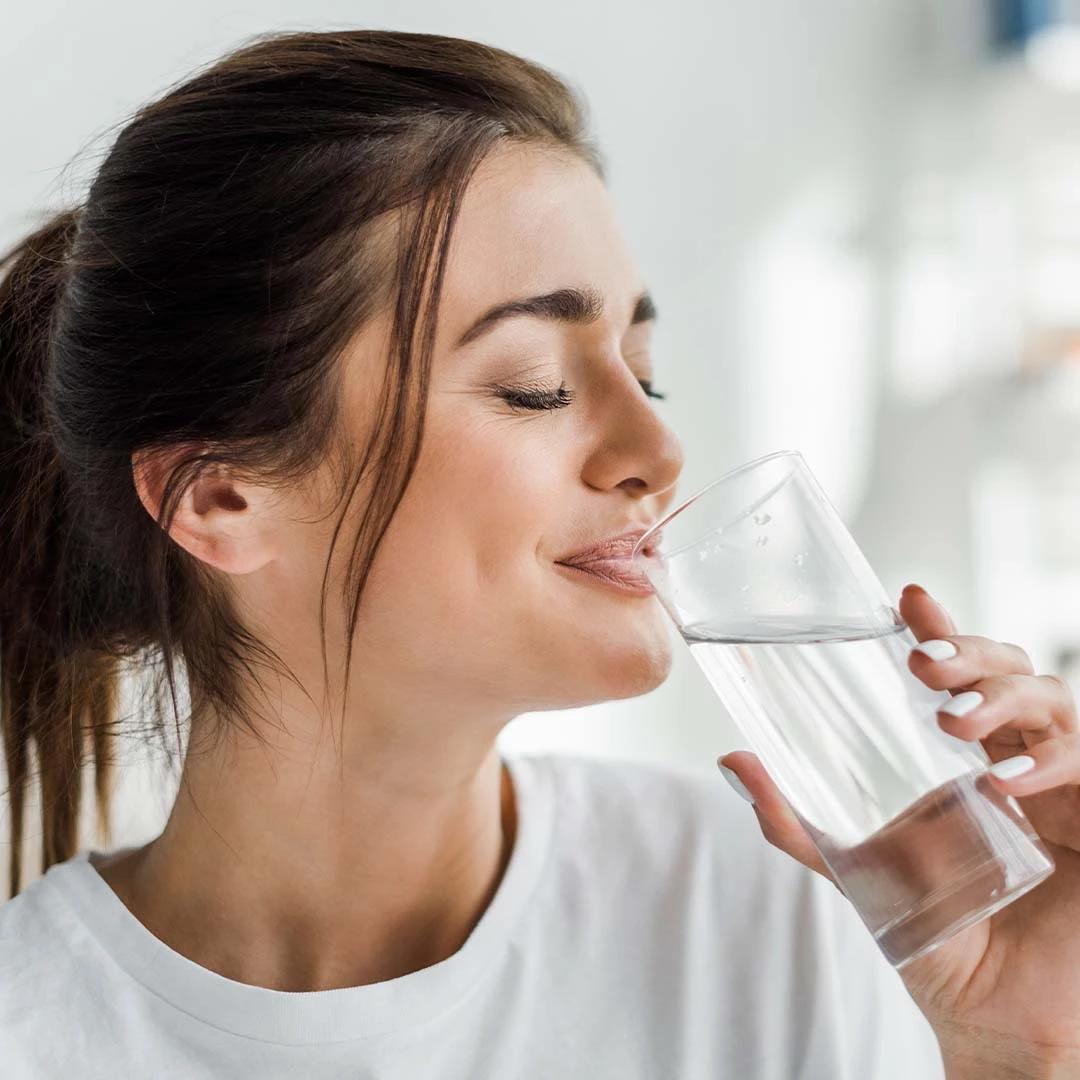
You've probably heard it a thousand times: "drink more water for glowing skin." But as you reach for your third glass of the day, you might wonder—does drinking water actually affect skin hydration in India's unique climate? With pollution, hard water, and extreme weather shifts from monsoon humidity to winter dryness, your skin faces challenges that a simple glass of water might not solve. Real talk: the relationship between internal hydration and skin health is more nuanced than most people realise, especially when you're dealing with India's environmental factors.
Understanding how drinking water affects your skin requires looking beyond surface-level advice. Your skin is your body's largest organ, and like every other organ, it relies on proper hydration to function optimally. When you drink water, it doesn't travel directly to your skin's surface—instead, it supports a complex system of blood flow and nutrient delivery that keeps your skin cells healthy from within.
When you're properly hydrated, your blood carries oxygen and nutrients more efficiently to your skin cells. This improved circulation helps with cellular regeneration, allowing your skin to repair itself and maintain its natural barrier function. Your dermal layers—the deeper parts of your skin—contain about 70% water, and this moisture content directly affects how plump and resilient your skin appears. Think of it like watering a plant: the roots need moisture to support healthy growth, even though you can't see the water working immediately on the leaves.
Clinical studies have shown that increasing water intake can improve skin density and thickness over time, particularly in people who were previously under-hydrated. Research published in skin physiology journals indicates that drinking adequate water helps maintain the skin's natural moisture barrier and can reduce signs of aging. However, the effects aren't instant—most studies show measurable improvements after 4-6 weeks of consistent hydration. Interestingly, some research suggests that mineral water may offer additional benefits compared to regular tap water, thanks to trace elements that support skin health.
Recognising dehydrated skin symptoms is crucial for understanding whether your current water intake is supporting your skin health. Unlike dry skin, which lacks oil, dehydrated skin lacks water and can affect any skin type—even oily skin can be dehydrated.
The most obvious sign is dullness—when your skin loses its natural glow and appears lacklustre. You might notice fine lines becoming more pronounced, especially around your eyes and mouth, as dehydrated skin loses its plumpness. Rough or flaky texture is another telltale sign, along with reduced skin elasticity. Try the pinch test: gently pinch the skin on the back of your hand and release. If it takes more than a second to bounce back, you might be dehydrated. Dark circles often become more prominent when you're not drinking enough water, and your skin may become more sensitive and prone to irritation.
Living in India presents unique challenges for maintaining skin hydration. The intense summer heat can cause excessive water loss through sweating, while air conditioning creates artificially dry environments that strip moisture from your skin. Monsoon humidity might seem helpful, but it can actually disrupt your skin's natural moisture balance. Winter months bring dry air that accelerates water loss from your skin's surface. Additionally, air pollution in major Indian cities creates free radicals that damage your skin barrier, making it harder to retain moisture. Many Indian cities also have hard water, which can leave mineral deposits on your skin and interfere with proper cleansing and hydration.

Hyaluronic Acid Hydro Boosting Toner-Serum For Hydrating & Glowing Skin
The benefits of drinking water for skin extend far beyond simple hydration. When you maintain proper water intake, you're supporting multiple biological processes that directly impact your skin's appearance and health.
Proper hydration improves blood circulation, which means more oxygen and nutrients reach your skin cells. This enhanced delivery system supports the skin's natural repair processes and helps flush out toxins that can contribute to breakouts and dullness. Water for glowing skin works by supporting your body's detoxification processes—your kidneys and liver work more efficiently when you're well-hydrated, reducing the burden on your skin to eliminate waste products. Additionally, adequate hydration supports the production of new skin cells, helping maintain that fresh, healthy appearance you're after.
One of the most significant long-term benefits of proper hydration is its impact on skin elasticity. Well-hydrated skin maintains its structure better, appearing firmer and more youthful. While drinking water won't directly boost collagen production, it supports the cellular environment where collagen synthesis occurs. This means that over time, maintaining good hydration habits can help slow the appearance of fine lines and maintain skin firmness. The key is consistency—sporadic water intake won't provide these anti-aging benefits, but making hydration a daily priority can support your skin's natural resilience against aging.
Knowing how to hydrate skin effectively goes beyond simply drinking more water. The timing, quality, and quantity of your water intake all play important roles in maximising the skin benefits.
The standard "8 glasses a day" rule doesn't account for India's diverse climate conditions and individual needs. In hot, humid climates or during summer months, you might need 3-4 litres of water daily, while cooler seasons might require less. Your activity level, body weight, and overall health also influence your hydration needs. Quality matters too—if you live in an area with hard water, consider using a water filter to remove excess minerals that might affect your skin. The best way to hydrate skin from within is to sip water consistently throughout the day rather than drinking large amounts at once, which allows for better absorption and utilisation by your body.
Start your day with a glass of water to kickstart your hydration after hours without fluid intake. Drinking water before meals can aid digestion and nutrient absorption, which indirectly benefits your skin. Room temperature or slightly warm water is often better absorbed than ice-cold water. Consider setting reminders on your phone or using a water tracking app to maintain consistent intake. Evening hydration is important too, but avoid drinking large amounts right before bed to prevent sleep disruption.
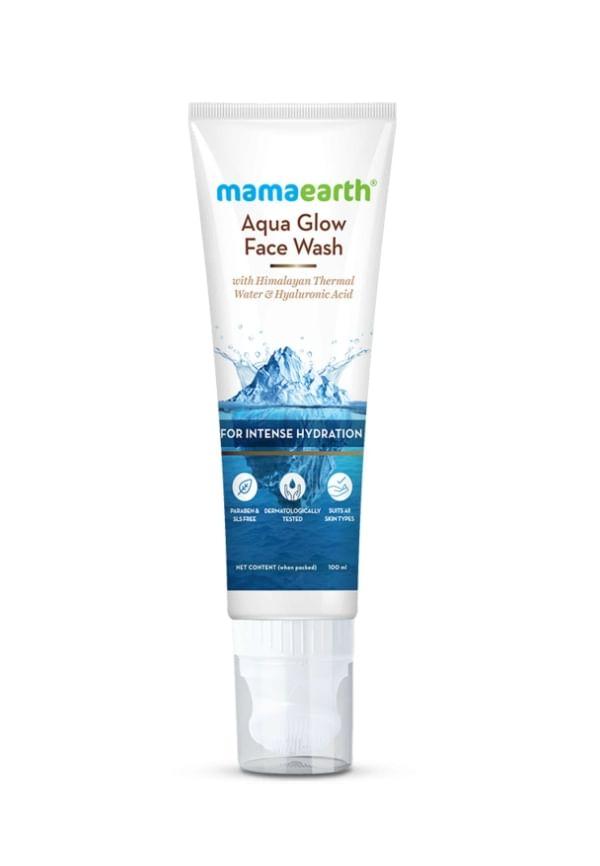
Aqua Glow Face Wash With Himalayan Thermal Water and Hyaluronic Acid
While water and skin health are closely connected, a comprehensive approach to skin hydration involves more than just increasing your water intake.
Include water-rich foods in your diet—cucumbers, watermelon, oranges, and leafy greens all contribute to your overall hydration. Traditional Indian foods like coconut water, buttermilk, and fresh fruit juices provide both hydration and essential electrolytes. Maintaining proper electrolyte balance is crucial for hydration for dry skin—sodium, potassium, and magnesium help your body retain and utilise water effectively. Limit caffeine and alcohol, which can have dehydrating effects, and consider herbal teas as a hydrating alternative to plain water.
Sometimes, despite adequate water intake, your skin might still appear dehydrated. This is where external hydration becomes important. Using a good moisturiser helps lock in the hydration you're providing from within. Look for ingredients like hyaluronic acid, ceramides, and glycerin that attract and retain moisture. If you have persistent skin dehydration despite good hydration habits, consider consulting a dermatologist—underlying conditions like eczema or hormonal imbalances can affect your skin's ability to retain moisture.
There's a lot of misinformation about what drinking water can and cannot do for your skin. Understanding the facts helps set realistic expectations and prevents disappointment.
Drinking water supports overall skin health, but it won't instantly transform your complexion or eliminate specific skin concerns like acne or hyperpigmentation. Water doesn't directly travel to your skin's surface to provide moisture—that's the job of topical products. It also won't reduce pore size or immediately erase wrinkles. What water does do is support the biological processes that keep your skin healthy, improve circulation, and help maintain your skin's natural barrier function. Think of hydration as the foundation of good skin health rather than a quick fix for specific concerns.
Scientific research supports the role of adequate hydration in maintaining skin health, but the effects are gradual and work in conjunction with other factors like genetics, skincare routine, diet, and environmental protection. The most realistic approach is to view proper hydration as one component of a comprehensive skincare strategy. Combine adequate water intake with appropriate topical products, sun protection, and a healthy lifestyle for the best results.
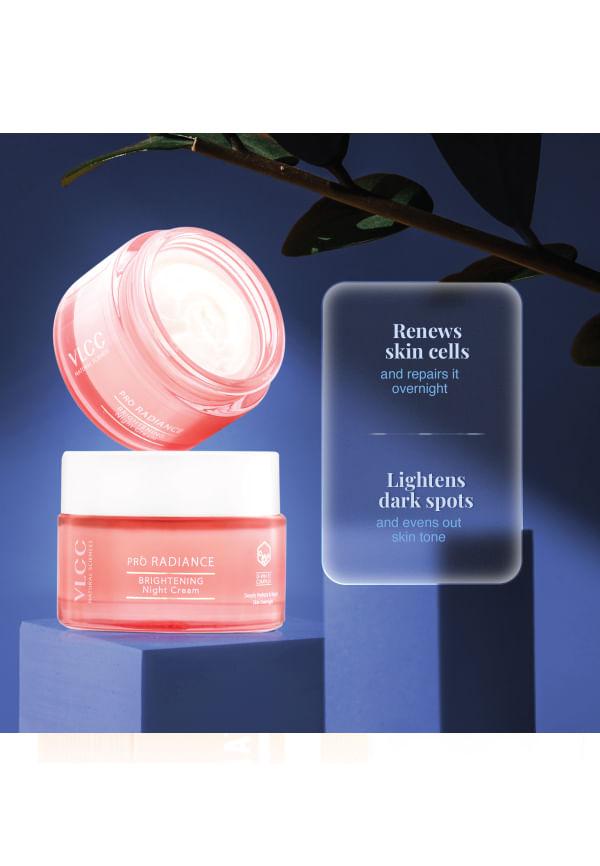
Pro Radiance Skin Brightening Night Cream Deeply Hydrate & Repair Skin Overnight
Yes, but indirectly. Drinking water supports your body's overall hydration, which helps maintain healthy blood flow and nutrient delivery to skin cells. However, water doesn't travel directly to your skin's surface—you still need topical moisturisers for external hydration.
Most people notice subtle improvements in skin texture and appearance after 2-4 weeks of consistent hydration. Significant changes in skin density and elasticity typically take 6-8 weeks to become apparent.
Yes, excessive water intake can dilute essential electrolytes and potentially harm your health. Stick to 2.5-3.5 litres per day unless you have specific medical needs or live in extremely hot climates.
Hydration refers to water content within skin cells, while moisture refers to the oil and water balance on your skin's surface. You can have dehydrated but oily skin, which needs both internal hydration and appropriate topical care.
Mineral water may provide additional benefits due to trace elements, while hard water with excessive minerals might affect some people's skin. Filtered water is generally a safe choice for consistent hydration.
India's diverse climate means your water needs vary by season and location. Hot, humid conditions increase water loss through sweating, while air conditioning and pollution can further dehydrate your skin, requiring increased water intake.
Understanding how drinking water affects skin hydration in India requires looking beyond simple advice to drink more water. Your skin's health depends on consistent hydration that supports internal biological processes, combined with external care that addresses India's unique environmental challenges. While water won't magically solve all skin concerns, it provides the foundation for healthy, resilient skin that can better handle pollution, climate changes, and daily stressors.
The key is developing sustainable hydration habits that work with your lifestyle and environment. Whether you're dealing with Delhi's pollution, Mumbai's humidity, or Bangalore's changing weather, consistent water intake supports your skin's natural ability to repair and protect itself. Remember that good skin health is a marathon, not a sprint—the benefits of proper hydration compound over time.
For those curious about complementing their hydration efforts with quality skincare products, Smytten offers curated options from trusted brands that work well alongside good hydration habits. With over 28 million users discovering products that actually work for their skin, it's worth exploring what combination of internal and external care works best for your unique needs.
