When and How Often to Reapply Sunscreen
Apply sunscreen 15-30 minutes before sun exposure to allow chemical filters to activate (mineral sunscreens work immediately). Reapply every two hours, regardless of SPF level.
If you're swimming, sweating heavily, or toweling off, reapply immediately. Even water-resistant formulas need refreshing after 40-80 minutes in water.
Application Techniques for Different Sunscreen Types
For mineral sunscreens, apply in thin layers and blend well to avoid white cast. Some people find it helpful to warm the product between their hands first.
Chemical sunscreens should be applied evenly and allowed to absorb before adding other products. When layering with skincare, apply sunscreen last (except for makeup).
With platforms like Smytten, you can try different sunscreen formulas through trial packs before committing to full-size products. This is particularly helpful when you're trying to find the perfect texture and finish for your skin type.
Frequently Asked Questions
Is it good to apply sunscreen every day?
Absolutely.
Daily sunscreen application is recommended by dermatologists for year-round protection against UV damage, even on cloudy days and indoors near windows. UV rays can penetrate clouds and glass, so consistent daily use is your best defence.
How does sunscreen work on face differently than body?
The protection mechanism is the same, but facial skin is thinner and more sensitive. Face-specific formulas are often gentler, lighter in texture, and designed to work well under makeup. They may also include additional skincare benefits like moisturising ingredients.
Does SPF 50 mean reapply every 50 minutes?
No, SPF is not time-based. All sunscreens should be reapplied every two hours regardless of SPF level for optimal protection. SPF measures protection strength, not duration.
How does sunscreen work scientifically to prevent skin damage?
Sunscreen works through two mechanisms: mineral ingredients reflect and scatter UV rays like a physical shield, while chemical ingredients absorb UV radiation and convert it to harmless heat that dissipates from your skin.
What's the difference between mineral and chemical sunscreen?
Mineral sunscreen sits on top of your skin and physically blocks UV rays, providing immediate protection. Chemical sunscreen absorbs into your skin and neutralises UV radiation through chemical reactions, requiring 15-30 minutes to become fully effective.
Key Takeaways
Understanding how sunscreen works empowers you to make better choices for your skin's health and protection. Whether you choose mineral or chemical formulas, the key is consistent daily use with proper application techniques.
Remember, the best sunscreen is the one you'll actually use every day. Finding your perfect match might take some trial and error, but it's worth the effort for long-term skin health. Smytten makes this process easier by offering trial packs from trusted brands like Cetaphil and Dot & Key, so you can discover what works for your skin without the commitment of full-size purchases. With over 1,500 brands available and the ability to try up to 8 minis for just ₹249, finding your ideal sun protection has never been more accessible or affordable.

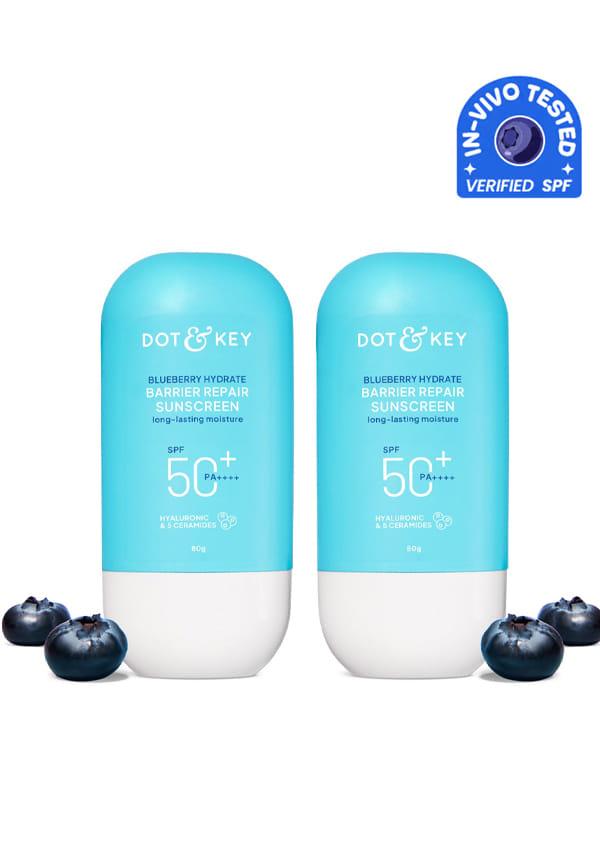 80 gms + 80 gms
 50 gm
50 gm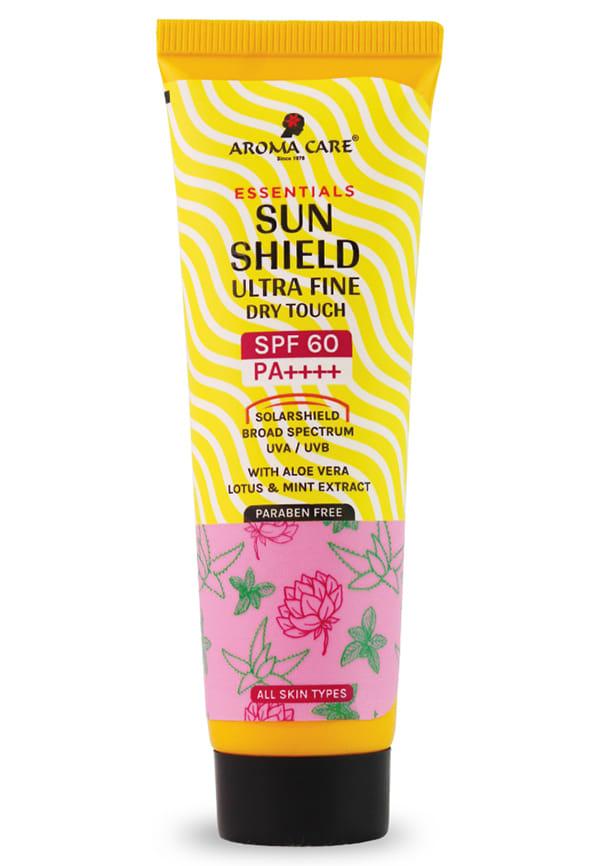 50gm
50gm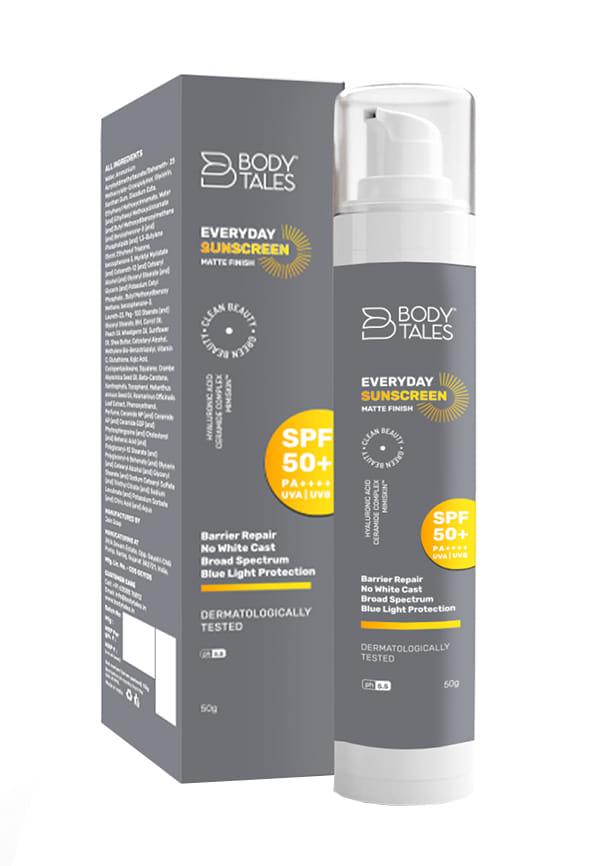 50 gm
50 gm