How Does Sunscreen Work? Your Ultimate Guide

How Does Sunscreen Work? Your Ultimate Guide
Published Date - 25 February 2026
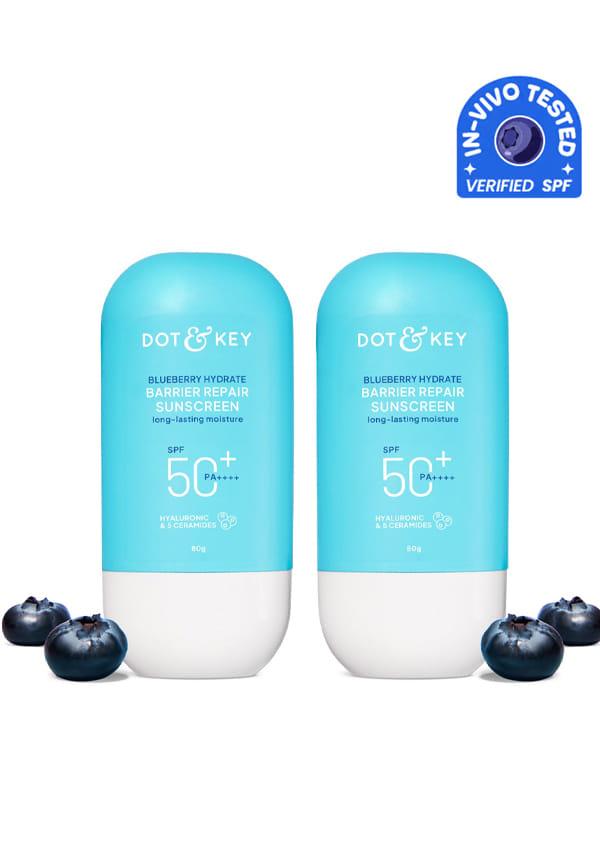
Barrier Repair Sunscreen, In-Vivo Tested SPF 50+ PA++++80 gms + 80 gms

Dot & Key

Barrier Repair Sunscreen, In-Vivo Tested SPF 50+ PA++++

119042 % OFF
690
Ever wondered how that bottle of sunscreen actually protects your skin from the sun's harsh rays? You're not alone. With so many different formulas, SPF numbers, and ingredient lists, understanding how sunscreen works can feel like decoding a science textbook. But here's the thing—knowing the basics can help you make smarter choices for your skin. Whether you're team mineral or chemical, SPF 30 or 50, getting the science right means better protection. Let's break down exactly how sunscreen works, why it matters, and how to use it properly for maximum sun protection.

The Science Behind How Sunscreen Works to Protect Your Skin

Real talk—sunscreen is basically your skin's bodyguard against invisible attackers called UV rays. But how does sunscreen work on a scientific level? It's actually pretty clever.

Understanding UV Radiation and Skin Damage

The sun sends out two main types of UV radiation that reach your skin: UVA and UVB rays. UVB rays are the troublemakers that cause sunburn—they're shorter wavelengths that hit the surface of your skin. UVA rays are sneakier. They penetrate deeper into your skin and are responsible for premature ageing, wrinkles, and dark spots. Both types damage your skin cells' DNA, which can lead to skin cancer over time. Think of UV exposure like tiny invisible hammers constantly hitting your skin cells. Without protection, this damage builds up day after day.

How Sunscreen Works Scientifically: Two Protection Mechanisms

Here's where it gets interesting. Sunscreen works through two completely different mechanisms, depending on the type you choose. Mineral sunscreen acts like a physical shield. The active ingredients—zinc oxide and titanium dioxide—sit on top of your skin and literally reflect and scatter UV rays away from your skin. Think of it like holding up a mirror to deflect the sun's rays. Chemical sunscreen works more like a sponge. The chemical filters absorb UV radiation and convert it into harmless heat that gets released from your skin. It's like having tiny UV-eating molecules that neutralise the damage before it can hurt your skin cells.

The Role of Broad Spectrum Sunscreen in Complete Protection

This is where many people get confused. Not all sunscreens protect against both UVA and UVB rays. Broad spectrum sunscreen is your best mate because it shields you from both types of radiation. Single-protection products might only block UVB rays, leaving you vulnerable to UVA damage. That means you might not burn, but you're still getting skin damage that leads to premature ageing and increases cancer risk.

Types of Sunscreen: Mineral vs Chemical Protection

Choosing between mineral and chemical sunscreen isn't just about personal preference—it's about understanding how each type works and what suits your skin best.

How Mineral Sunscreen Works on Face and Body

Mineral sunscreen contains zinc oxide and titanium dioxide as active ingredients. These create a physical barrier on your skin's surface that reflects UV rays like a tiny shield. The best part? Protection starts immediately after application. No waiting around for it to absorb or activate. However, mineral formulas can sometimes leave a white cast, especially on darker skin tones, and might feel thicker or grittier than chemical options.

How Chemical Sunscreen Works Chemically

Chemical sunscreens use ingredients like avobenzone, oxybenzone, and octinoxate. These molecules absorb UV radiation and transform it into heat energy that dissipates from your skin. Chemical formulas typically feel lighter and blend more easily, making them popular for daily wear. They're also less likely to leave visible residue. The downside? They need about 15-30 minutes to become fully effective after application.
Barrier Repair Sunscreen, In-Vivo Tested SPF 50+ PA++++50 gm

Dot & Key

Barrier Repair Sunscreen, In-Vivo Tested SPF 50+ PA++++

44511 % OFF
396

Hybrid Sunscreen Formulas: Best of Both Worlds

Some brands combine mineral and chemical ingredients to create hybrid formulas. These aim to provide the immediate protection of mineral sunscreen with the cosmetic elegance of chemical filters. These formulas can offer enhanced protection while addressing common complaints about texture and appearance.

SPF Meaning and How Sun Protection Factor Really Works

SPF is probably the most misunderstood aspect of sunscreen. Let's clear up the confusion once and for all.

Decoding SPF Numbers: What They Actually Measure

SPF stands for Sun Protection Factor, and it measures how well a sunscreen protects against UVB rays specifically. Here's the breakdown: • SPF 15 blocks about 93% of UVB rays • SPF 30 blocks about 97% of UVB rays • SPF 50 blocks about 98% of UVB rays Notice how the protection doesn't double when the SPF number doubles? That's because we're dealing with percentages, not linear increases.

Common SPF Myths Debunked

The biggest myth? That SPF 50 means you can stay in the sun 50 times longer than without protection. Nope. SPF isn't a timer—it's a measure of protection strength. Another myth is that higher SPF automatically means better protection. While SPF 50 does offer slightly more protection than SPF 30, the difference is minimal (98% vs 97%). The key is proper application and regular reapplication, regardless of SPF level.

Sunscreen Ingredients Breakdown: What's Really Protecting You

Knowing what's actually in your sunscreen can help you choose the right formula for your skin type and concerns.

Active Ingredients in Mineral Formulas

Zinc oxide is the gold standard for broad spectrum protection. It protects against both UVA and UVB rays and is gentle enough for sensitive skin. It's also naturally anti-inflammatory, which is why it's often used in baby products. Titanium dioxide primarily protects against UVB rays and is photostable, meaning it doesn't break down in sunlight. It's less likely to cause skin irritation compared to chemical filters.

Chemical Sunscreen Ingredients and Their Functions

Avobenzone
Sun Shield Ultra Fine Dry Touch SPF 60 PA++++50gm

Aroma Care

Sun Shield Ultra Fine Dry Touch SPF 60 PA++++

39920 % OFF
319
is the champion of UVA protection in chemical sunscreens. However, it can be unstable and needs to be combined with stabilising ingredients. Octinoxate and octisalate are effective UVB filters that are commonly used in combination with other ingredients for broad spectrum protection. Newer chemical innovations focus on creating reef-safe alternatives and more photostable formulas that don't break down as quickly in sunlight.

Inactive Ingredients That Enhance Protection

Many sunscreens include antioxidants like vitamin C or E to provide additional protection against free radical damage. Water resistance enhancers help the formula stay put during swimming or sweating, while stabilisers prevent the active ingredients from breaking down.

Sunscreen Benefits Beyond Sunburn Prevention

While preventing sunburn is important, the benefits of regular sunscreen use go much deeper than avoiding red, painful skin.

Anti-Aging and Skin Health Protection

Daily sunscreen use is one of the most effective anti-ageing strategies you can adopt. UV exposure is responsible for up to 80% of visible skin ageing, including wrinkles, dark spots, and loss of elasticity. By preventing DNA damage at the cellular level, sunscreen helps maintain your skin's natural repair mechanisms and reduces the risk of skin cancer. Think of it as an investment in your future self.

Specific Benefits for Different Skin Types

Sensitive skin often responds better to mineral sunscreens because they're less likely to cause irritation. The physical barrier doesn't require chemical reactions that might trigger sensitivity. For acne-prone skin, look for non-comedogenic formulas that won't clog pores. Many modern sunscreens are specifically formulated to work well under makeup without causing breakouts. Darker skin tones need sun protection too, despite having more natural melanin. While the risk of burning is lower, the risk of hyperpigmentation and uneven skin tone from UV exposure is actually higher.

Applying Sunscreen: The Complete Guide for Maximum Protection

Here's where most people go wrong—application technique matters just as much as the sunscreen you choose.

How Much Sunscreen to Use: The 3-Finger Rule and Beyond

For your face, you need about 1/4 teaspoon of sunscreen. That's roughly the amount that would fit on three fingers lined up. For your entire body, you need about 1 ounce—enough to fill a shot glass. Most people use only 25-50% of the recommended amount, which dramatically reduces protection. If you're using SPF 30 but only applying half the recommended amount, you're getting closer to SPF 15 protection.
Everyday Sunscreen SPF50+ P++++ for Broad spectrum & Barrier repair50 gm

BODYTALES

Everyday Sunscreen SPF50+ P++++ for Broad spectrum & Barrier repair

499

When and How Often to Reapply Sunscreen

Apply sunscreen 15-30 minutes before sun exposure to allow chemical filters to activate (mineral sunscreens work immediately). Reapply every two hours, regardless of SPF level. If you're swimming, sweating heavily, or toweling off, reapply immediately. Even water-resistant formulas need refreshing after 40-80 minutes in water.

Application Techniques for Different Sunscreen Types

For mineral sunscreens, apply in thin layers and blend well to avoid white cast. Some people find it helpful to warm the product between their hands first. Chemical sunscreens should be applied evenly and allowed to absorb before adding other products. When layering with skincare, apply sunscreen last (except for makeup). With platforms like Smytten, you can try different sunscreen formulas through trial packs before committing to full-size products. This is particularly helpful when you're trying to find the perfect texture and finish for your skin type.

Frequently Asked Questions

Is it good to apply sunscreen every day?

Absolutely. Daily sunscreen application is recommended by dermatologists for year-round protection against UV damage, even on cloudy days and indoors near windows. UV rays can penetrate clouds and glass, so consistent daily use is your best defence.

How does sunscreen work on face differently than body?

The protection mechanism is the same, but facial skin is thinner and more sensitive. Face-specific formulas are often gentler, lighter in texture, and designed to work well under makeup. They may also include additional skincare benefits like moisturising ingredients.

Does SPF 50 mean reapply every 50 minutes?

No, SPF is not time-based. All sunscreens should be reapplied every two hours regardless of SPF level for optimal protection. SPF measures protection strength, not duration.

How does sunscreen work scientifically to prevent skin damage?

Sunscreen works through two mechanisms: mineral ingredients reflect and scatter UV rays like a physical shield, while chemical ingredients absorb UV radiation and convert it to harmless heat that dissipates from your skin.

What's the difference between mineral and chemical sunscreen?

Mineral sunscreen sits on top of your skin and physically blocks UV rays, providing immediate protection. Chemical sunscreen absorbs into your skin and neutralises UV radiation through chemical reactions, requiring 15-30 minutes to become fully effective.

Key Takeaways

Understanding how sunscreen works empowers you to make better choices for your skin's health and protection. Whether you choose mineral or chemical formulas, the key is consistent daily use with proper application techniques. Remember, the best sunscreen is the one you'll actually use every day. Finding your perfect match might take some trial and error, but it's worth the effort for long-term skin health. Smytten makes this process easier by offering trial packs from trusted brands like Cetaphil and Dot & Key, so you can discover what works for your skin without the commitment of full-size purchases. With over 1,500 brands available and the ability to try up to 8 minis for just ₹249, finding your ideal sun protection has never been more accessible or affordable.
Sangria Experience Logo
Document