How Dandruff Relates to Seborrheic Dermatitis on Your Scalp

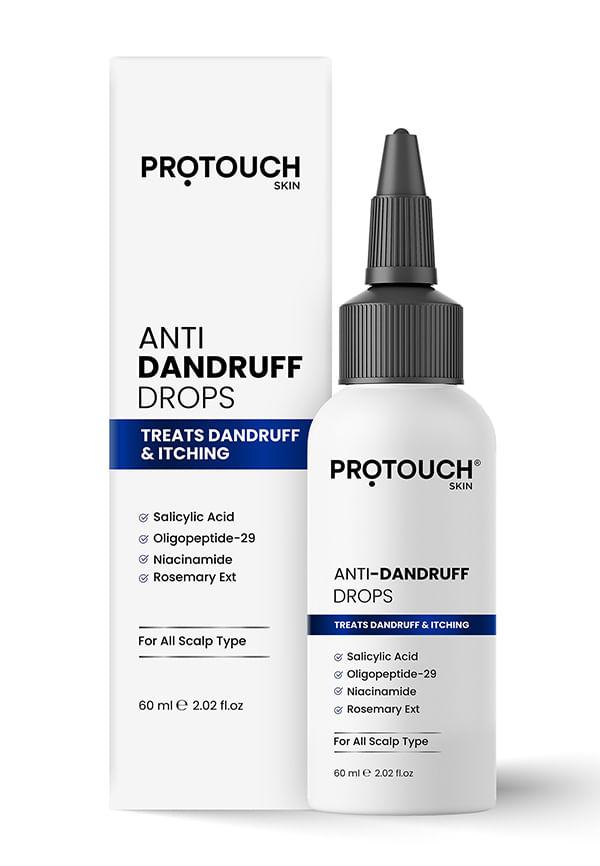
SKIN Anti Dandruff Drops Serum Soothes Itchy, Inflamed Scalp
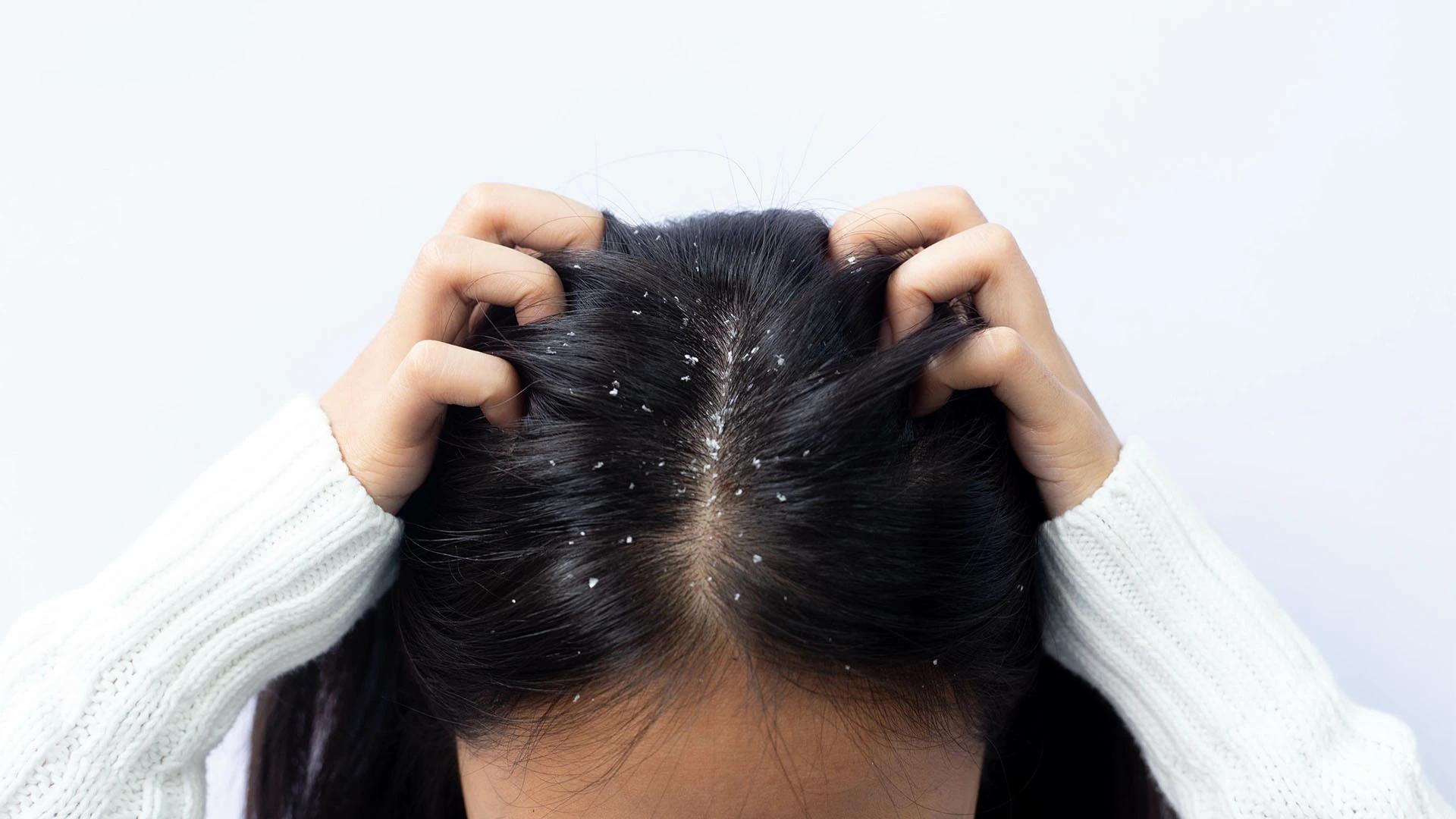
Ever noticed those white flakes on your shoulders after scratching your scalp? You're not alone. What starts as simple dandruff might actually be part of a bigger picture involving seborrheic dermatitis. If you've been wondering whether your flaky scalp is just dandruff or something more complex, you're asking the right question. The relationship between these two conditions is closer than you might think, and understanding it could be the key to finally getting your scalp comfortable again.
Here's the thing about dandruff and seborrheic dermatitis - they're not completely separate conditions fighting for space on your scalp. Think of them more like cousins in the same family. Dandruff is actually considered a mild form of seborrheic dermatitis, which means if you have dandruff, you're already dealing with a version of seborrheic dermatitis, just a gentler one.
Both conditions share the same underlying troublemaker: a yeast called Malassezia that naturally lives on everyone's scalp. When this yeast decides to throw a party and multiply beyond normal levels, it triggers an inflammatory response that leads to those familiar symptoms. The difference lies in how intensely your scalp reacts to this overgrowth.
Research shows that seborrheic dermatitis affects about 3-5% of the population, whilst simple dandruff touches nearly half of all adults at some point. What's interesting is that many people with dandruff don't realise they're experiencing the mildest end of the seborrheic dermatitis spectrum. The conditions exist on a continuum, with dandruff representing the gentler side and full-blown seborrheic dermatitis showing up with more aggressive symptoms like redness, inflammation, and patches that extend beyond just your scalp.
Understanding what triggers these scalp conditions helps explain why some people deal with occasional flakes whilst others face persistent, inflamed patches. The root cause isn't as simple as "not washing your hair enough" - though that's a myth that refuses to die.
Malassezia yeast feeds on the oils your scalp naturally produces, particularly in areas rich with sebaceous glands. When conditions are just right - think oily scalp, warm weather, or hormonal changes - this yeast multiplies rapidly. As it breaks down scalp oils, it produces byproducts that irritate your skin, leading to the inflammation and flaking you experience. Your immune system responds to this irritation by speeding up skin cell turnover, which creates those visible flakes.
Several factors can tip the balance from a healthy scalp to one dealing with dandruff or seborrheic dermatitis. Hormonal fluctuations, particularly during puberty, pregnancy, or times of stress, can increase oil production and create an ideal environment for yeast overgrowth. Seasonal changes also play a role - many people notice their symptoms worsen during winter months when indoor heating creates dry conditions, or conversely, during humid summer weather.
Your genetics matter too. If your parents dealt with these scalp conditions, you're more likely to experience them yourself. Additionally, certain medical conditions like Parkinson's disease, HIV, or depression can increase susceptibility to seborrheic dermatitis, though the exact mechanisms aren't fully understood.
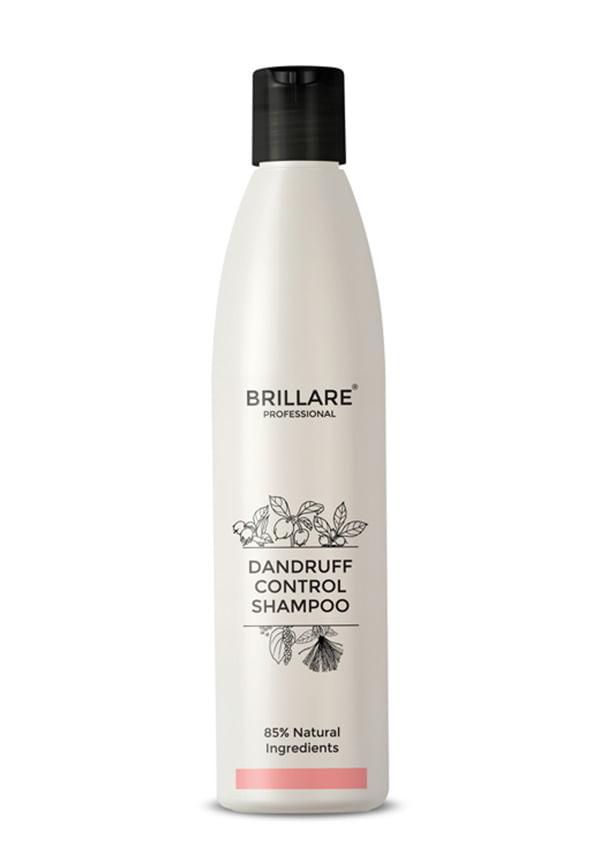
Dandruff Control Shampoo For Itchy, Flaky Scalp
Whilst dandruff and seborrheic dermatitis share common ground, recognising their differences helps you understand what you're dealing with and choose appropriate treatments. The symptoms exist on a spectrum, but there are clear markers that distinguish mild dandruff from more severe seborrheic dermatitis.
Classic dandruff presents as white or slightly yellowish flakes that fall from your scalp, particularly noticeable on dark clothing. The flaking typically occurs without visible redness or inflammation on the scalp itself. You might experience mild itchy scalp sensations, but the itching is generally manageable and doesn't interfere with daily activities. The flakes from dandruff tend to be dry and powdery, easily brushed away from hair and clothing.
Seborrheic dermatitis announces itself more dramatically. You'll notice red, inflamed patches on your scalp, often accompanied by greasy, yellowish scales rather than dry flakes. The itchy scalp sensation is typically more intense and persistent, sometimes leading to scratching that worsens the inflammation. Unlike simple dandruff, seborrheic dermatitis often extends beyond the scalp to affect other oily areas of your body - around your nose, eyebrows, ears, chest, and sometimes even your back.
The condition tends to be chronic and relapsing, meaning symptoms may improve for periods before flaring up again. During active phases, the affected areas may feel tender or burning, and the scaling can be thick enough to temporarily affect hair growth in severe cases.
The short answer is yes, but it's the mildest form. Think of dandruff as seborrheic dermatitis in its most gentle expression. Having dandruff means your scalp is experiencing the same underlying process that causes seborrheic dermatitis - yeast overgrowth and subsequent inflammation - but your skin's response is relatively mild.
This doesn't mean your dandruff will necessarily progress to more severe seborrheic dermatitis. Many people maintain stable, mild symptoms throughout their lives without escalation. However, certain triggers can cause dandruff to worsen into more obvious seborrheic dermatitis. Periods of high stress, hormonal changes, illness, or using harsh hair products can all potentially tip the balance.
The key is recognising when your symptoms change. If your usual dandruff routine stops working, if you notice redness or inflammation, or if flaking spreads to other areas of your body, you're likely dealing with a more active form of seborrheic dermatitis that may benefit from different treatment approaches.
Treating these scalp conditions successfully requires understanding that you're managing a chronic condition rather than curing it permanently. The goal is controlling symptoms and preventing flare-ups, which is absolutely achievable with the right approach.
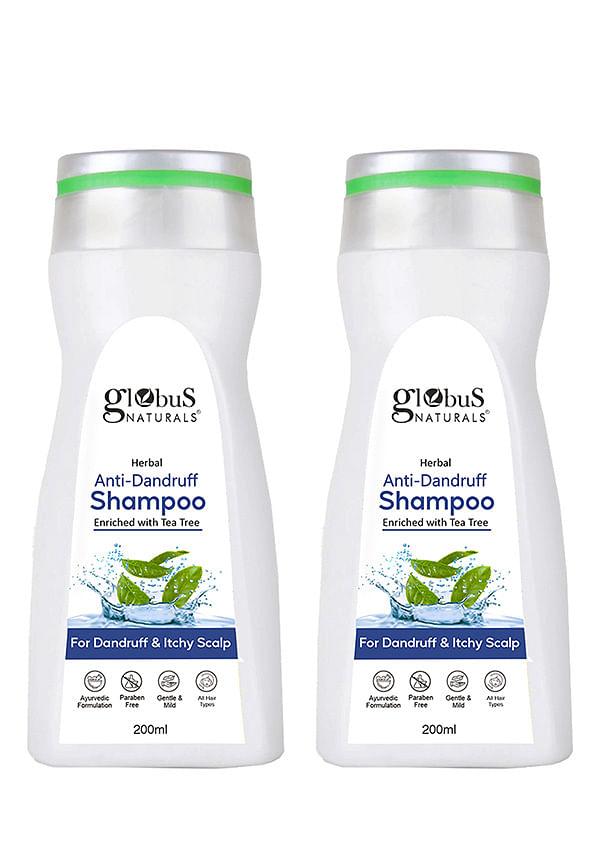
Anti Dandruff Shampoo, For Dandruff and Itchy Scalp
Antifungal shampoos form the backbone of treatment for both dandruff and mild seborrheic dermatitis. Look for products containing ketoconazole, which directly targets the Malassezia yeast responsible for symptoms. Selenium sulfide and zinc pyrithione are equally effective alternatives that work by reducing yeast populations and controlling scalp inflammation.
For more stubborn cases, salicylic acid helps remove built-up scales, whilst coal tar shampoos can reduce both inflammation and cell turnover. The key is using these treatments consistently - typically 2-3 times per week initially, then reducing to maintenance levels once symptoms improve. Always leave medicated shampoos on your scalp for several minutes before rinsing to allow active ingredients to work effectively.
When over-the-counter options aren't sufficient, prescription treatments can provide more targeted relief. Stronger antifungal medications, including prescription-strength ketoconazole or newer options like ciclopirox, offer enhanced yeast control. For significant inflammation, dermatologists may prescribe topical corticosteroids for short-term use to quickly reduce redness and discomfort.
It's worth seeing a dermatologist if your symptoms don't improve after 6-8 weeks of consistent treatment, if you develop thick, adherent scales, or if the condition spreads beyond your scalp. They can also help distinguish seborrheic dermatitis from other skin conditions like psoriasis, which requires different treatment approaches.
Managing dandruff and seborrheic dermatitis long-term is about creating an environment on your scalp that discourages yeast overgrowth whilst maintaining your skin's natural balance. This means developing a sustainable routine that you can maintain consistently.
Regular hair washing helps remove excess oils that feed Malassezia yeast, but over-washing can strip your scalp and trigger increased oil production. Most people find washing every other day or every two days works well. When you do wash, focus the shampoo on your scalp rather than the length of your hair, and consider alternating between a medicated shampoo and a gentle, everyday formula.
Stress management plays a surprisingly important role in preventing flare-ups. Since stress can trigger hormonal changes that worsen scalp inflammation, incorporating stress-reduction techniques like regular exercise, adequate sleep, and relaxation practices can help maintain scalp health. Some people also find that certain dietary factors - particularly foods high in sugar or dairy - can influence their symptoms, though this varies individually.
Environmental factors matter too. Using a humidifier during dry winter months can prevent your scalp from becoming overly dry, whilst ensuring good ventilation and avoiding excessive heat styling helps maintain a healthy scalp environment. Pay attention to your personal triggers and adjust your routine accordingly.
Yes, dandruff is actually a mild form of seborrheic dermatitis. Both conditions involve the same underlying process of yeast overgrowth and inflammation, but dandruff represents the gentler end of the spectrum with minimal visible inflammation.
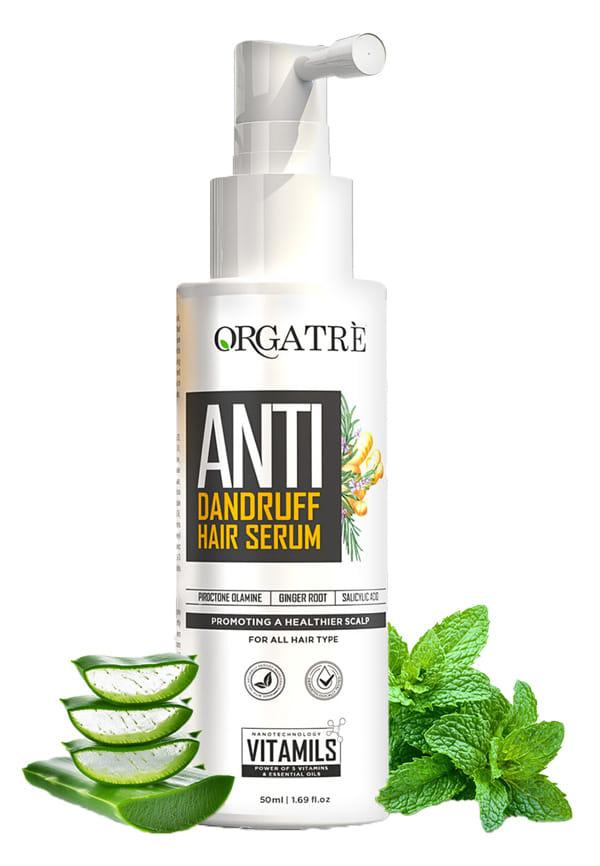
Anti Dandruff Hair Serum | Treatment for Dandruff, Flaky & Dry Scalp
While there's no permanent cure for seborrheic dermatitis, it's highly manageable with proper treatment. Most people can achieve long periods of clear, comfortable skin by maintaining an appropriate routine and avoiding known triggers.
Most people notice improvement within 2-4 weeks of consistent treatment. However, it may take 6-8 weeks to see full results, and maintenance therapy is usually necessary to prevent symptoms from returning.
No, seborrheic dermatitis is not contagious. While it involves yeast that naturally lives on everyone's skin, the condition develops due to individual factors like genetics, immune response, and environmental triggers rather than transmission between people.
Common triggers include stress, hormonal changes, cold dry weather, certain medications, illness, and sometimes specific hair products. Identifying your personal triggers helps prevent future flare-ups.
Yes, unlike simple dandruff which typically stays on the scalp, seborrheic dermatitis can affect other oily areas including the face, ears, chest, and back. This is one key difference between the two conditions.
Understanding that dandruff and seborrheic dermatitis exist on the same spectrum helps explain why your scalp behaves the way it does. Whether you're dealing with occasional flakes or more persistent scalp inflammation, the key is finding a routine that works for your specific situation and sticking with it consistently.
Remember that these scalp conditions are incredibly common and completely manageable. With the right combination of treatments, lifestyle adjustments, and patience, you can achieve a comfortable, healthy scalp. The goal isn't perfection - it's finding what works for you and maintaining it long-term.
For those exploring different scalp care products, platforms like Smytten offer a practical way to test various treatments before committing to full-size purchases. With access to curated products from trusted brands and the ability to try minis first, you can discover what works for your specific scalp needs without the guesswork. After all, when it comes to managing scalp conditions, finding the right products for your individual situation makes all the difference.
