How Collagen Production Declines in Indian Skin with Age


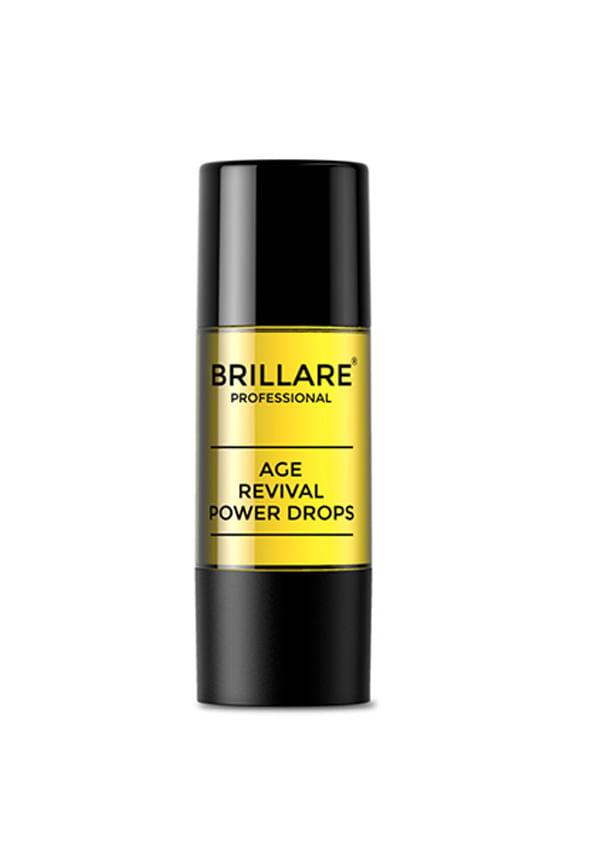
Age Revival Power Drops For Ageing Skin
Hydrating Age Revival Drops
 5
5“I have always wanted to get my hands on age revival drops. my face feels hydrated in the morning after night application”
Have you ever wondered why your skin felt different at 30 compared to your early twenties? That subtle shift in firmness, the way your skin doesn't bounce back quite the same way after a long day, or how those laugh lines seem to linger a bit longer? You're not imagining it. Your skin's collagen production has been quietly declining since your mid-twenties, and understanding this process is the first step towards taking better care of your skin as it ages.
Think of collagen as your skin's internal scaffolding system. This protein makes up about 75% of your skin's structure, providing the firmness, elasticity, and smooth texture that we associate with youthful skin. When your collagen levels are optimal, your skin feels plump, resilient, and recovers quickly from daily stresses like facial expressions and environmental exposure.
Type I collagen is the star player in your skin's aging process. It's responsible for maintaining skin thickness and providing that coveted bounce-back quality. When you press your finger gently into your cheek and watch how quickly the skin returns to its original position, you're witnessing collagen at work. This protein also plays a crucial role in wound healing and maintaining your skin's barrier function.
Indian skin has some fascinating advantages when it comes to collagen protection. The higher melanin content in Indian skin types provides natural UV protection, which helps shield collagen fibres from sun damage. Research suggests that this built-in protection may slow down some aspects of collagen breakdown compared to lighter skin tones. However, this doesn't make Indian skin immune to aging skin concerns – it simply means the timeline and manifestation might differ slightly.
Understanding when and how collagen production begins to slow down can help you make informed decisions about your skincare routine. The process isn't sudden – it's a gradual shift that begins earlier than most people realise.
The decline begins around age 25, with your body producing approximately 1% less collagen each year. By your thirties, environmental factors like UV exposure and pollution can accelerate this breakdown. Many people first notice changes in their mid-to-late twenties, though these early signs are often subtle – perhaps a slight change in how their skin feels after cleansing or a barely perceptible difference in skin elasticity.
In your twenties and thirties, you're looking at that steady 1-1.5% yearly reduction. By your forties and fifties, the slowdown becomes more pronounced, with significantly less new collagen being produced. Here's something many people wonder about: does a 70-year-old still produce collagen? The answer is yes, but at dramatically reduced levels – sometimes as little as 20% of what a 25-year-old produces.
Recognising the early signs of collagen decline can help you adjust your skincare routine before more visible changes occur. The key is knowing what to look for at different life stages.
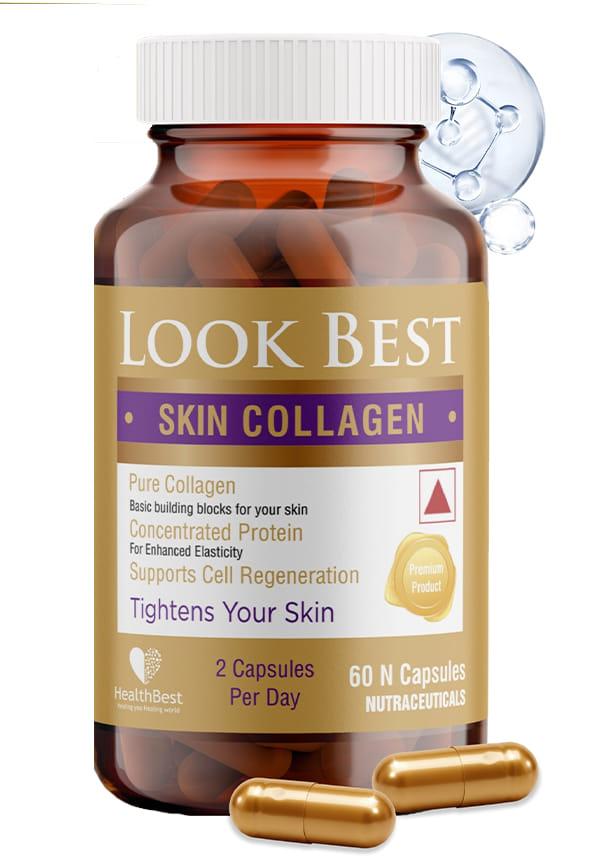
Skin Collagen Supplement for Women & Men - Enhances Skin Tightening, Boosts Elasticity & Firmness
Excellent Product
5“best really good product 👌 👏 👍”
Effective and Improves Skin
5“skin looking best now and effective”
Excellent Acne Treatment
5“"This skin medicine effectively treats acne, blemishes, and inflammation. Its natural ingredients soothe irritation, promote healing, and restore skin balance. Regular use improves skin texture, reduces redness, and prevents future breakouts, making it a reliable solution for healthy, glowing skin”
The first hints of collagen loss are often felt rather than seen. Your skin might not feel quite as firm when you cleanse it, or you might notice that facial expressions leave temporary marks that take slightly longer to disappear. These changes are normal and expected – your skin is simply beginning its natural aging process.
As collagen synthesis continues to slow, more visible changes emerge. Fine lines typically appear first around the eyes and mouth, areas where facial expressions create repeated folding. Wrinkle reduction becomes a common concern as these lines deepen. You might also notice that your skin feels thinner or that small cuts and scratches take longer to heal completely.
This is perhaps the most important question: can you reverse collagen loss? While you can't turn back time completely, you can absolutely support your skin's remaining collagen and encourage new production. The key is understanding that some loss is natural and irreversible, but much can be done to slow the process and support healthy skin aging process.
Living in India presents unique challenges for maintaining healthy collagen levels. The combination of intense UV radiation, air pollution, and climate factors can accelerate the natural aging process if not properly managed.
India's intense sun exposure is particularly challenging for collagen health. UV radiation breaks down existing collagen fibres and impairs your skin's ability to produce new ones. Urban areas add another layer of complexity with air pollution creating oxidative stress that damages collagen at the cellular level. High humidity and heat can also affect collagen stability, though this varies significantly across different regions of India.
Your daily habits play a crucial role in how quickly your collagen declines. High sugar consumption – common in many Indian diets – can lead to glycation, a process where sugar molecules bind to collagen fibres, making them stiff and less functional. Chronic stress elevates cortisol levels, which directly interferes with collagen production. Poor sleep patterns also disrupt the natural repair cycles when your skin typically produces the most collagen.
If collagen had a worst enemy, it would be unprotected sun exposure. UV rays break down collagen faster than your body can replace it, leading to premature aging. Sugar comes in as a close second – the glycation process literally ages your collagen from the inside out. Smoking and pollution create oxidative stress that damages the cellular machinery responsible for collagen production.
Understanding the biological mechanisms behind collagen decline helps explain why certain treatments and lifestyle changes are effective. The process involves complex cellular changes that occur gradually over time.
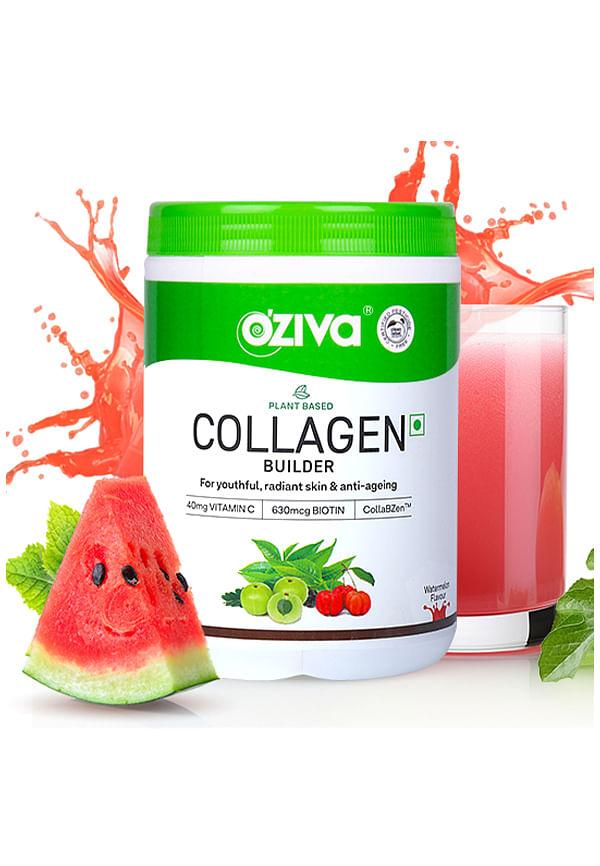
Collagen Builder for Anti-Ageing & Skin Radiance with Vitamin C, Watermelon
Good Product, Recommended
5“good product recommended to use”
Good Product, Recommended
5“good product recommended to use”
Good Product, Recommended
5“good product recommended to use”
Your skin's fibroblasts – the cells responsible for producing collagen – become less efficient as you age. They produce less collagen and the collagen they do produce may be of lower quality. Additionally, the mechanical stimulation that normally encourages collagen production becomes less effective in aged tissue, creating a cycle where less stimulation leads to less production.
Intrinsic aging is the natural, genetically programmed process that affects everyone. For Indian skin, genetic factors may influence how quickly this occurs and how it manifests. Extrinsic aging, however, is largely within your control – it's the damage caused by sun exposure, pollution, lifestyle choices, and environmental factors. The good news is that addressing extrinsic factors can significantly slow down visible aging.
While you can't stop the aging process entirely, you can take meaningful steps to support your skin's collagen production and protect what you have. The most effective approach combines prevention with active treatment.
Retinoids are among the most scientifically proven ingredients for stimulating collagen synthesis. They work by encouraging cellular turnover and signalling your fibroblasts to produce more collagen. Vitamin C serums provide dual benefits – they protect existing collagen from oxidative damage while supporting the production of new collagen. Peptide treatments send signals to your skin cells to ramp up collagen production, essentially tricking your skin into thinking it needs to repair itself.
However, the most important step in any anti-aging skincare routine is prevention. Daily sunscreen use is non-negotiable for maintaining healthy collagen levels. Look for broad-spectrum formulas with at least SPF 30, and reapply throughout the day, especially if you're spending time outdoors.
Collagen supplements have gained popularity, but the science is still evolving. Some studies suggest that hydrolysed collagen peptides may support skin hydration and elasticity. The key is bioavailability – your body needs to be able to break down and utilise the collagen you consume. While supplements may offer some benefits, they work best as part of a comprehensive approach that includes proper skincare and sun protection.
Your diet plays a crucial role in supporting collagen production. Foods rich in vitamin C, zinc, and amino acids provide the building blocks your body needs to make collagen. Regular exercise improves circulation, delivering nutrients to your skin cells more effectively. Quality sleep is when your body does most of its repair work, including collagen synthesis.
Creating an effective routine for aging skin doesn't require dozens of products – it requires the right products used consistently. The key is addressing both protection and repair.
Start with gentle cleansing that doesn't strip your skin's natural oils. Follow with an antioxidant serum containing vitamin C or niacinamide to protect against environmental damage. Finish with a broad-spectrum sunscreen – this single step is the most important thing you can do to preserve your existing collagen.
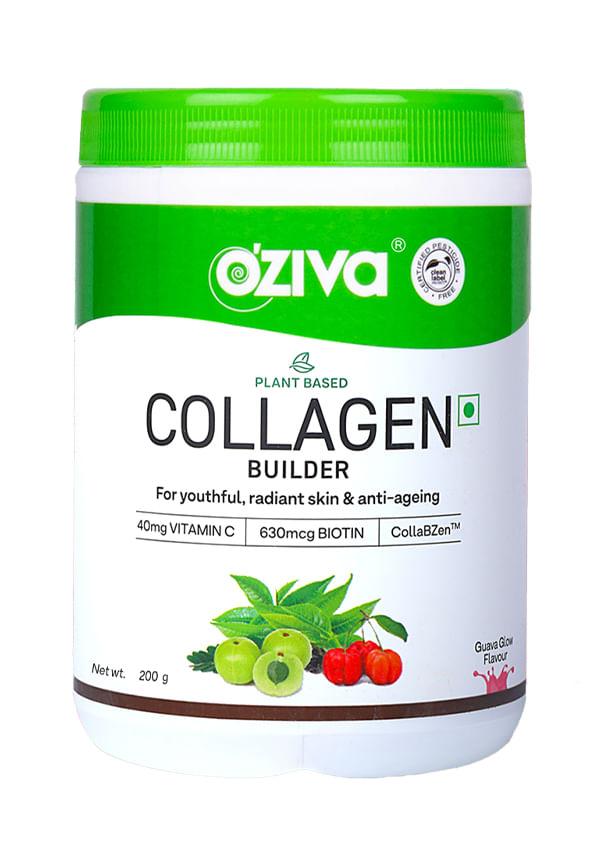
Collagen Builder for Anti-Ageing & Skin Radiance with Vitamin C, Guava Glow 200g
Hard to mix in cold water
5“hard to mix in cold water please improve quality”
Average Product, No Changes
4“Ok Ok product. Dont see any changes in my skin.”
Delicious Watermelon Flavor
5“I have tried different flavours..though my favourite is watermelon and the taste is really good.”
Evening is when your skin does its repair work. After cleansing, apply treatments containing retinoids or peptides to stimulate collagen production. Follow with a moisturiser to support your skin's barrier function overnight. This is also when your body naturally produces the most growth hormone, which supports collagen synthesis.
Consider incorporating weekly treatments like gentle exfoliation with AHAs to encourage cellular turnover. Professional treatments available in India include microneedling, chemical peels, and laser therapies that can stimulate collagen production more dramatically than at-home treatments.
Yes, collagen production naturally decreases by approximately 1% per year starting around age 25. This is a normal part of the aging process that affects everyone, though the rate and visibility of decline can vary based on genetics, lifestyle, and environmental factors.
Your face never completely stops producing collagen, but production slows dramatically with age. By age 60, you may be producing only 40-50% of the collagen you produced in your twenties. However, your skin continues to make some collagen throughout your life.
UV radiation is collagen's biggest enemy, breaking down existing fibres and preventing new production. Other major threats include sugar (which causes glycation), smoking, pollution, and chronic stress. These factors accelerate collagen breakdown beyond the natural aging process.
While you can't reverse all collagen loss, you can slow the process and support new production through proper skincare, sun protection, and healthy lifestyle choices. Treatments like retinoids, vitamin C, and professional procedures can help stimulate collagen synthesis.
Understanding how collagen production declines with age empowers you to make informed decisions about your skincare routine. While aging is inevitable, premature collagen loss often isn't. The combination of consistent sun protection, proven active ingredients, and healthy lifestyle choices can significantly impact how your skin ages.
Remember, the best time to start protecting your collagen was yesterday – the second-best time is today. Whether you're in your twenties looking to prevent future damage or in your forties addressing existing concerns, there are effective strategies available. The key is consistency and patience, as collagen changes happen gradually over months and years, not days or weeks.
If you're curious about trying new skincare for aging skin products but hesitant to commit to full sizes, platforms like Smytten let you explore minis from trusted brands before investing in complete routines. With over 28 million users discovering products through trial sizes, it's become a smart way to test what works for your unique skin needs without the guesswork.
