How Climate Changes Affect Indian Skin During Travel


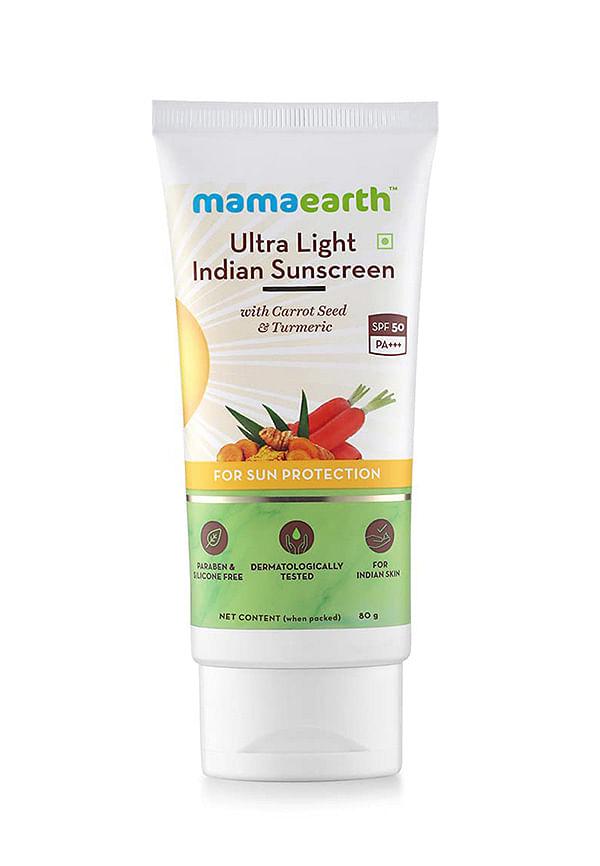
Ultra Light indian Sunscreen
Ever stepped off a plane in Mumbai's humidity after a week in Delhi's dry winter air and watched your skin have a complete meltdown? Or perhaps you've travelled from Bangalore's pleasant climate to Rajasthan's desert heat, only to find your usually balanced skin suddenly parched and irritated? You're not imagining it — climate changes during travel genuinely affect how your skin behaves, and Indian skin has its own unique way of responding to these environmental shifts.
When you travel from one climate to another, your skin doesn't just pack up and adapt overnight. Indian skin, with its naturally higher melanin content, responds differently to climate variations compared to other skin types. The science behind this is fascinating: your skin barrier — that protective outer layer — works overtime to maintain balance when faced with sudden environmental changes.
Think of your skin barrier like a smart thermostat that's been programmed for your home climate. When you suddenly transport it to a completely different environment, it takes time to recalibrate. During this adjustment period, you might notice increased sensitivity, unexpected breakouts, or that frustrating combination of oily T-zone with dry cheeks.
Melanin-rich Indian skin has some advantages when it comes to climate adaptation, particularly better natural protection against UV damage. However, this doesn't make it immune to climate-related skin concerns. Your skin's sebaceous glands respond to humidity levels, whilst your skin's natural moisture factor adjusts to temperature changes. When these environmental factors shift rapidly during travel, your skin can struggle to keep up.
The most frequent issues Indian travellers face include sudden hyperpigmentation flare-ups, especially when moving to sunnier climates. Dehydration becomes a major concern in dry environments, whilst humid destinations often trigger unexpected congestion and breakouts. Many travellers also report increased skin sensitivity and irritation during the first few days in a new climate.
Each climate presents its own set of challenges for your skin. Understanding these specific effects helps you prepare better and adjust your skincare routine accordingly. Let's break down what happens when you travel to different environmental conditions.
Desert regions and arid climates can be particularly challenging for Indian skin. The low humidity levels cause rapid moisture loss, leading to that tight, uncomfortable feeling within hours of arrival. Your skin might start producing more oil to compensate, creating an odd combination of surface dryness with underlying oiliness. Fine lines can appear more pronounced due to dehydration, and existing hyperpigmentation might look darker against the newly parched skin.
Travelling to humid destinations like coastal areas or tropical countries often triggers excessive oil production. Your pores work overtime, leading to congestion and potential breakouts. The combination of heat and humidity creates the perfect environment for bacterial growth, which explains why many people experience sudden acne flare-ups during beach holidays. Heat rash and inflammation are also common, particularly in areas where clothing rubs against the skin.
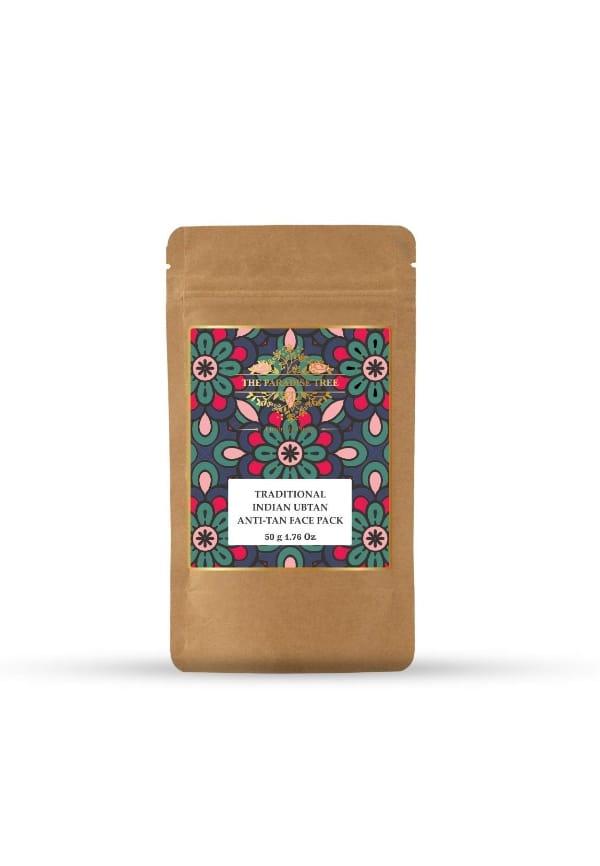
Traditional Indian Ubtan Anti Tan Face Pack
Cold environments present their own unique challenges. Reduced blood circulation affects how nutrients reach your skin cells, whilst the dry air strips away natural moisture. Many Indian travellers notice their skin becoming flaky and irritated when visiting colder destinations, especially if they're coming from warmer, more humid climates. The contrast can be quite shocking for skin that's accustomed to year-round warmth.
Altitude changes intensify UV exposure significantly — the sun feels stronger because it actually is stronger at higher elevations. Your skin loses moisture more rapidly due to lower oxygen levels and reduced atmospheric pressure. Many travellers to hill stations or mountain destinations notice their skin becoming dry and sensitive much faster than expected.
Beyond the destination climate, the journey itself affects your skin. Understanding these travel-specific challenges helps you maintain healthier skin throughout your trip, not just once you arrive.
Airplane cabins maintain humidity levels around 20%, compared to the comfortable 40-60% your skin prefers. This extremely dry environment accelerates moisture loss, leaving your skin feeling tight and dehydrated. The recycled air and cabin pressure changes also affect circulation, which can make your skin look dull and tired upon arrival.
Different climates mean different UV intensities, and your skin needs time to adjust its natural protection mechanisms. Sun exposure at higher altitudes or closer to the equator can catch Indian skin off guard, despite its natural melanin protection. This is particularly important when travelling to destinations with reflective surfaces like snow or water, which amplify UV exposure.
Adapting your skincare routine for travel doesn't mean overhauling everything you use. Instead, it's about making strategic adjustments that support your skin through climate transitions whilst maintaining the basics that work for you.
Start strengthening your skin barrier about two weeks before travel. Focus on gentle, hydrating products with ingredients like ceramides and hyaluronic acid. Avoid introducing completely new products right before travel — your skin needs stability, not surprises. Instead, gradually increase your use of barrier-supporting ingredients.

Wild Indian Rose Anti-Tan Face Pack
For dry climates, pack a heavier moisturiser and consider adding a facial oil to your routine. Humid destinations call for lighter, gel-based products and perhaps a gentle BHA to prevent congestion. Cold weather travel requires rich, protective creams and extra attention to areas like hands and lips that lose moisture quickly.
During long flights, apply a hydrating serum before your moisturiser, and don't skip SPF even on the plane — UV exposure at altitude is significant. Pack a facial mist for mid-flight hydration, and consider sheet masks for overnight flights to arrive with plumper, more hydrated skin.
Understanding optimal environmental conditions helps you prepare for climate changes and adjust expectations accordingly. Indian skin generally thrives in moderate humidity levels and consistent temperatures, which explains why many people notice their best skin days during pleasant weather periods.
The ideal environment for most Indian skin types includes humidity levels between 40-60% and temperatures ranging from 20-25°C. These conditions allow your skin to maintain its natural moisture balance without overproducing oil or becoming excessively dry. Seasonal transitions within India often provide these optimal conditions, which is why many people notice their skin looks its best during certain months.
Climate-triggered allergic reactions can manifest as sudden redness, itching, or unusual breakouts. These reactions often occur when your skin encounters new environmental allergens combined with climate stress. If you notice persistent irritation that doesn't improve within a few days of arrival, consider whether new environmental factors like different water quality, air pollution levels, or plant allergens might be contributing.
Maintaining healthy skin during climate changes comes down to supporting your skin's natural adaptation processes whilst providing extra care during the transition period. These universal principles work regardless of your destination or skin type.
The foundation of travel skincare remains consistent: gentle cleansing, adequate hydration, and sun protection. Focus on products with proven ingredients like niacinamide for oil control and barrier support, hyaluronic acid for hydration, and broad-spectrum SPF for protection. Consistency matters more than complexity when your skin is adjusting to new conditions.
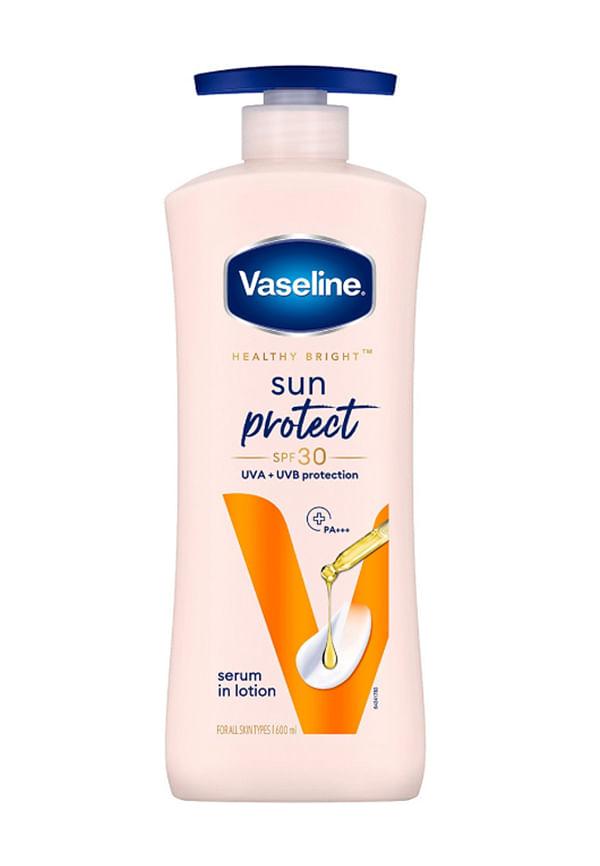
Sun + Pollution Protection SPF 30 Body Lotion
Pack a small emergency kit with multipurpose products: a gentle cleanser that works for both face and body, a rich moisturiser that can double as a treatment for dry patches, and a soothing ingredient like aloe vera for irritation. These basics can address most climate-related skin issues until you can find specific products locally.
Yes, travelling significantly affects your skin through multiple factors: cabin dehydration during flights, sudden climate changes, different water quality, altered sleep patterns, and new environmental stressors. Your skin typically needs 3-7 days to begin adapting to a new climate, during which you might experience increased sensitivity, breakouts, or dryness.
Moderate climates with 40-60% humidity and temperatures between 20-25°C are generally best for Indian skin. These conditions allow your skin to maintain its natural moisture balance without triggering excessive oil production or severe dryness. Consistent, mild climates with minimal pollution provide optimal conditions for skin health.
Dry climates can accelerate visible signs of ageing by causing chronic dehydration, which makes fine lines more apparent and can lead to increased skin sensitivity. However, proper hydration and barrier protection can minimise these effects. The key is maintaining adequate moisture levels through both skincare and environmental humidity.
Skin typically begins adapting to a new climate within 3-7 days, with full adaptation taking 2-4 weeks. The adjustment period depends on how dramatically different the new climate is from your home environment. During this time, maintaining a gentle, consistent skincare routine helps support the adaptation process.
Understanding how climate changes affect your skin during travel empowers you to make better skincare decisions and enjoy your trips with confidence. Remember that skin adaptation is a natural process — your skin is remarkably resilient and will adjust to new environments given time and proper care.
The key is supporting this natural adaptation process with thoughtful skincare choices rather than fighting against it. Whether you're dealing with unexpected breakouts in humid Bangkok or dry, tight skin in Dubai's desert climate, gentle consistency in your routine will serve you better than dramatic changes.
For those curious about trying new climate-specific products without committing to full sizes, platforms like Smytten offer an excellent way to test different formulations before investing. With access to minis from trusted brands, you can experiment with climate-appropriate products and find what works best for your skin's travel needs. After all, why settle for maybe when you can discover exactly what your skin loves in every climate?
