How Climate Change Impacts Indian Skin Health: A Guide


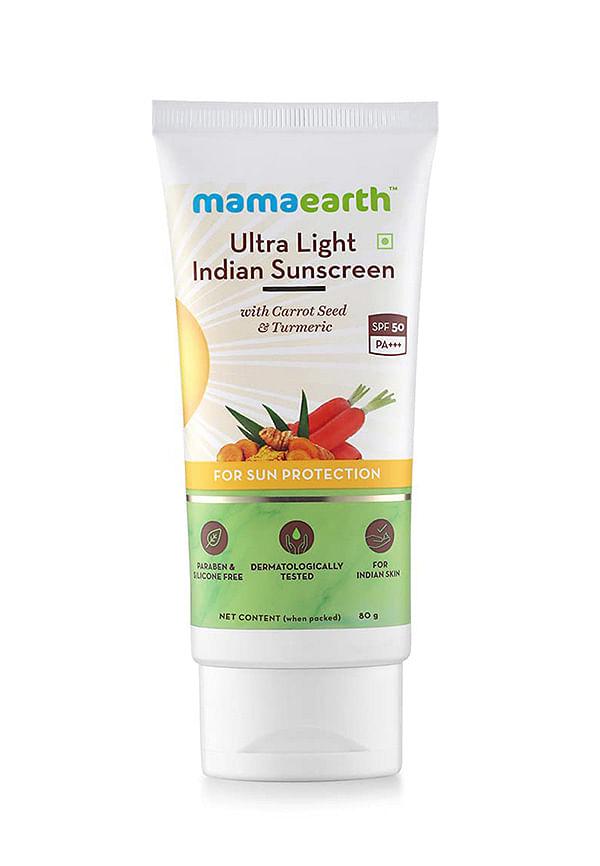
Ultra Light indian Sunscreen
Have you noticed your skin acting up more frequently lately? The persistent breakouts during Delhi's smog season, the stubborn dark patches that seem to worsen each summer, or perhaps that constant feeling of skin irritation despite your usual routine. You're not imagining it. Climate change is reshaping how our skin responds to the environment, and for those of us living in India, the effects are particularly pronounced. From the scorching heat waves that now stretch longer into the year to the increasingly unpredictable monsoons and deteriorating air quality in our cities, our skin is bearing the brunt of these environmental shifts.
India's position near the equator means we're already dealing with intense UV radiation year-round, but climate change is amplifying these challenges in ways that directly impact our skin health. The subcontinent is experiencing rising average temperatures, erratic weather patterns, and increased pollution levels that create a perfect storm for skin concerns.
Our skin, being the body's first line of defence, is constantly adapting to these environmental stressors. However, there's a threshold beyond which adaptation becomes damage, and many regions across India are crossing that line more frequently.
The heat island effect in cities like Mumbai, Delhi, and Bangalore means urban temperatures are often 2-5 degrees higher than surrounding areas. This isn't just uncomfortable—it's actively challenging our skin's ability to maintain its protective barrier. The monsoon patterns, once predictable, now bring sudden humidity spikes followed by extended dry periods, leaving our skin confused and reactive.
Indian skin types, typically ranging from Type III to V on the Fitzpatrick scale, do have natural advantages. Higher melanin content provides some UV protection, but it also makes us more prone to hyperpigmentation when the skin barrier is compromised. The genetic predisposition towards increased sebum production in tropical climates, whilst helpful for maintaining moisture, can lead to more frequent breakouts when combined with pollution and heat stress.
The mercury isn't just rising—it's staying elevated for longer periods. Cities across India are recording temperatures above 45°C more frequently, and this sustained heat exposure is taking a toll on our skin health in ways we're only beginning to understand.
When temperatures soar, our skin goes into overdrive trying to cool the body through increased sweating and vasodilation. This process, whilst natural, can lead to a cascade of skin issues that many of us experience but don't always connect to climate factors.
Heat rash and prickly heat have become almost synonymous with Indian summers, but the underlying mechanism reveals deeper concerns. When sweat ducts become blocked due to excessive heat, it's not just discomfort—it's a sign that our skin's natural cooling system is overwhelmed. The constant exposure to high temperatures also accelerates the breakdown of collagen and elastin, leading to premature ageing that's becoming increasingly common in younger age groups.

Soorya Kawach Sunscreen with Vitamin C
The humid conditions that follow intense heat create breeding grounds for fungal infections. Candida and other opportunistic organisms thrive in the warm, moist environment created by excessive sweating. Additionally, many people develop heat urticaria—an allergic reaction to their own body heat—which manifests as itchy welts during temperature spikes.
Real talk: stepping out in cities like Delhi during winter or Mumbai during peak traffic hours feels like coating your skin in a layer of grime. The PM2.5 and PM10 particles aren't just settling on the surface—they're penetrating deep into our pores and triggering inflammatory responses that can persist long after we've cleansed our skin.
The combination of vehicular emissions, industrial pollutants, and construction dust creates a cocktail of environmental stressors that our skin simply wasn't designed to handle in such concentrations.
Those tiny particulate matters act like microscopic daggers, creating free radicals that damage cellular structures and accelerate ageing. Studies from Indian dermatological centres show that people living in highly polluted areas develop visible signs of ageing 2-3 years earlier than those in cleaner environments. The constant exposure to pollutants also triggers chronic inflammation, leading to conditions like acne, eczema, and persistent skin sensitivity.
It's not just the air—contaminated water sources in many Indian cities contain heavy metals like lead and mercury that can accumulate in skin tissues over time. Agricultural runoff containing pesticides and fertilisers also contributes to skin sensitivity, particularly in rural and semi-urban areas where these chemicals are more prevalent.
Unlike temperate countries where UV exposure varies dramatically with seasons, most of India deals with high UV indices throughout the year. The UV index in cities like Chennai and Hyderabad regularly exceeds 10 (very high) even during winter months, whilst northern plains experience extreme UV levels during summer.
This constant bombardment of UV radiation, combined with increasing temperatures due to climate change, creates a compounding effect on skin health that requires year-round vigilance.
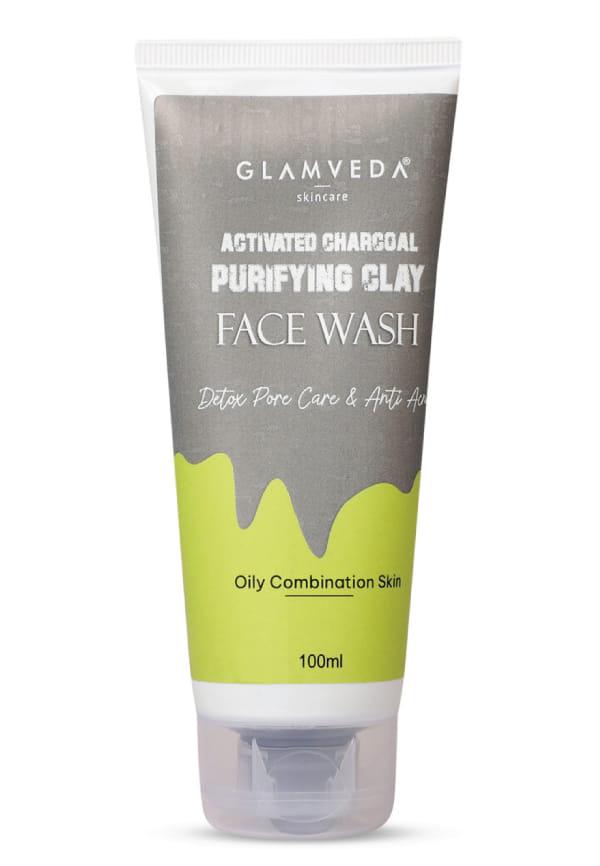
Activated Charcoal Clay Face Wash, Fights Pollution and Acne, Oil Control
The reflection of UV rays from concrete surfaces in urban areas can increase exposure by up to 15%. This means that even when you think you're protected under a building's shadow, reflected UV radiation is still reaching your skin. Hill stations, once considered refuges from intense sun, are now experiencing higher UV levels due to thinner atmosphere at altitude and increased reflection from snow and light-coloured surfaces.
Melasma affects nearly 30% of Indian women, particularly during pregnancy and hormonal changes. The condition is exacerbated by UV exposure and heat, both of which are intensifying due to climate change. Post-inflammatory hyperpigmentation (PIH) is another concern—any minor skin injury or acne can leave dark marks that persist for months when exposed to intense UV radiation.
Adapting our skincare routines to address climate-related challenges isn't just about adding more products—it's about understanding how environmental factors interact with our skin and responding accordingly. The traditional approach of seasonal skincare adjustments needs to evolve into a more dynamic, responsive strategy.
Your skin will notice when you start treating environmental protection as seriously as your daily cleansing routine. The key is building resilience rather than just reacting to damage after it occurs.
A broad-spectrum SPF of at least 30 is non-negotiable, but application technique matters enormously. Most people use only 25% of the recommended amount, which reduces protection significantly. Antioxidants like vitamin C, niacinamide, and green tea extracts help neutralise free radicals from pollution exposure. Worth adding to your routine: a gentle yet effective cleanser that removes pollutants without stripping the skin barrier.
Pre-monsoon preparation involves strengthening the skin barrier with ceramides and hyaluronic acid to handle sudden humidity changes. During peak summer, lightweight, non-comedogenic moisturisers prevent pore-clogging whilst maintaining hydration. Post-monsoon recovery focuses on addressing any fungal issues and repairing damage from increased humidity and pollution.
Indoor air purifiers aren't just luxury items—they're becoming essential for skin health in polluted cities. Timing outdoor activities for early morning or late evening reduces peak UV and pollution exposure. Cotton and linen clothing in light colours reflect heat and allow skin to breathe, reducing heat-related skin issues.

Soorya Kawach Sunscreen
Climate change creates sustained, long-term environmental stressors rather than temporary exposures. Unlike seasonal variations that our skin can adapt to, climate change brings persistent heat, unpredictable weather patterns, and increased pollution levels that overwhelm the skin's natural adaptation mechanisms.
Research suggests that people in highly polluted Indian cities may show signs of photoaging 2-3 years earlier than those in cleaner environments. However, this isn't inevitable—proper protection and skincare can significantly slow this process.
Heat rash, fungal infections, melasma, acne exacerbation, and contact dermatitis from environmental allergens are the most frequently reported climate-related skin conditions in Indian dermatology clinics.
Use a broad-spectrum sunscreen with antioxidants, cleanse thoroughly but gently twice daily, and incorporate barrier-repair ingredients like niacinamide and ceramides into your routine. Physical barriers like scarves and hats also help.
Northern plains experience extreme temperature variations and high pollution levels, whilst coastal areas deal with high humidity and salt exposure. Hill stations face intense UV due to altitude. Each region requires specific skincare adaptations.
Antioxidants (vitamin C, niacinamide, green tea), barrier-repair ingredients (ceramides, hyaluronic acid), broad-spectrum UV filters, and gentle cleansing agents that remove pollutants without over-stripping the skin.
Understanding how climate change specifically impacts Indian skin health empowers us to make informed decisions about protection and care. The challenges are real—from the intensifying heat waves to the deteriorating air quality in our cities—but they're not insurmountable.
The key lies in recognising that our skincare needs are evolving alongside our changing environment. What worked for previous generations may not be sufficient for the climate realities we face today. Building a routine that addresses pollution, heat, and UV exposure whilst supporting the skin's natural barrier function is essential for long-term skin health.
For those looking to explore climate-protective skincare options, Smytten's curated selection includes brands specifically formulated for Indian skin concerns and environmental challenges. With over 28 million users discovering products that work for their unique needs, the platform makes it easier to find effective solutions without the guesswork. If you're curious about trying new products but want to test them first, Smytten also offers minis from many leading skincare brands, letting you discover what works for your skin before committing to full sizes.
