How Ceramides Protect Your Sensitive Skin Barrier


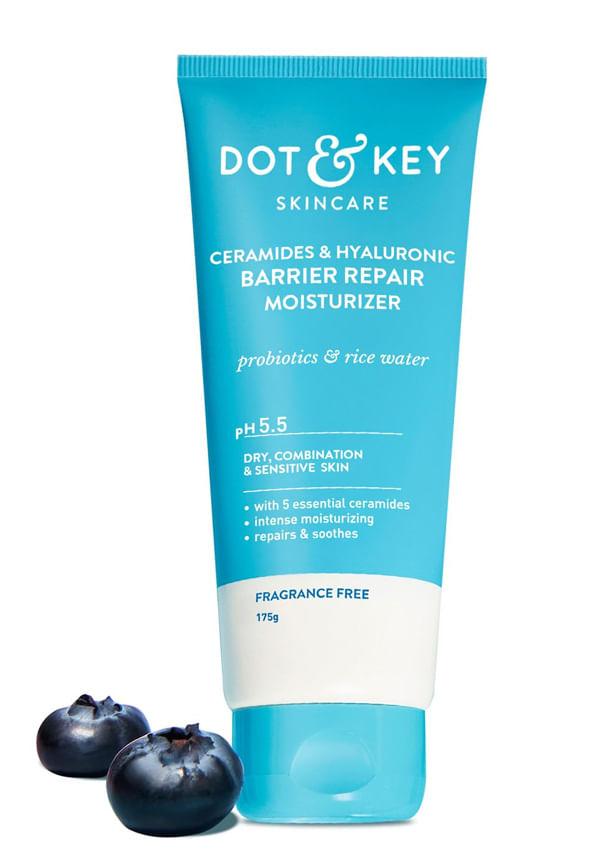
Ceramides & Hyaluronic Barrier Repair Moisturizer
Good & Similar Product
 5
5“Good product, best product and very similar product”
Good & Similar Product
5“Good product, best product and very similar product”
Good & Similar Product
5“Good product, best product and very similar product”
If your skin throws a tantrum every time you try a new product, you're probably dealing with a compromised skin barrier. Real talk—sensitive skin isn't just about being "delicate." It's often a sign that your skin's protective barrier needs some serious TLC. Enter ceramides, the unsung heroes of gentle skincare that might just become your skin's new best friend. These naturally occurring lipids work like tiny bodyguards, strengthening your skin's defences and keeping irritants at bay. Let's dive into how ceramides for sensitive skin protection can transform your skincare game without the drama.
Think of ceramides as the mortar between your skin's bricks. These waxy lipid molecules make up about 50% of your skin's outer layer, creating a protective barrier that keeps moisture in and nasties out. When your skin is healthy, it naturally produces plenty of ceramides. But here's the thing—sensitive skin often struggles to maintain adequate ceramide levels.
Your skin loses ceramides faster when it's constantly battling irritation, environmental stress, or harsh products. This creates a vicious cycle: fewer ceramides mean a weaker barrier, which leads to more sensitivity, which depletes even more ceramides. The result? That tight, red, reactive skin that makes you want to hide under a blanket.
Ceramides skincare products work by replenishing what your skin has lost. Unlike some ingredients that can be too intense for reactive skin, ceramides are naturally compatible because they're already part of your skin's structure. The ceramides benefits include:
Restoring your skin's natural protective barrier
Reducing water loss and maintaining hydration
Calming inflammation and redness
Making your skin less reactive to environmental triggers
Supporting long-term skin health without irritation
The science behind ceramide barrier repair is pretty fascinating. When you apply ceramide-rich products, these lipids integrate into your skin's existing structure, literally filling in the gaps where your natural ceramides have been depleted. This process strengthens your sensitive skin barrier from the inside out.
One of the biggest wins with ceramides is their ability to reduce trans-epidermal water loss (TEWL). Basically, they stop your skin from losing moisture through tiny gaps in the barrier. This means your skin stays hydrated longer and doesn't have to work overtime to repair itself. Less stress on your skin equals less sensitivity overall.
Ceramides also create a protective shield against environmental irritants like pollution, harsh weather, and allergens. When your barrier is strong, these potential triggers can't penetrate as easily, which means fewer flare-ups and that constant feeling of your skin being "on edge." The skin barrier repair process typically starts within days of consistent use, though you'll see the most dramatic improvements after a few weeks.
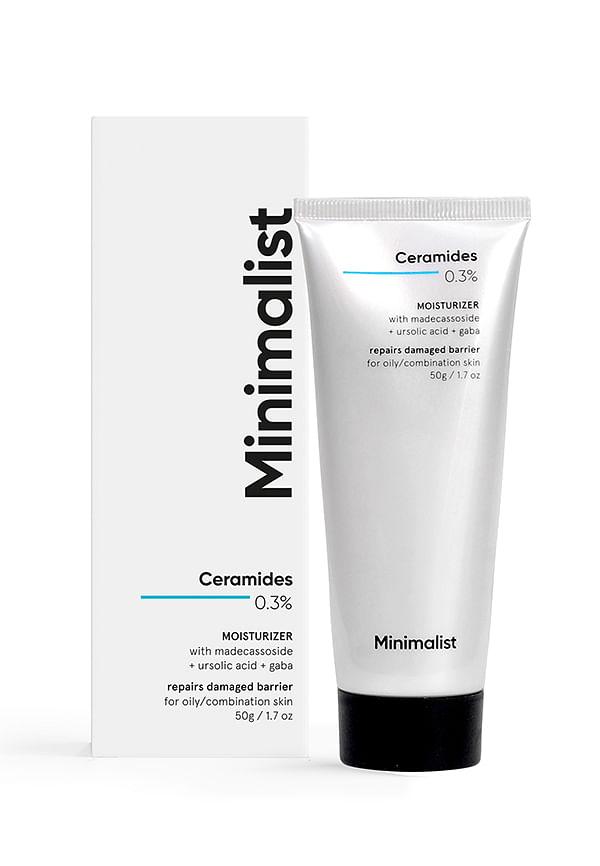
Ceramides 0.3% Moisturizer with Madecassoside
Good Formulation
5“pretty good formulation, must try”
Good Formulation
5“pretty good formulation, must try”
Great for various skin types and makeup
5“works well for oily, combination, and normal skin, and layers nicely under sunscreen and makeup. The packaging is convenient, and a little product goes a long”
You've probably heard about hyaluronic acid, niacinamide, and peptides for sensitive skin. While these ingredients have their place, ceramides offer something unique—they're essentially giving your skin back what it naturally needs rather than introducing something foreign.
Hyaluronic acid is brilliant for hydration, but it doesn't actually repair your barrier. Niacinamide can reduce inflammation, but some people find it irritating. Peptides are great for anti-ageing, but they don't address the fundamental barrier issues that cause sensitivity. Ceramides, on the other hand, tackle the root cause by rebuilding your skin's defences.
What makes ceramides part of truly gentle skincare is their compatibility with almost every other ingredient. They play well with retinoids (making them less irritating), boost the effectiveness of moisturising ingredients, and even help soothing skincare products work better. Plus, they're non-comedogenic, so they won't clog pores or cause breakouts—a common concern for people with sensitive, acne-prone skin.
Not all ceramide products are created equal, and your specific skin type will determine which formulation works best for you. The key is finding the right balance of ceramides with complementary ingredients that address your particular concerns.
If your skin feels tight and flaky alongside being reactive, you'll want to look for rich ceramide cream formulations. These typically contain multiple types of ceramides (look for ceramide 1, 3, and 6-II on ingredient lists) combined with other barrier-supporting ingredients like cholesterol and fatty acids. Dry skin ceramides work best in heavier textures that provide long-lasting moisture.
Yes, oily skin can be sensitive too! For this skin type, lightweight gel or lotion formulations with ceramides are your friend. These provide barrier repair without the heaviness that might trigger breakouts. Look for products that combine ceramides with niacinamide or zinc for added oil control.
Clinical studies show that eczema ceramides can significantly improve symptoms and reduce flare-ups. For conditions like eczema or dermatitis, fragrance-free formulations are non-negotiable. These products often focus on redness relief skincare by combining ceramides with anti-inflammatory ingredients like colloidal oatmeal or allantoin.
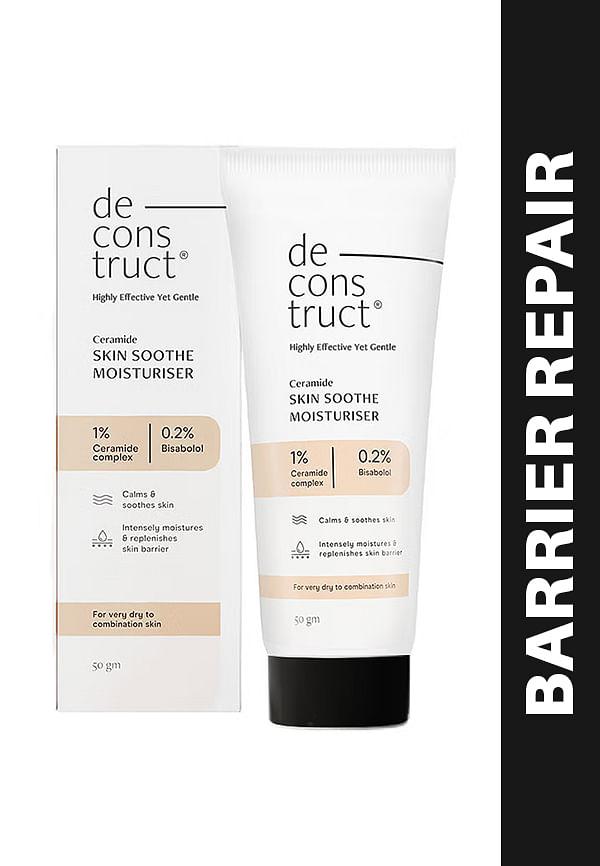
Skin Soothe Moisturizer- 1% Ceramides + 0.2% Bisabolol
Good for Sensitive Skin
4“my skin type is sensitive and this moisturizer suits me”
Excellent for Combination Skin
5“it's really moisturizing...as I have combination skin cheeks and around the lips are gets really dry while the t zone gets oily...this moisturizer is the best one I've used”
Very good product
5“it is a.very.good.product u should use it”
The beauty of ceramides is their versatility—you can use them morning and evening without worrying about over-exfoliation or irritation. For best results, apply ceramide products to slightly damp skin to help lock in moisture.
In your morning routine, layer a ceramide serum or moisturiser under your SPF. The barrier-strengthening effects actually help your sunscreen work more effectively. Evening is when ceramides really shine, though. Apply them after any active ingredients (like retinoids or acids) to help buffer potential irritation and support overnight repair.
If you're new to ceramides, start with a simple moisturiser and gradually introduce serums or treatments. Your skin should feel more comfortable within a week, with significant barrier improvements visible after 4-6 weeks of consistent use. The key is patience—barrier repair takes time, but the results are worth the wait.
Wondering if your ceramide products are actually making a difference? Here's what to look for. Within the first week, you should notice your skin feels less tight and reactive. Products that used to sting might suddenly feel comfortable, and your skin won't feel as "thirsty" throughout the day.
After 2-4 weeks, you'll see visible improvements in your sensitive skin barrier. Redness should be noticeably reduced, and your skin will look more even-toned. You might also find that you can tolerate products or ingredients that previously caused irritation. This is your barrier getting stronger and more resilient.
Long-term benefits include improved skin texture, fewer sensitivity flare-ups, and better overall skin health. Many people find they need fewer products in their routine because their skin simply functions better. That's the power of addressing the root cause rather than just managing symptoms.
Platforms like Smytten make it easier than ever to discover ceramide products that work for your specific skin type. With trial packs from trusted brands like Cetaphil and Dot & Key, you can test different ceramide formulations without committing to full-size purchases. This approach is particularly valuable for sensitive skin, where finding the right products often involves some trial and error.

5x Hydrating Ceramide Moisturizer for Face , Micro Hyaluronic Acid & 3 Ceramides
Good Product
5“i like it. The product is very good”
Good Non-Sticky Ceramide Moisturizer
5“good ceramide moisturizer... feels non sticky..”
Light & Hydrating Formula
5“very light formula gives instant hydration”
Absolutely! Ceramides are one of the gentlest and most effective ingredients for sensitive skin. Since they're naturally found in healthy skin, they rarely cause irritation and work to strengthen your skin's barrier rather than disrupting it.
Yes, ceramides are safe for daily use, even twice daily. Unlike active ingredients that can cause over-exfoliation, ceramides actually improve with consistent use. Start slowly if you're introducing a new product and gradually increase frequency.
Look for lightweight, non-comedogenic formulations with ceramides 1, 3, and 6-II. Gel-based or lotion textures work better than heavy creams for acne-prone skin. Avoid products with heavy oils or comedogenic ingredients.
True ceramide sensitivity is extremely rare since these are naturally occurring in your skin. If you experience irritation from a ceramide product, it's likely due to other ingredients in the formulation rather than the ceramides themselves.
You'll typically notice initial improvements within 7-10 days, with significant barrier repair occurring over 4-8 weeks of consistent use. Factors like the severity of barrier damage, product formulation, and overall skincare routine can affect the timeline.
Ceramides for sensitive skin protection aren't just another skincare trend—they're a science-backed solution to one of the most common skin concerns. By focusing on barrier repair rather than quick fixes, ceramides offer long-term benefits that can transform how your skin looks and feels.
The journey to healthier, less reactive skin doesn't have to involve expensive trial and error. With Smytten's curated trial packs, you can explore ceramide products from over 1,500 trusted brands, getting up to 8 minis for just ₹249. Plus, with 100% cashback redeemable for future orders, discovering your perfect ceramide match becomes both affordable and rewarding. When you find a product you love, buying the full-size version is just a click away. After all, why settle for maybe when you can Try It All?
