How Skin Repair Serums Work
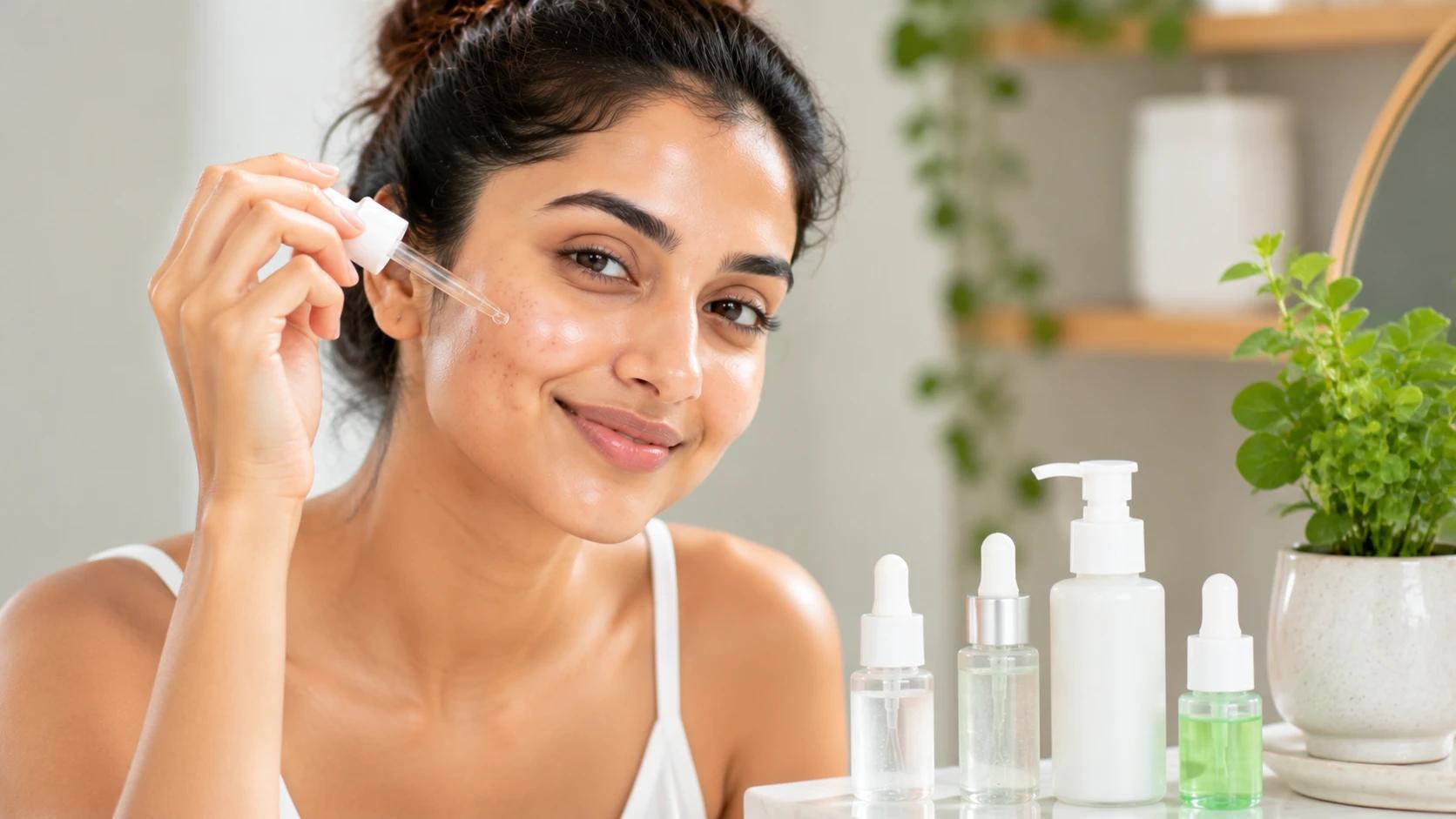

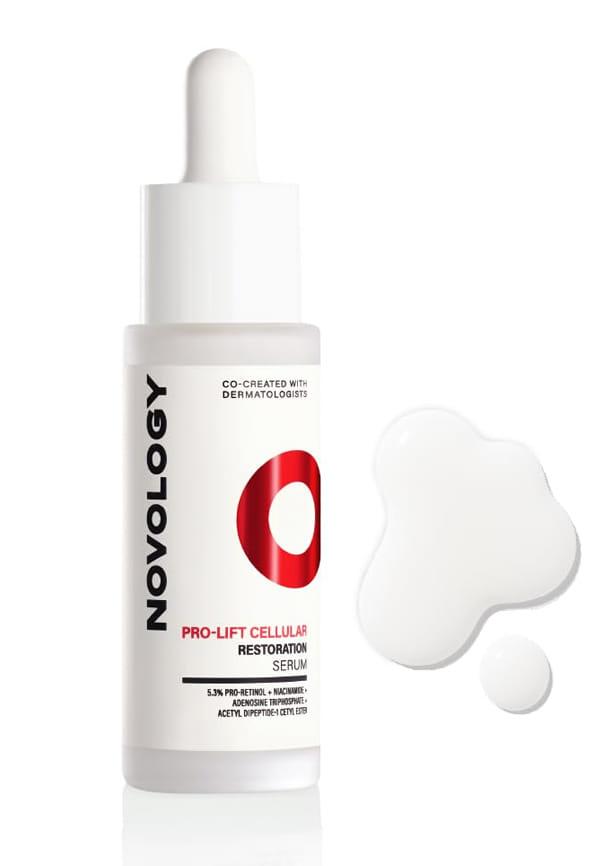
Pro-Lift Cellular Restoration Anti-Ageing Serum
Your skin works around the clock to repair itself, but as we age, this natural process slows down dramatically. That's where the science of cellular skin recovery in high-end serums comes into play. These luxury formulations don't just sit on your skin's surface—they dive deep into dermal recovery mechanisms, using advanced serum technology to kickstart your skin's own regeneration processes. From peptides that signal collagen production to growth factors that accelerate healing, premium serum benefits go far beyond basic hydration. Understanding how these high-performance skincare ingredients work at a cellular level can help you make smarter choices about your skincare routine. Whether you're dealing with fine lines, dullness, or loss of firmness, exploring the science behind cellular repair skincare reveals why luxury serum formulations command their price point—and why they might just be worth every penny. With platforms like Smytten offering trial packs of premium brands, you can now explore these advanced formulations without the full-size commitment.
TL;DR
Cellular skin recovery involves natural processes like collagen synthesis, DNA repair, and epidermal renewal that slow down with age
Luxury serums use advanced delivery systems like encapsulation and nanotechnology to penetrate deeper skin layers
Key ingredients include peptides, growth factors, hyaluronic acid, and antioxidants that work at the molecular level
Biotechnology in skincare includes exosome therapy, stem cell extracts, and microbiome-supporting formulations
Results timeline varies: hydration benefits appear in 1-7 days, repair signs in 2-8 weeks, and regeneration in 3-6 months
Your skin is constantly working to renew itself through a complex process called cellular turnover. In healthy, young skin, this cycle takes about 28 days—old cells shed whilst new ones form in the deeper layers. However, as we age, this process slows down significantly, sometimes taking up to 40-50 days in mature skin.
During natural skin cell turnover, several crucial dermal recovery mechanisms are at play. Collagen synthesis occurs in the dermis, where fibroblasts produce the proteins that give your skin its structure and bounce. Elastin production maintains skin elasticity, whilst DNA repair processes work to fix damage from environmental stressors like UV rays and pollution.
The epidermal renewal processes begin in the basal layer, where new cells are born. These cells gradually move upward through the skin layers, eventually reaching the surface where they're shed naturally. When this process slows down, dead skin cells accumulate, leading to dullness, rough texture, and clogged pores.
Premium serums are designed with molecular precision in mind. Their ingredients are formulated at specific molecular sizes to penetrate different skin layers effectively. The bioavailability of active ingredients—how well your skin can actually use them—depends on factors like molecular weight, pH levels, and delivery systems.
The magic of cellular repair skincare lies in its sophisticated ingredient technology. These aren't just fancy marketing terms—they represent real scientific breakthroughs in how we can influence skin behaviour at the cellular level.
Modern luxury serum formulations combine multiple high-performance skincare ingredients that work synergistically. Each ingredient targets specific cellular pathways, creating a comprehensive approach to skin regeneration science.
Hyaluronic acid works by binding up to 1,000 times its weight in water, but its cellular benefits go deeper than surface hydration. Different molecular weights of HA target different skin layers—low molecular weight HA penetrates deeper to stimulate cellular repair processes, whilst high molecular weight HA forms a protective barrier on the surface.
Peptides are essentially messengers that tell your skin cells what to do. Signal peptides stimulate collagen production by mimicking the natural signals that trigger fibroblast activity. Carrier peptides deliver minerals like copper to skin cells, enhancing repair processes. Neurotransmitter peptides can even help relax facial muscles, reducing the formation of expression lines.
Growth factors are proteins that regulate cell growth, proliferation, and differentiation. In skincare, they're often derived from plant stem cells or created through biotechnology in skincare laboratories. Epidermal growth factor (EGF) specifically targets skin cell renewal, whilst other growth factors focus on collagen production or wound healing.
The most advanced luxury serum formulations now incorporate cutting-edge biotechnology to enhance ingredient delivery and efficacy. These innovations represent the future of cellular repair skincare.
Encapsulation technologies protect sensitive ingredients from degradation whilst ensuring they're released at the right time and place in your skin. Liposomal delivery systems use tiny lipid bubbles to carry ingredients deep into skin layers, whilst nanotechnology creates particles so small they can penetrate between skin cells.
Exosomes are tiny vesicles that cells use to communicate with each other. In skincare, synthetic exosomes can carry active ingredients directly to target cells, enhancing cellular communication and accelerating repair processes. This technology represents one of the most exciting developments in anti-aging cellular science.
Your skin's microbiome—the collection of beneficial bacteria living on your skin—plays a crucial role in skin health. Advanced formulations now include prebiotic and probiotic ingredients that support a healthy skin barrier and optimal pH levels for cellular function.
Understanding how skin ages at the cellular level helps explain why certain luxury serum formulations are so effective. Age-related changes occur in multiple cellular pathways simultaneously, requiring comprehensive approaches to address them effectively.
Telomeres—the protective caps on chromosomes—shorten with age, affecting cellular lifespan. Some premium serum benefits include ingredients that may help protect telomeres, potentially extending the healthy lifespan of skin cells.
Research into cellular aging mechanisms has identified several pathways that luxury serums can target. Antioxidants like resveratrol and certain peptides may help protect cellular DNA from damage, whilst other ingredients support the natural repair processes that keep cells functioning optimally.
Chronic low-level inflammation, known as "inflammaging," contributes significantly to skin deterioration. Anti-inflammatory ingredients in advanced serum technology work at the cellular level to calm inflammatory pathways and accelerate healing processes.
The effectiveness of cellular repair skincare isn't just theoretical—clinical studies consistently demonstrate measurable improvements in skin metrics. These studies use sophisticated instruments to measure changes in hydration levels, collagen density, and skin elasticity.
Professional-grade formulations often contain higher concentrations of active ingredients compared to consumer products. However, the key isn't always higher concentration—it's about optimal formulation and delivery systems that ensure ingredients reach their target cells effectively.
Clinical studies typically measure transepidermal water loss (TEWL), which indicates barrier function health. Improved TEWL readings suggest better cellular repair and barrier restoration. Collagen density measurements using ultrasound technology can show actual increases in dermal thickness after consistent use of effective formulations.
Understanding realistic timelines helps set proper expectations. Hydration benefits from hyaluronic acid and similar ingredients typically appear within 1-7 days. Medium-term repair signs, like improved texture and reduced fine lines, usually become noticeable after 2-8 weeks of consistent use. Long-term regeneration benefits, including firmer skin and reduced deep wrinkles, typically require 3-6 months of regular application.
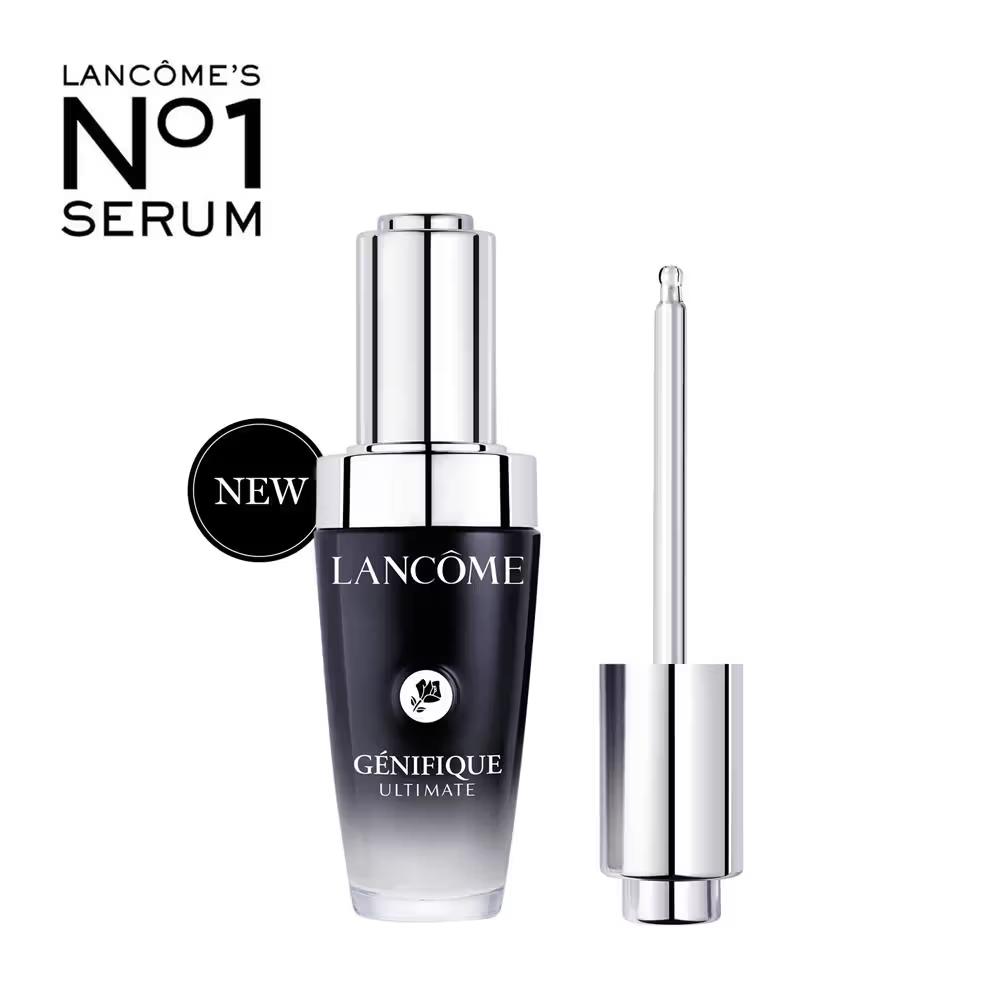
One standout example in the luxury serum category is the Lancôme Génifique Ultimate Skin Repair Serum, which combines multiple cellular repair technologies in a single formulation. This advanced serum utilises a blend of peptides, antioxidants, and proprietary delivery systems to target multiple signs of aging simultaneously, demonstrating how premium formulations can deliver comprehensive cellular support for visible skin transformation.
Not all cellular repair skincare works the same for every skin type. Understanding your specific skin needs helps you choose formulations that will deliver the best results for your concerns.
For sensitive skin, look for formulations with gentle delivery systems and anti-inflammatory ingredients. Oily skin types benefit from lightweight textures and ingredients like niacinamide that regulate sebum production whilst supporting cellular repair. Dry skin needs formulations rich in barrier-supporting ingredients like ceramides and multiple molecular weights of hyaluronic acid.
Sensitive skin requires careful ingredient selection—avoid high concentrations of active ingredients initially and look for formulations with soothing botanicals. Combination skin benefits from targeted application—using different formulations on different areas of the face based on specific needs.
Understanding how to layer cellular repair products maximises their effectiveness. Vitamin C serums work best in the morning under sunscreen, whilst retinol-based formulations should be used at night. Some ingredients, like vitamin C and retinol, shouldn't be used together as they can neutralise each other's effects.
Product | Best for Skin Type | Key Concerns | Price Range | Key Ingredients |
|---|---|---|---|---|
Minimalist 16% Vitamin C Serum | Normal to Oily | Dullness, Pigmentation | ₹600-800 | 16% Vitamin C, Vitamin E, Ferulic Acid |
The Derma Co. 2% Kojic Acid Serum | All Skin Types | Dark Spots, Hyperpigmentation | ₹400-600 | 2% Kojic Acid, Alpha Arbutin, Niacinamide |
Dot & Key Pomegranate Retinol Serum | Mature, Normal | Fine Lines, Texture | ₹800-1000 | 0.2% Retinol, Pomegranate Extract |
Pilgrim Red Vine Peptide Serum | Dry to Normal | Firmness, Anti-aging | ₹700-900 | Red Vine Extract, Peptides, Hyaluronic Acid |
Hyphen 10% Peptide Serum | Mature, All Types | Elasticity, Firmness | ₹1200-1500 | 10% Peptides, 2% Copper Peptides |
Cellular recovery serums contain concentrated active ingredients designed to penetrate deeper skin layers and influence cellular processes. Regular moisturisers primarily focus on surface hydration and barrier protection, whilst cellular serums target specific repair mechanisms like collagen synthesis and DNA repair.
Yes, but layering requires careful consideration of ingredient compatibility. Apply thinnest to thickest consistency, and avoid combining potentially irritating actives like high-concentration vitamin C with retinol. Start slowly and monitor your skin's response.
Hydration improvements appear within days, but cellular repair takes time. Expect to see texture improvements after 4-6 weeks, with more significant changes in firmness and fine lines appearing after 8-12 weeks of consistent use.
Price doesn't always indicate effectiveness. Look for clinically proven ingredients at effective concentrations, proper formulation, and suitable delivery systems. Many mid-range brands available on Smytten offer excellent cellular repair benefits at accessible price points.
Plant stem cell extracts provide antioxidant protection and may stimulate cellular activity, whilst human growth factors (usually lab-created) directly signal skin cells to increase repair processes. Both can be effective, but they work through different mechanisms.
The science of cellular skin recovery in high-end serums represents a sophisticated understanding of how skin functions at the molecular level. These formulations work by targeting specific cellular pathways—from collagen synthesis to DNA repair—using advanced delivery systems that ensure ingredients reach their intended targets.
Whilst luxury serum formulations often command premium prices, the investment can be worthwhile when you understand the technology behind them. Look for products with clinically proven ingredients, transparent formulations, and delivery systems that enhance bioavailability. Remember that cellular repair takes time—consistency is more important than expensive ingredients.
The most effective approach combines understanding your skin's specific needs with choosing formulations that target those concerns at the cellular level. Whether you're dealing with early signs of ageing or more advanced concerns, there's likely a cellular repair serum that can help support your skin's natural regeneration processes.
Exploring the science of cellular skin recovery doesn't have to mean committing to expensive full-size products immediately. Smytten is India's largest product discovery and trial platform, connecting consumers with top lifestyle, beauty, wellness, and grooming brands through curated trial packs. With over 1,500 trusted brands available, including premium cellular repair serums, you can explore advanced formulations before making full-size commitments. Each trial mini is linked with Trial Points, and users can get up to 8 minis for just ₹249, with 100% cashback on trials redeemable for future purchases. This try before you buy approach makes it easier to discover which cellular repair technologies work best for your skin, ensuring you never have to settle for 'maybe' when you can #TryItAll!
