How Blue Light Affects Indian WFH Skin: Protect Your Skin


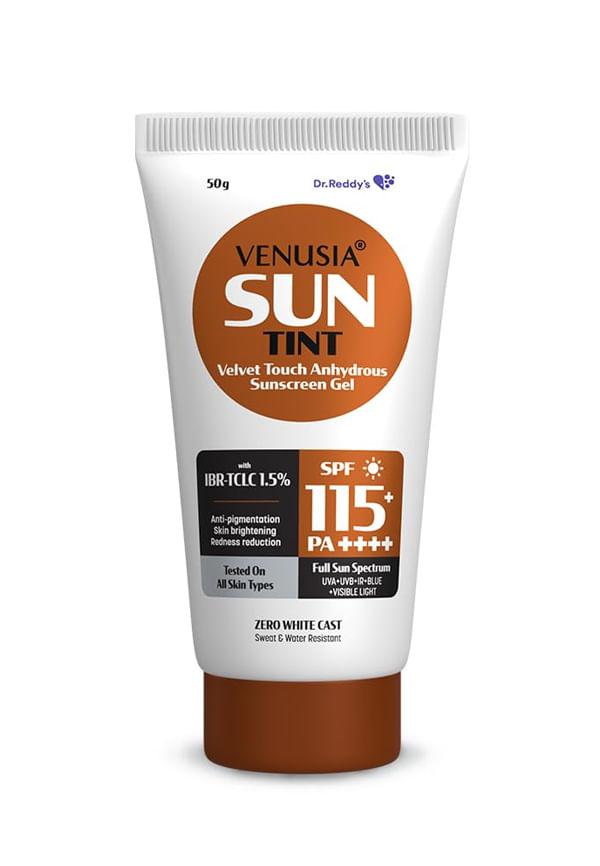
Tinted sunscreen SPF115I Full spectrum protection I UVA UVB Blue light protect
That afternoon slump hits differently when you're staring at your laptop screen for the eighth consecutive hour. Your eyes feel strained, your skin looks oddly dull despite your morning skincare routine, and there's this persistent tiredness that even your third cup of chai can't shake. If this sounds familiar, you're not alone—and you're definitely not imagining things. The shift to work-from-home culture has brought an unexpected guest to our daily lives: blue light exposure that's quietly affecting our skin in ways we're only beginning to understand.
Let's start with what blue light actually is. High Energy Visible (HEV) light, commonly called blue light, sits on the visible light spectrum between 380-500 nanometres. Unlike UV rays that we've learned to fear and protect against, blue light has been flying under the radar—until now. Your laptop, phone, tablet, and even those energy-efficient LED bulbs in your home office are constantly emitting this light.
Here's where it gets interesting for Indian remote workers. Post-2020, the average screen time for professionals has jumped from 4-6 hours to a staggering 8-12 hours daily. That's more blue light exposure than our skin has ever had to handle in human history. Unlike UV rays that primarily affect the skin's surface, blue light penetrates deeper into the dermis, reaching the layer where collagen and elastin live.
The science is quite straightforward: blue light triggers oxidative stress in skin cells, leading to free radical production. Think of it as your skin cells getting overwhelmed and unable to repair themselves properly. This process happens gradually, which is why many people don't notice the effects until months into their WFH routine.
This might surprise you, but melanin-rich skin actually absorbs more blue light than lighter skin tones. Research published in the Journal of Investigative Dermatology found that higher melanin content increases blue light absorption by up to 40%. For Indian skin, this means we're potentially more susceptible to blue light-induced changes than our fair-skinned counterparts.
The implications are particularly significant for common Indian skin concerns. If you're prone to hyperpigmentation or dealing with melasma, blue light exposure can trigger and worsen these conditions. The same melanin that protects us from UV damage becomes a double-edged sword with blue light exposure.
Cultural factors also play a role. Many Indian households use bright LED lighting, and our tendency to work late into the evening means extended exposure to both artificial lighting and screens. Add the humidity and pollution in many Indian cities, and your skin is dealing with a perfect storm of stressors.
The term digital aging might sound dramatic, but the signs are real and increasingly common. The first thing most people notice is a persistent dullness that doesn't seem to improve with their usual skincare routine. Your skin might look tired even after a good night's sleep, or you might notice that your usual glow just isn't there anymore.
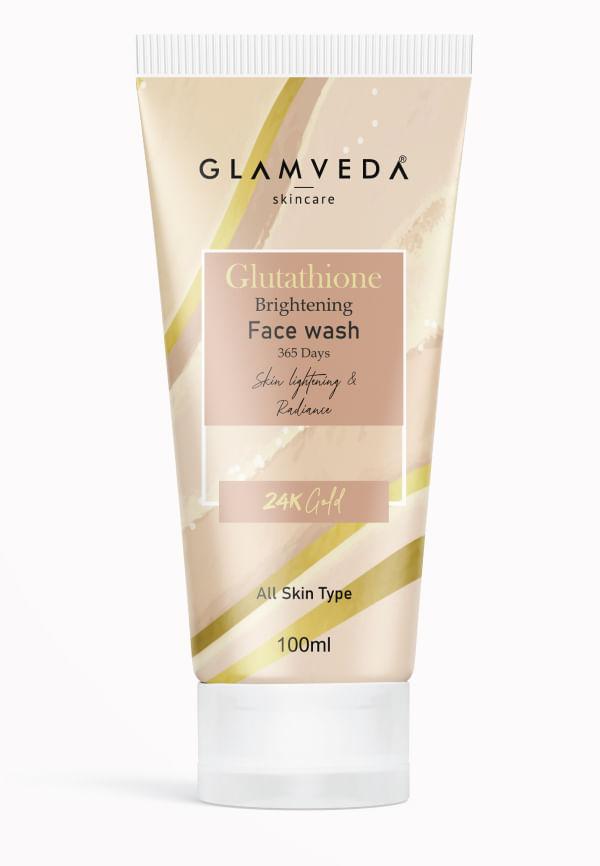
Glutathione 24 k Gold Face Wash Reduce Dark spots & Pigmentation, Lightens skin Complexion
Good Face Wash, Must Buy
 4
4“good face wash must buy very nice”
Good Face Wash, Must Buy
4“good face wash must buy very nice”
Good Face Wash, Must Buy
4“good face wash must buy very nice”
Fine lines around the eyes tend to appear earlier and more prominently in people with high screen time. This isn't just from squinting at screens—though that certainly contributes. The collagen breakdown from prolonged blue light exposure accelerates the formation of these lines. Many dermatologists are now seeing patients in their mid-twenties with eye area concerns that typically appeared in the thirties.
There's also something called "tech neck"—not just the neck pain from poor posture, but actual skin changes along the jawline and neck from the angle at which we hold our devices. The constant downward gaze affects lymphatic drainage and can contribute to a less defined jawline over time.
Skin looks duller than usual despite regular skincare
Dark circles seem more prominent
Fine lines around eyes appearing earlier than expected
Uneven skin tone or new pigmentation spots
Skin feels more dehydrated by evening
Increased sensitivity or irritation
Here's where things get really interesting. Blue light doesn't just affect your skin directly—it messes with your entire circadian rhythm, which in turn affects your skin's natural repair cycle. Your skin does most of its healing and regeneration while you sleep, but blue light exposure, especially in the evening, disrupts this process.
The connection between eye strain and skin health is something most people don't consider. When your eyes are strained, you unconsciously tense the muscles around them, leading to decreased circulation in the delicate eye area. This reduced blood flow means fewer nutrients reach the skin cells, and waste products aren't cleared as efficiently.
Research has shown that blue light can break down the skin's natural antioxidant defenses, particularly vitamin C and vitamin E. This leaves your skin more vulnerable to other environmental stressors like pollution—something particularly relevant for Indian urban dwellers. The inflammation pathways triggered by blue light exposure can also worsen existing skin conditions like acne or rosacea.
The good news is that protecting your skin from blue light doesn't require a complete lifestyle overhaul. Start with your workspace setup. Position your screen at arm's length and slightly below eye level to reduce strain. Consider investing in a blue light filter for your computer—they're available for under ₹1,000 and can significantly reduce exposure.
For topical protection, look for skincare products containing zinc oxide, which provides some blue light protection along with UV protection. Antioxidants like vitamin C, niacinamide, and vitamin E help neutralise the free radicals created by blue light exposure. Many Indian skincare brands now formulate products specifically with urban pollution and digital exposure in mind.
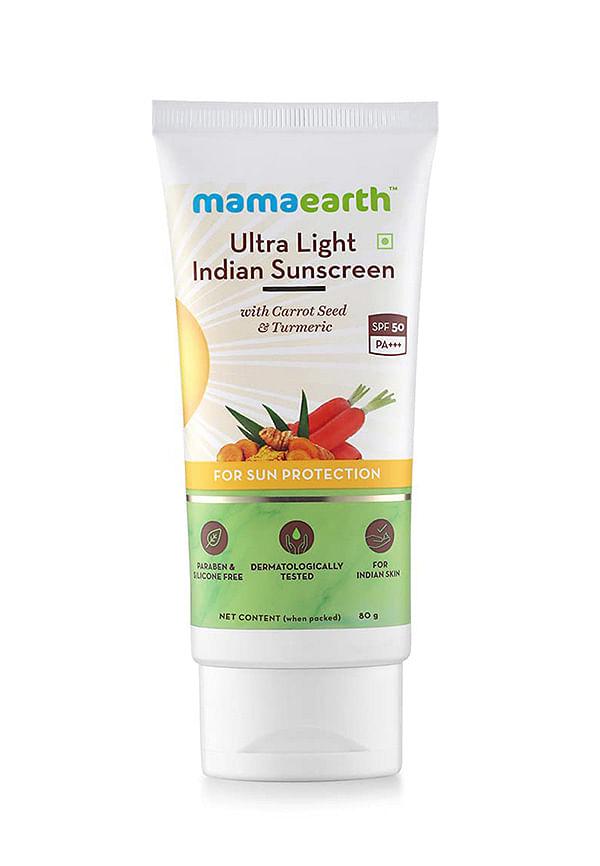
Ultra Light indian Sunscreen
Every 20 minutes, look at something 20 feet away for at least 20 seconds. This simple practice reduces eye strain and gives your facial muscles a break from the constant tension of focusing on screens.
Don't underestimate the power of your diet. Indian cuisine is rich in antioxidants—turmeric, green leafy vegetables, tomatoes, and citrus fruits all help support your skin's natural defense systems. Green tea, which many of us already drink regularly, contains polyphenols that can help protect against blue light damage.
Your morning routine becomes your first line of defense. After cleansing, apply a vitamin C serum to provide antioxidant protection throughout the day. Follow with a moisturiser containing niacinamide, which helps strengthen the skin barrier. Most importantly, don't skip SPF—even indoors. Many people don't realise that windows don't block all blue light, and your SPF provides an additional protective barrier.
During your workday, keep a hydrating mist handy. The combination of air conditioning and screen time can dehydrate your skin faster than usual. A quick spritz every few hours helps maintain your skin's moisture balance. For those long video calls, consider using an eye cream with peptides to support the delicate eye area.
Your evening routine is when the real repair happens. After cleansing away the day's exposure, use a serum with retinol or bakuchiol to support cellular turnover. Follow with a rich moisturiser containing ingredients like ceramides or hyaluronic acid to help your skin recover overnight. Consider using a humidifier in your bedroom to combat the drying effects of air conditioning.
Antioxidant serums for morning protection
Broad-spectrum SPF for daily use, even indoors
Eye creams with peptides for targeted care
Hydrating mists for midday refresh
Overnight repair treatments for recovery
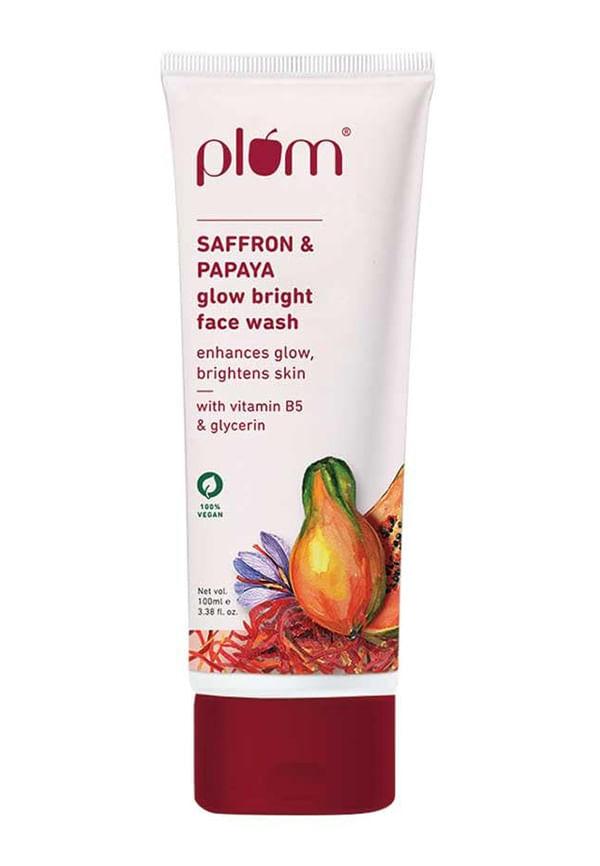
Saffron & Papaya Glow Bright | Enhances Glow & Brightens Skin Face Wash
Nice and Suits Skin Tone
5“go grab it it's actually nice and it's suites my skin tone 😊”
Nice and Suits Skin Tone
5“go grab it it's actually nice and it's suites my skin tone 😊”
Nice and Suits Skin Tone
5“go grab it it's actually nice and it's suites my skin tone 😊”
Yes, research shows that melanin-rich skin absorbs more blue light than lighter skin tones, making Indian skin potentially more vulnerable to blue light-induced changes like hyperpigmentation and premature aging. The key is understanding that the effects are cumulative and gradual.
Many blue light effects can be improved with consistent skincare and lifestyle changes. Antioxidant treatments, retinoids, and professional treatments like chemical peels can help address dullness and fine lines. However, prevention is always easier than reversal.
Most people notice changes after 3-6 months of increased screen time. The effects are subtle at first—usually starting with dullness or increased dryness—before progressing to more visible signs like fine lines or uneven tone.
Blue light glasses primarily protect your eyes and can help reduce eye strain, which indirectly benefits the skin around your eyes. However, they don't provide comprehensive skin protection—you still need topical products for that.
UV light is still more immediately damaging, but blue light's effects are more insidious because we're exposed to it for longer periods and often don't think to protect against it. Both require protection, but in different ways.
Understanding how blue light affects your skin is the first step towards protecting it. The shift to remote work isn't going anywhere, which means our relationship with screens is here to stay. Rather than accepting digital aging as inevitable, we can adapt our skincare routines and habits to meet this new challenge.
The key is consistency rather than perfection. Small changes—like using antioxidant serums, taking regular screen breaks, and maintaining a protective evening routine—can make a significant difference over time. Your skin is remarkably adaptable, and with the right approach, you can maintain healthy, glowing skin even in our screen-dominated world.
If you're curious about trying new protective products but hesitant to invest in full sizes, platforms like Smytten let you explore minis from trusted skincare brands before committing to larger purchases. With over 28 million users discovering products through trial sizes, it's become a smart way to test what works for your unique skin needs without the guesswork.
