How Antioxidant Serums Shield Indian Skin from Environmental Damage


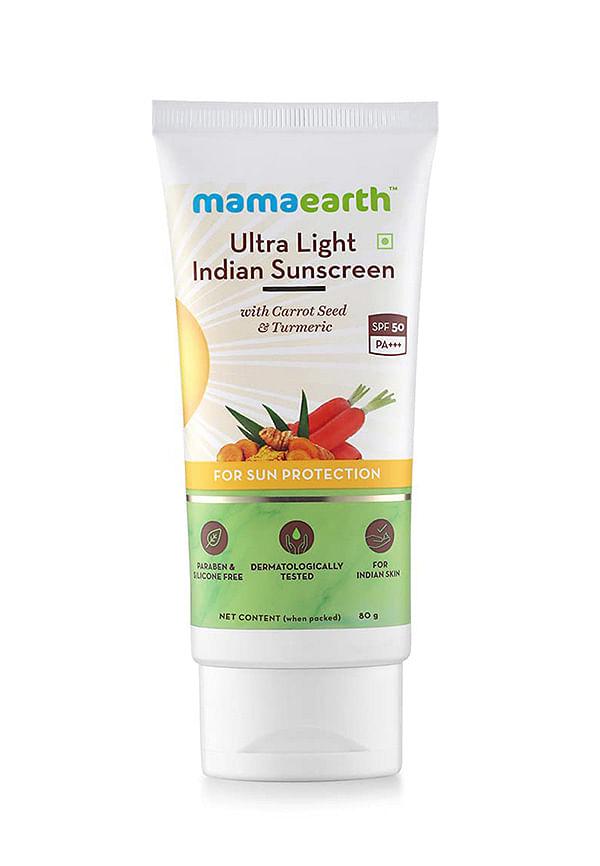
Ultra Light indian Sunscreen
You step outside your Mumbai flat at 8 AM, and within minutes, a thin layer of dust settles on your freshly cleansed face. By evening, your skin feels grimy, looks dull, and those dark spots seem more pronounced than yesterday. Sound familiar? Indian skin faces a unique environmental battle daily—from PM2.5 particles floating in Delhi's air to the relentless UV rays bouncing off Chennai's concrete. The good news? Antioxidant serums can be your skin's personal bodyguard against this environmental assault, working to neutralise damage before it becomes permanent.
Indian cities consistently rank among the world's most polluted, with particulate matter levels often exceeding safe limits by 300%. This isn't just an air quality issue—it's a skin health crisis. When you breathe in polluted air, your skin absorbs it too, creating a cascade of cellular damage that shows up as hyperpigmentation, premature ageing, and that persistent dullness that no amount of scrubbing seems to fix.
Air pollution tops the list, with PM2.5 and PM10 particles small enough to penetrate deep into your pores. These microscopic invaders carry heavy metals, chemicals, and toxins that trigger inflammatory responses in your skin. Vehicle emissions add another layer of complexity, releasing nitrogen oxides and volatile organic compounds that break down your skin's natural protective barrier.
Then there's the UV radiation—India's tropical location means intense sun exposure year-round. Unlike temperate climates where UV varies seasonally, Indian skin battles consistent high-level radiation that accelerates melanin production and collagen breakdown. Dust storms, particularly in northern regions, add abrasive particles that physically damage the skin surface whilst carrying additional pollutants.
The signs are unmistakable once you know what to look for. Post-inflammatory hyperpigmentation appears as dark spots that linger long after a breakout heals—a particular concern for melanin-rich Indian skin types. Your skin barrier becomes compromised, leading to increased sensitivity, dehydration, and that tight feeling even after moisturising.
Fine lines appear earlier than expected, particularly around the eyes and mouth where skin is thinnest. The overall complexion loses its natural radiance, taking on a greyish, tired appearance that makeup can't quite mask. Many notice increased breakouts as pollutants clog pores and disrupt the skin's natural oil balance.
Here's where it gets fascinating—and hopeful. When environmental pollutants hit your skin, they don't just sit on the surface. They penetrate and create free radicals, unstable molecules that steal electrons from healthy skin cells. This theft damages cellular DNA, breaks down collagen, and triggers inflammatory responses that manifest as visible skin concerns.
Oxidative stress occurs when your skin can't neutralise free radicals fast enough. Think of it as your skin's defence system being overwhelmed by the sheer volume of environmental attacks. Indian skin faces this challenge daily—from the moment you step outside until you cleanse at night, free radicals accumulate and multiply.
The process accelerates in humid conditions, as moisture can actually enhance pollutant absorption. This explains why skin concerns often worsen during monsoon season, despite the relief from direct sun exposure.
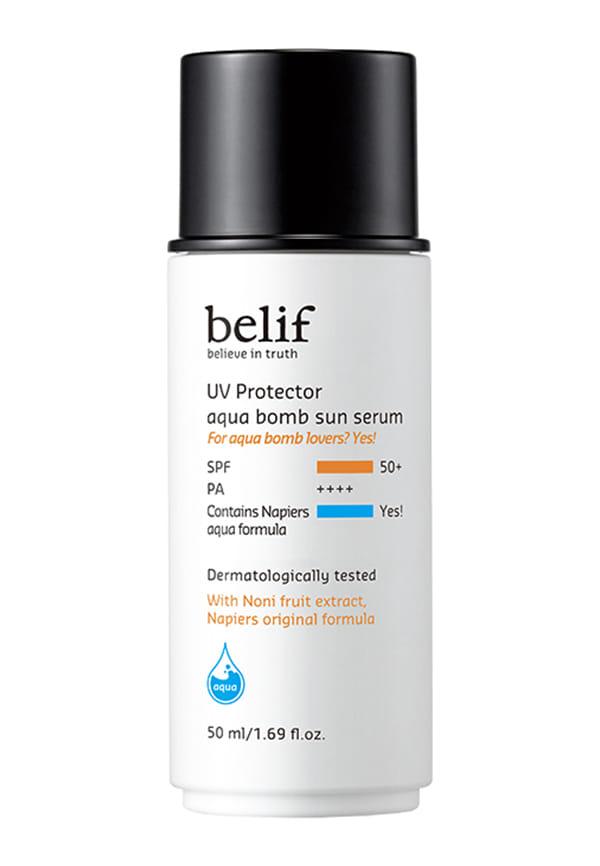
Uv Protector Aqua Bomb Sun Serum
Antioxidants work by donating electrons to free radicals, essentially calming them down before they can cause cellular damage. It's like having a security team that intercepts troublemakers before they can wreak havoc. Different antioxidants target different types of free radicals, which is why combination formulas often work better than single-ingredient serums.
Beyond neutralisation, antioxidants support your skin's natural repair mechanisms. They help rebuild damaged collagen, regulate melanin production, and strengthen the skin barrier—essentially undoing environmental damage whilst preventing future harm.
Not all antioxidants are created equal, especially when it comes to Indian skin's specific needs. The key is choosing ingredients that can withstand heat, humidity, and intense pollution whilst delivering visible results.
Vitamin C remains the gold standard for environmental protection, but the form matters enormously in Indian conditions. L-ascorbic acid, whilst potent, can be unstable in heat and humidity. Magnesium ascorbyl phosphate or sodium ascorbyl phosphate offer better stability whilst delivering the same antioxidant serum benefits.
Beyond pollution defense, vitamin C inhibits tyrosinase, the enzyme responsible for melanin production. This makes it particularly valuable for preventing and treating hyperpigmentation—a primary concern for Indian skin types. Regular use can visibly brighten skin tone whilst building long-term protection against environmental stressors.
Niacinamide deserves special mention for Indian skin. This form of vitamin B3 not only provides antioxidant protection but also regulates oil production—crucial in humid climates where excess sebum can trap pollutants in pores. It strengthens the skin barrier, reduces inflammation, and helps prevent the post-inflammatory hyperpigmentation that often follows breakouts.
Research shows niacinamide can reduce the appearance of pores and improve skin texture, addressing multiple Indian skin concerns simultaneously. It's also remarkably stable and plays well with other ingredients, making it ideal for combination formulas.
Traditional Indian ingredients offer powerful antioxidant protection that's been tested by centuries of use. Turmeric contains curcumin, a potent anti-inflammatory antioxidant that helps calm irritated skin whilst providing protection against environmental damage. Green tea polyphenols offer broad-spectrum protection and work particularly well in humid conditions.
Pomegranate extract, rich in ellagic acid, provides excellent protection against UV-induced damage whilst supporting skin regeneration. These natural antioxidants for skin often work synergistically with synthetic vitamins, creating comprehensive protection systems.
The most potent antioxidant serum won't help if you're not using it correctly. Indian skin requires a strategic approach that accounts for climate, pollution levels, and lifestyle factors.
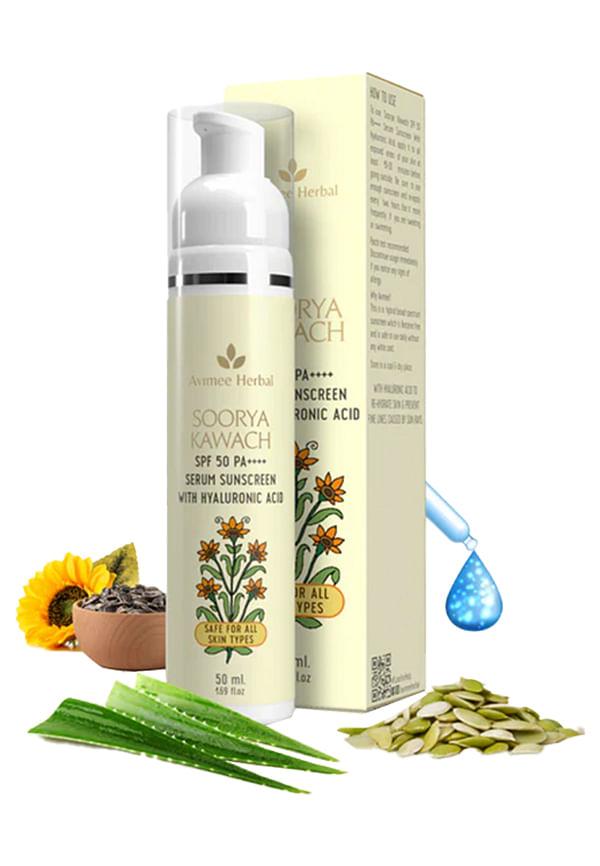
Soorya Kawach Sunscreen with Hyaluronic Acid
Start with a gentle cleanser to remove overnight pollutant buildup—yes, indoor air pollution affects your skin even while you sleep. Apply your antioxidant serum to slightly damp skin for better absorption, then wait 10-15 minutes before layering sunscreen.
The key is creating an invisible shield that works throughout the day. Vitamin C serums work particularly well in morning routines as they enhance sunscreen efficacy whilst providing immediate environmental protection. Don't forget your neck and the backs of your hands—these areas face the same environmental exposure as your face.
Evening routines focus on repair and regeneration. Double cleanse to thoroughly remove the day's pollutant accumulation, then apply antioxidants that support overnight skin renewal. Vitamin E works beautifully in evening formulas, as it helps repair damage whilst you sleep.
Consider alternating between different antioxidant serums—vitamin C in the morning, niacinamide in the evening, or a combination formula that delivers multiple benefits. Your skin's needs may vary seasonally, so adjust your routine accordingly.
Monsoon season requires lighter formulations that won't feel heavy in increased humidity. Summer calls for oil-free serums that provide protection without clogging pores. Winter, particularly in northern India, may require more hydrating antioxidant formulas that address both environmental damage and seasonal dryness.
Indian skin varies enormously—from oily, acne-prone skin in humid coastal regions to dry, sensitive skin in arid northern areas. Your antioxidant skincare routine should reflect these individual needs whilst addressing universal environmental concerns.
Look for lightweight, water-based serums that absorb quickly without leaving residue. Niacinamide should be a priority ingredient, as it controls oil production whilst providing antioxidant protection. Avoid heavy oils or thick formulations that might clog pores in humid conditions.
Gel-based vitamin C serums work particularly well, as they provide potent protection without adding unwanted shine. Consider formulas that include zinc or salicylic acid for additional pore-clearing benefits.
Sensitive skin requires gentler antioxidants that won't trigger irritation. Magnesium ascorbyl phosphate offers vitamin C benefits without the potential irritation of L-ascorbic acid. Look for formulas that include hydrating ingredients like hyaluronic acid or glycerin.
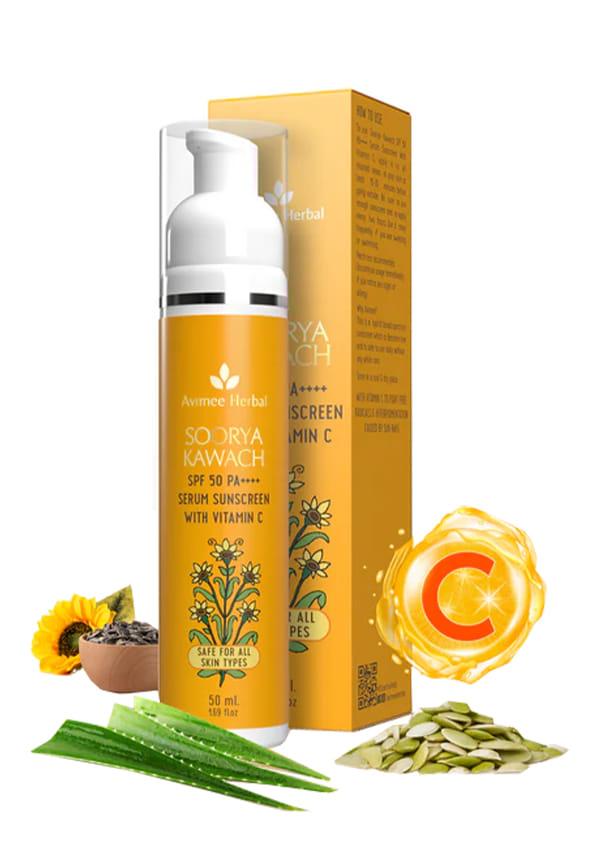
Soorya Kawach Sunscreen with Vitamin C
Avoid alcohol-based formulations and opt for serums with soothing ingredients like aloe vera or chamomile. Start with lower concentrations and gradually increase as your skin builds tolerance.
Daily use is ideal for maximum environmental skin damage protection. Start with once daily, preferably in the morning, then gradually increase to twice daily if your skin tolerates it well. Consistency matters more than frequency—regular daily use provides better results than sporadic intensive treatments.
Yes, but strategic layering is key. Apply thinner, water-based serums first, followed by thicker formulations. Wait 10-15 minutes between applications to ensure proper absorption. Avoid mixing vitamin C with retinol or benzoyl peroxide, as these combinations can cause irritation.
Initial improvements in skin texture and radiance typically appear within 2-4 weeks of consistent use. Hyperpigmentation and environmental damage reversal takes longer—expect 8-12 weeks for significant improvement in dark spots and overall skin tone. Prevention benefits begin immediately, even if you can't see them.
Most antioxidant serums are gentle enough for sensitive skin, but patch testing is essential. Start with lower concentrations and gentler forms like magnesium ascorbyl phosphate instead of L-ascorbic acid. Avoid formulas with high alcohol content or synthetic fragrances that might trigger sensitivity.
While antioxidants can't completely eliminate pollution exposure, they significantly reduce its impact on your skin. Studies show that topical antioxidants can neutralise up to 80% of pollution-induced free radicals when used consistently. The key is daily application and choosing formulas specifically designed for high-pollution environments.
Environmental damage to Indian skin isn't inevitable—it's preventable and, to a large extent, reversible with the right approach. Antioxidant serums offer your skin a fighting chance against the daily assault of pollution, UV radiation, and environmental stressors that are simply part of life in India.
The key lies in understanding your skin's specific needs and choosing formulations that work with, not against, Indian climate conditions. Whether you're dealing with post-monsoon breakouts, summer hyperpigmentation, or winter sensitivity, there's an antioxidant strategy that can help restore and protect your skin's natural radiance.
Smytten's curated selection includes antioxidant serums from trusted brands that understand Indian skin's unique challenges. With over 28 million users discovering products that actually work for their skin concerns, you're not experimenting alone—you're joining a community that's already found solutions. If you're curious about a specific antioxidant serum but not ready to commit to full-size, Smytten also offers minis from many leading skincare brands, letting you test formulations before investing in your long-term skin protection strategy.
