How AHA Works: Understanding pH Levels in Skincare
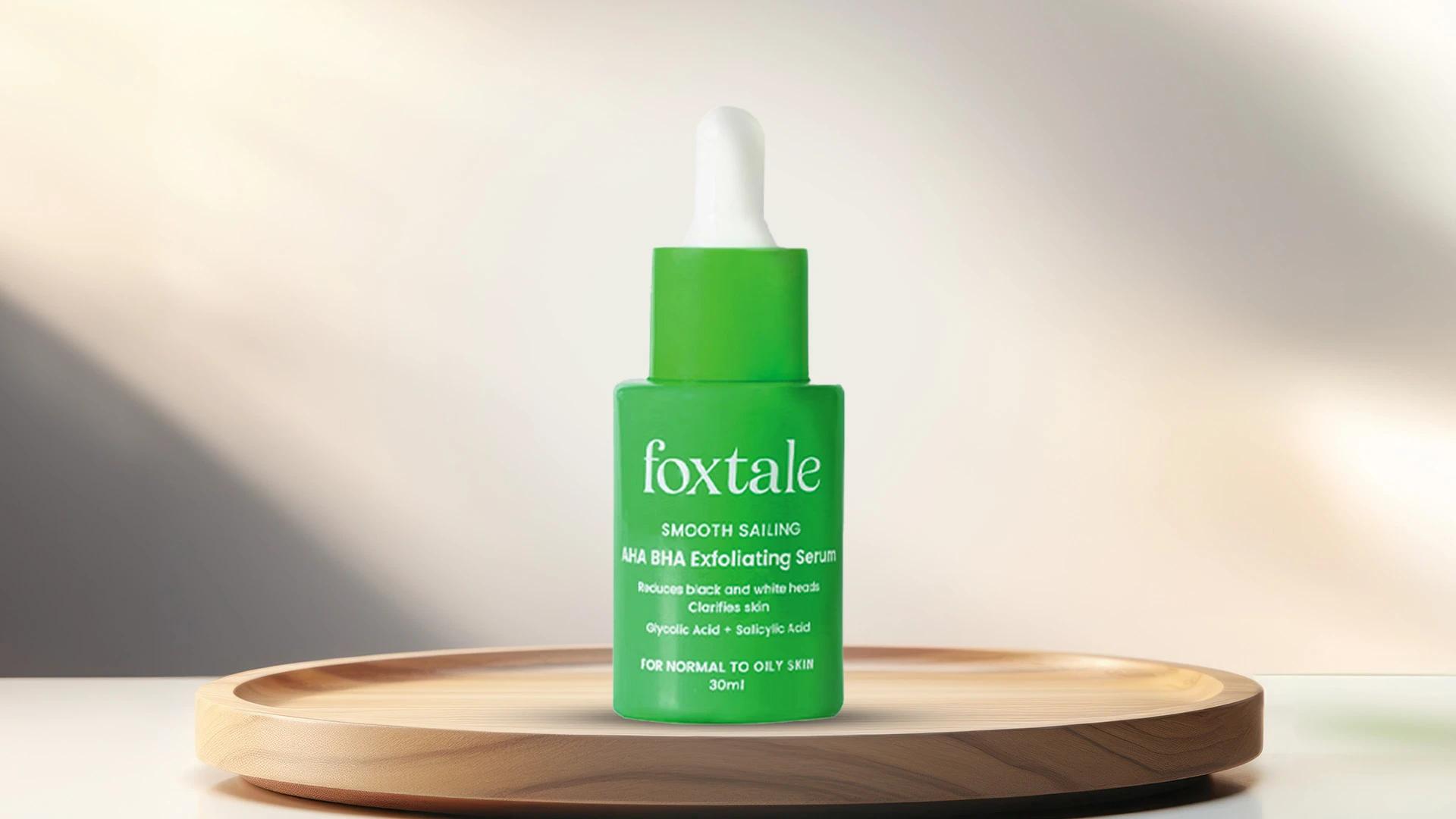

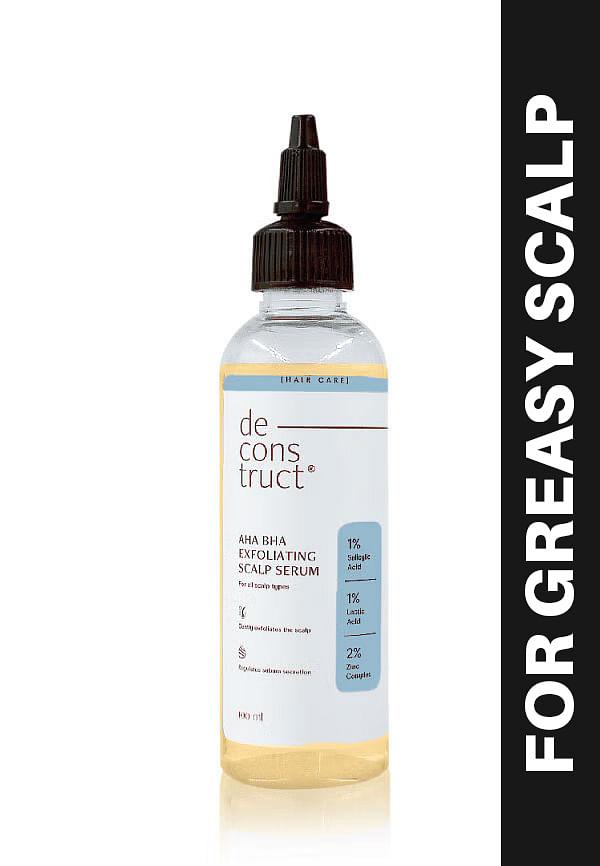
AHA BHA Exfoliating Scalp Serum - 1% Salicylic Acid + 1% Lactic Acid + 2% Zinc Complex
Ever wondered why some alpha hydroxy acids work like magic whilst others barely make a dent? The secret isn't just in the concentration—it's all about pH levels in skincare. Real talk: you could slather on the most expensive AHA serum, but if the pH isn't right, you're basically applying fancy water to your face. Understanding how aha pH levels and effectiveness work together is your ticket to actually seeing results. Let's dive into the science that'll transform your skincare game.
Alpha hydroxy acids are naturally occurring compounds found in fruits, sugar cane, and even milk. Think glycolic acid from sugar cane, lactic acid from fermented milk, and mandelic acid from bitter almonds. These clever little molecules are your skin's best mates when it comes to gentle yet effective exfoliation.
Here's where it gets interesting: the pH level in skincare determines whether these acids can actually penetrate your skin or just sit on the surface looking pretty. Your skin naturally sits at a pH of around 5.5, which is slightly acidic. For AHAs to work their magic, they need to be formulated at a much lower pH—ideally between 3.0 and 4.0.
Why does this matter? At the right pH, AHA molecules become small enough to slip through your skin's protective barrier and get to work on the deeper layers. Too high a pH, and they're too large to penetrate effectively. It's like trying to fit through a door that's too small—it's just not happening.
The relationship between pH and effectiveness isn't just skincare marketing fluff. When skincare acids are formulated at the optimal pH, their molecular structure changes, making them bioavailable to your skin cells. This is why dermatologists always bang on about checking pH levels—it's the difference between results and disappointment.
AHA exfoliation works by breaking down the bonds between dead skin cells, allowing them to shed naturally rather than clinging on and creating that dull, rough texture we all hate. But here's the kicker: this process only happens effectively when the pH is spot on.
At a pH of 3.8 or below, AHAs can penetrate the stratum corneum (your skin's outermost layer) and start dissolving the intercellular cement that holds dead skin cells together. This is chemical exfoliation at its finest—no harsh scrubbing required, just smart science doing the heavy lifting.
Different AHAs have slightly different pH requirements, but they all follow the same rule: lower pH equals better penetration. Glycolic acid, being the smallest molecule, can work at slightly higher pH levels than its larger cousins, but it still performs best below pH 4.0.
The magic happens when the right aha concentration meets the perfect pH. Most dermatologists agree that you need at least 8% concentration for noticeable results, but even 15% glycolic acid won't do much if the pH is too high. It's like having a sports car with flat tyres—all the potential is there, but you're not going anywhere fast.
Research shows that products formulated at pH 3.5 can be up to 10 times more effective than the same concentration at pH 5.0. That's not a small difference—that's the difference between glowing skin and wondering why you bothered.
When your aha benefits for skin are maximised through proper pH formulation, you're looking at some seriously impressive results. At the optimal pH range, AHAs accelerate cell turnover, revealing fresher, younger-looking skin underneath all those dead cells.
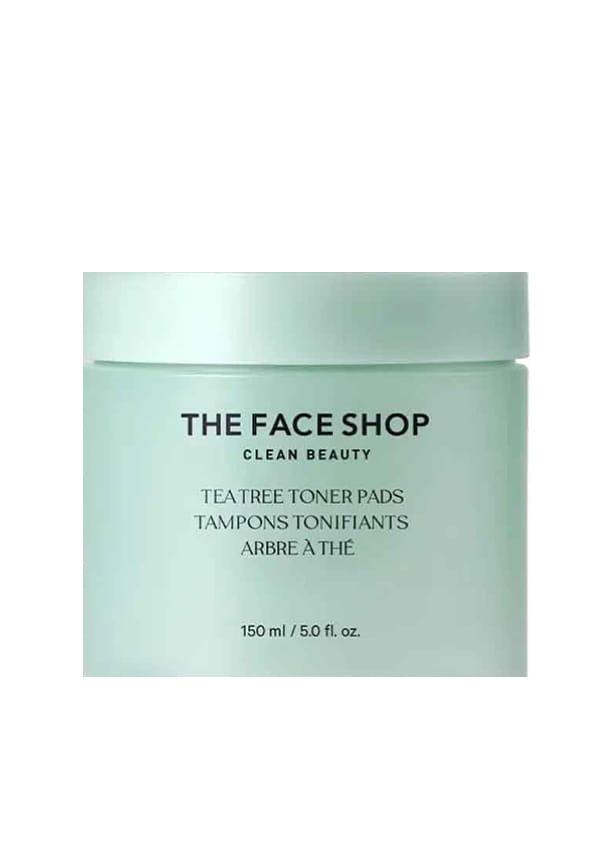
Tea Tree Toner Pads With AHA, Ip- BHA, PHA & Hyaluronic Acid
The exfoliation process triggered by properly pH-balanced skincare acids helps with everything from acne to fine lines. For acne-prone skin, this means unclogged pores and fewer breakouts. The acids dissolve the buildup that leads to blackheads and whiteheads, whilst also reducing inflammation.
Anti-ageing benefits kick in because AHAs stimulate collagen production in the deeper layers of skin. When the pH allows proper penetration, these acids signal your skin to ramp up its repair processes, leading to firmer, more elastic skin over time.
Here's what happens at different pH levels:
pH 3.0-3.5: Maximum penetration and effectiveness, but potentially irritating for sensitive skin
pH 3.5-4.0: Optimal balance of effectiveness and tolerability for most skin types
pH 4.0-5.0: Gentler but significantly less effective
pH above 5.0: Minimal exfoliation benefits, mostly just surface effects
The intensity of benefits directly correlates with pH levels. Lower pH means more dramatic results, but also higher potential for irritation. It's about finding your sweet spot.
Not all AHAs are created equal, and understanding which best aha for skin depends on both the acid type and its pH formulation. Let's break down the main players and their pH requirements.
Glycolic acid is the smallest AHA molecule, which means it penetrates deepest and works fastest. It's most effective at pH 3.5-4.0, but because of its small size, it can be quite intense. Perfect for experienced acid users who want maximum results.
Lactic acid molecules are larger than glycolic, making them gentler whilst still effective at the right pH. It works best at pH 3.8-4.2 and is brilliant for sensitive skin types who still want proper exfoliation benefits.
With the largest molecular size of common AHAs, mandelic acid is the gentlest option. It needs a slightly lower pH (3.5-4.0) to be effective because of its size, but it's much less likely to cause irritation.
When it comes to aha concentration, remember that 8% is generally considered the minimum for visible results, regardless of the acid type. But here's the thing: a 7% glycolic acid at pH 3.5 will outperform a 10% glycolic acid at pH 5.0 every single time.
Testing pH levels isn't something most of us can do at home, so look for brands that actually list pH levels on their packaging or websites. If they're not sharing this info, that's usually a red flag.
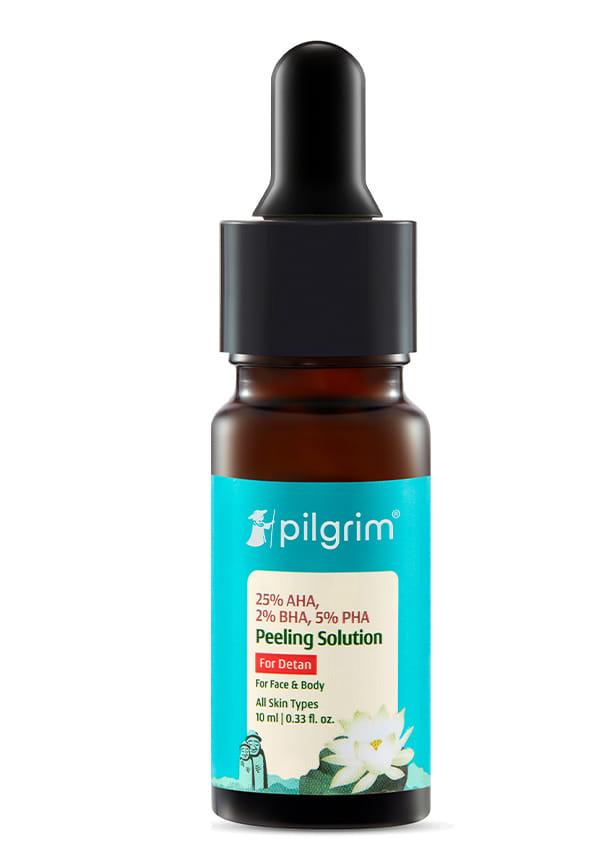
25% AHA, 2% BHA, 5% Pha Peeling Solution
Reduces Pigmentation & Evens Tone
 5
5“it reduces pigmentation. and definitely evens the tone”
Reduces Pigmentation & Evens Tone
5“it reduces pigmentation. and definitely evens the tone”
Good product and quantity
5“it is soo gud and quantity is also gud”
Knowing how to use aha products safely starts with understanding that lower pH means higher potency, which requires a more cautious approach. Start with patch testing any new acid product, especially those formulated at optimal pH levels.
Begin with once or twice weekly application, regardless of the concentration. Your skin needs time to adjust to the increased exfoliation rate that comes with properly formulated acids. Gradually increase frequency as your skin builds tolerance.
Timing matters too. Apply AHAs to clean, dry skin in the evening, and always follow with a moisturiser. The chemical exfoliation process can temporarily compromise your skin barrier, so hydration is crucial.
Here's your step-by-step routine:
Cleanse thoroughly and pat skin dry
Wait 10-15 minutes for skin to completely dry
Apply AHA product evenly, avoiding eye area
Wait another 10-15 minutes before applying moisturiser
Always use SPF 30+ the next morning
Never layer multiple acids or use AHAs with retinoids initially. Your skin needs time to adjust to the increased exfoliation before you start mixing actives.
Understanding aha side effects is crucial because improperly formulated or overused acids can cause more harm than good. When pH levels are too low (below 3.0), you risk chemical burns and severe irritation. Too high, and you're wasting your money on ineffective products.
Common side effects from properly pH-balanced skincare acids include mild tingling, temporary redness, and initial dryness. These usually subside as your skin adjusts. However, persistent burning, severe redness, or peeling indicates the product is too strong or the pH too low for your skin type.
Over-exfoliation is a real risk with effective AHA products. Signs include increased sensitivity, persistent redness, and a compromised skin barrier that feels tight and looks shiny. If this happens, stop using acids immediately and focus on gentle, hydrating products until your skin recovers.
UV sensitivity increases significantly when using AHAs, regardless of pH. The exfoliation process removes your skin's natural protective layer, making you more susceptible to sun damage. Daily SPF isn't optional—it's essential.
If you experience severe reactions, discontinue use and consult a dermatologist. Some people's skin simply can't tolerate certain acid types or concentrations, and that's perfectly normal.
This is where platforms like Smytten become invaluable. With over 1,500 trusted brands including skincare specialists like Cetaphil and Dot & Key, you can try different AHA formulations through trial packs before committing to full-size products. Getting up to 8 minis for just ₹249 means you can test various pH levels and concentrations to find what works for your skin without the financial risk.
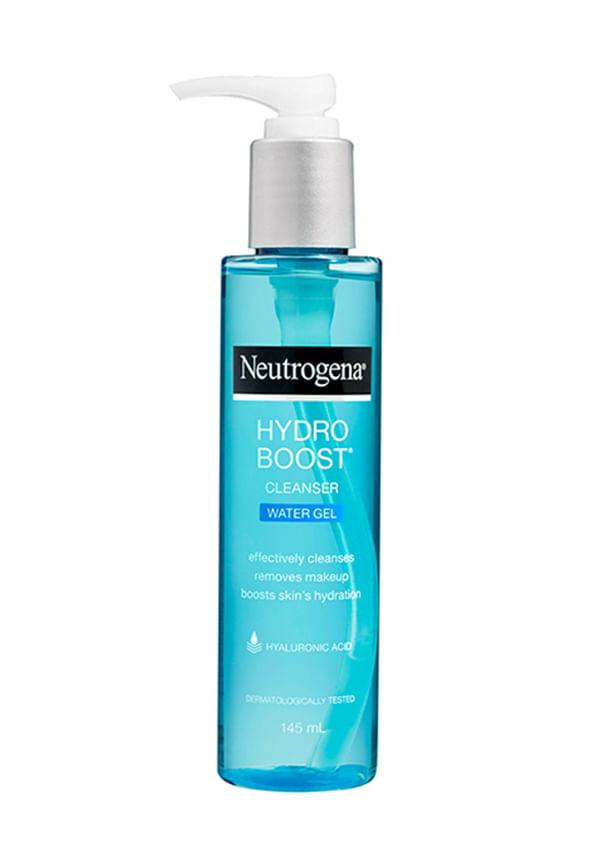
Hydro Boost Cleanser Water Gel With Hyaluronic Acid
Good for all skin types
5“This is very good for all skin types”
Cleanser for Freshness
5“Hydrating cleanser makes my face feel fresh”
Positive product impression
5“nice product i ever seen ,hope my skin glows”
It's not just about percentage—pH matters more. A 7% glycolic acid at pH 3.5 will be more effective than 10% at pH 5.0. Look for products that list both concentration and pH levels for the best results.
AHAs work best at pH 3.8 and below. This allows optimal penetration through your skin barrier. However, sensitive skin types might need to start with slightly higher pH levels (4.0-4.2) and work down gradually.
Generally, you need at least 8% concentration for noticeable results, even with perfect pH. However, 4% can work for maintenance or very sensitive skin, provided the pH is optimised.
BHAs (like salicylic acid) work best at pH 3.2-4.0, similar to AHAs. However, BHAs are oil-soluble and can penetrate pores more effectively, making them slightly more forgiving with pH variations.
Sensitive skin should start with gentler acids like lactic or mandelic acid at the higher end of the effective pH range (3.8-4.0). Consider PHAs (polyhydroxy acids) as an alternative—they're larger molecules that work at higher pH levels.
Understanding aha pH levels and effectiveness isn't just skincare nerdery—it's the key to actually seeing results from your acid products. The science is clear: proper pH formulation makes all the difference between glowing skin and expensive disappointment.
Remember, effective alpha hydroxy acids require patience and respect. Start slowly, listen to your skin, and always prioritise sun protection. The goal isn't to strip your skin bare—it's to reveal the healthy, radiant complexion underneath.
With Smytten's trial platform covering over 27,000 pincodes across India, you can explore different AHA formulations from trusted brands without the commitment. Whether you're testing glycolic acid serums or trying gentler lactic acid options, the platform's 100% cashback on trial minis makes finding your perfect pH match both affordable and risk-free. After all, why settle for guesswork when you can try it all and discover what actually works for your skin?
