How AC Affects Indian Office Workers' Skin Moisture


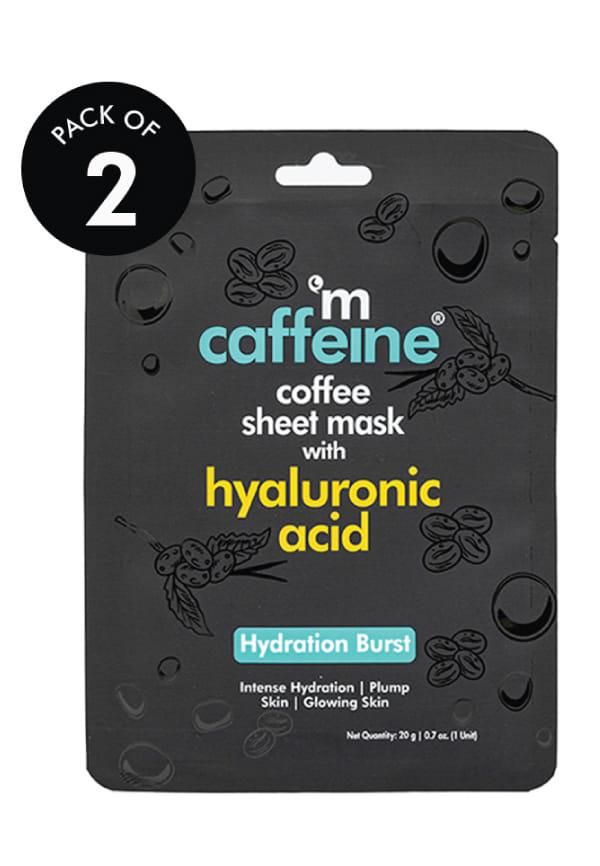
Hyaluronic Acid Coffee Sheet Mask for Hydration Burst
Keeps Skin Hydrated
 5
5“Super great and keep skin hydrated ”
Amazing Hydration & Glow
5“It was a plump glowing skin and hydration is just amazing.”
Excellent Product
5“very good quality product and very gentle on skin”
That familiar tight feeling creeping across your cheeks by 3 PM? The way your skin feels like parchment after eight hours in the office? You're not imagining it. For millions of Indian office workers, air conditioning has become both a blessing and a curse—keeping us cool while quietly stealing our skin's moisture. If you've ever wondered why your skin feels drier than the Thar Desert despite living in humid Mumbai or Chennai, the answer might be blowing right above your desk.
Walk into any Indian office building and you'll feel it immediately—that blast of artificially cooled air that drops the temperature from a sweltering 40°C outside to a crisp 22°C inside. It's a relief, especially during those brutal summer months when stepping outdoors feels like opening an oven door. But whilst our bodies thank us for the respite, our skin tells a different story.
Air conditioning systems work by removing moisture from the air to cool it down. In an ideal world, indoor humidity should hover between 40-60% for optimal skin health. But most office AC units push humidity levels down to a bone-dry 20-30%. That's drier than many desert climates. For Indian skin types, which are naturally adapted to higher humidity levels, this dramatic shift creates the perfect storm for moisture loss.
The numbers paint a stark picture. The average Indian office worker spends 8-10 hours daily in air-conditioned environments, often moving between similarly dry spaces—AC cars, malls, restaurants. That's potentially 12-14 hours of continuous exposure to moisture-stripping air. Your skin, which evolved to thrive in India's naturally humid climate, simply wasn't designed for this constant dehydration.
Understanding why sitting in AC all day affects skin moisture requires a quick dive into skin science. Your skin barrier—that protective outer layer—acts like a brick wall, with skin cells as bricks and natural oils as mortar. This barrier's primary job is to keep moisture in and irritants out.
When humidity drops below 30%, something called transepidermal water loss (TEWL) accelerates dramatically. Think of it as your skin's moisture evaporating faster than it can be replenished. The dry air literally pulls water from your skin cells, leaving them shrunken and compromised. Within just 2-3 hours of AC exposure, your skin can lose up to 25% of its surface moisture.
The temperature fluctuations make matters worse. Stepping from 45°C heat into 22°C air conditioning causes your skin to contract and expand repeatedly throughout the day. This constant thermal stress weakens the skin barrier, making it even less effective at retaining moisture. It's like repeatedly stretching a rubber band—eventually, it loses its elasticity.
Humidity and skin health are intimately connected. Your skin contains natural moisturising factors (NMFs) that help bind water to skin cells. When the air around you is too dry, these NMFs can't function properly, leading to that tight, uncomfortable feeling that's become all too familiar for office workers.
The effects of office air conditioning on skin don't happen overnight—they build gradually, often so subtly that you might not connect your skin concerns to your work environment. But once you know what to look for, the patterns become unmistakable.
Within the first few hours of AC exposure, you might notice your skin feeling tighter than usual, especially around your cheeks and forehead. By midday, that tightness might progress to visible flakiness, particularly if you're prone to dry skin already. Your usual moisturiser might feel like it's disappearing into your skin without providing lasting relief.
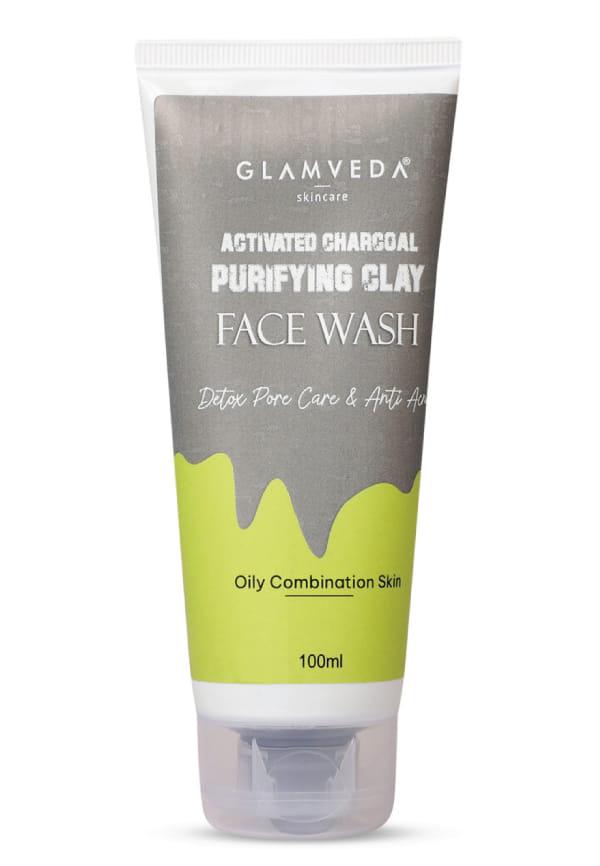
Activated Charcoal Clay Face Wash, Fights Pollution and Acne, Oil Control
The first red flags typically appear within 2-6 hours of continuous AC exposure. Your skin might feel stretched, almost like it's one size too small. You might find yourself unconsciously touching your face more often, or notice that your makeup looks patchy or cakey by afternoon—a telltale sign of dehydrated skin beneath.
After weeks or months of daily AC exposure without proper protection, the damage becomes more serious. Fine lines might appear earlier than expected, particularly around your eyes and mouth where skin is naturally thinner. Your skin might become more sensitive to products that never bothered you before, or you might notice increased breakouts as your compromised barrier struggles to keep irritants out.
Working in air-conditioned offices presents particular challenges for Indian skin types. Our skin has evolved over generations to thrive in naturally humid conditions—the kind of moisture-rich environment that monsoons bring or that coastal cities enjoy year-round. Suddenly subjecting this adapted skin to desert-dry conditions for 8+ hours daily creates unprecedented stress.
The contrast is especially jarring during summer months. Stepping from 45°C heat with 70% humidity into 22°C air with 25% humidity is like teleporting from a tropical rainforest to the Sahara. Your skin doesn't have time to adjust, leading to what dermatologists call 'climate shock'—rapid moisture loss that can take hours to recover from.
Cultural factors add another layer of complexity. Traditional Indian skincare often relies on oil-based treatments—coconut oil, sesame oil, ghee-based preparations. Whilst these work beautifully in humid climates, they can feel too heavy in air-conditioned environments, leading many office workers to abandon moisturising altogether rather than feeling greasy under artificial lighting.
Perhaps the most confusing aspect of AC and skin dryness is how it persists even during monsoon season. Outside, humidity soars to 80-90%, yet inside your office, AC systems work overtime to remove that moisture, often creating even drier conditions than summer months. Your skin gets mixed signals—preparing for high humidity outdoors, then suddenly stripped of moisture indoors.
The good news? You don't have to choose between staying cool and keeping your skin healthy. With the right strategies, you can protect your skin's moisture barrier even in the driest office environments. The key is understanding that skincare for dry skin in AC environments requires a multi-pronged approach.
Start with hydration from within. Aim for 8-10 glasses of water throughout your workday, but don't just gulp it down randomly. Sip consistently—your skin cells need steady hydration, not flood-and-drought cycles. Keep a water bottle at your desk and set hourly reminders if needed. Your skin will notice the difference within days.
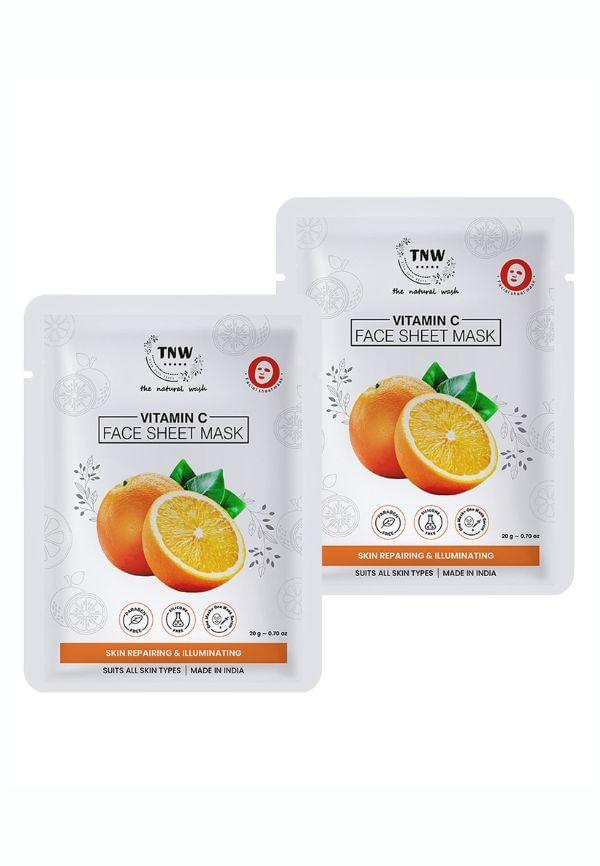
Vitamin C Face Sheet Mask for Hydrating & Nourishing Skin
When choosing moisturisers for dry skin in AC environments, look for products containing hyaluronic acid, glycerin, or sodium hyaluronate. These humectants act like moisture magnets, pulling water from the air (or deeper skin layers) to the surface. Apply a hyaluronic acid serum on slightly damp skin, then seal it with a lightweight moisturiser.
For midday touch-ups, keep a hydrating mist at your desk. Look for formulations with rose water, aloe vera, or diluted hyaluronic acid. Spritz every 2-3 hours, especially if you feel that familiar tightness creeping in. Just remember to pat the mist into your skin rather than letting it evaporate—otherwise, you might actually increase moisture loss.
Morning preparation is crucial for AC warriors. After cleansing, apply a hydrating toner or essence while your skin is still slightly damp. Follow with a serum containing ceramides or niacinamide—ingredients that strengthen your skin barrier. Finish with a moisturiser that contains both humectants and occlusives like squalane or shea butter to lock everything in.
Whilst you can't control your office's AC settings, you can create a more skin-friendly microenvironment around your workspace. Small changes can make a significant difference in combating dry skin in air-conditioned environments.
Consider investing in a small desk humidifier—the kind that plugs into your laptop's USB port. These compact devices can raise humidity levels in your immediate area by 10-15%, which might not sound like much but can significantly reduce moisture loss from your skin. Choose one with a timer function so it runs intermittently rather than constantly.
Pay attention to your seating position relative to AC vents. Direct airflow accelerates moisture loss, so if possible, position yourself where you'll get the cooling benefit without the constant air stream hitting your face. If you can't move your desk, consider a small desk fan to redirect airflow away from your skin.
Use your breaks strategically for skin recovery. Even 5 minutes outdoors (in shade) can help your skin rebalance its moisture levels. The key is giving your skin regular respites from the dry air rather than subjecting it to 8 hours of continuous dehydration.
Protecting your skin from AC damage isn't just about daily maintenance—it's about building long-term resilience. Think of it as training your skin to better handle the environmental stress of modern office life.
Evening recovery routines become especially important for office workers. After a day of moisture loss, your skin needs intensive repair. Consider using a heavier night moisturiser or adding a few drops of facial oil to your regular moisturiser. Ingredients like peptides and retinol (used carefully) can help strengthen your skin barrier over time.
Weekly treatments can provide the deep hydration boost your skin craves. Sheet masks with hyaluronic acid or collagen work well, but don't overlook simple DIY options. A honey and oatmeal mask can provide intensive moisture and gentle exfoliation to remove the flaky skin that AC environments often cause.
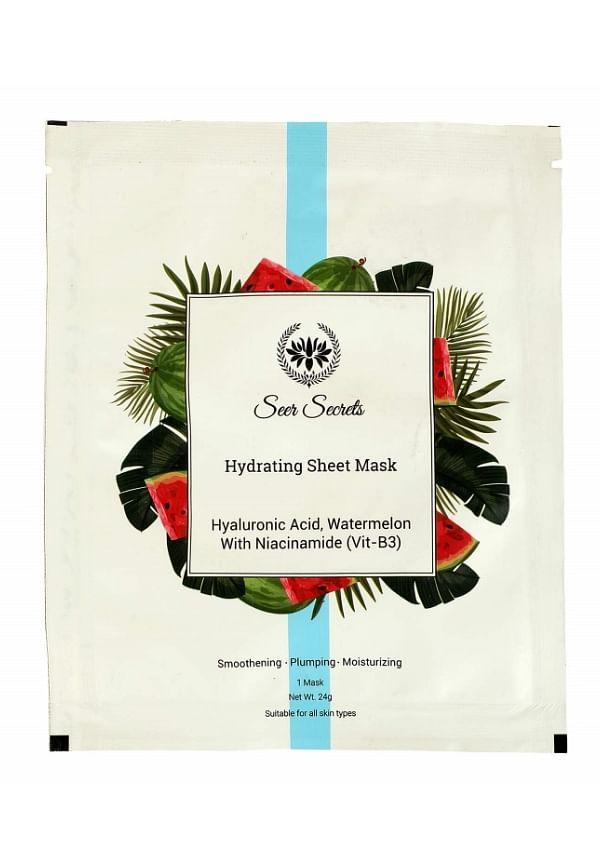
Hydrating Sheet Mask- For Moisturise and Nourishment
Your AC skincare strategy should evolve with the seasons. During monsoon months, you might need lighter formulations that won't feel heavy in the humid outdoor air, but still provide protection indoors. Summer requires more intensive hydration to combat the extreme temperature differences between indoor and outdoor environments.
Yes, prolonged AC exposure significantly dries skin by reducing humidity levels from the ideal 40-60% to just 20-30%. This low humidity accelerates transepidermal water loss, causing your skin to lose moisture faster than it can replenish it. Most people notice tightness and flakiness within 6-8 hours of continuous exposure.
Maintain consistent hydration through regular water intake, use a hydrating mist every 2-3 hours, and apply products with hyaluronic acid and ceramides. Keep a desk humidifier nearby if possible, and take short breaks outside AC environments to let your skin rebalance. Layer lightweight, hydrating products rather than relying on one heavy moisturiser.
Extended daily AC exposure can lead to chronic dehydration, premature fine lines, compromised skin barrier function, and increased sensitivity. Over months or years, this can result in accelerated ageing, persistent dryness, and skin that becomes increasingly reactive to environmental changes and skincare products.
Yes, AC environments often require products with stronger humectants like hyaluronic acid and barrier-repair ingredients like niacinamide and ceramides. You might need to layer products more strategically and use hydrating mists for midday touch-ups. The key is choosing formulations that work well under artificial lighting and won't feel heavy when transitioning between indoor and outdoor environments.
Your skin doesn't have to suffer for the sake of staying cool. Understanding how air conditioning affects skin moisture is the first step towards protecting yourself from its drying effects. With the right combination of hydration, strategic product choices, and environmental awareness, you can maintain healthy, comfortable skin even in the driest office environments.
Remember, consistency matters more than perfection. Small daily habits—sipping water regularly, applying hydrating mist, using barrier-strengthening ingredients—add up to significant improvements over time. Your skin adapted to India's humid climate over generations; with a little help, it can adapt to modern office life too.
The beauty of addressing AC-induced skin dryness lies in how quickly you'll see results. Most people notice improved comfort and hydration within just a few days of implementing these strategies. Your skin will thank you for the extra attention, and you'll feel more confident and comfortable throughout your workday. If you're curious about trying new hydrating products but hesitant to commit to full sizes, platforms like Smytten let you explore minis from trusted skincare brands, making it easier to find what works best for your AC-challenged skin.
