Hormones and Skin Health Explained: Your FAQ
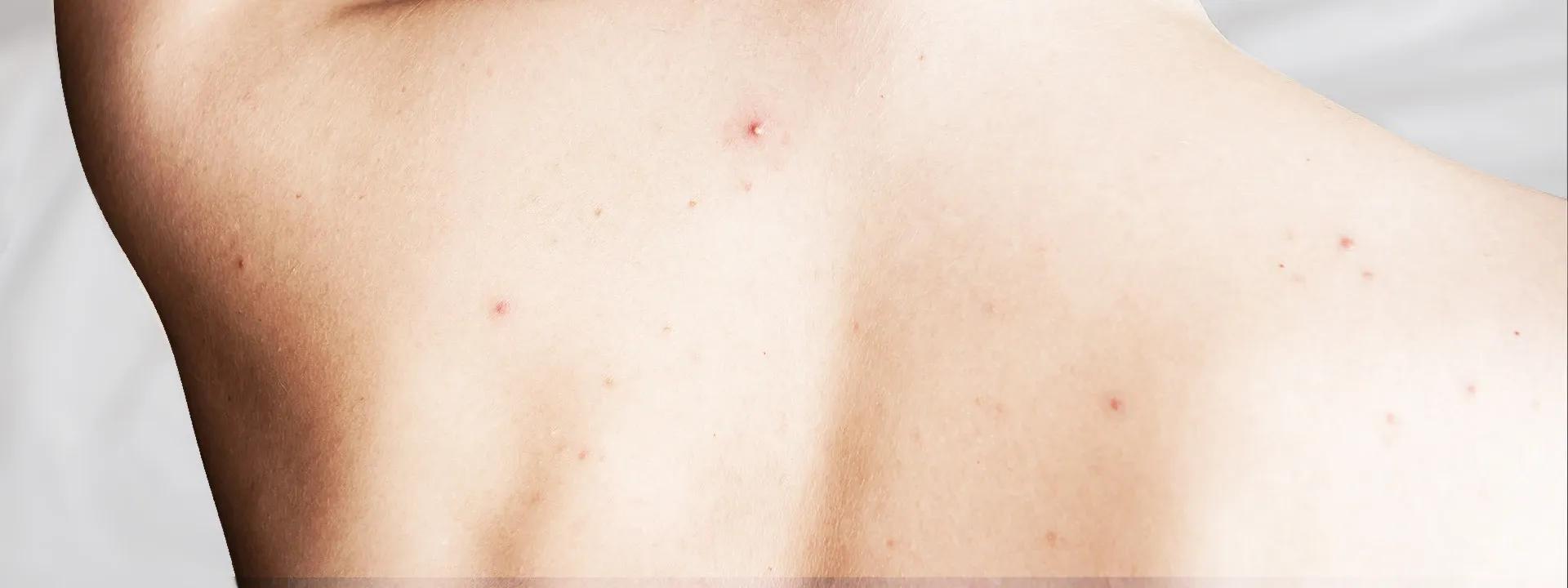

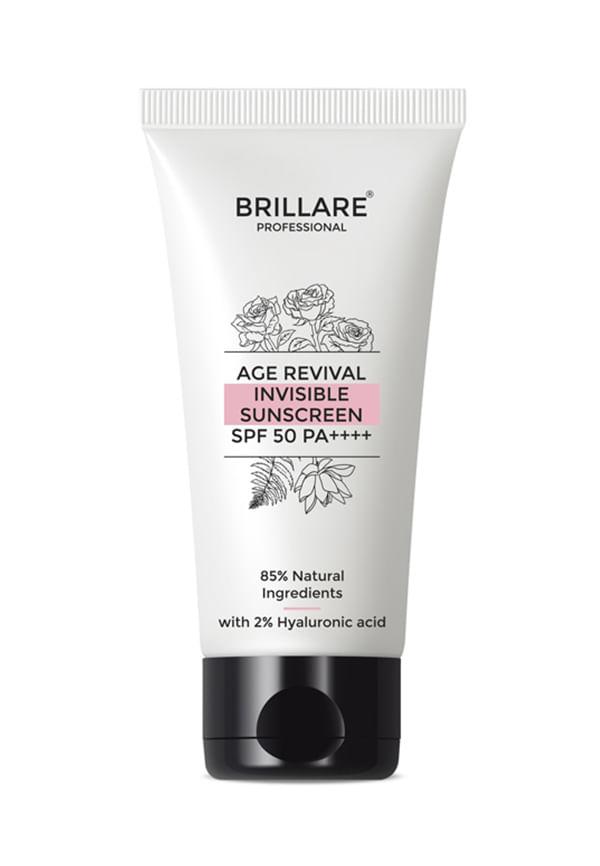
Age Revival INVISIBLE Sunscreen
Ever wondered why your skin seems to have a mind of its own? One week you're glowing, the next you're dealing with unexpected breakouts or sudden dryness. The culprit behind these mysterious skin changes often lies within your body's complex hormonal orchestra. Understanding hormones and skin health explained can transform how you approach skincare, helping you work with your body's natural rhythms rather than against them. From the teenage years through menopause, hormones play a starring role in determining your skin's appearance, texture, and overall health. Whether you're battling hormonal acne causes, noticing changes during your menstrual cycle, or experiencing skin shifts as you age, the connection between your endocrine system and your complexion is undeniable. At Smytten, we understand that effective skincare starts with understanding your skin's unique needs, which is why exploring the science behind hormonal skin changes is so crucial for building the right routine.
Hormones directly influence oil production, collagen synthesis, and inflammation in your skin
Estrogen acts as the "beauty hormone" whilst androgens like testosterone can trigger acne and oiliness
Cortisol from chronic stress accelerates skin ageing and impairs healing
Thyroid hormones affect skin texture, temperature regulation, and overall appearance
Achieving hormonal balance through lifestyle changes and targeted skincare can dramatically improve skin health
Your skin isn't just a protective barrier—it's a hormone-responsive organ that reacts to every fluctuation in your endocrine system. The endocrine system skin relationship operates through multiple pathways, with hormones acting as chemical messengers that tell your skin cells how to behave.
The primary mechanisms involve oil production regulation, collagen synthesis control, and inflammation response modulation. When hormone levels shift, your sebaceous glands may produce more or less oil, your skin's repair processes can speed up or slow down, and your inflammatory responses may become heightened or suppressed. This explains why hormonal fluctuations create such visible skin changes—from the pre-menstrual breakout to the pregnancy glow.
Different hormones affect your skin in unique ways, creating a complex interplay that determines your skin's daily appearance and long-term health. Let's explore how each major hormone influences your complexion.
Estrogen truly earns its reputation as the beauty hormone through its remarkable effects on skin health. This hormone stimulates collagen and elastin production, keeping your skin firm, plump, and youthful-looking. It also boosts hyaluronic acid synthesis, which helps your skin retain moisture and maintain that coveted dewy appearance.
Additionally, estrogen helps maintain skin thickness and elasticity, which is why estrogen decline during menopause often leads to visible ageing signs. Higher estrogen levels typically correlate with improved skin texture, reduced fine lines, and enhanced overall radiance.
Testosterone and other androgens have a more complex relationship with skin health. These hormones stimulate sebaceous glands, leading to increased oil production that can result in clogged pores and breakouts. Understanding hormonal acne causes often starts with recognising androgen activity, as these hormones affect both men and women.
DHT (dihydrotestosterone), a potent form of testosterone, particularly influences pore size and oil production. This explains why hormonal acne often appears around the jawline, chin, and lower face—areas with higher concentrations of androgen receptors.
Progesterone presents a fascinating paradox in skincare. Whilst it can increase sebum production, potentially leading to breakouts, it also causes slight skin swelling that can temporarily compress pores and create a smoother appearance. This dual action explains the complex skin changes many women experience during their luteal phase.
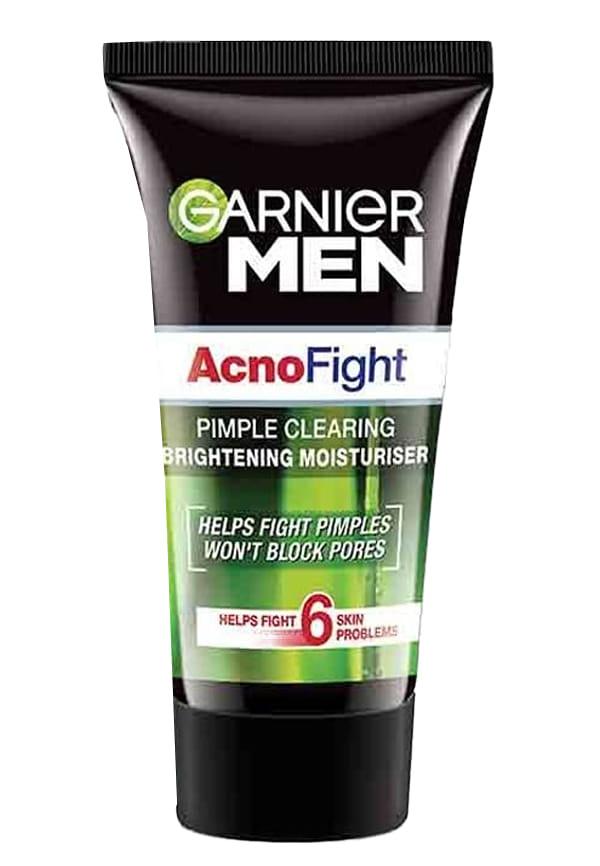
Men Acno Fight Pimple Clearing Brightening Day Cream
The balance between progesterone and estrogen is crucial for skin health, with imbalances often manifesting as pre-menstrual skin issues or irregular breakout patterns.
Chronic stress wreaks havoc on your skin through elevated cortisol levels, creating a cascade of negative effects that can dramatically age your complexion. Cortisol skin effects include compromised skin barrier function, making your skin more susceptible to irritation, dehydration, and environmental damage.
This stress hormone accelerates inflammation throughout your body, including in your skin, leading to increased redness, sensitivity, and slower healing of blemishes. Cortisol also breaks down collagen—the protein responsible for skin firmness and elasticity—contributing to premature wrinkle formation and loss of skin bounce. Additionally, elevated cortisol impairs wound healing, meaning cuts, scratches, and acne take longer to resolve, often leaving behind more noticeable marks or scarring.
Your thyroid gland controls your body's metabolism, and thyroid and skin conditions are closely interlinked. When your thyroid is underactive (hypothyroidism), your skin often becomes dry, thick, and pale, with a characteristic dull appearance that no amount of moisturiser seems to fix.
Conversely, an overactive thyroid (hyperthyroidism) can cause excessive sweating, skin thinning, and an unusually warm feeling to the touch. Both conditions can affect hair and nail growth, with changes often appearing in your complexion before other symptoms become apparent. Temperature regulation issues related to thyroid function can also impact how your skin responds to environmental changes and skincare products.
Understanding how hormones affect your skin throughout different life stages helps you anticipate and adapt your skincare routine accordingly. Each phase brings unique challenges and opportunities for skin health.
Menopause represents one of the most significant hormonal shifts in a woman's life, with profound effects on skin health. The estrogen decline timeline during perimenopause and menopause accelerates skin aging and hormones interaction, leading to decreased collagen production, reduced skin thickness, and diminished elasticity.
Common menopause skin changes include increased dryness, the appearance of deeper wrinkles, and loss of skin firmness. Hot flashes can also create additional skin challenges, including sudden flushing, increased sensitivity, and disrupted skin barrier function.
Your monthly cycle creates predictable skin patterns that, once understood, can help you optimise your skincare routine. During the follicular phase, rising estrogen levels typically improve skin appearance, creating a clearer, more radiant complexion.
Ovulation often represents peak skin condition, with many women experiencing their best skin days during this time. However, the luteal phase brings progesterone dominance, often resulting in increased oiliness, potential breakouts, and skin sensitivity. Menstruation itself can trigger a hormone crash that leaves skin looking dull and feeling more reactive.
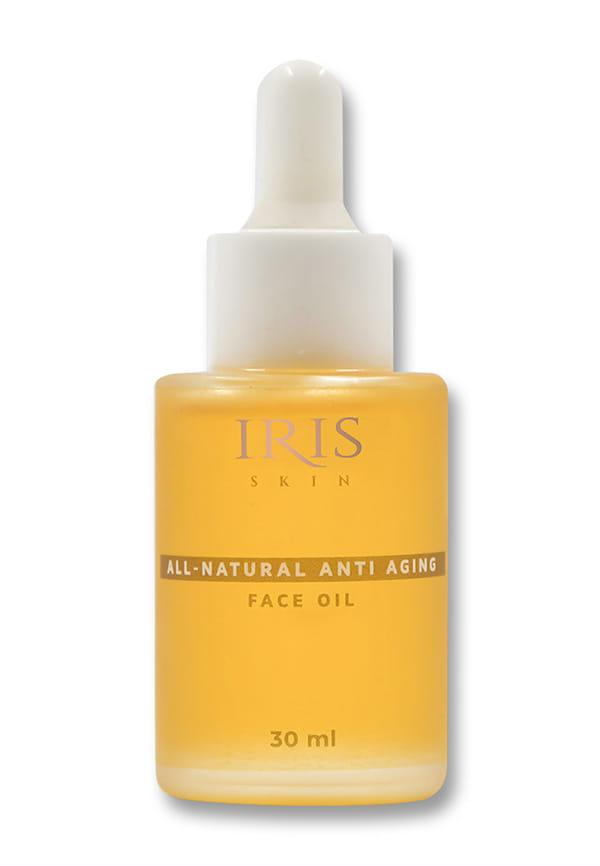
All-Natural Anti-Aging Face Oil
The famous "pregnancy glow" results from increased blood flow and elevated estrogen levels that boost skin radiance and thickness. However, pregnancy hormones can also trigger melasma (dark patches), increased pigmentation, and changes in skin sensitivity.
Postpartum brings its own challenges as hormone levels crash dramatically, often leading to skin dryness, increased sensitivity, and sometimes temporary hair loss. Understanding these natural fluctuations helps set realistic expectations and choose appropriate skincare strategies.
Whilst you can't completely control your hormones, you can support hormonal balance for clear skin through targeted lifestyle interventions and smart skincare choices. The key lies in working with your body's natural rhythms rather than fighting against them.
Sleep optimisation forms the foundation of hormone regulation, as your body produces and balances hormones during deep sleep phases. Aim for 7-9 hours of quality sleep nightly, maintaining consistent sleep and wake times to support your circadian rhythm.
Stress management techniques like meditation, yoga, or regular exercise help control cortisol levels, protecting your skin from stress-induced damage. Exercise also supports overall hormonal balance by improving insulin sensitivity and promoting healthy circulation. Anti-inflammatory foods rich in omega-3 fatty acids, antioxidants, and phytoestrogens can naturally support hormone production and skin health.
Cycle-syncing your skincare routine involves adjusting products and treatments based on your hormonal fluctuations. During high-estrogen phases, your skin may tolerate stronger active ingredients like retinoids or AHAs better, whilst hormone-sensitive periods call for gentler, more nourishing approaches.
For hormonal acne, ingredients like niacinamide, salicylic acid, and zinc can help regulate oil production and reduce inflammation. However, timing these treatments with your cycle can improve their effectiveness whilst minimising irritation.
Persistent hormonal skin issues warrant professional evaluation, particularly if you experience sudden changes in skin behaviour, severe adult acne, or unusual pigmentation patterns. A dermatologist can assess whether your skin concerns require medical intervention, whilst an endocrinologist can evaluate underlying hormonal imbalances.
Hormone testing may be recommended if lifestyle changes and appropriate skincare don't improve your skin concerns. Treatment options range from topical prescriptions to hormonal therapies, depending on your specific needs and health profile.
Estrogen is widely known as the "beauty hormone" because it stimulates collagen, elastin, and hyaluronic acid production, keeping skin plump, firm, and youthful-looking. Higher estrogen levels typically correlate with improved skin texture, enhanced radiance, and reduced visible signs of ageing.
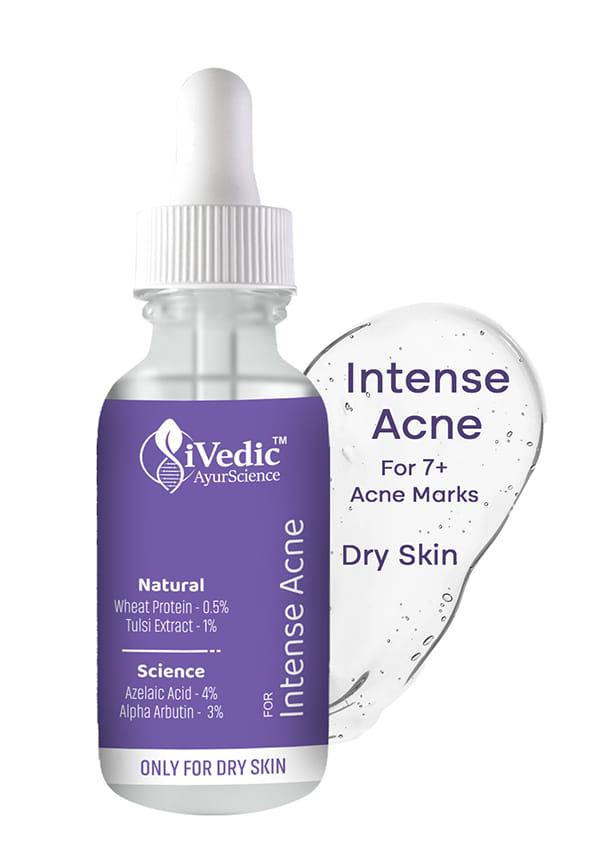
Acne End Face Serum | Only For Dry Skin with Intense Acne
Focus on getting adequate sleep (7-9 hours nightly), engaging in regular exercise, managing stress through meditation or yoga, and eating omega-3 rich foods like salmon and walnuts. Maintaining a healthy weight and avoiding excessive alcohol consumption also support optimal estrogen levels naturally.
Excess androgens, particularly testosterone and DHT (dihydrotestosterone), are primary culprits for problematic skin. These hormones stimulate sebaceous glands, causing increased oil production, clogged pores, and hormonal acne, especially around the jawline and chin area.
Fluctuating estrogen and progesterone levels can trigger melanin overproduction, leading to melasma, dark spots, and uneven skin tone. This commonly occurs during pregnancy, whilst taking hormonal contraceptives, or during menopause when hormone levels become irregular.
Key indicators include adult acne concentrated around the jawline and chin, sudden changes in skin oiliness or dryness, increased sensitivity or irritation, unusual pigmentation or dark patches, and premature ageing signs. These symptoms often correlate with menstrual cycle changes or life stage transitions.
Whilst at-home hormone tests are available, they're best used as initial screening tools rather than definitive diagnostic measures. For accurate assessment and treatment recommendations, consult with a healthcare provider who can interpret results within the context of your overall health and symptoms.
Skin improvements typically become noticeable within 2-3 months of implementing hormonal balance strategies, as this allows time for complete skin cell turnover. However, some people may see initial changes within 4-6 weeks, particularly in oil production and breakout frequency. When exploring products to support your hormonal skin journey, Smytten offers trial-sized versions of various skincare brands, allowing you to test different formulations before committing to full-size purchases.
Understanding the intricate relationship between hormones and skin health empowers you to make informed decisions about your skincare routine and lifestyle choices. Estrogen supports skin youth and radiance, whilst androgens can trigger oil production and breakouts. Stress hormones like cortisol accelerate ageing, and thyroid function affects overall skin texture and appearance.
The key to managing hormonal skin lies in supporting your body's natural balance through adequate sleep, stress management, proper nutrition, and cycle-aware skincare. Remember that hormonal skin changes are normal and often temporary, requiring patience and consistency in your approach. When lifestyle modifications aren't sufficient, don't hesitate to seek professional guidance for comprehensive evaluation and treatment options.
Navigating hormonal skin changes doesn't have to be a guessing game. Smytten is India's largest product discovery and trial platform, connecting consumers with top lifestyle, beauty, wellness, and grooming brands. At its core, Smytten offers curated trial packs - mini-sized products from over 2,400 trusted brands such as Cetaphil, Dot & Key, True Elements, Oziva, Renee, Swiss Beauty, Love Beauty & Planet, WishCare, Carlton London and Bella Vita. This try before you buy approach lets users explore and experience products before committing to full-size purchases, which is particularly valuable when dealing with hormonally sensitive skin that may react differently to products at various times. Each mini is linked with Trial Points, and users can get up to 10 Trial Points for just ₹279, with 100% cashback on trials redeemable for future orders. With over 28 million users and 100 million trial minis delivered across 90% pin code coverage, Smytten helps you make smarter, more confident choices for your ever-changing skin needs. After all, why settle for 'maybe' when you can #TryItAll!
