Hormonal Fluctuation & Indian Women's Skin FAQ: Answers You Need


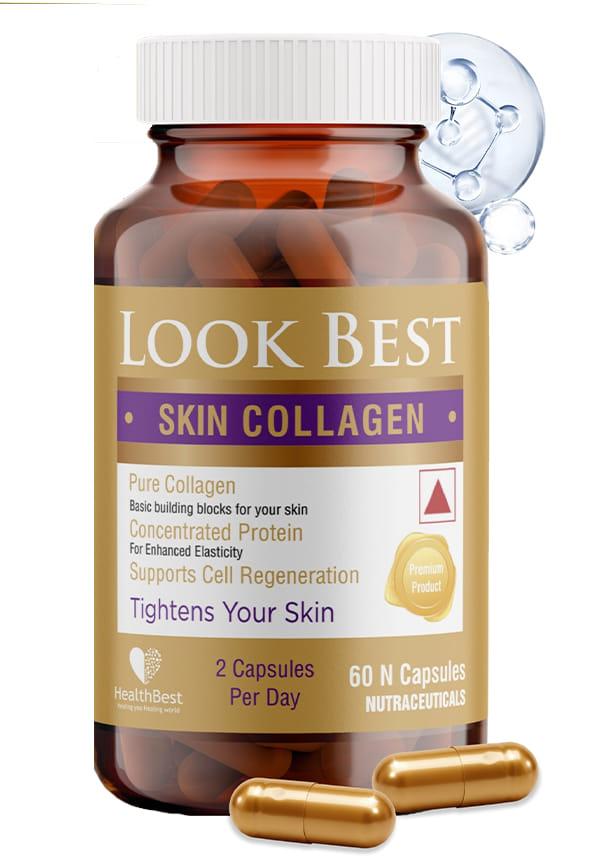
Skin Collagen Supplement for Women & Men - Enhances Skin Tightening, Boosts Elasticity & Firmness
Ever noticed how your skin seems to have a mind of its own throughout the month? One week you're glowing like you've just stepped out of a facial, and the next, you're dealing with unexpected breakouts or that dull, tired look that no amount of highlighter can fix. If you're nodding along, you're not alone. Hormonal fluctuations affect nearly every Indian woman's skin in predictable yet frustrating ways. The good news? Once you understand what's happening beneath the surface, you can work with your cycle instead of against it.
Your skin is essentially a mirror reflecting what's happening with your hormones throughout the month. Estrogen, progesterone, and testosterone don't just affect your mood and energy levels—they're constantly reshaping how your skin looks and feels.
Estrogen is your skin's best friend. When levels are high, it boosts collagen production, improves skin elasticity, and helps your skin retain moisture. Think of it as nature's anti-ageing serum. Progesterone, on the other hand, can be a bit more complicated. It tends to increase oil production and can make your skin feel warmer and slightly swollen. Testosterone, even in small amounts, stimulates your sebaceous glands, which is why you might notice more shine or breakouts during certain phases.
For Indian women, these hormonal shifts often interact with our naturally higher melanin content, making us more prone to post-inflammatory hyperpigmentation when breakouts occur. The humid climate in many parts of India can also amplify the effects of increased oil production during certain cycle phases.
Our skin has some distinct characteristics that make hormonal fluctuations particularly noticeable. Melanin-rich skin tends to show pigmentation changes more readily, so that small hormonal breakout can leave a dark spot that lingers for months. Additionally, the combination of pollution, heat, and humidity in Indian cities can exacerbate hormone-related skin problems.
Cultural factors play a role too. Many Indian households favour oil-rich foods during certain times of the month, which can influence how our skin responds to natural hormonal changes. The stress of balancing work, family, and social expectations can also trigger cortisol spikes that worsen hormonal imbalance skin issues.
Understanding your cycle is like having a crystal ball for your skincare routine. Each phase brings predictable changes, and knowing what to expect helps you prepare rather than react.
During your period, both estrogen and progesterone are at their lowest. This hormonal dip often leaves your skin looking dull and feeling dry. You might notice increased sensitivity, and your usual products might suddenly feel too harsh. Your skin barrier function is compromised during this time, making you more prone to irritation and redness.
This is when gentle, hydrating skincare becomes crucial. Skip the strong actives and focus on ceramides, hyaluronic acid, and soothing ingredients like niacinamide. Your skin is essentially in recovery mode, so treat it with extra kindness.
As your period ends and estrogen begins to rise, your skin starts its comeback tour. This is often when people say you're "glowing" without makeup. Your skin becomes more resilient, and this is actually the best time to introduce new products or treatments.
Take advantage of this phase by incorporating gentle exfoliation with AHAs or trying that new serum you've been curious about. Your skin can handle more during this time, and you're less likely to experience adverse reactions.
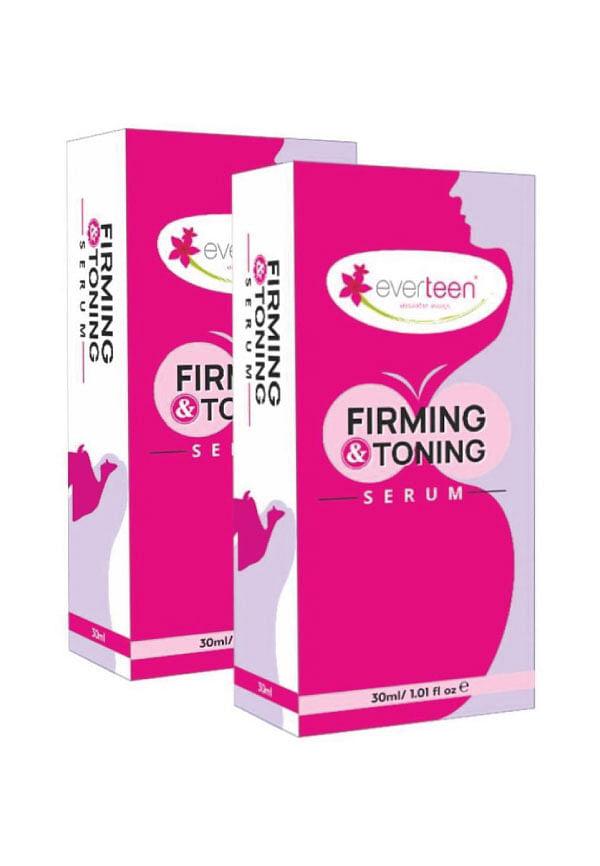
Firming and Toning Serum for Women
Estrogen peaks around ovulation, and this is when your skin looks its absolute best. Collagen production is at its highest, your skin barrier is strong, and you have that natural luminosity that no highlighter can replicate. Many women find they need less makeup during this phase.
This is the time to take those selfies and maybe try that bold lipstick you've been saving. Your skin can handle lightweight formulations, and you might find that your usual moisturiser feels too heavy.
After ovulation, progesterone takes centre stage, and this is where things can get tricky. Oil production increases, particularly in the T-zone, and you might notice hormonal acne starting to appear around your chin and jawline. Your skin might feel congested, and pores can appear larger.
This is when oil-control ingredients like salicylic acid and niacinamide become your allies. However, be careful not to over-dry your skin, as this can trigger even more oil production.
Recognising the patterns in your skin can help you address issues before they become major concerns. Here are the most common hormone-related skin problems that affect Indian women.
Hormonal acne has distinct characteristics that set it apart from teenage breakouts. It typically appears along the jawline, chin, and sometimes the neck. These spots tend to be deeper, more painful, and often leave behind dark marks on Indian skin.
Unlike random breakouts, hormonal acne follows a predictable pattern, usually appearing in the same spots each month. The key is gentle, consistent treatment with ingredients like salicylic acid, benzoyl peroxide (in lower concentrations for Indian skin), and niacinamide to reduce inflammation and prevent post-inflammatory hyperpigmentation.
Hormonal fluctuations can trigger or worsen pigmentation issues, particularly melasma. The combination of hormones and sun exposure can create stubborn dark patches that are notoriously difficult to treat. Indian women are particularly susceptible due to our higher melanin content.
Prevention is crucial here. Daily SPF is non-negotiable, and ingredients like vitamin C, kojic acid, and arbutin can help manage existing pigmentation. However, patience is key—hormonal pigmentation often takes months to improve.
Many women experience increased skin sensitivity during certain phases of their cycle. Your usual products might suddenly sting, or your skin might feel tight and uncomfortable. This is particularly common during the menstrual phase when hormone levels are low.
Building a strong skin barrier with ingredients like ceramides, peptides, and gentle hydrating serums can help your skin weather these hormonal storms more gracefully.
The most effective approach to managing hormonal skin is adapting your routine to work with your cycle rather than maintaining the same regimen all month long.
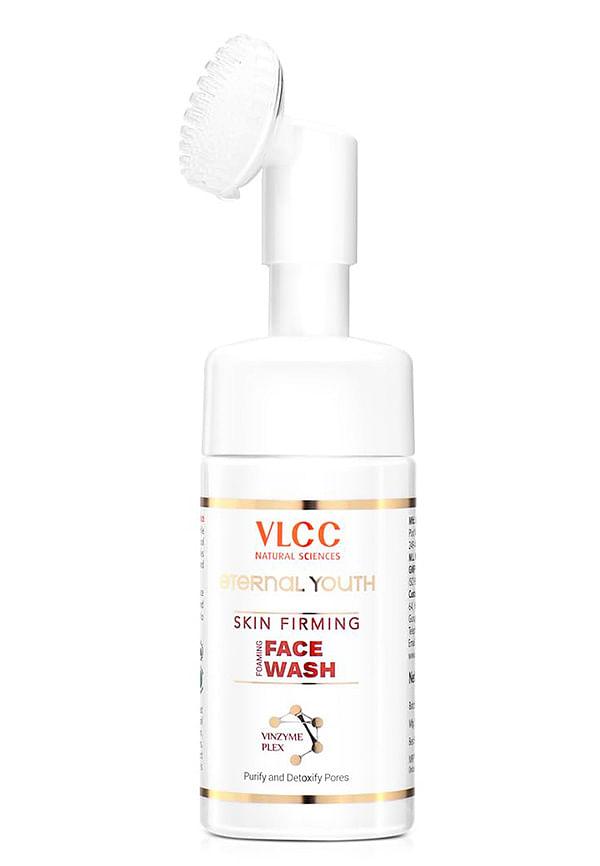
Eternal Youth Skin Firming Face Wash
During your period, your skin needs extra TLC. Focus on gentle cleansing with cream-based or oil-based cleansers. Avoid harsh scrubs or strong actives. This is the time for hydrating masks, gentle moisturisers, and soothing ingredients.
A simple routine might include a gentle cleanser, a hydrating serum with hyaluronic acid, and a rich moisturiser. If you're dealing with sensitivity, look for products with centella asiatica or chamomile.
As your skin becomes more resilient, you can gradually reintroduce active ingredients. This is an excellent time for gentle exfoliation with lactic acid or mandelic acid, which are particularly suitable for Indian skin tones.
You can also try new products during this phase, as your skin is less likely to react negatively. Consider adding a vitamin C serum in the morning or a gentle retinol product at night.
When your skin is at its peak, the goal is maintenance rather than treatment. Lightweight formulations work best during this time. You might find that your usual moisturiser feels too heavy, so consider switching to a lighter gel-based formula.
This is also an excellent time for professional treatments like facials or chemical peels, as your skin can handle and recover from them more effectively.
As oil production increases, focus on balancing your skin without stripping it. Salicylic acid can help prevent clogged pores, while niacinamide controls oil production and reduces inflammation.
Consider using a clay mask once or twice a week to manage excess oil, but follow up with a hydrating serum to prevent over-drying. This is also when spot treatments for emerging breakouts can be most effective.
Beyond adapting your routine to your cycle, there are broader strategies that can help minimise the impact of hormonal fluctuations on your skin.
Niacinamide is particularly beneficial for Indian women dealing with hormonal skin changes. It helps control oil production, reduces inflammation, and can prevent post-inflammatory hyperpigmentation. Hyaluronic acid provides essential hydration without heaviness, making it perfect for our climate.
For those dealing with hormonal acne, salicylic acid in concentrations of 0.5-2% can be effective without being too harsh. Azelaic acid is another excellent option that addresses both acne and pigmentation concerns.
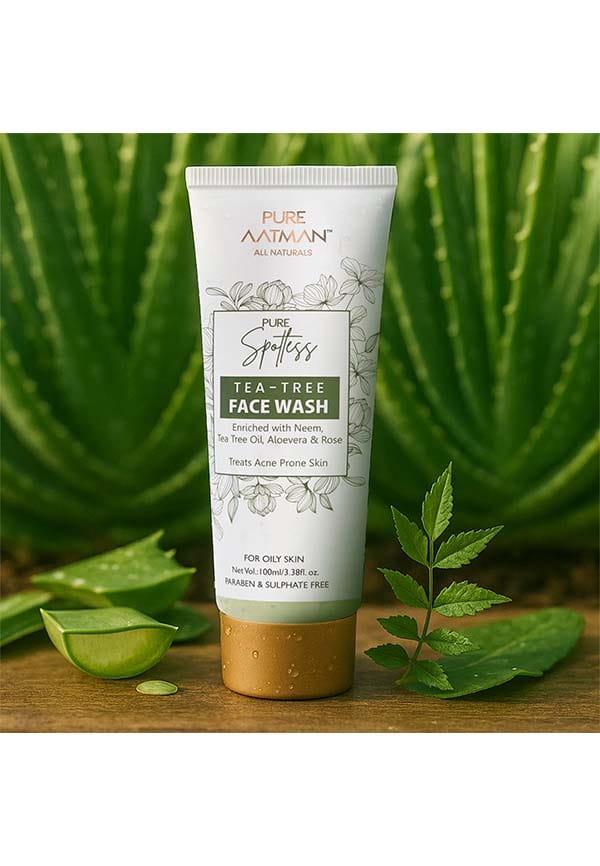
Face wash for women for Acne Prone Skin with Neem & Tea Tree Dry Skin Pigmentation
Your skincare routine is just one piece of the puzzle. Diet plays a significant role in hormonal balance. High-glycemic foods and dairy can exacerbate hormonal acne in some women. Consider tracking your diet alongside your skin changes to identify potential triggers.
Sleep quality directly affects hormone production. Poor sleep can increase cortisol levels, which can worsen hormonal imbalance skin issues. Aim for 7-8 hours of quality sleep, especially during the luteal phase when your skin is already under stress.
Hormonal fluctuations create a predictable cycle of skin changes. During menstruation, low estrogen and progesterone levels cause dryness and sensitivity. The follicular phase brings gradual improvement as estrogen rises. Ovulation provides peak skin condition with high estrogen levels. The luteal phase increases oil production and can trigger breakouts due to rising progesterone. Indian women may experience more pronounced pigmentation changes due to higher melanin content.
Hormonal acne typically appears along the jawline, chin, and neck because these areas have more hormone-sensitive oil glands. The cyclical nature means breakouts often occur in identical locations each month, usually 7-10 days before your period when progesterone levels peak.
While you can't eliminate hormonal fluctuations, you can significantly minimise their impact on your skin. Consistent skincare adapted to your cycle, stress management, adequate sleep, and a balanced diet all help. Some women find hormonal birth control helpful, but this should be discussed with a healthcare provider.
Hormonal acne usually appears 7-10 days before menstruation and can persist through the first few days of your period. Individual spots may take 1-2 weeks to fully heal, and post-inflammatory hyperpigmentation can last several months on Indian skin without proper treatment.
Rather than completely overhauling your routine, make strategic adjustments. Keep your basic cleanser and moisturiser consistent, but modify treatments and actives based on your cycle phase. This approach is more practical and less likely to cause skin irritation from constant product changes.
Consult a dermatologist if you experience severe cystic acne, persistent pigmentation that doesn't improve with over-the-counter treatments, or if hormonal skin changes significantly impact your quality of life. Additionally, sudden changes in your usual pattern might indicate underlying hormonal imbalances that require medical attention.
Understanding how hormonal fluctuations affect your skin is empowering. Instead of feeling frustrated by monthly skin changes, you can anticipate and prepare for them. The key is working with your natural cycle rather than against it.
Remember that consistency matters more than perfection. A gentle, adaptable routine that acknowledges your hormonal skin changes will serve you better than aggressive treatments that ignore your body's natural rhythms. Your skin's needs will evolve not just throughout the month, but also as you age and your hormone levels change.
For those curious about trying new products to support their hormonal skincare journey, Smytten offers an excellent way to test formulations before committing to full sizes. With access to trusted brands and the ability to try products through minis, you can discover what works for your unique skin patterns without the risk of investing in products that might not suit your changing needs. It's particularly valuable when you're learning to navigate hormonal skin changes and want to experiment safely with different approaches throughout your cycle.
