Hormonal Acne Causes FAQ: Understanding Your Breakouts


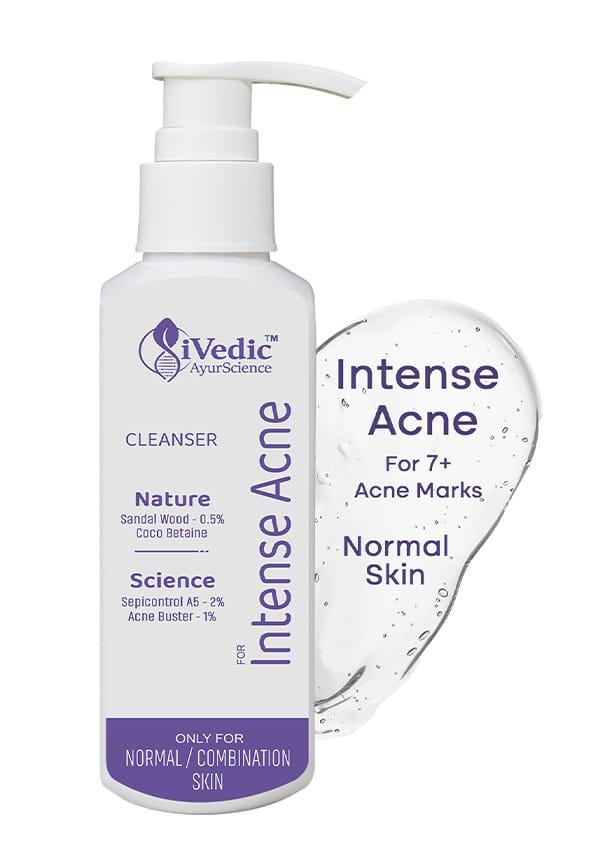
Acne End Face Wash | Only For Normal Skin with Intense Acne
If you've been dealing with stubborn breakouts that seem to follow a monthly pattern or appear in specific areas like your chin and jawline, you're likely experiencing hormonal acne. Unlike the occasional spot that pops up from clogged pores, hormonal acne has deeper roots—literally and figuratively. Understanding what causes hormonal acne is the first step towards managing it effectively. This type of acne affects millions of people, particularly women, and can persist well into adulthood. The good news? Once you understand the science behind hormonal breakouts, you can take targeted action. Whether you're exploring skincare solutions through platforms like Smytten or considering professional treatments, knowing your triggers makes all the difference. Let's dive into the complex relationship between your hormones and your skin, so you can finally get the clear complexion you deserve.
Hormonal acne is caused by fluctuations in androgens, estrogen, and insulin, which increase oil production and inflammation
Common triggers include menstrual cycles, PCOS, stress, pregnancy, and certain lifestyle factors
Hormonal breakouts typically appear on the chin, jawline, and lower face, often as deep, cystic lesions
Treatment options range from topical retinoids and targeted skincare to hormonal therapies and lifestyle modifications
Understanding your specific patterns and triggers is key to developing an effective long-term management strategy
Hormonal acne is fundamentally different from the typical teenage breakouts most people experience. While regular acne often results from bacteria, excess oil, or clogged pores, hormonal acne stems from internal fluctuations in your body's hormone levels. These hormonal shifts trigger a cascade of skin changes that can persist for weeks or even months.
Hormonal breakouts have distinct patterns that set them apart. They typically appear as deep, painful cysts rather than surface-level whiteheads or blackheads. The timing is often predictable—many women notice flare-ups in the week before their period, during pregnancy, or when starting or stopping birth control.
One of the clearest indicators of hormonal acne is where it appears. The lower third of your face—particularly your chin, jawline, and sometimes your neck—are prime real estate for hormonal breakouts. This area has more androgen receptors, making it particularly sensitive to hormonal fluctuations.
Whilst teenage acne often resolves by the early twenties, hormonal acne can persist well into adulthood. In fact, studies show that up to 50% of women in their twenties and 35% of women in their thirties experience adult acne, with hormonal causes being the primary culprit.
Understanding the biological mechanisms behind hormonal acne helps explain why it's so persistent and why certain treatments work better than others. Your skin is essentially an endocrine organ, responding to hormonal signals throughout your body.
Androgens, particularly testosterone and dihydrotestosterone (DHT), are the primary drivers of hormonal acne. These hormones bind to receptors in your sebaceous glands, triggering increased oil production. When your skin produces too much sebum, it can mix with dead skin cells and bacteria, creating the perfect environment for acne formation.
The relationship between estrogen and progesterone plays a crucial role in skin health. Estrogen generally has a protective effect, helping to maintain skin thickness and moisture. However, when estrogen levels drop relative to progesterone—as happens before menstruation—androgen activity increases, leading to breakouts.

Acne End Face Wash | Only For Sensitive Skin with Intense Acne
Insulin and insulin-like growth factor-1 (IGF-1) also contribute to hormonal acne. High insulin levels can increase androgen production and make your skin more sensitive to these hormones. This explains why diet and blood sugar management can significantly impact acne severity.
Hormonal acne triggers vary significantly depending on your life stage and individual circumstances. Recognising these patterns can help you anticipate and manage breakouts more effectively.
During puberty, androgen levels surge dramatically, particularly in boys. This sudden increase in testosterone leads to enlarged sebaceous glands and increased oil production. For many, this is their first encounter with acne, and the patterns established during this time often predict future hormonal breakouts.
The menstrual cycle creates predictable hormonal fluctuations that many women can map to their breakout patterns. In the luteal phase (post-ovulation), progesterone levels rise while estrogen drops, creating an environment where androgens can exert more influence on the skin.
Pregnancy brings dramatic hormonal shifts that can either improve or worsen acne. Some women experience clearer skin due to increased estrogen levels, while others develop pregnancy acne due to elevated progesterone. Postpartum hormonal crashes can also trigger significant breakouts as hormone levels readjust.
Polycystic ovary syndrome (PCOS) is one of the most common causes of persistent hormonal acne in women. The condition involves elevated androgen levels, insulin resistance, and irregular ovulation, creating a perfect storm for chronic breakouts that can be particularly challenging to treat.
Successfully managing hormonal acne starts with understanding your unique patterns and triggers. This detective work can take several months but provides invaluable insights for treatment planning.
Keep track of where your breakouts occur most frequently. Hormonal acne on chin and jawline areas is classic, but some people also experience breakouts on their cheeks, neck, or back. The distribution pattern can provide clues about which hormones are most involved in your specific case.
For women, tracking breakouts in relation to your menstrual cycle can reveal clear patterns. Many notice that breakouts begin 7-10 days before their period and improve once menstruation starts. This timing corresponds to the luteal phase when progesterone dominates and estrogen levels are lower.
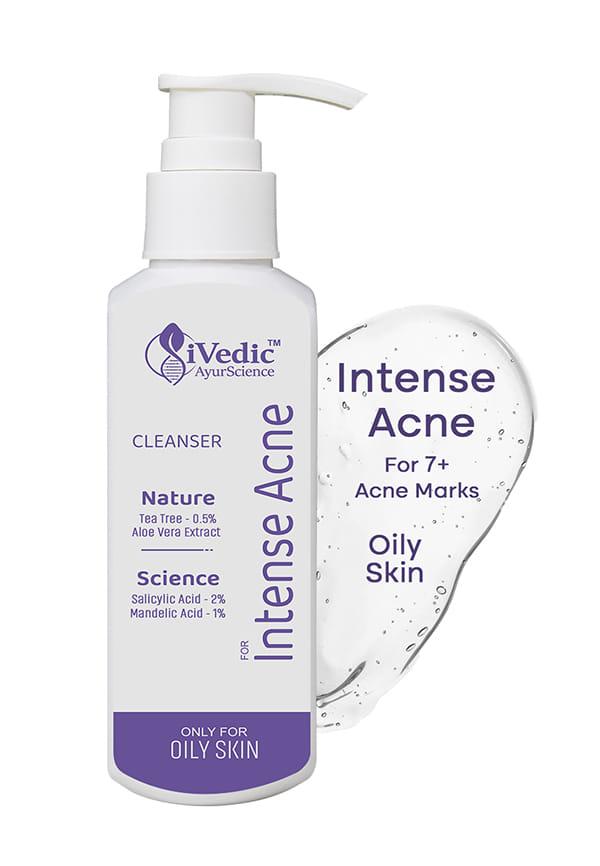
Acne End Face Wash | Only For Oily Skin with Intense Acne
Stress, sleep deprivation, and dietary choices can all amplify hormonal acne triggers. Chronic stress increases cortisol production, which can worsen insulin resistance and increase androgen activity. Poor sleep disrupts hormone regulation, whilst high-glycemic foods can spike insulin levels.
The hormonal landscape differs significantly between males and females, leading to different acne patterns and treatment approaches. Understanding these gender-specific differences is crucial for effective management.
In females, the interplay between estrogen, progesterone, and androgens creates complex acne patterns. During the reproductive years, cyclical fluctuations mean that acne severity often varies throughout the month. Estrogen generally has a protective effect on skin, which is why some women notice clearer skin during the first half of their cycle when estrogen levels are rising.
Males typically have consistently higher androgen levels, which can lead to more persistent acne patterns. However, male hormonal acne often improves with age as androgen levels stabilise. The key difference is that males don't experience the cyclical fluctuations that characterise female hormonal acne.
PCOS affects up to 10% of women of reproductive age and is characterised by elevated androgens, insulin resistance, and irregular periods. The acne associated with PCOS tends to be more severe and persistent, often presenting as deep, cystic lesions that are resistant to typical acne treatments.
Effective hormonal acne treatment often requires a multi-faceted approach that addresses both the hormonal triggers and the skin symptoms. The key is finding the right combination of treatments for your specific situation.
Retinoids remain the gold standard for topical acne treatment, including hormonal acne. They work by normalising skin cell turnover and reducing inflammation. Benzoyl peroxide and salicylic acid can also be helpful, particularly for managing surface-level symptoms whilst addressing deeper hormonal causes.
For persistent hormonal acne, addressing the underlying hormonal imbalance is often necessary. Birth control pills that contain anti-androgenic progestins can help regulate hormone levels. Spironolactone, an anti-androgen medication, is particularly effective for adult women with hormonal acne.
Dermatological procedures like chemical peels, light therapy, and professional extractions can complement hormonal treatments. These approaches help manage the immediate symptoms whilst hormonal treatments address the underlying causes.
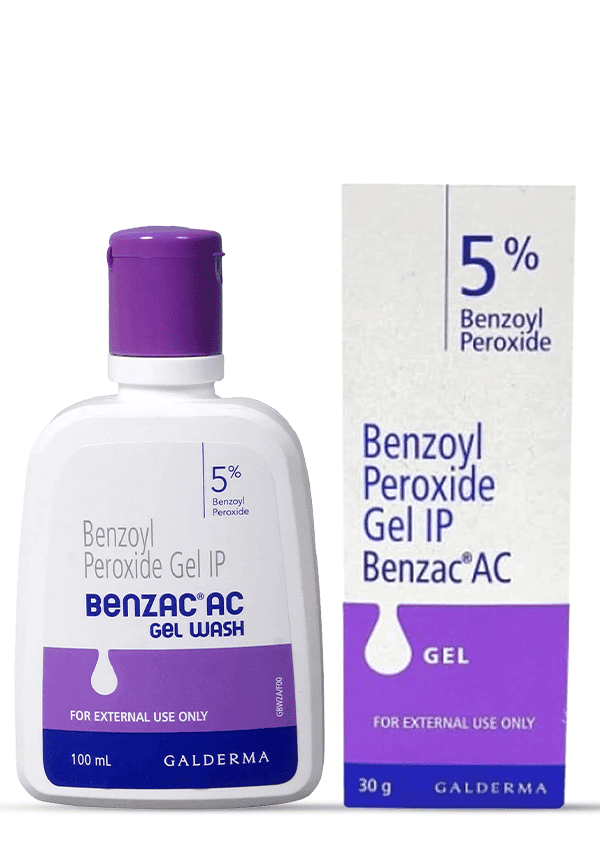
Acne Fighter Kit Advanced
Diet modifications, stress management, and targeted supplements can support hormonal balance naturally. Reducing high-glycemic foods, managing stress through mindfulness or exercise, and ensuring adequate sleep all contribute to hormonal stability and clearer skin.
Stopping hormonal acne typically requires a combination approach. Start with consistent skincare using retinoids and gentle, non-comedogenic products. For persistent cases, hormonal treatments like birth control or spironolactone may be necessary. Lifestyle factors like diet, stress management, and sleep also play crucial roles. Many people find success by trying different skincare products through trial platforms like Smytten before committing to full-size purchases.
The five key signs include: persistent adult acne, particularly around the chin and jawline; irregular or painful periods that correlate with breakout patterns; excessive hair growth or hair loss; unexplained weight gain or difficulty losing weight; and chronic fatigue that affects skin healing and regeneration. These symptoms often occur together and indicate that hormonal evaluation may be beneficial.
PCOS acne typically presents as deep, cystic lesions primarily on the lower face, chin, and jawline. Unlike typical teenage acne, PCOS-related breakouts are often painful, take longer to heal, and may leave significant scarring. The acne is usually persistent rather than cyclical and may extend to the neck, chest, and back areas.
Hormonal acne can improve significantly with proper treatment and lifestyle modifications. For many women, symptoms naturally decrease after menopause when hormone levels stabilise. However, without intervention, hormonal acne can persist for decades. The good news is that with the right combination of treatments—whether topical, hormonal, or lifestyle-based—most people can achieve significant improvement.
High-glycemic foods like refined sugars, white bread, and processed snacks can spike insulin levels and worsen hormonal acne. Dairy products may also trigger breakouts in some people due to natural hormones present in milk. Foods high in omega-6 fatty acids, like vegetable oils and processed foods, can promote inflammation and potentially worsen acne symptoms.
Yes, chronic stress significantly impacts hormonal acne through multiple pathways. Stress increases cortisol production, which can worsen insulin resistance and increase androgen activity. Stress also disrupts sleep patterns and can lead to poor dietary choices, both of which can exacerbate hormonal imbalances and trigger breakouts.
Understanding what causes hormonal acne is the foundation for effective treatment. The key factors include androgen sensitivity, cyclical hormone fluctuations, and lifestyle triggers that amplify these natural processes. Successful management requires identifying your specific patterns—whether they're related to your menstrual cycle, stress levels, or underlying conditions like PCOS. Treatment approaches should be tailored to address both the hormonal triggers and the skin symptoms, often requiring a combination of topical treatments, lifestyle modifications, and sometimes hormonal therapies. Remember that hormonal acne is a medical condition, not a reflection of poor hygiene or skincare habits. With patience and the right approach, significant improvement is achievable for most people dealing with hormonal breakouts.
Managing hormonal acne is a journey that requires patience, consistency, and often some trial and error to find what works best for your skin. The complexity of hormonal influences means that what works for one person may not work for another, making it essential to experiment with different approaches. Smytten understands this challenge and offers a unique solution through its trial packs, allowing you to test skincare products before committing to full-size purchases. With over 28 million users and access to trusted brands like Cetaphil, Dot & Key, and WishCare, you can explore targeted treatments for hormonal acne without the financial risk. The platform's 100% cashback on trial minis makes it affordable to try multiple products until you find your perfect routine. Whether you're looking for gentle retinoids, hormone-balancing serums, or soothing treatments for sensitive, acne-prone skin, Smytten's curated collection helps you make informed decisions. After all, when dealing with hormonal acne, why settle for guesswork when you can try it all and find what truly works for your unique skin needs?
