Guide to Sunscreen Stick for Men: Your FAQ Answered
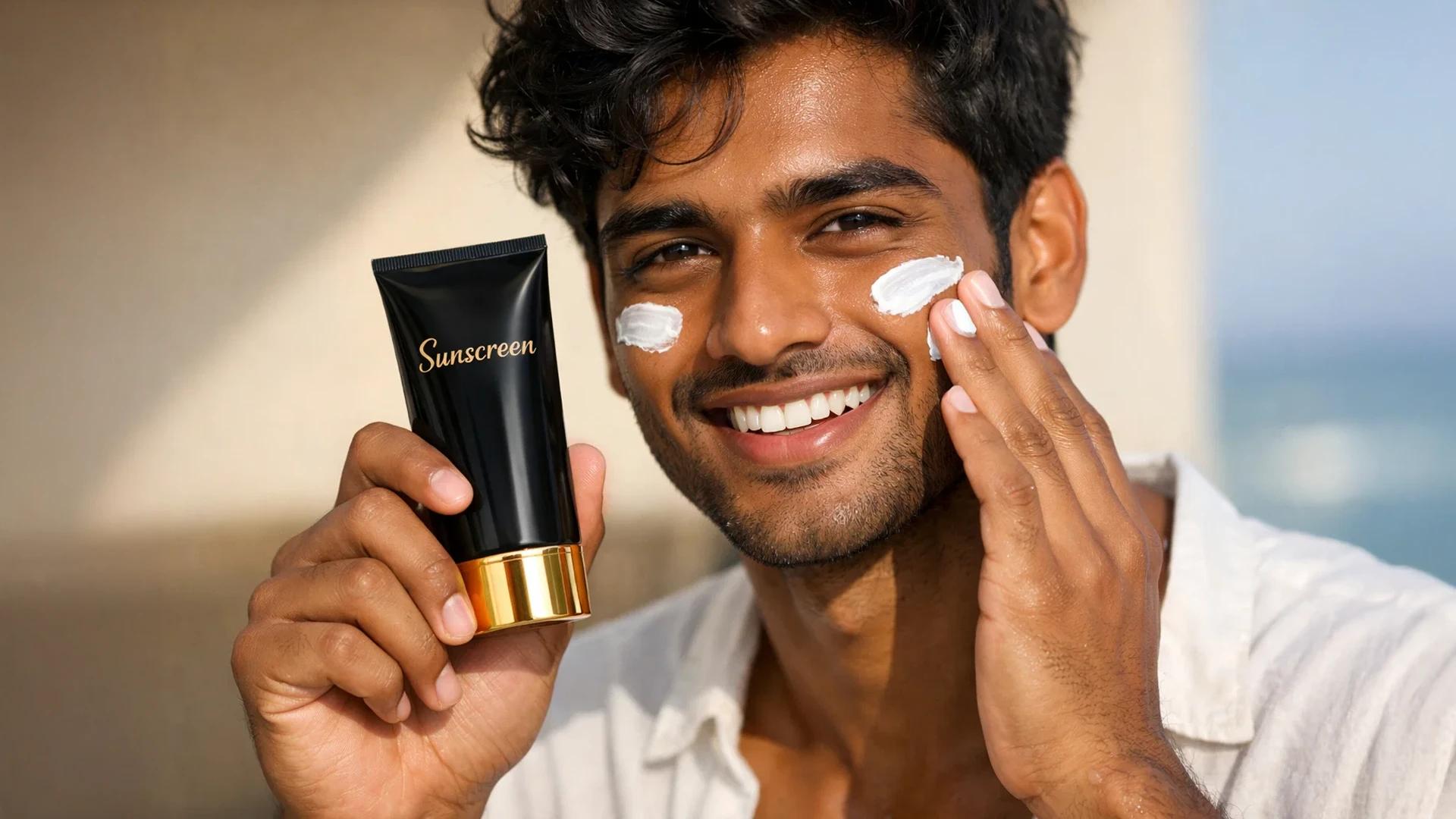

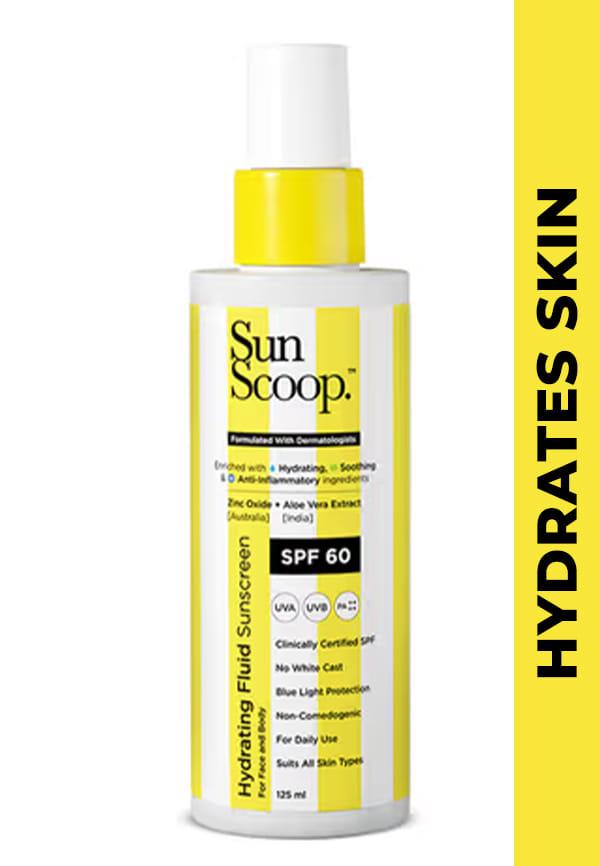
Invisible Body Sunscreen | SPF 60
Picture this: you're rushing out the door for a morning meeting, and the last thing you want is to fumble with a messy sunscreen bottle that leaves your hands greasy and your shirt collar stained. If you've ever skipped SPF because traditional sunscreens felt too fiddly or time-consuming, you're not alone. Many men avoid daily sun protection simply because it doesn't fit into their streamlined routines. Enter the sunscreen stick—a game-changing format that's making SPF as easy as applying a lip balm, without compromising on protection.
Men's skin faces unique challenges when it comes to sun exposure. Research shows that men are significantly more likely to develop skin cancer, with rates nearly twice as high as women. This isn't just about genetics—it's about behaviour. Men typically spend more time outdoors for work and recreation, often without adequate protection.
Traditional sunscreen formulations can feel heavy and greasy on men's naturally thicker, oilier skin. The stick format addresses these concerns head-on. Unlike lotions that can feel sticky or leave a white cast, sunscreen sticks glide on smoothly and absorb quickly. They're designed for the man who wants effective sun protection without the fuss.
The convenience factor cannot be overstated. A sunscreen stick fits easily into a gym bag, car glove compartment, or desk drawer. There's no risk of spillage, no need to wash your hands after application, and no worry about getting product on your clothes. For men who prioritise efficiency in their daily routines, this format is revolutionary.
Sunscreen sticks differ fundamentally from traditional lotions in their formulation and delivery method. The stick format uses a wax-based formula that's solid at room temperature but melts slightly when applied to warm skin. This creates a protective barrier that's both effective and comfortable.
SPF levels in stick formulations work exactly the same as in lotions. SPF 30 blocks about 97% of UVB rays, while SPF 50 blocks about 98%. For daily use, dermatologists recommend a minimum of SPF 30, but if you're spending extended time outdoors or have fair skin, SPF 50 offers that extra margin of protection.
Broad-spectrum protection is non-negotiable. This means the sunscreen protects against both UVA rays (which cause premature ageing) and UVB rays (which cause burning). Look for ingredients like zinc oxide, titanium dioxide, or chemical filters such as avobenzone and octinoxate in quality formulations.
The beauty of men's face stick sunscreen lies in its precision application. You can target specific areas like the nose, ears, and around the eyes without getting product where you don't want it. This makes it particularly useful for men who wear facial hair, as you can apply protection to exposed skin without getting sunscreen caught in your beard.
When selecting the best sunscreen stick for men, several factors should guide your decision. Water resistance is crucial if you're active or live in a humid climate. Look for formulations that offer 40 or 80 minutes of water resistance—this doesn't mean the sunscreen is waterproof, but it will maintain its effectiveness during sweating or swimming for the specified time.
Non-greasy formulations are essential for men's typically oilier skin. Ingredients like silica or cornstarch help absorb excess oil and create a matte finish. Avoid sticks with heavy oils or petrolatum if you're prone to breakouts.
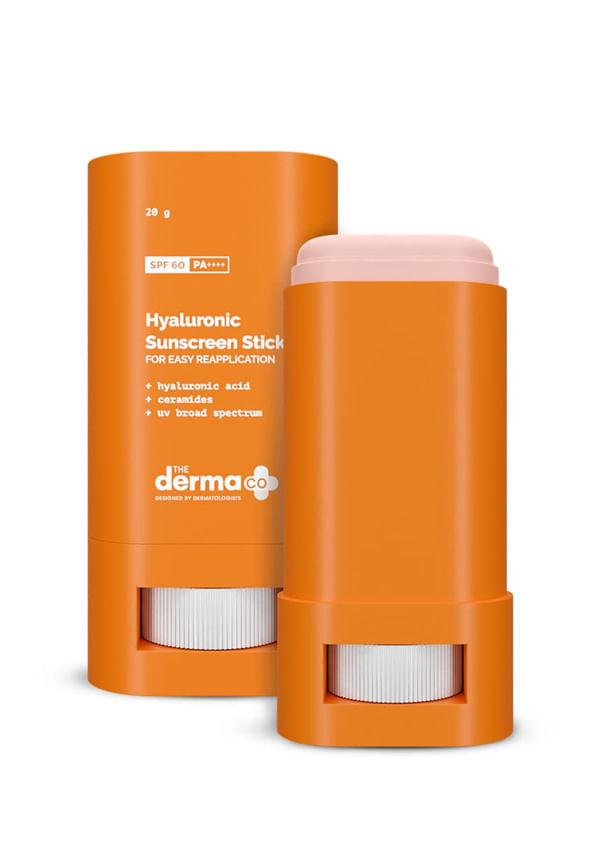
Hyaluronic Sunscreen Stick with SPF 60 & PA++++
For oily skin, seek out oil-free formulations with mattifying ingredients. Zinc oxide-based sticks often work well as they provide excellent coverage without adding shine. Men with dry skin can benefit from sticks that include moisturising ingredients like hyaluronic acid or ceramides.
If you have sensitive skin, mineral sunscreens (zinc oxide and titanium dioxide) are generally gentler than chemical filters. These physical blockers sit on top of the skin rather than being absorbed, reducing the risk of irritation.
Effective sunscreen stick application starts with clean, dry skin. If you're using other skincare products, allow them to absorb fully before applying your SPF stick. This ensures the sunscreen can form a proper protective barrier.
Apply the stick directly to your skin in overlapping strokes. Don't be afraid to use generous amounts—most people under-apply sunscreen, which significantly reduces its effectiveness. For your face, you'll need about 1/4 teaspoon worth of product, which translates to several passes with the stick.
Pay special attention to commonly missed areas: the ears, hairline, neck, and around the eyes. The stick format makes it easy to get precise coverage in these tricky spots. Blend gently with your fingertips if needed, but many modern formulations are designed to be self-blending.
Reapplication every two hours is crucial for maintaining protection, regardless of the SPF level. With a sunscreen stick, this becomes much more manageable. You can reapply over makeup or throughout the day without disrupting your appearance.
For men who are active outdoors, consider reapplying more frequently—especially after sweating heavily or towelling off. The stick format makes this practical even during activities like hiking, cycling, or playing sports.
The appeal of easy sunscreen for men goes beyond just convenience—it's about creating sustainable habits. When sun protection is effortless, you're more likely to use it consistently. The stick format eliminates common barriers that prevent regular SPF use.
No mess means no excuses. You can apply a sunscreen stick in your car, at your desk, or right before heading out for lunch. There's no need for mirrors, tissues, or hand washing. This makes it the perfect portable sunscreen for busy professionals.
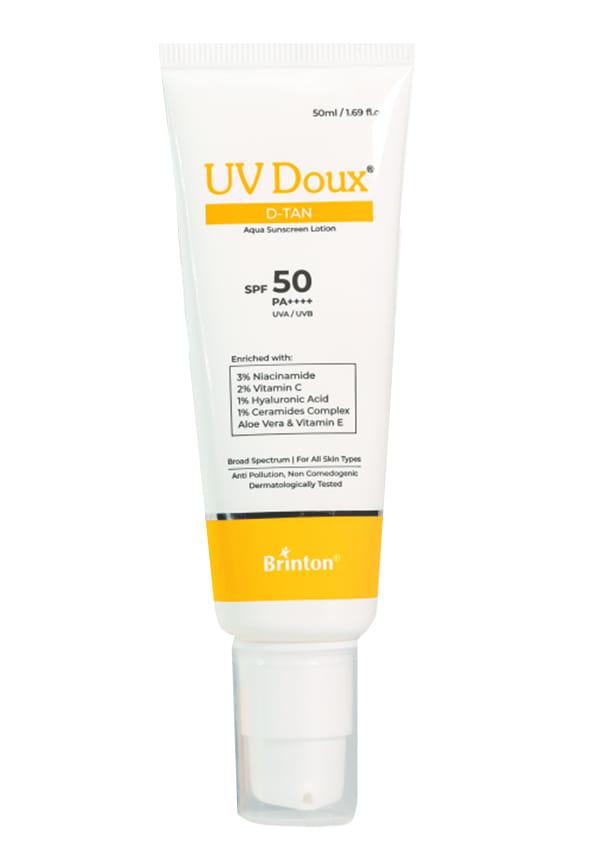
D-Tan Aqua Sunscreen Lotion Spf 50
The compact size means you can keep multiple sticks in different locations—one in your gym bag, one in your car, one at the office. This redundancy ensures you're never caught without protection. For frequent travellers, sunscreen sticks are TSA-friendly and won't leak in your luggage.
Dermatologists consistently emphasise that the best sunscreen is the one you'll actually use. The stick format addresses many compliance issues that prevent men from using SPF regularly. Clinical studies show that when sun protection is convenient and fits into existing routines, usage rates increase dramatically.
Integration with your existing skincare routine is straightforward. Apply your sunscreen stick as the final step after any serums or moisturisers. If you're using active ingredients like retinol or acids in your evening routine, morning SPF becomes even more critical.
While many men think of sunscreen as a summer-only product, UV exposure happens year-round. Snow can reflect up to 80% of UV rays, making winter protection crucial for skiers and outdoor workers. The stick format makes it easy to maintain protection regardless of the season.
In humid climates or during summer months, look for sticks with additional sweat resistance. Some formulations include cooling ingredients like menthol or eucalyptus, which can feel refreshing during hot weather application.
Yes, sunscreen sticks are just as effective as traditional lotions when applied correctly. The key difference is in application technique—sticks require more deliberate coverage to ensure you're applying enough product. Clinical testing shows that stick formulations provide equivalent protection when used properly. The main advantage is consistency of use, as people are more likely to reapply a convenient stick throughout the day.
You need approximately 1/4 teaspoon of sunscreen for your face and neck, which translates to several generous swipes with a stick. Most people under-apply sunscreen, which significantly reduces protection. A good rule of thumb is to make 2-3 overlapping passes over each area of your face, then blend if necessary. Don't be conservative—adequate coverage is more important than a perfectly smooth finish.
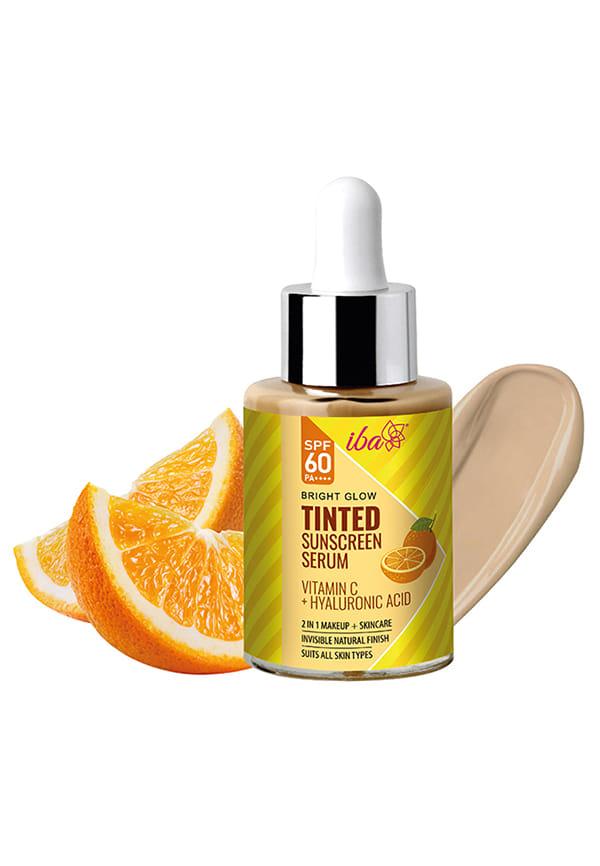
Bright Glow Tinted Sunscreen Serum for All Skin Types SPF 60 PA++++
Absolutely. Sunscreen sticks are particularly useful for men with facial hair because you can target the exposed skin around and between beard hairs without getting product stuck in the hair itself. Focus on areas like the nose, cheeks, forehead, and any exposed skin on your neck. The precision application of a stick makes this much easier than trying to work lotion through facial hair.
If you're in an office with windows, some UV exposure is still possible, though minimal. However, if you step outside for lunch, commute, or any outdoor activities, reapplication becomes important. The beauty of a stick is that you can quickly swipe it on before heading out, making protection effortless even for brief outdoor exposure.
Mineral sunscreen sticks contain zinc oxide or titanium dioxide, which sit on top of the skin and physically block UV rays. They're generally better for sensitive skin and provide immediate protection. Chemical sunscreen sticks contain ingredients like avobenzone or octinoxate, which absorb into the skin and convert UV rays to heat. Chemical formulations often feel lighter and blend more easily, but may cause irritation in sensitive individuals.
Yes, sunscreen sticks are considered solid cosmetics by TSA and don't count towards your liquid restrictions. This makes them perfect for travel—no risk of leakage, no size restrictions, and easy to pack in carry-on luggage. Keep the stick in an easily accessible part of your bag for security screening, though it's unlikely to cause any issues.
With daily facial use, a standard sunscreen stick should last 2-3 months. This depends on how generously you apply and whether you're using it on other body parts. Most sticks contain 15-20g of product, which provides excellent value for money when you consider the convenience factor. Check expiration dates—most sunscreens maintain effectiveness for 2-3 years when stored properly.
For daily use, SPF 30 provides excellent protection, blocking about 97% of UVB rays. SPF 50 blocks about 98%—not a huge difference, but worth considering if you have fair skin, a history of skin cancer, or spend significant time outdoors. The most important factor is consistent use and proper application, regardless of whether you choose SPF 30 or 50.
The sunscreen stick represents a significant step forward in making sun protection accessible and practical for men. By addressing the common barriers—mess, inconvenience, and time constraints—this format makes daily SPF use achievable for even the busiest schedules.
Remember, the best sunscreen is the one you'll use consistently. Whether you're a gym enthusiast, outdoor worker, or office professional, there's a sunscreen stick formulation that fits your lifestyle. The key is finding one that feels comfortable on your skin and integrates seamlessly into your routine.
For those looking to explore different formulations before committing to full-size products, platforms like Smytten offer an excellent way to discover what works best for your skin. With access to trial sizes from trusted brands, you can test various sunscreen sticks to find your perfect match. After all, when it comes to protecting your skin, why settle for maybe when you can find exactly what works for you?
