Guide to Evening Skin Tone: Your Questions Answered


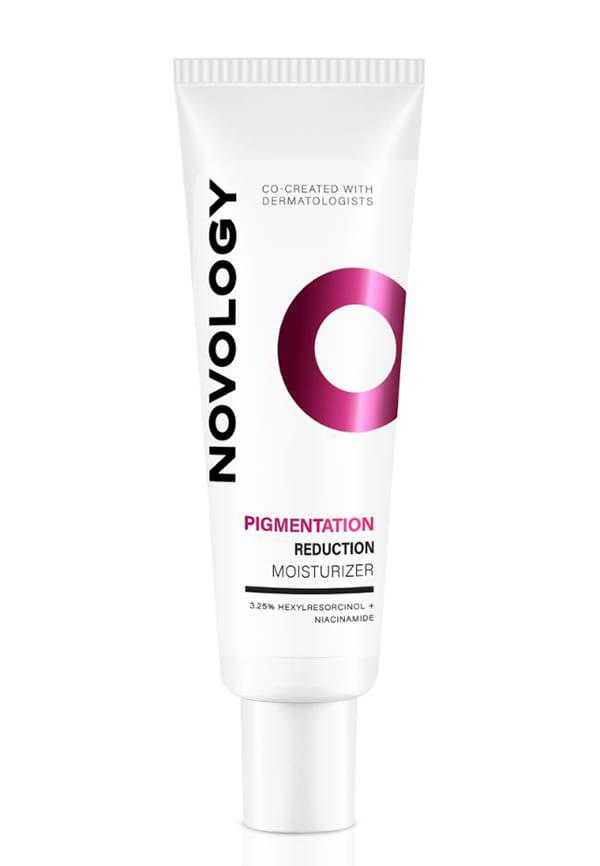
Pigmentation Moisturiser, Face Cream for Hyperpigmentation & Dark Spots
Amazing Product!
 5
5“it really works. i tried it first time and m with love this product best brand I ever used”
Great Product, Will Buy Again
5“nice product richer base repurchase product”
Great for Oily Skin
5“Excellent product for oily skin.”
Uneven skin tone affects nearly everyone at some point, whether it's post-acne marks that refuse to fade, stubborn sun spots from last summer's holiday, or that general dullness that creeps in during stressful periods. The good news? Evening out your skin complexion is absolutely achievable with the right approach and patience. This comprehensive guide answers your most pressing questions about skin tone correction, from understanding what causes those pesky dark patches to building an effective routine that actually works. Whether you're dealing with hormonal pigmentation or simply want to achieve that uniform skin colour you see on your favourite beauty influencers, we've got you covered. Plus, with platforms like Smytten offering trial-sized versions of top skincare brands, you can experiment with different products without the commitment of full-size purchases.
Uneven skin tone stems from excess melanin production triggered by sun damage, hormones, inflammation, or genetics
Key ingredients for evening skin tone include vitamin C, niacinamide, retinoids, and AHAs - consistency is crucial
A proper routine combines gentle cleansing, targeted treatments, moisturising, and daily SPF protection
Natural methods like proper hydration, sleep, and gentle exfoliation support but don't replace active ingredients
Results typically appear after 4-6 weeks of consistent use, with significant improvement in 3-6 months
Before diving into solutions, let's understand what causes uneven skin tone in the first place. Your skin produces melanin - the pigment responsible for your natural colour - through specialised cells called melanocytes. When these cells become overactive or damaged, they create patches of excess pigmentation that appear darker than your surrounding skin.
The most common culprits include sun exposure (those UV rays are relentless), hormonal changes during pregnancy or from contraceptives, post-inflammatory hyperpigmentation from acne or injuries, and simply the natural ageing process. Some people are also genetically predisposed to conditions like melasma, which creates symmetrical brown patches typically on the face.
Post-inflammatory hyperpigmentation (PIH) appears as dark spots where acne, cuts, or other skin trauma occurred. These marks are particularly common in deeper skin tones and can take months to fade naturally.
Sun spots, also called age spots, develop from cumulative UV damage over years. They're typically brown or black and appear on areas frequently exposed to sunlight like your face, hands, and shoulders.
Melasma presents as larger, symmetrical patches usually on the cheeks, forehead, or upper lip. It's often triggered by hormonal changes and worsened by sun exposure.
Achieving uniform skin colour requires a strategic approach that addresses both prevention and treatment. The key is consistency - sporadic use of even the best products won't deliver the results you're after.
Start with a cleanser that removes impurities without stripping your skin's natural barrier. Look for formulas containing gentle exfoliating ingredients like salicylic acid or lactic acid, which help remove dead skin cells that can make uneven tone more apparent.
This is where the magic happens. Vitamin C serums work brilliantly for brightening and protecting against further damage, whilst niacinamide helps regulate melanin production and reduces inflammation. Apply these on clean skin before heavier products.
A compromised skin barrier can worsen pigmentation issues. Choose a moisturiser with ingredients like ceramides or hyaluronic acid to maintain healthy skin function and support the healing process.
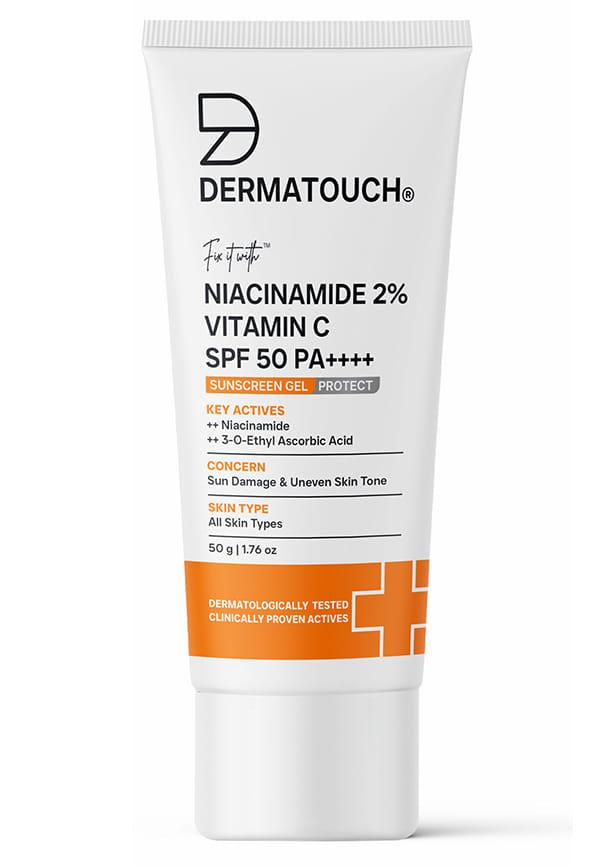
Niacinamide 2% Vitamin C Sunscreen for glowing skin, SPF 50+ PA ++++
SPF 30 or higher, every single day, regardless of weather. UV exposure is the primary cause of uneven skin tone, and without proper protection, you're essentially undoing all your hard work with treatments.
Not all skincare ingredients are created equal when it comes to evening out skin complexion. Here's what dermatologists consistently recommend for skin tone correction.
L-ascorbic acid, magnesium ascorbyl phosphate, and sodium ascorbyl phosphate are the most researched forms. Vitamin C not only brightens existing dark spots but also prevents new ones from forming by neutralising free radicals.
This form of vitamin B3 reduces inflammation, regulates oil production, and most importantly for our purposes, inhibits melanin transfer to skin cells. It's gentle enough for daily use and works well with other active ingredients.
Whether prescription tretinoin or over-the-counter retinol, these vitamin A derivatives accelerate cell turnover, helping pigmented cells shed faster whilst promoting the growth of new, evenly-toned skin.
Glycolic acid, lactic acid, and mandelic acid gently dissolve the bonds between dead skin cells, revealing brighter skin underneath. Start slowly to avoid irritation, especially if you're new to acids.
Whilst active ingredients do the heavy lifting, natural approaches support your skin's healing process and overall health. These methods work best as complements to, not replacements for, proven skincare ingredients.
Drinking adequate water supports cellular function and helps your skin maintain its natural repair processes. Aim for at least 8 glasses daily, more if you're active or live in a dry climate.
Your skin repairs itself most actively during sleep, and chronic stress can worsen inflammatory conditions that contribute to uneven tone. Prioritise 7-9 hours of quality sleep and find healthy stress outlets.
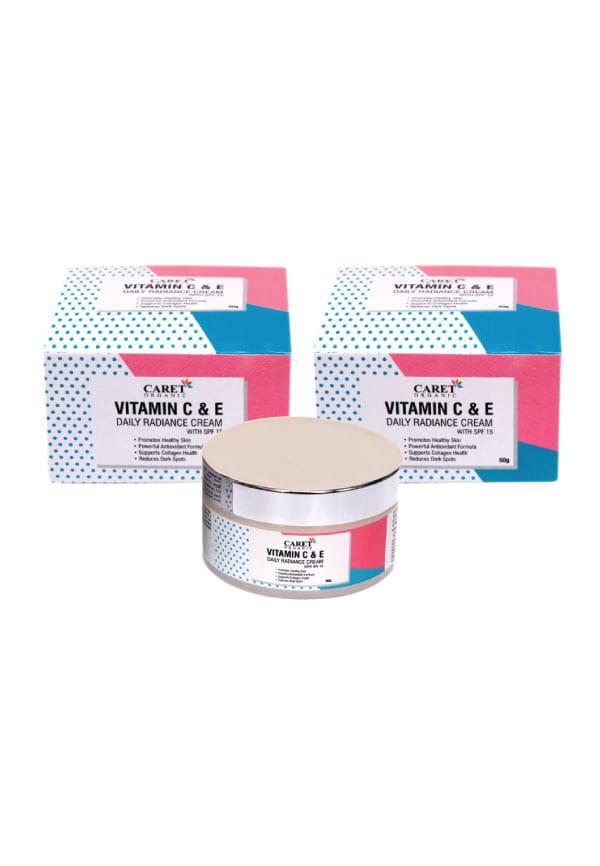
Daily Radiance Light Cream With Vitamin C, E & Spf 15 For Dark Spots & Anti- Wrinkle- No Mineral Oil , Alcohol Or Paraben
Lightweight, Non-Sticky Cream
5“very good and light weight non sticky cream”
Foods high in vitamins C and E, beta-carotene, and other antioxidants support skin health from the inside. Think berries, leafy greens, nuts, and colourful vegetables.
Timing and layering matter when building an effective routine for skin tone brightening. Here's how to structure your daily regimen for maximum impact.
Cleanse with a gentle, pH-balanced cleanser. Apply vitamin C serum to clean, dry skin. Follow with a lightweight moisturiser containing SPF, or layer a separate sunscreen over your moisturiser.
Double cleanse if you wear makeup or sunscreen. Apply treatment products like niacinamide or retinoids (alternate nights if using both). Finish with a nourishing night moisturiser to support overnight repair.
Incorporate gentle exfoliation 1-2 times weekly with AHA products. Use brightening masks or treatments as needed, but don't overdo it - your skin needs time to process active ingredients.
Stubborn dark spots require targeted approaches beyond general skin tone evening. The key is understanding what type of pigmentation you're dealing with and choosing treatments accordingly.
For isolated dark spots, consider concentrated treatments with higher percentages of active ingredients. For overall uneven tone, gentler, full-face products work better and reduce the risk of irritation.
Chemical peels, laser treatments, and microneedling can accelerate results for stubborn pigmentation. However, these should complement, not replace, a solid at-home routine with proper sun protection.
Fresh post-acne marks may fade in 6-8 weeks with consistent treatment, whilst deeper, older pigmentation can take 6 months or longer. Sun spots and melasma are particularly stubborn and may require professional intervention.
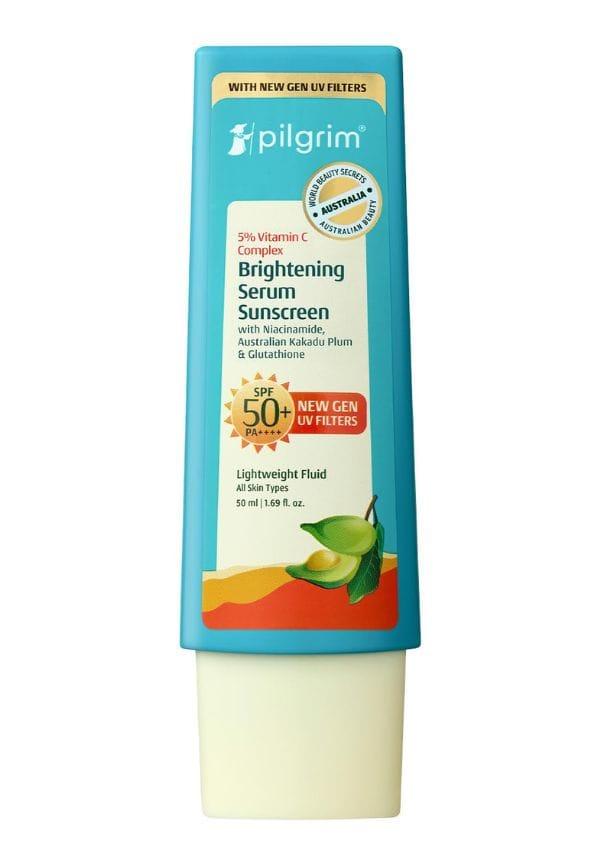
5% Vitamin C Complex Brightening Serum Sunscreen SPF 50+ PA++++
Good, Light & Absorbs Well
5“its very good and light and absorbs very good in the skin”
Repeat Purchase, Loves Sunscreen
5“i love this sunscreen this is my 5th bottle”
Full Sunscreen is Good
5“use Full sunscreen and really good”
The most effective approach combines vitamin C serums, gentle exfoliation with AHAs, and religious sun protection. Consistency is more important than intensity - gentle daily treatment beats aggressive weekly sessions. Most people see initial improvements within 4-6 weeks.
Natural methods like proper hydration, sleep, and gentle exfoliation with oatmeal or honey can support skin health, but they're unlikely to address significant pigmentation issues alone. Active ingredients like vitamin C and niacinamide are typically necessary for noticeable results.
Initial improvements often appear after 4-6 weeks of consistent use, with significant changes becoming visible after 3-6 months. Deeper pigmentation may take up to a year to fully fade. Patience and consistency are absolutely crucial.
Facial skin is more delicate and responsive to treatments, so you can often use gentler formulations with good results. Body skin may require stronger concentrations or different delivery methods, and results typically take longer to appear.
Evening skin tone focuses on reducing the contrast between darker and lighter areas for uniform colour. Brightening aims to improve overall radiance and may not necessarily address specific dark spots. Many products do both simultaneously.
Yes, but introduce them gradually and pay attention to your skin's response. Vitamin C and niacinamide work well together, whilst retinoids should typically be used on alternate nights from AHAs to prevent irritation. When trying new combinations, platforms like Smytten offer trial sizes that let you test products before committing to full sizes.
Evening out your skin tone is absolutely achievable with the right combination of proven ingredients, consistent application, and realistic expectations. Focus on vitamin C for brightening and protection, niacinamide for regulation and healing, and gentle exfoliation to reveal fresh skin. Remember that sun protection isn't optional - it's the foundation of any successful skin tone correction routine.
Start slowly, especially if you're new to active ingredients, and give your routine at least 6-8 weeks before making major changes. Natural methods like proper hydration and sleep support your skincare efforts but can't replace targeted treatments for significant pigmentation issues.
Achieving uniform skin colour is a journey that requires patience, consistency, and often some experimentation to find what works best for your unique skin. The key is starting with proven ingredients and building a routine you can maintain long-term. Smytten makes this process more accessible by offering trial packs from over 2,400 trusted brands, allowing you to explore different formulations without the commitment of full-size purchases. With 100% cashback on trial minis and the ability to try before you buy, you can discover the perfect combination of products for your skin tone goals. After all, why settle for 'maybe' when you can #TryItAll and find exactly what your skin needs to achieve that even, radiant complexion you're after.
