Gua Sha & Lymphatic Drainage FAQ: Benefits for Indian Skin

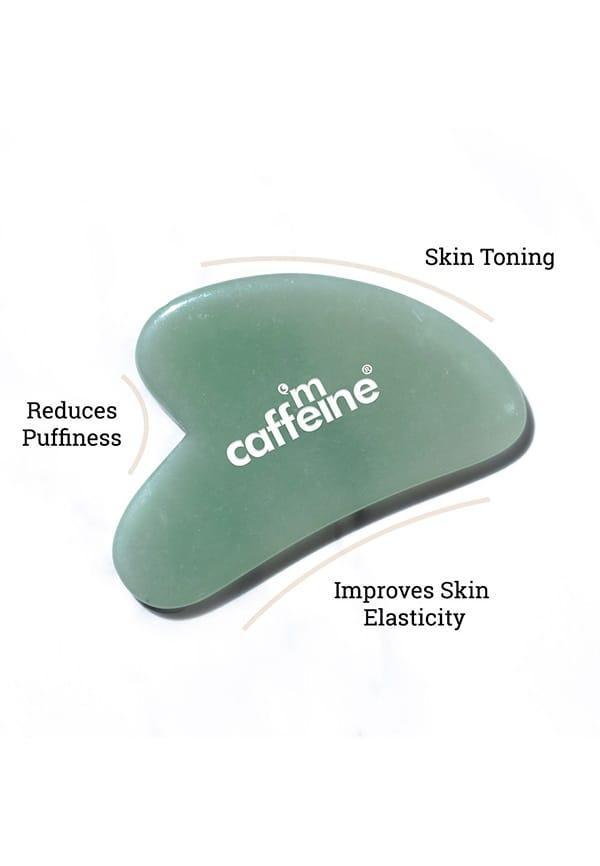
Gua Sha - Green Quartz | Skin Toning | Reduce Puffiness
You wake up to puffy eyes and that familiar dull complexion that seems to follow you through Delhi's pollution or Mumbai's humidity. Your skincare routine is solid, but something's missing—that natural glow you see on others. Enter gua sha, an ancient Chinese practice that's quietly revolutionising how we approach facial massage and lymphatic drainage. If you've been curious about those smooth stone tools flooding your social feeds, you're not alone. Indian skin faces unique challenges, from monsoon puffiness to pollution-induced congestion, and gua sha might just be the gentle, natural solution you've been searching for.
Gua sha translates to "scraping sand" in Chinese, but don't let that put you off. When adapted for facial care, it's a gentle massage technique using smooth, flat-edged tools to promote circulation and encourage lymphatic drainage. Unlike aggressive scraping used in traditional body treatments, facial gua sha involves light pressure and specific directional movements that work with your skin's natural contours.
The practice dates back thousands of years, originally used to treat various ailments by promoting blood flow and reducing inflammation. Modern skincare has embraced this wisdom, adapting the technique specifically for facial benefits. What makes gua sha different from regular face massage is the tool itself—the smooth edge allows for consistent pressure and helps guide lymphatic fluid in the right direction.
Your gua sha tool choice matters, especially in India's varied climate. Rose quartz stays naturally cool, perfect for hot summers and reducing inflammation. Jade is traditional and works well year-round, whilst stainless steel options are hygienic and stay coolest—ideal if you're dealing with acne-prone skin or live in particularly humid areas.
For beginners, start with rose quartz or jade. They're gentle on sensitive skin and provide the right amount of grip without being too slippery. Avoid plastic tools—they don't provide the same cooling effect and can harbour bacteria more easily than natural stones.
Your lymphatic system is like your body's drainage network, carrying away toxins and excess fluid. When this system becomes sluggish—often due to stress, pollution, or lack of movement—fluid can accumulate in your face, causing puffiness and that tired look we all know too well.
Lymphatic drainage massage works by gently encouraging this stagnant fluid to move towards lymph nodes, where it can be properly processed and eliminated. The gentle pressure and directional movements of gua sha mimic professional lymphatic massage techniques, making it accessible for daily home use.
Research shows that regular facial massage can increase blood circulation by up to 40%, bringing fresh oxygen and nutrients to skin cells whilst helping remove metabolic waste. This improved circulation is what gives you that immediate post-massage glow—and with consistent practice, these facial massage benefits can contribute to healthier, more radiant skin over time.
Living in India means your skin faces unique stressors. Air pollution can cause inflammation and congestion, whilst humidity and heat can lead to water retention and puffiness. The gentle detoxifying action of lymphatic drainage helps counteract these environmental challenges, making it particularly relevant for Indian skincare routines.
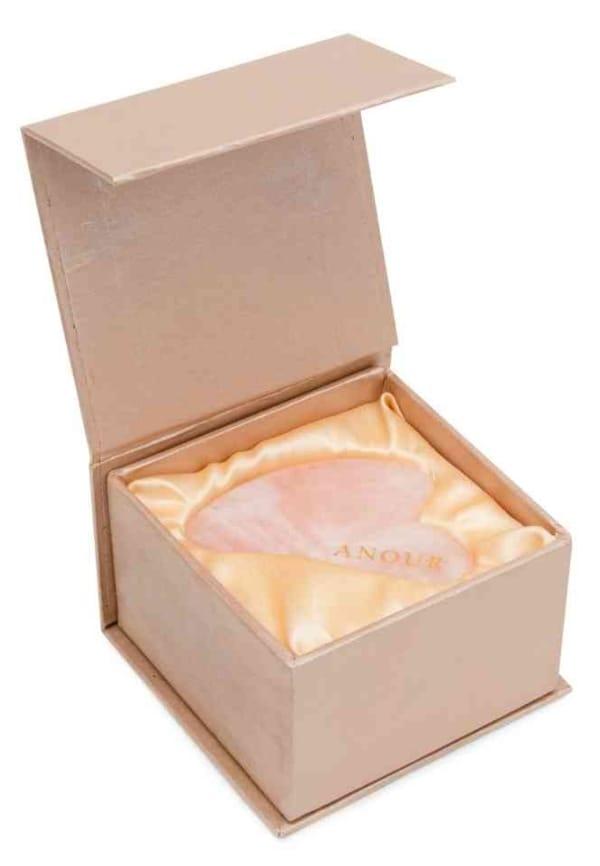
Rose Quartz Gua Sha
Indian skin often deals with hyperpigmentation, whether from sun exposure, pollution, or post-inflammatory marks from breakouts. Whilst gua sha won't directly lighten dark spots, the improved circulation can help skin cell turnover, potentially helping your other brightening products work more effectively.
The technique is particularly helpful for managing under-eye puffiness—a common concern whether you're dealing with late work nights in Bangalore or early morning commutes in Mumbai. The gentle lymphatic drainage around the eye area can reduce that perpetually tired look that many of us carry.
For those with combination skin—common in Indian climates—gua sha offers a way to address different areas of your face appropriately. You can use lighter pressure on sensitive or dry areas whilst focusing more attention on congested zones like the T-zone.
During monsoon season, when humidity levels soar, many people notice increased facial puffiness. Regular gua sha practice can help manage this water retention naturally. In summer, the cooling effect of stone tools provides relief whilst the massage helps prevent heat-related inflammation.
Winter months, when skin tends to be drier, benefit from the enhanced product absorption that gua sha provides. Your moisturisers and serums penetrate better after massage, making your existing skincare routine more effective.
Start with clean skin and hands. Apply a facial oil or serum—never perform gua sha on dry skin, as this can cause irritation or micro-tears. Jojoba oil or your regular face serum works perfectly to provide the necessary slip.
Hold your tool at a 15-45 degree angle against your skin. Begin with the lightest pressure possible—you can always increase if needed, but starting too firm can cause bruising or irritation. Always move in upward and outward motions, following your skin's natural contours.
Start at your neck, moving upward towards your jawline. This helps prepare the lymphatic pathways for drainage from your face. Move to your jaw, sweeping from your chin towards your ears. Continue to your cheeks, working from your nose outward, then address your forehead with upward strokes towards your hairline.
Morning gua sha can help reduce overnight puffiness and prep your skin for makeup application. Evening practice is more relaxing and helps you unwind whilst boosting circulation for overnight skin repair. Start with 2-3 times per week and gradually increase to daily if your skin responds well.
The entire process should take 5-10 minutes. Consistency matters more than duration—a gentle 5-minute session daily will yield better results than an aggressive 20-minute session once a week.
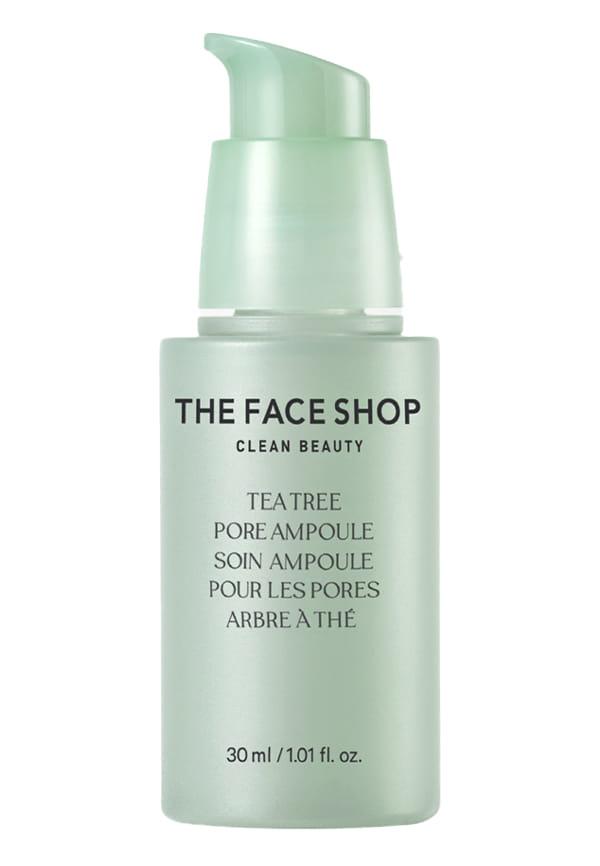
Tea Tree Pore Ampoule With AHA, Ip- BHA, PHA & Hyaluronic Acid,
Gua sha isn't suitable for everyone. Avoid the practice if you have active acne, open wounds, or inflamed skin conditions like eczema or rosacea. If you've recently had cosmetic procedures, wait until your skin has fully healed before introducing gua sha.
People taking blood-thinning medications or those with certain medical conditions should consult their doctor before starting any facial massage routine. Pregnancy isn't necessarily a contraindication, but it's worth checking with your healthcare provider.
Common mistakes include using too much pressure, moving in the wrong direction (downward movements can actually worsen puffiness), or practising on dry skin. Some temporary redness immediately after treatment is normal, but persistent irritation, bruising, or increased breakouts are signs to stop and reassess your technique.
Your skin should feel relaxed and look slightly flushed after treatment—this indicates improved circulation. You shouldn't experience pain during the massage, and any redness should fade within 30 minutes. If you're seeing bruising or persistent irritation, you're likely using too much pressure or moving too quickly.
Let's address the elephant in the room: gua sha won't permanently restructure your face or provide results comparable to cosmetic procedures. What it can do is temporarily reduce puffiness, improve circulation, and help your skin look more radiant and relaxed.
The immediate benefits—reduced puffiness and improved glow—are temporary, lasting a few hours to a day. Long-term benefits, like improved skin texture and potentially better product absorption, require consistent practice over weeks or months.
Jawline sculpting claims are often exaggerated. Whilst regular massage can help reduce puffiness that might be obscuring your natural jawline, it won't create bone structure that isn't there. Think of it as revealing your best natural features rather than creating new ones.
Many dermatologists view gua sha as a beneficial addition to skincare routines, particularly for its stress-relief and circulation benefits. However, they emphasise that it's not a replacement for proven anti-aging ingredients like retinoids, vitamin C, or sunscreen.
The practice works best as part of a comprehensive skincare approach rather than a standalone solution. Think of it as the massage component of your routine—beneficial for relaxation and circulation, but not a miracle cure for serious skin concerns.
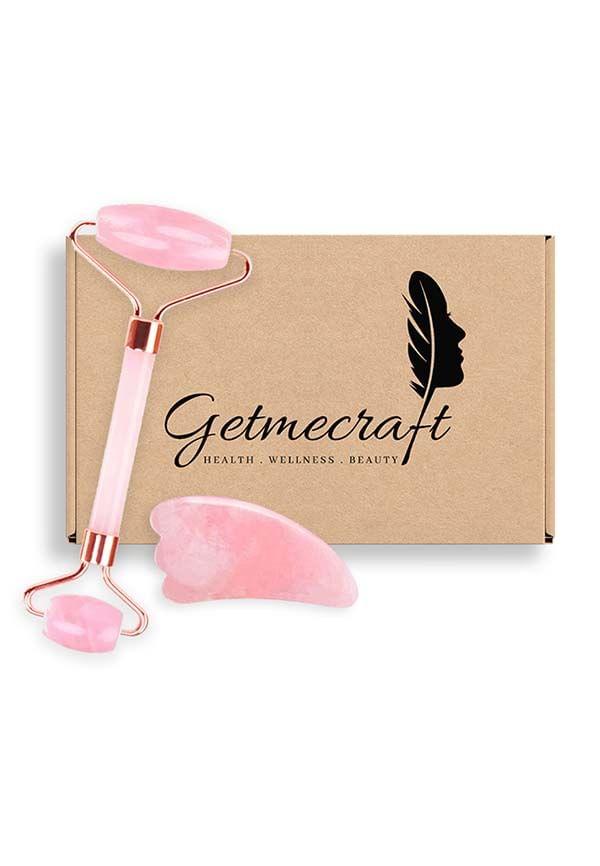
Rose Quartz Roller and Gua Sha with Wing Shape Gua Sha Set
Whilst gua sha can improve circulation and potentially help with product absorption, it won't directly treat acne scars. For scarring, you'll need targeted treatments like chemical peels, retinoids, or professional procedures. However, the improved circulation from regular massage might help your scar-treating products work more effectively.
Start with 2-3 times per week and observe how your skin responds. Many people find daily practice beneficial, but sensitive skin types might prefer every other day. Listen to your skin—if you notice irritation or increased sensitivity, reduce frequency.
It's best to avoid gua sha on nights when you're using strong actives like retinol or AHAs, as the massage might increase absorption to potentially irritating levels. Use gua sha on your "off" nights or in the morning with gentler products.
Gua sha can temporarily reduce puffiness that might be contributing to the appearance of a double chin, but it won't eliminate excess fat or significantly tighten loose skin. For persistent concerns, consider consulting a dermatologist about other treatment options.
Not necessarily. A well-made tool from natural stone or stainless steel will work just as effectively whether it costs ₹500 or ₹5000. Focus on the material quality and shape rather than brand prestige. A smooth, properly shaped tool is what matters for results.
Absolutely. The circulation and lymphatic benefits work regardless of gender. Men dealing with razor burn, puffiness, or stress-related skin concerns often find gua sha particularly helpful. The technique is the same, though men might prefer slightly firmer pressure.
Gua sha offers a gentle, natural way to support your skin's health whilst providing a moment of self-care in busy schedules. For Indian skin dealing with pollution, humidity, and urban stress, the lymphatic drainage benefits can be particularly valuable. Remember, consistency trumps intensity—a gentle daily practice will serve you better than occasional aggressive sessions.
Start slowly, listen to your skin, and maintain realistic expectations. Gua sha works best as part of a well-rounded skincare routine, not as a replacement for proven ingredients and sun protection. The real magic lies in the ritual itself—those few minutes of mindful self-care that help you connect with your skin's needs.
If you're curious about incorporating new skincare tools and products into your routine, platforms like Smytten let you explore different brands and techniques through trial sizes before committing to full-size purchases. It's a smart way to discover what works for your unique skin without the guesswork—because your skin deserves products that truly suit its needs.
