Green Tea Extract for Indian Skin Inflammation: FAQ


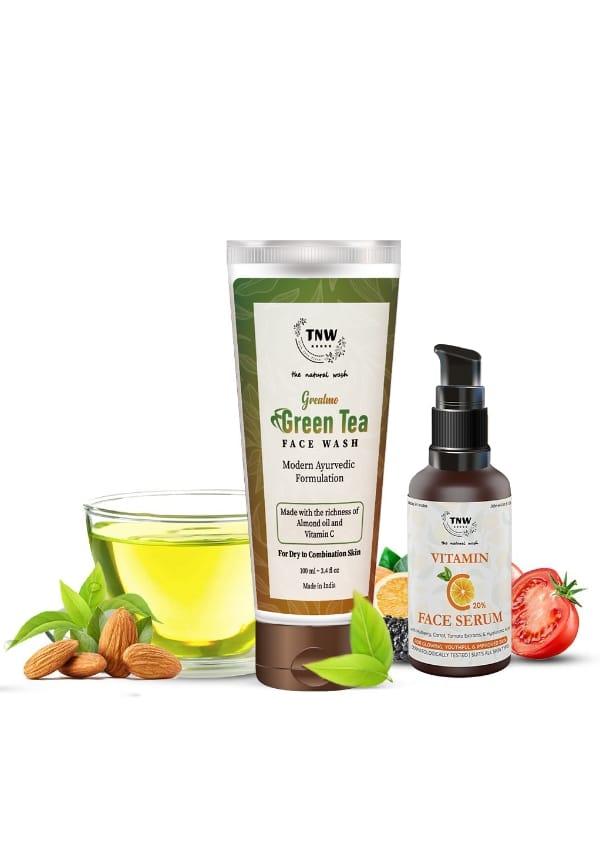
Green Tea Helps Prevent Acne and Purifies Skin with Vitamin C Serum Reduce hyperpigmentation & Dark Spots
You've noticed your skin looking angrier lately—those red patches that seem to flare up after a particularly polluted commute, or the way your cheeks flush and stay irritated long after you've come in from the heat. If you're dealing with persistent inflammation, you're not alone. Indian skin faces unique challenges from environmental stressors, humidity, and pollution, making inflammation a common concern that needs gentle yet effective solutions.
Green tea extract has emerged as one of the most researched and trusted anti-inflammatory skincare ingredients, particularly effective for addressing the specific needs of Indian skin. Rich in powerful antioxidants and naturally soothing compounds, this gentle ingredient offers real relief without the harsh side effects often associated with synthetic alternatives.
The magic of green tea extract lies in its impressive concentration of bioactive compounds, particularly EGCG (epigallocatechin gallate), catechins, and polyphenols. These natural compounds work together to calm irritated skin by reducing the production of inflammatory mediators—essentially telling your skin to dial down its stress response.
When your skin encounters irritants like pollution particles or UV damage, it triggers an inflammatory cascade. Green tea extract interrupts this process by neutralising free radicals and reducing the activity of enzymes that promote inflammation. This makes it particularly valuable for Indian skin, which often deals with multiple environmental stressors simultaneously.
What makes green tea extract especially suitable for Indian skin types is its gentle yet effective nature. Unlike some potent actives that can cause initial irritation, green tea extract tends to be well-tolerated across different skin tones and sensitivities. Its natural astringent properties also help with excess oil production—a common concern in India's humid climate—whilst simultaneously soothing inflammation.
Indian skin faces a unique combination of challenges that make green tea extract benefits for skin particularly relevant. From dealing with hyperpigmentation triggered by inflammation to managing breakouts in humid conditions, this versatile ingredient addresses multiple concerns simultaneously.
Hyperpigmentation and dark spots often develop as a result of inflammatory responses to acne, environmental damage, or hormonal changes. Green tea extract helps prevent this post-inflammatory hyperpigmentation by reducing the initial inflammatory response and providing antioxidant protection during the healing process.
For acne and breakout-prone skin, green tea extract offers a dual benefit. Its antimicrobial properties help reduce acne-causing bacteria, whilst its anti-inflammatory action calms the redness and swelling associated with active breakouts. This makes it an excellent choice for those dealing with hormonal acne or stress-related breakouts.
Those dealing with eczema or dermatitis often find green tea extract particularly soothing. Its ability to strengthen the skin barrier whilst reducing inflammation makes it a gentle option for managing flare-ups. The cooling sensation it provides can also offer immediate relief from itching and discomfort.
For rosacea-prone skin, green tea extract's anti-inflammatory and vasoconstrictive properties help reduce the persistent redness and flushing that characterise this condition. Regular use can help maintain calmer, more even-toned skin over time.
The beauty of green tea for skin inflammation lies in its versatility. Whether you prefer DIY approaches or commercial formulations, there are multiple ways to incorporate this powerful ingredient into your routine.
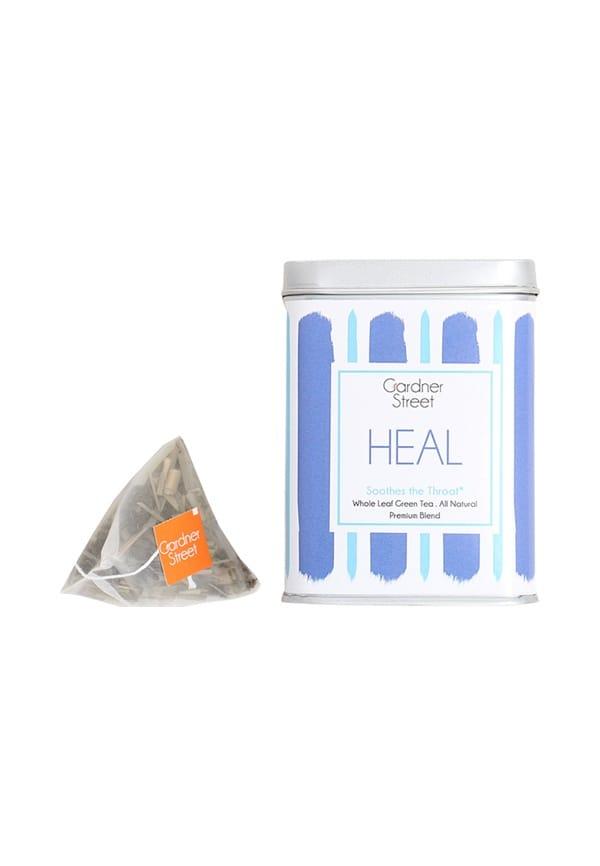
Heal - Green Tea
Creating your own green tea extract for skincare is surprisingly simple. Brew a strong cup of green tea using high-quality leaves, allow it to cool completely, then use it as a gentle toner or compress. For inflamed areas, soak a clean cloth in cooled green tea and apply for 10-15 minutes.
A green tea toner can be made by mixing cooled green tea with a small amount of glycerin for added hydration. This works particularly well for those with combination skin who need oil control without over-drying.
When selecting commercial products, look for calming skincare products that list green tea extract high in the ingredient list. Serums typically offer the highest concentration, whilst moisturisers provide sustained release throughout the day. Face masks with green tea extract can provide intensive treatment for particularly inflamed periods.
The key is choosing products formulated specifically for your skin type and concerns. Those with sensitive skin should start with lower concentrations and gradually increase as tolerance builds.
Whilst turmeric and neem are traditional favourites for Indian skincare, green tea extract offers some distinct advantages. Unlike turmeric, which can temporarily stain the skin, green tea extract leaves no residue and can be used daily without concern about discolouration.
Compared to neem, which can be quite drying, green tea extract provides anti-inflammatory benefits whilst maintaining skin hydration. This makes it suitable for a broader range of skin types, including those with combination or sensitive skin.
The cost-effectiveness of green tea extract, whether in DIY preparations or commercial products, makes it accessible for regular use. A single pack of quality green tea can provide weeks of skincare treatments when used for DIY applications.
Whilst green tea extract is generally well-tolerated, proper introduction and usage are essential for optimal results and safety.
Always perform a patch test before incorporating any new ingredient, including natural remedies for skin inflammation. Apply a small amount of green tea extract or product to your inner wrist and wait 24-48 hours to check for any adverse reactions.
Some individuals may experience mild irritation if they're sensitive to caffeine, as green tea extract does contain small amounts. If you notice any stinging, excessive redness, or itching, discontinue use and consult a dermatologist.
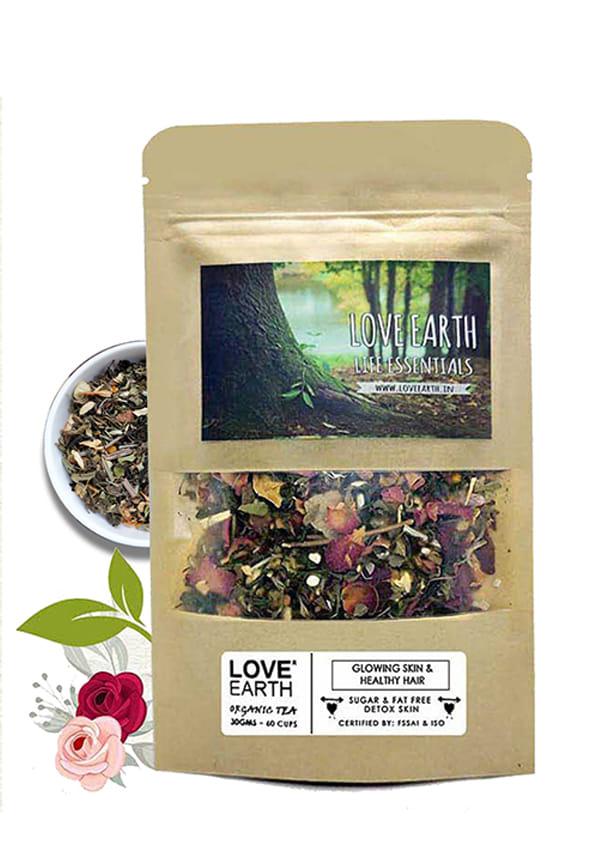
Glowing Skin And Healthy Hair Green Tea
Healthy & Soothing Green Tea
 4
4“healthy and soothing green tea”
Good quality, small quantity
5“Good test bu qty small more expensive ”
Positive Product Review
5“loved the product very much...”
Green tea extract works well in both morning and evening routines. In the morning, its antioxidant properties provide protection against environmental damage, whilst evening application supports overnight repair and regeneration.
The ingredient plays well with most other skincare actives, including niacinamide, hyaluronic acid, and vitamin C. However, if you're using strong actives like retinoids or AHAs, introduce green tea extract gradually to avoid overwhelming your skin.
Research consistently supports the benefits of green tea for skin, with multiple studies demonstrating its anti-inflammatory, antioxidant, and antimicrobial properties. Clinical trials have shown significant improvements in inflammatory skin conditions when green tea extract is used consistently over 8-12 weeks.
Studies specific to Asian skin types have found that green tea extract is particularly effective at reducing post-inflammatory hyperpigmentation—a common concern for Indian skin. The ingredient's ability to inhibit tyrosinase activity helps prevent excessive melanin production following inflammatory episodes.
Dermatologists increasingly recommend green tea extract as a gentle first-line treatment for mild to moderate inflammatory skin conditions, particularly for those who prefer natural approaches or have sensitive skin that doesn't tolerate synthetic ingredients well.
Green tea extract contains powerful anti-inflammatory compounds like EGCG and catechins that reduce inflammatory mediators in the skin. For Indian skin, which often deals with pollution, humidity, and UV exposure, these compounds help calm irritation, reduce redness, and prevent the inflammatory cascade that leads to breakouts and hyperpigmentation. The ingredient works by neutralising free radicals and inhibiting inflammatory enzymes, making it particularly effective for managing environmental stress-related skin inflammation.
Yes, clinical studies have consistently shown that green tea extract effectively reduces skin inflammation. The key lies in its high concentration of polyphenols, which have been proven to decrease inflammatory markers in the skin. Most people notice a reduction in redness and irritation within 2-4 weeks of regular use, with optimal results typically seen after 8-12 weeks of consistent application.
Initial soothing effects can often be felt immediately, especially when using green tea compresses on inflamed areas. However, for lasting anti-inflammatory benefits, expect to see noticeable improvements in 2-4 weeks with daily use. Significant changes in chronic inflammation, hyperpigmentation, or acne typically require 8-12 weeks of consistent use, as this allows time for skin cell turnover and barrier repair.
Absolutely. Green tea extract for acne works through multiple mechanisms—it reduces inflammation around active breakouts, has antimicrobial properties that help control acne-causing bacteria, and helps regulate sebum production. Its gentle nature makes it suitable for sensitive, acne-prone skin that might react poorly to harsher treatments like benzoyl peroxide or salicylic acid.
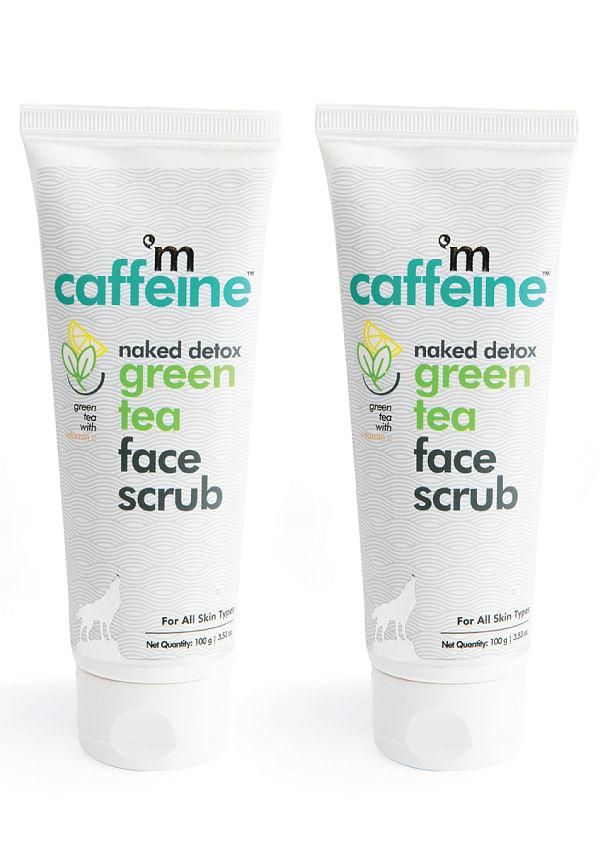
Green Tea Face Scrub with Vitamin C & Hyaluronic Acid
Yes, green tea extract is suitable for all skin tones and is particularly beneficial for Indian skin. Unlike some ingredients that can cause hyperpigmentation in darker skin tones, green tea extract actually helps prevent post-inflammatory hyperpigmentation. Its gentle, non-irritating nature makes it safe for regular use across all skin types and tones.
Whilst prescription anti-inflammatories may work faster for severe conditions, green tea extract offers a gentler approach with fewer side effects. It's particularly valuable for mild to moderate inflammation and can often be used alongside prescription treatments. Many dermatologists recommend starting with natural options like green tea extract before moving to stronger interventions, especially for sensitive skin.
Topical green tea extract is generally considered safe during pregnancy, as the amount absorbed through the skin is minimal. However, pregnant women should always consult their healthcare provider before introducing new skincare ingredients. The anti-inflammatory and soothing properties can actually be beneficial for pregnancy-related skin changes like melasma or increased sensitivity.
For beginners, start with products containing 1-2% green tea extract or diluted DIY preparations using one tea bag per cup of water. This allows your skin to adjust gradually whilst still providing anti-inflammatory benefits. You can increase concentration or frequency as your skin builds tolerance, but most people find that moderate concentrations used consistently are more effective than high concentrations used sporadically.
Green tea extract is effective for inflammation anywhere on the body. It's particularly useful for conditions like heat rash, eczema patches on arms or legs, or general irritation from environmental factors. Body skin is often less sensitive than facial skin, so you may be able to use stronger concentrations or more frequent applications for body concerns.
Adverse reactions to green tea extract are rare, but some people may experience mild irritation if they're sensitive to caffeine or tannins. Signs to watch for include persistent redness, stinging, or increased breakouts. If you have very sensitive skin or known plant allergies, perform a patch test first and introduce the ingredient gradually into your routine.
Green tea extract stands out as one of the most reliable and gentle soothing skincare ingredients available, particularly for addressing the unique inflammatory challenges that Indian skin faces. Its proven anti-inflammatory properties, combined with antioxidant protection and antimicrobial benefits, make it a versatile addition to any skincare routine.
The beauty of this ingredient lies in its accessibility and gentleness. Whether you choose to incorporate it through DIY preparations or seek out commercial formulations, green tea extract offers a natural approach to managing inflammation without the harsh side effects often associated with synthetic alternatives.
For those looking to explore skincare for sensitive skin or seeking effective skin redness reduction, green tea extract provides a scientifically-backed solution that works harmoniously with Indian skin's needs. The key is consistency—regular use over time yields the best results for long-term skin health and inflammation management.
If you're curious about products featuring green tea extract but want to test them before committing to full sizes, platforms like Smytten offer an excellent way to discover what works for your unique skin. With access to curated selections from trusted brands and the ability to try before you buy, you can confidently explore the world of anti-inflammatory skincare without the guesswork.
