Glycolic vs Lactic Acid for Indian Skin: Your FAQ Answered


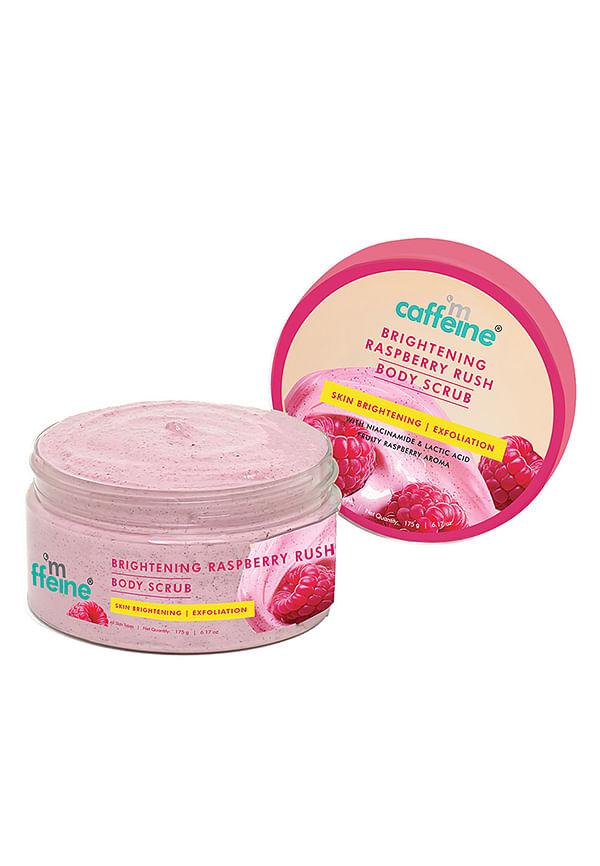
Brightening Raspberry Body Scrub | Tan Removal | AHAs- Lactic & Glycolic Acid
You've been scrolling through skincare content for weeks, and everyone's talking about glycolic acid and lactic acid. But here's the thing — your Indian skin has its own unique needs, and what works for someone else might not work for you. Whether you're dealing with stubborn hyperpigmentation from that summer breakout or trying to fade those post-acne marks that seem to linger forever, choosing between these two AHAs can feel overwhelming. Let's break down exactly what each acid does and which one might be your skin's new best friend.
Alpha hydroxy acids are water-soluble chemical exfoliants that work by dissolving the bonds between dead skin cells, revealing fresher skin underneath. Unlike physical scrubs that can be harsh and cause micro-tears, AHAs offer a gentler approach to exfoliation that's particularly beneficial for Indian skin types.
Indian skin often deals with specific concerns like melasma, post-inflammatory hyperpigmentation, and increased sensitivity to environmental factors. The higher melanin content in our skin means we're more prone to developing dark spots and uneven tone, especially after acne or sun exposure. This is where the molecular size difference between glycolic and lactic acid becomes crucial.
Glycolic acid has the smallest molecular structure among AHAs, allowing it to penetrate deeper into the skin. Lactic acid, derived from fermented milk, has a larger molecule that works more gently on the surface while providing additional hydrating benefits. Both acids help accelerate cell turnover, but they work at different depths and intensities.
When it comes to tackling stubborn skin issues, glycolic acid is often the heavy-hitter. Its tiny molecular size means it can penetrate deep into pores and work on issues that surface-level treatments might miss. For Indian skin dealing with acne and the inevitable dark marks that follow, this deeper action can be particularly effective.
Glycolic acid excels at addressing post-inflammatory hyperpigmentation — those dark spots that appear after a breakout heals. Clinical studies have shown that concentrations between 20-70% can significantly improve melasma when used under professional guidance. For at-home use, starting with 5-10% concentrations allows your skin to build tolerance gradually.
The acid works by breaking down the bonds in the stratum corneum, encouraging faster cell turnover. This means newer, less pigmented cells reach the surface more quickly, helping to fade dark spots over time. For oily and acne-prone Indian skin, glycolic acid also helps unclog pores and reduce the formation of blackheads and whiteheads.
If you're new to glycolic acid, start with 5% formulations and use them twice weekly. Your skin needs time to adjust to the increased exfoliation. Once you've used 5% comfortably for 4-6 weeks, you can consider moving up to 7-10% concentrations.
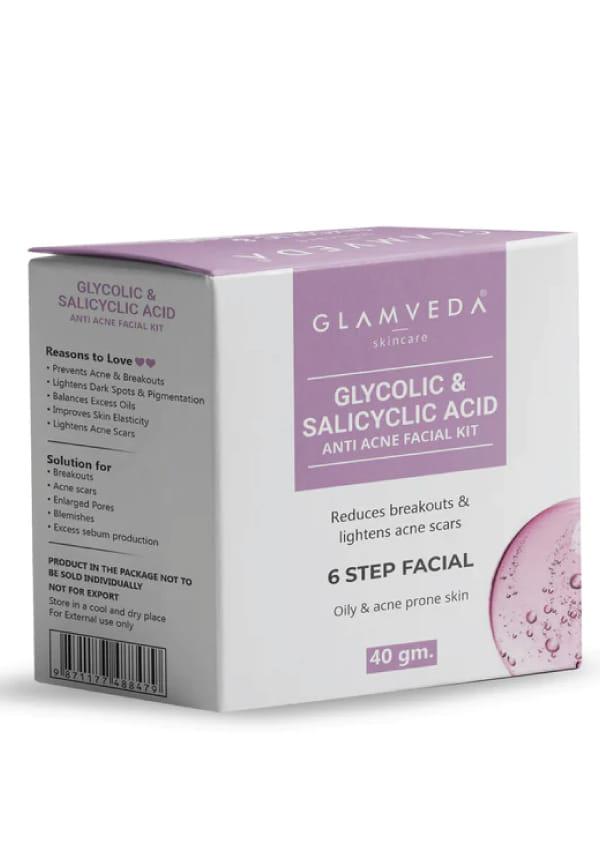
Glycolic Acid & 2% ww Salicylic Acid Anti Acne Facial kit
Lactic acid offers a gentler approach to chemical exfoliation, making it ideal for those with sensitive or dry skin. Its larger molecular size means it works primarily on the skin's surface, providing effective exfoliation without the intensity that can sometimes irritate Indian skin.
What sets lactic acid apart is its natural humectant properties. While it's exfoliating away dead skin cells, it's also drawing moisture to the skin. This dual action makes it particularly suitable for Indian skin that might be dealing with dehydration from air conditioning or harsh weather conditions.
For those dealing with mild hyperpigmentation or wanting to maintain an even skin tone, lactic acid provides consistent, gentle results. It's also an excellent choice if you're using other active ingredients like retinol or vitamin C, as it's less likely to cause irritation when layered with other products.
Most people find that 5% lactic acid provides noticeable results without irritation. This concentration is gentle enough for daily use once your skin has adjusted, making it perfect for maintaining smooth, even-toned skin.
When comparing these two AHAs, it's helpful to think of them as different tools for different jobs. Glycolic acid is like a precision instrument — it goes deep and works fast, but requires careful handling. Lactic acid is more like a gentle daily maintenance tool — consistent, reliable, and forgiving.
In terms of strength, 7% glycolic acid is generally considered more potent than 10% lactic acid due to the molecular size difference. This means you'll likely see faster results with glycolic acid, but you'll also need to be more careful about sun protection and potential irritation.
For acne-prone and oily Indian skin, glycolic acid often provides better results for unclogging pores and preventing breakouts. However, if your skin is on the sensitive side or you're dealing with dryness alongside your skin concerns, lactic acid might be the better choice.
For melasma and deep hyperpigmentation, glycolic acid typically works faster due to its deeper penetration. However, lactic acid can be more suitable for ongoing maintenance and prevention of new dark spots, especially in sensitive areas like around the eyes.
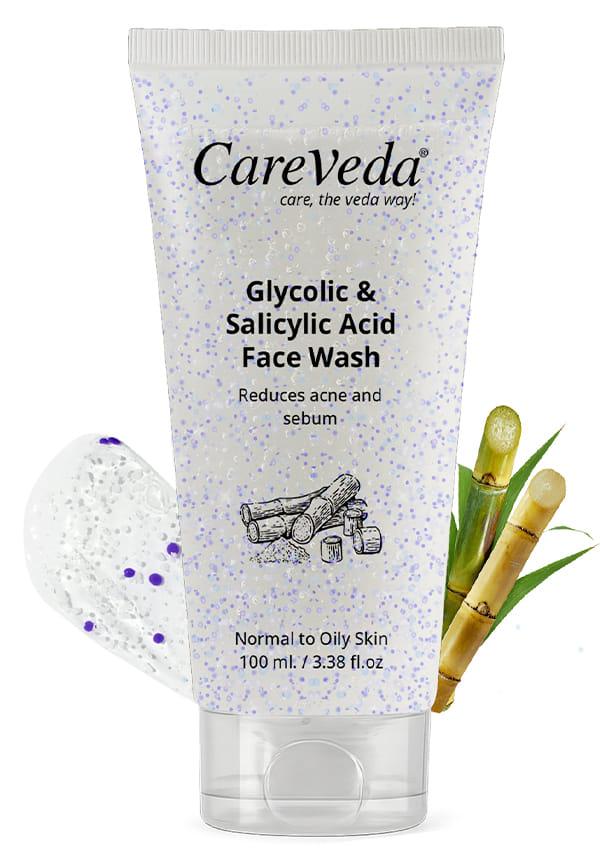
Glycolic & 1% Salicylic Acid Face Wash for Acne & Oil Control
Many people wonder if they can combine glycolic and lactic acid for enhanced results. The answer is yes, but with careful planning. The key is alternating their use rather than applying them simultaneously, which could lead to over-exfoliation and irritation.
A popular approach is using lactic acid 2-3 times per week and glycolic acid once weekly. This allows you to get the gentle, hydrating benefits of lactic acid while still addressing deeper concerns with glycolic acid. Always start slowly and pay attention to how your skin responds.
Some products combine both acids in lower concentrations, which can be effective for those who want the benefits of both without the complexity of alternating products. However, these combination formulas require the same gradual introduction as single-acid products.
Your skin type and primary concerns should guide your choice between these two AHAs. If you have oily, acne-prone skin with stubborn dark spots, glycolic acid might be your best bet. Start with 5% and gradually work up as your skin builds tolerance.
For dry, sensitive, or combination skin that needs gentle exfoliation with added hydration, lactic acid is often the safer choice. It's also ideal if you're new to chemical exfoliants or have had reactions to stronger acids in the past.
Consider your lifestyle too. Glycolic acid requires diligent sun protection, as it can increase photosensitivity. If you spend a lot of time outdoors or live in a particularly sunny climate, lactic acid might be more practical for regular use.
During monsoon season, when humidity is high, glycolic acid might be more suitable as it helps control excess oil and prevents clogged pores. In winter or in air-conditioned environments, lactic acid's hydrating properties make it the better choice.
There's no universal answer — it depends on your skin type and concerns. Glycolic acid is better for oily, acne-prone skin with stubborn hyperpigmentation, while lactic acid suits sensitive or dry skin that needs gentle exfoliation with hydration.
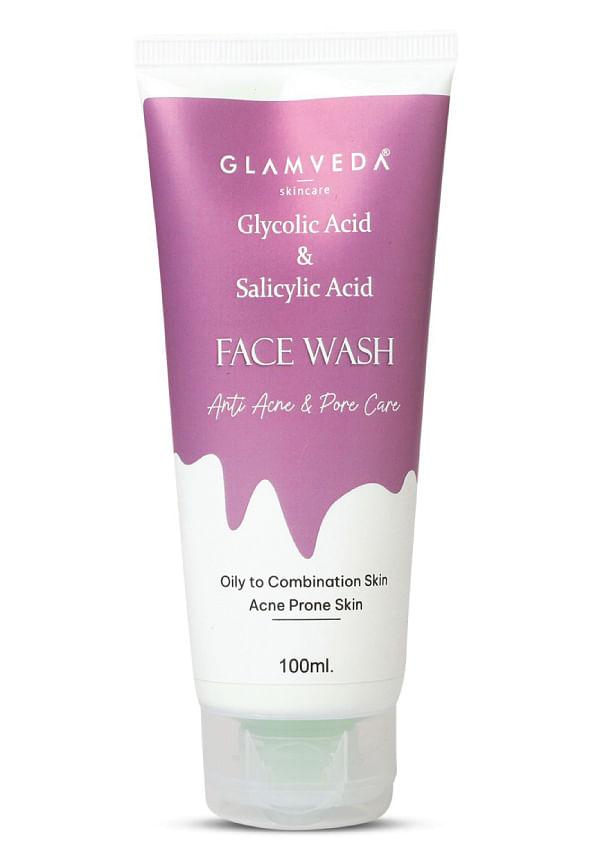
Glycolic Acid & 0.05% ww Salicylic Acid Anti Acne face wash
Yes, lactic acid is excellent for Indian skin, especially at 5% concentrations or below. It's gentle enough for sensitive skin while still providing effective exfoliation and the added benefit of hydration, which many Indian skin types need.
7% glycolic acid is generally stronger due to its smaller molecular size, which allows deeper penetration. While 10% lactic acid has a higher percentage, its larger molecules work more gently on the surface.
Clinical studies show that glycolic acid can help fade melasma, particularly when used in professional treatments or higher concentrations under dermatological guidance. For at-home use, consistent application of 5-10% formulations can help improve mild melasma over time.
Glycolic acid typically works faster for hyperpigmentation due to its deeper penetration, making it effective for post-acne marks and sun spots. Lactic acid is gentler and better for sensitive areas or ongoing maintenance of even skin tone.
Most people shouldn't use glycolic acid daily, especially when starting out. Begin with 2-3 times per week and gradually increase frequency as your skin builds tolerance. Daily use is possible with very low concentrations (under 5%) and only after your skin has fully adjusted.
Choosing between glycolic and lactic acid doesn't have to be overwhelming. Think of it as finding the right tool for your skin's specific needs. Glycolic acid is your go-to for deeper concerns like stubborn acne marks and significant hyperpigmentation, while lactic acid is perfect for gentle, consistent maintenance and hydration.
Remember that consistency matters more than intensity. A gentle lactic acid used regularly will often give better long-term results than sporadic use of stronger glycolic acid formulations. Start slowly, listen to your skin, and don't forget that sunscreen is non-negotiable when using any AHA.
If you're curious about trying different AHA formulations but not ready to commit to full-size products, platforms like Smytten let you explore minis from trusted brands before making larger investments. With over 28 million users discovering their perfect skincare matches, it's a smart way to test what works for your unique skin before you fully commit.
