Glycolic Acid Side Effects FAQ: What You Need to Know


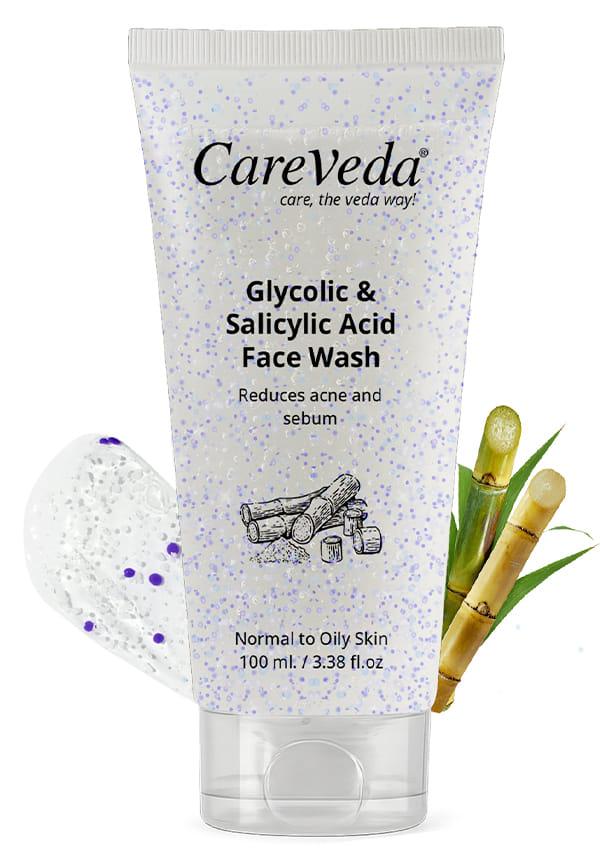
Glycolic & 1% Salicylic Acid Face Wash for Acne & Oil Control
You've heard the buzz about glycolic acid and its skin-transforming benefits, but let's have a real conversation about what can go wrong. Whether you're dealing with unexpected redness after your first use or wondering if that burning sensation is normal, understanding the side effects of glycolic acid is crucial for safe skincare. This isn't about scaring you away from this powerful ingredient—it's about helping you use it wisely so your skin gets all the benefits without the drama.
When you first introduce glycolic acid to your routine, your skin might have some opinions about it. The most common glycolic acid side effects include a burning sensation, stinging, and redness that can appear within minutes of application. This immediate reaction happens because glycolic acid works by dissolving the bonds between dead skin cells, and your skin needs time to adjust to this process.
Within 24 to 48 hours, you might notice skin peeling, dryness, and flaking. This is actually your skin doing exactly what glycolic acid is designed to help it do—shedding old, dull cells to reveal fresher skin underneath. However, the intensity of these reactions varies dramatically based on your skin type, the concentration you're using, and how you introduce the product.
Mild glycolic acid irritation that subsides within a few hours is generally normal, especially when you're starting out. However, severe burning that doesn't stop, persistent redness lasting more than 24 hours, or any signs of blistering require immediate attention and discontinuation of the product.
The concentration of your glycolic acid product plays a massive role in determining your risk level. Products with 1-5% glycolic acid are generally gentler and suitable for beginners, whilst formulations with 10% or higher carry increased glycolic acid risks and should be approached with caution. Professional treatments can use concentrations up to 70%, which is why they require trained application and proper aftercare.
One of the most serious glycolic acid dangers comes from overuse. When you use glycolic acid too frequently or combine it with other strong actives like retinol or vitamin C without proper spacing, you risk compromising your skin barrier. This can lead to chronic sensitivity, increased breakouts, and a condition called over-exfoliation syndrome where your skin becomes perpetually irritated and reactive.
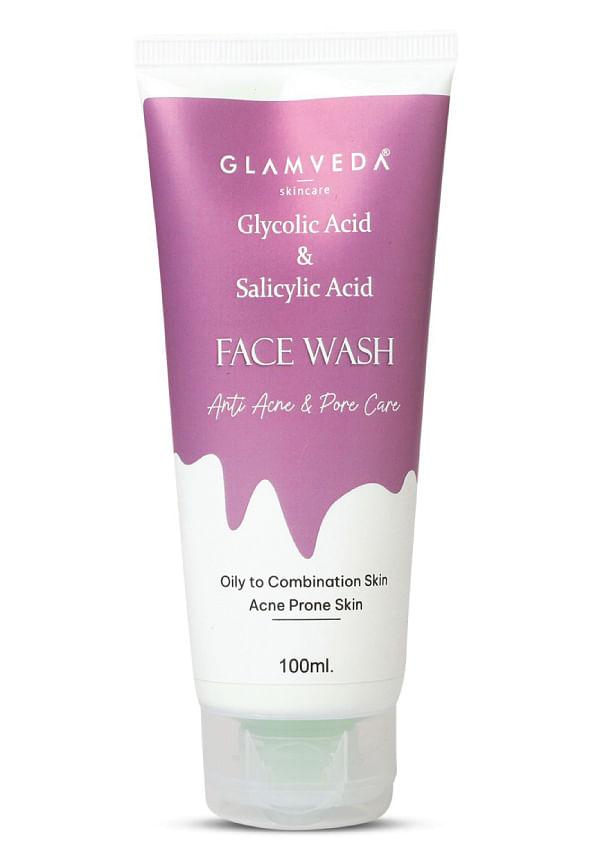
Glycolic Acid & 0.05% ww Salicylic Acid Anti Acne face wash
If you have conditions like rosacea, eczema, or active dermatitis, glycolic acid can exacerbate these issues. Additionally, certain medications like tretinoin or benzoyl peroxide can increase your skin's sensitivity to glycolic acid, making adverse reactions more likely.
Your skin type significantly influences how you'll respond to glycolic acid. People with naturally sensitive skin, those with darker skin tones (who may be more prone to post-inflammatory hyperpigmentation), and individuals over 50 (whose skin barrier may be thinner) often experience heightened glycolic acid sensitivity. Seasonal factors matter too—your skin is typically more reactive during winter months when it's already dealing with environmental stressors.
Hormonal fluctuations during pregnancy, menstruation, or menopause can also increase sensitivity. If you're taking medications like antibiotics, diuretics, or certain antidepressants, these can make your skin more photosensitive, amplifying glycolic acid's effects and increasing your risk of adverse reactions.
Whilst glycolic acid is generally safe for long-term use when used properly, chronic misuse can lead to persistent barrier disruption. Signs include skin that never seems to fully recover between treatments, increased sensitivity to products you previously tolerated well, and a cycle where your skin feels like it constantly needs more exfoliation to look normal.
If you experience severe glycolic acid burning or persistent glycolic acid redness, your first step should be immediate removal of the product with cool water. Follow up with a gentle, fragrance-free moisturiser containing ceramides or hyaluronic acid to help restore your skin barrier. Niacinamide can also help calm inflammation and reduce redness over the following days.
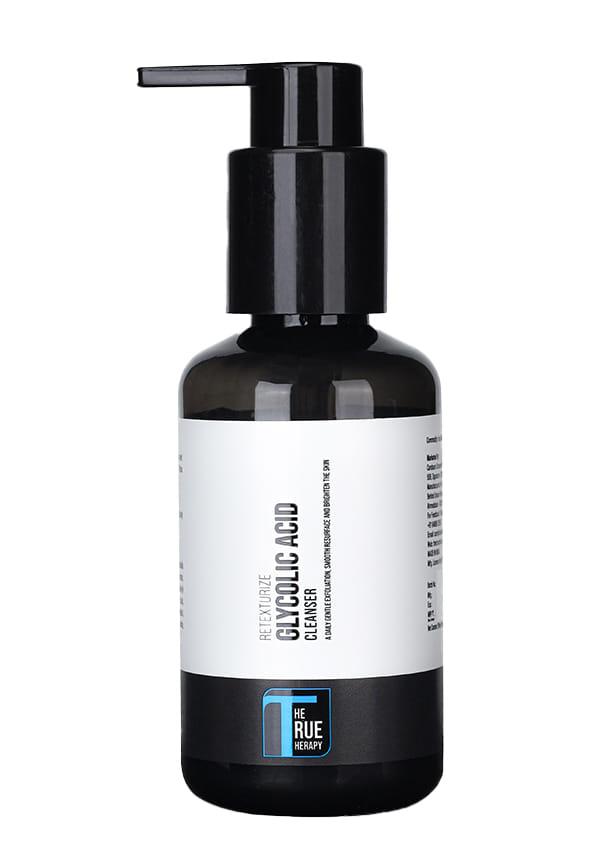
Glycolic Acid Face Cleanser
For the next few days after a reaction, stick to the gentlest possible routine—think basic cleanser, moisturiser, and SPF only. Avoid all other actives, including retinol, vitamin C, and certainly no more glycolic acid until your skin has completely recovered. If redness persists beyond 48 hours or if you develop blistering or severe pain, consult a dermatologist immediately.
Some degree of glycolic acid peeling is expected and actually indicates the product is working. Normal peeling typically begins 2-3 days after application and involves light flaking that resolves within a week. This type of peeling shouldn't be painful and can often be managed with gentle moisturising.
Problematic peeling, however, involves large sheets of skin coming off, bleeding, or peeling that continues for more than 10 days. If you've used glycolic acid overnight and wake up to severe peeling, this often indicates the concentration was too high for your skin or you left it on too long. Always start with shorter contact times and lower concentrations, especially for overnight treatments.
The best way to avoid glycolic acid adverse reactions is through careful introduction and proper glycolic acid precautions. Always perform a patch test on a small area of skin 48 hours before full application. Start with the lowest concentration available and use it only once or twice per week initially, gradually increasing frequency as your skin adapts.
Never skip SPF when using glycolic acid—this ingredient increases photosensitivity for up to a week after use. Choose a broad-spectrum SPF 30 or higher and reapply throughout the day. Consider using glycolic acid only in your evening routine to minimise sun exposure immediately after application.
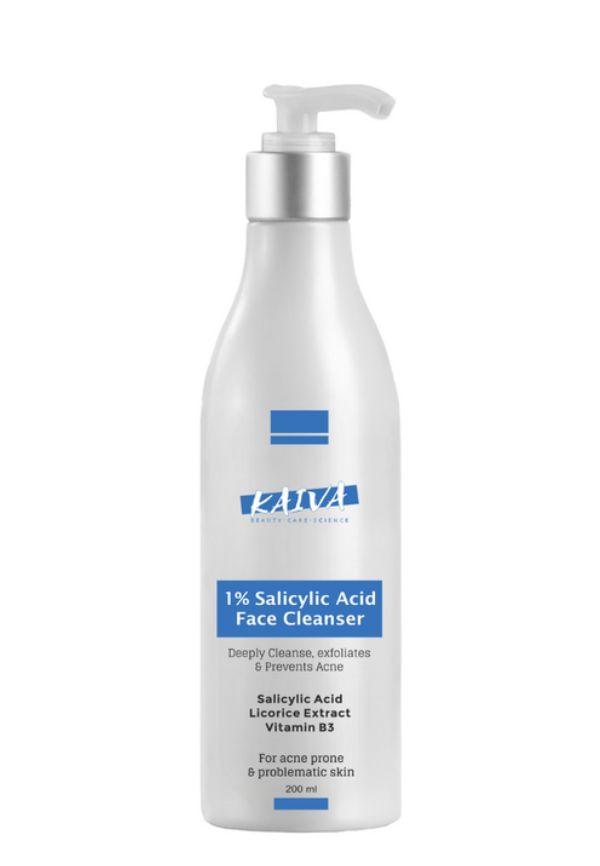
Salicylic Acid Face Wash with Glycolic Acid, Niacinamide & Licorice Extracts
Yes, glycolic acid can cause side effects including redness, burning, stinging, dryness, and peeling. The likelihood and severity depend on factors like concentration, frequency of use, skin type, and proper application technique. Most side effects are temporary and resolve as your skin adjusts to the ingredient.
Daily use isn't recommended for most people, especially beginners. Start with 1-2 times per week and gradually increase frequency based on your skin's tolerance. Some people with resilient skin may eventually tolerate daily use of low concentrations (1-2%), but this should be approached cautiously and with proper moisturising and sun protection.
When used properly, glycolic acid's long-term effects are generally positive, including improved skin texture, reduced hyperpigmentation, and enhanced collagen production. However, chronic overuse can lead to persistent sensitivity and barrier damage. The key is consistent, moderate use rather than aggressive application.
Permanent damage from glycolic acid is rare but possible with severe misuse. Most adverse effects, including sensitivity and irritation, are reversible with proper care and time. However, improper use can potentially lead to scarring or persistent hyperpigmentation, particularly in darker skin tones.
Immediately rinse the area with cool water and discontinue use. Apply a gentle, fragrance-free moisturiser and avoid all other active ingredients. If irritation persists beyond 48 hours, involves blistering, or causes severe pain, consult a dermatologist promptly. Don't attempt to treat severe reactions at home.
Understanding the side effects of glycolic acid isn't about avoiding this powerful ingredient—it's about using it intelligently. When introduced gradually and used with proper precautions, glycolic acid can be transformative for many skin concerns including dullness, uneven texture, and mild hyperpigmentation. The key lies in respecting your skin's individual tolerance and never rushing the process.
Remember that skincare is deeply personal, and what works brilliantly for your friend might not suit your skin at all. If you're curious about incorporating glycolic acid into your routine but want to test the waters first, platforms like Smytten offer an excellent way to try products from trusted brands before committing to full sizes. With access to minis from over 2,400 brands and the security of knowing you can explore safely, you can find the right glycolic acid formulation for your unique skin needs without the guesswork.
