Glycolic Acid FAQ: What It's Used For & Benefits Explained


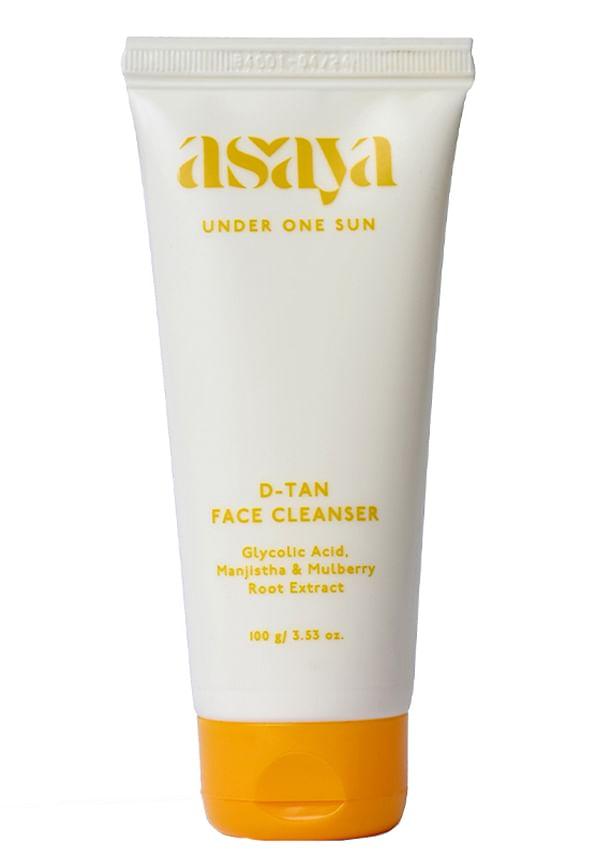
Detan Face Wash, Glycolic Acid, Tan Removal for Men & Women
Glycolic acid has become the talk of the skincare world, and honestly, it's about time. This powerhouse ingredient promises smoother, brighter skin, but what exactly is glycolic acid used for? Whether you're dealing with stubborn acne, fine lines, or just want that glow everyone's raving about, glycolic acid might just be your skin's new best friend. Let's dive into everything you need to know about this game-changing ingredient, from its benefits to how to use it without turning your face into a tomato.
Glycolic acid is an alpha-hydroxy acid (AHA) derived from sugarcane, and it's basically the overachiever of the chemical exfoliant family. What makes it special? It has the smallest molecular structure among all AHAs, which means it can penetrate deeper into your skin than its cousins like lactic or mandelic acid.
Think of glycolic acid as a gentle demolition crew for your skin. It works by breaking down the bonds between dead skin cells that are stubbornly clinging to your face. This process speeds up cell turnover, revealing fresh, new skin underneath whilst stimulating collagen production. It's why dermatologists often call it the "gold standard" of chemical exfoliants.
When you apply glycolic acid to your skin, it gets to work immediately. The acid loosens the glue-like substance holding dead skin cells together, allowing them to shed naturally. This process also signals your skin to produce new cells faster, which is why you'll notice that healthy glow after consistent use.
So, what is glycolic acid used for exactly? The answer might surprise you with its versatility. This multitasking ingredient isn't just for your face—it can work wonders on various parts of your body too.
Your face is where glycolic acid truly shines. It's brilliant for tackling multiple skin concerns at once.
Anti-ageing treatment: Reduces fine lines and wrinkles by boosting collagen production
Hyperpigmentation fighter: Fades dark spots, acne marks, and uneven skin tone
Acne prevention: Unclogs pores and prevents new breakouts from forming
Texture improvement: Smooths rough, bumpy skin for a more refined appearance
Don't limit glycolic acid to just your face—your body deserves some love too.
Rough patches: Softens elbows, knees, and heels
Keratosis pilaris: Those bumpy "chicken skin" patches on your arms
Body acne: Clears chest and back breakouts
Underarm care: Smooths skin and can help with odour reduction
The glycolic acid benefits are honestly impressive. This ingredient doesn't just do one thing well—it's like having a whole skincare routine in a single product.
Forget harsh physical scrubs that can damage your skin. Glycolic acid exfoliation is gentle yet effective, removing dead skin cells without any abrasive action. Your skin gets all the benefits of exfoliation without the irritation.
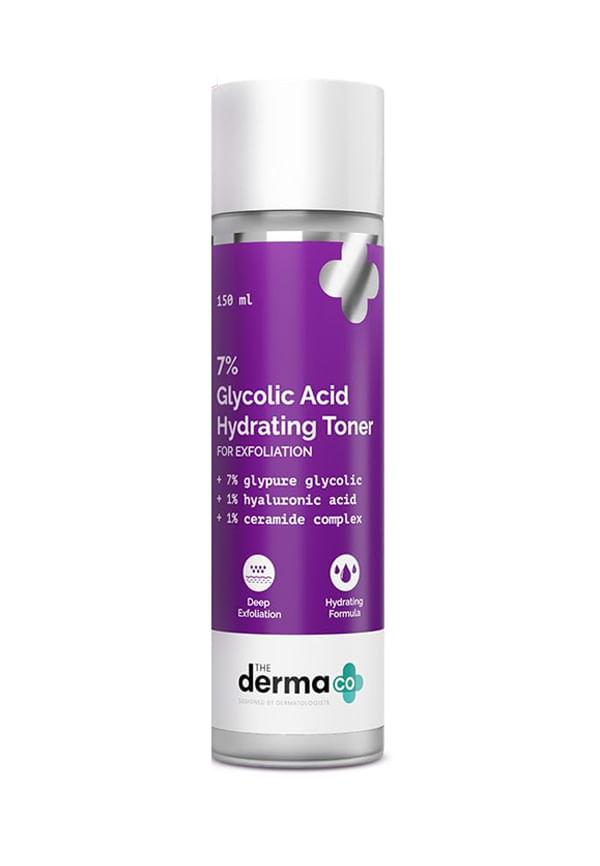
7% Glycolic Acid Hydrating Toner with Glycolic Acid & Hyaluronic Acid
One of the most exciting glycolic acid benefits is its ability to stimulate collagen production. More collagen means firmer, plumper skin that looks younger and more resilient. It's like giving your skin a natural lift from within.
Clogged pores are no match for glycolic acid. It dives deep to clear out oil, dirt, and debris that can lead to blackheads and breakouts. Regular use keeps your pores clean and minimised.
That post-facial glow? Glycolic acid can give you that at home. By removing dull, dead skin cells, it reveals the fresh, radiant skin underneath. Your complexion looks brighter and more even.
Glycolic acid products come in various forms and strengths, so there's something for everyone, whether you're a skincare newbie or a seasoned pro.
The beauty of glycolic acid is its versatility in different formulations.
Cleansers: Perfect for daily use and gentle introduction to the ingredient
Toners: Easy to incorporate into your routine for regular exfoliation
Glycolic acid serum: Concentrated treatment for targeted concerns
Professional peels: Higher concentrations for dramatic results
Starting with the right concentration is crucial for avoiding irritation and getting the best results.
Beginner-friendly: 5-7% concentration for sensitive or first-time users
Intermediate: 8-12% for those with some acid experience
Advanced: 15%+ for experienced users or professional treatments
Different skin concerns require different approaches, and glycolic acid treatment can be tailored to address your specific needs.
Glycolic acid for acne is particularly effective because it addresses multiple factors that contribute to breakouts. It unclogs pores, reduces oil buildup, and helps prevent new spots from forming.
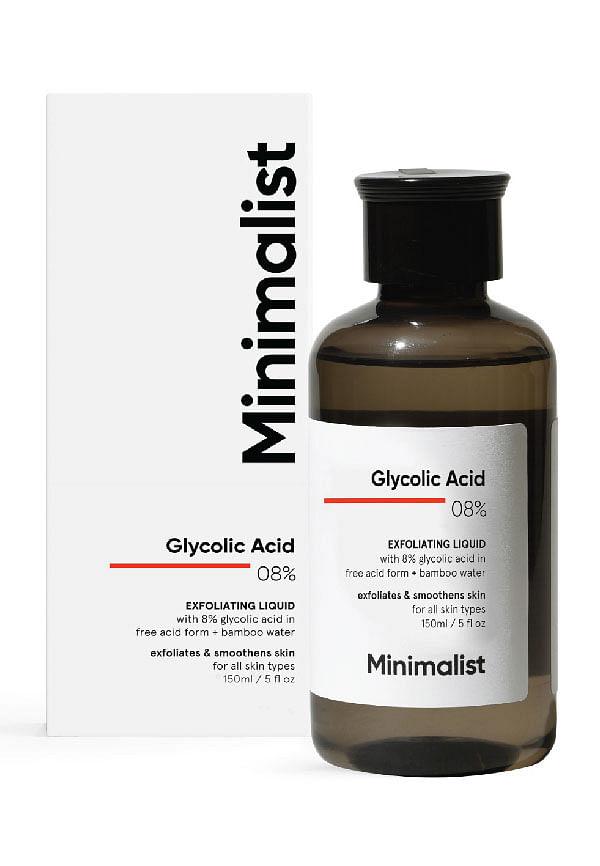
8% Glycolic Acid Toner For Glowing Skin
Penetrates deep into pores to clear blockages
Reduces post-inflammatory hyperpigmentation from old breakouts
Works well with other acne-fighting ingredients like salicylic acid
For those concerned about signs of ageing, glycolic acid is a gentle yet effective option. It stimulates collagen and elastin production, which helps minimise fine lines and improve skin elasticity over time.
Dark spots and uneven skin tone can be stubborn, but glycolic acid gradually fades these concerns by accelerating cell turnover. You'll typically see improvements in 4-6 weeks with consistent use.
Using glycolic acid correctly is essential for getting results without irritation. Start slow and build up your tolerance gradually.
Begin with once or twice a week applications, preferably in the evening. Your skin needs time to adjust, so patience is key.
Always patch test new products first
Apply to clean, dry skin
Follow with a moisturiser to prevent dryness
Never skip SPF the next day
Glycolic acid increases sun sensitivity, so daily SPF is non-negotiable. Also, avoid mixing it with certain ingredients like retinol or vitamin C in the same routine to prevent irritation.
Like any active ingredient, glycolic acid side effects can occur, especially when you're starting out or using too high a concentration too quickly.
Some initial redness, dryness, or mild peeling is normal as your skin adjusts. However, severe burning, persistent irritation, or excessive peeling means you should stop use and reassess your approach.
Mild tingling during application is normal
Temporary dryness can be managed with a good moisturiser
Peeling usually subsides after a few weeks of consistent use
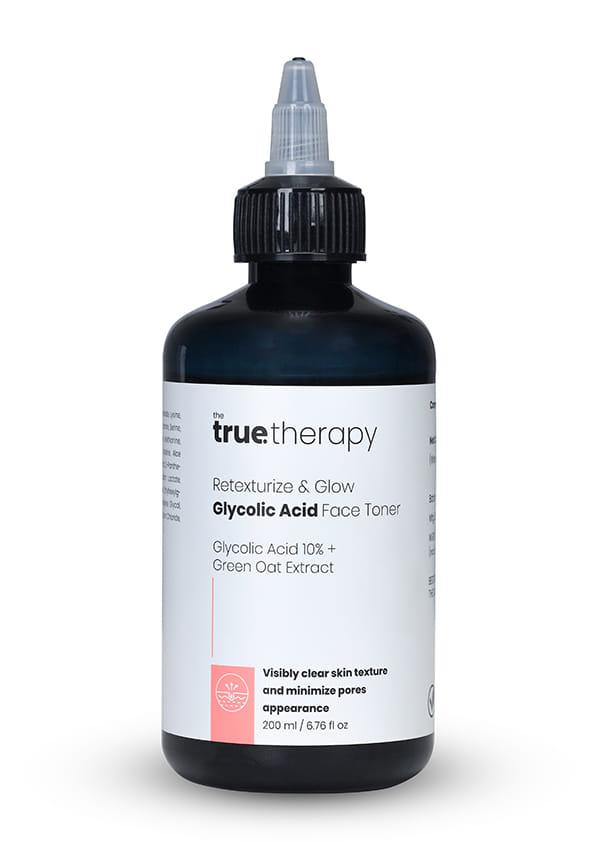
10% Glycolic Acid Toner
If you experience severe reactions or if your skin doesn't improve after several weeks, it's worth consulting a dermatologist. They can help adjust your routine or suggest alternatives.
Finding the right glycolic acid products doesn't have to involve expensive trial and error. Smytten, India's largest product discovery platform, offers curated trial packs from over 1,500 trusted brands including skincare favourites like Cetaphil and Dot & Key. You can explore different glycolic acid formulations through mini-sized products before committing to full-size purchases, making it easier to find what works for your skin without the financial risk.
Glycolic acid exfoliates dead skin cells, unclogs pores, stimulates collagen production, and improves skin texture. It helps with acne, fine lines, dark spots, and overall skin radiance. You'll notice smoother, brighter skin with regular use.
Not initially. Start with 1-2 times per week and gradually increase frequency as your skin builds tolerance. Some people can eventually use it daily, whilst others find 3-4 times per week optimal. Listen to your skin and adjust accordingly.
Both have unique benefits. Glycolic acid is better for general exfoliation and anti-ageing, whilst azelaic acid is gentler and better for sensitive skin or rosacea. Glycolic acid works faster but can be more irritating.
Glycolic acid can smooth underarm skin, reduce ingrown hairs, and help with odour by exfoliating dead skin cells where bacteria can accumulate. Use a lower concentration and moisturise well after application.
Yes, glycolic acid can help with scalp exfoliation, removing buildup and flakes. However, use products specifically formulated for hair and scalp, as facial concentrations might be too strong.
You might notice smoother skin within a week, but significant improvements in texture, tone, and acne typically take 4-6 weeks. Anti-ageing benefits develop over 2-3 months of consistent use.
Yes, but start with very low concentrations (5% or less) and use less frequently. Consider lactic acid as a gentler alternative if glycolic acid proves too irritating.
Glycolic acid is genuinely one of the most versatile skincare ingredients you can add to your routine. From tackling acne to fighting signs of ageing, its benefits are backed by science and real results. The key is starting slowly, being consistent, and always protecting your skin with SPF.
Remember, skincare is personal, and what works for others might not work for you. That's where platforms like Smytten become invaluable—with over 25 million users and access to trial-sized products from trusted brands, you can experiment with different glycolic acid formulations without the commitment. After all, why settle for 'maybe' when you can try it all and find what truly works for your skin?
