Glass Skin FAQ: Your Questions on Achieving a Radiant Complexion Answered


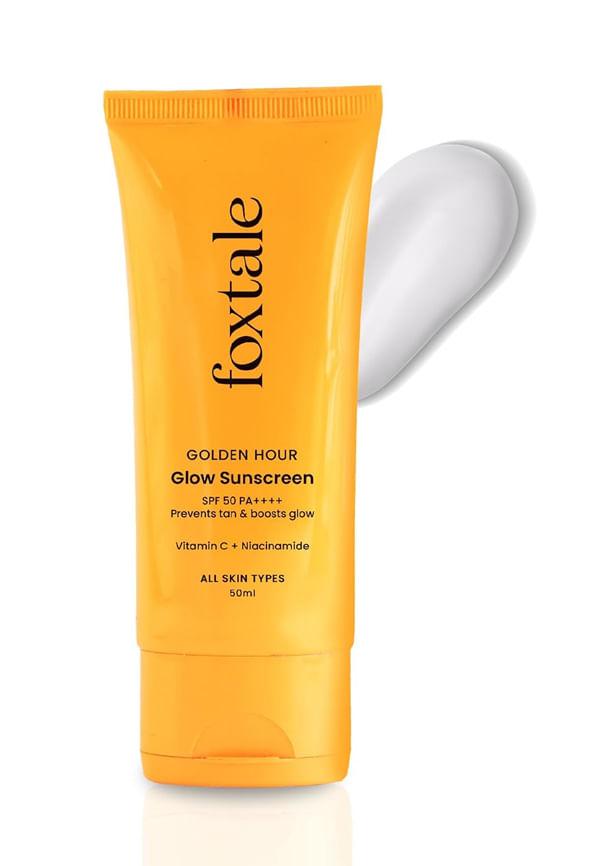
Glow Sunscreen SPF 50 PA++++ Lightweight with Vitamin C and Niacinamide
Lightweight, Glowing Skin
 5
5“Light weght must try just give glowing skin”
Amazing Sunscreen, Loved It
4“I ever used this type of such an amazing product that too sunscreen. loved it”
Lightweight & Good on Face
5“light weight super good on face”
Glass skin has become the ultimate skincare goal, promising that coveted translucent, poreless complexion that looks like you're literally glowing from within. But here's the real talk: achieving glass skin isn't about expensive K-beauty products or complicated 12-step routines. It's about understanding your skin, choosing the right ingredients, and being consistent with proven techniques. Whether you're dealing with dull skin, uneven texture, or just want that dewy, radiant finish, the path to glass skin is more accessible than you might think. With platforms like Smytten offering trial-sized versions of top skincare brands, you can actually test what works for your skin before committing to full-size products. This comprehensive guide answers your most pressing glass skin questions, from realistic timelines to budget-friendly routines that deliver real results.
Glass skin requires consistent hydration, gentle exfoliation, and the right product layering technique
Realistic timeline: 4-12 weeks for noticeable improvement with proper routine
Essential steps include double cleansing, hydrating toners, serums with hyaluronic acid, and SPF protection
Works for all skin types with proper modifications - oily skin needs lightweight hydration, dry skin requires richer formulas
Budget-friendly options exist - focus on key ingredients rather than expensive brands
Glass skin originated from Korean beauty culture, describing skin so smooth, clear, and luminous it resembles a piece of glass. Think translucent, poreless, and naturally dewy - not the artificial shine from heavy oils or highlighters. The appeal lies in its effortless, healthy appearance that suggests perfect skin health rather than heavy makeup coverage.
The science behind glass skin centres on optimal hydration and skin barrier function. When your skin is properly moisturised and has a healthy barrier, light reflects evenly across the surface, creating that coveted luminous effect. This differs significantly from matte skin goals, which aim to minimise shine, or heavily contoured looks that rely on makeup techniques.
Authentic glass skin displays several key features: minimal visible pores, even skin tone without obvious texture, and a natural luminosity that doesn't look oily. The skin appears plump and bouncy, with fine lines softened by proper hydration.
Korean skincare emphasises prevention over correction, focusing on maintaining skin health through gentle, consistent care. This approach prioritises hydration, sun protection, and barrier repair - the foundation of glass skin success.
Achieving glass skin requires a strategic approach that builds hydration layers whilst maintaining your skin's natural balance. The key isn't using every trending product, but rather selecting effective ingredients that work synergistically. Here's how to structure your routine for maximum impact.
Morning routines should focus on protection and hydration, whilst evening routines emphasise repair and deeper treatment. Consistency matters more than perfection - it's better to follow a simple routine daily than an elaborate one sporadically.
Start with a gentle cleanser to remove overnight buildup without stripping natural oils. Follow with a hydrating toner or essence containing hyaluronic acid or glycerin. Apply a vitamin C serum for antioxidant protection, then layer a lightweight moisturiser. Always finish with broad-spectrum SPF 30 or higher.
Begin with double cleansing if you wear makeup or sunscreen. Use a chemical exfoliant 2-3 times weekly (AHA or BHA). Apply a hydrating essence, followed by treatment serums like niacinamide or peptides. Seal everything with a richer nighttime moisturiser.
Double cleansing forms the foundation of glass skin routines. Start with an oil-based cleanser to dissolve makeup, sunscreen, and sebum. Massage gently for 30-60 seconds, then rinse with lukewarm water. Follow with a water-based cleanser to remove remaining impurities and prepare skin for subsequent products.
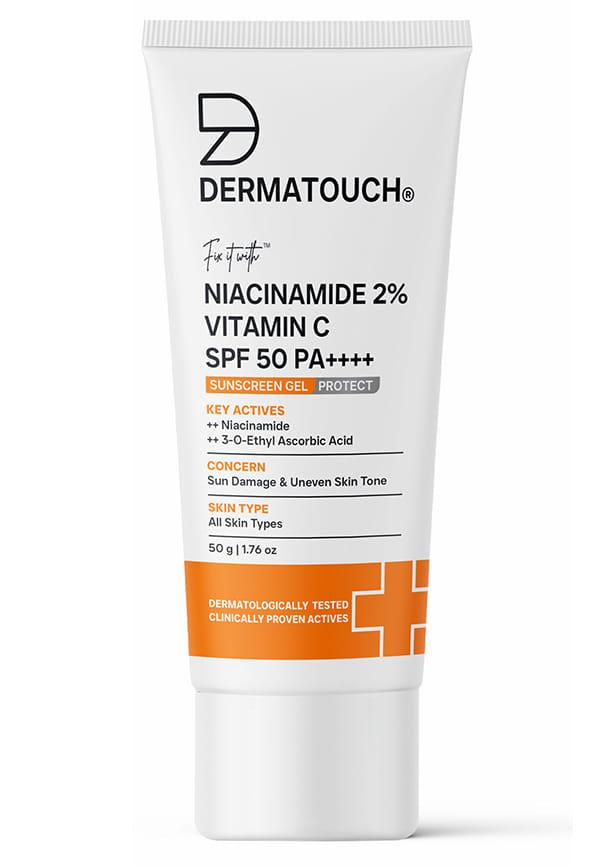
Niacinamide 2% Vitamin C Sunscreen for glowing skin, SPF 50+ PA ++++
Chemical exfoliation works better than physical scrubs for achieving smooth skin texture. AHAs like glycolic acid target surface texture, whilst BHAs like salicylic acid penetrate pores. Start with once weekly application, gradually increasing to 2-3 times as your skin adapts.
The right glass skin products focus on hydration, barrier repair, and gentle renewal rather than dramatic transformation. Look for ingredients with proven efficacy: hyaluronic acid for moisture retention, niacinamide for pore refinement, and ceramides for barrier strength.
Product layering follows the thin-to-thick rule: start with water-based essences, progress to serums, then moisturisers. Each layer should absorb before applying the next, typically waiting 30-60 seconds between applications.
These products prep your skin for better absorption of subsequent treatments. Look for ingredients like hyaluronic acid, glycerin, or beta-glucan. Pat gently into skin rather than rubbing to avoid irritation.
Serums deliver concentrated active ingredients. For glass skin, prioritise hydrating serums with hyaluronic acid, brightening serums with vitamin C or arbutin, and barrier-repair serums with ceramides or peptides.
Choose moisturisers based on your skin type: gel formulas for oily skin, cream formulas for dry skin, and lotion formulas for combination skin. The goal is adequate hydration without heaviness or greasiness.
Glass skin isn't one-size-fits-all - your approach should match your skin's specific needs. Understanding your skin type helps you select appropriate products and avoid common mistakes that can derail your progress.
The fundamental principles remain consistent across skin types: gentle cleansing, adequate hydration, and sun protection. However, the specific products and techniques require customisation for optimal results.
Oily skin can absolutely achieve glass skin - the key is lightweight hydration rather than oil reduction. Use gel-based cleansers, alcohol-free toners, and oil-free moisturisers. Include BHA exfoliation to manage pores without over-drying.
Dry skin needs richer formulations and multiple hydration layers. Use cream cleansers, hydrating essences with multiple humectants, and occlusive moisturisers containing ceramides or squalane. Consider facial oils as the final step.
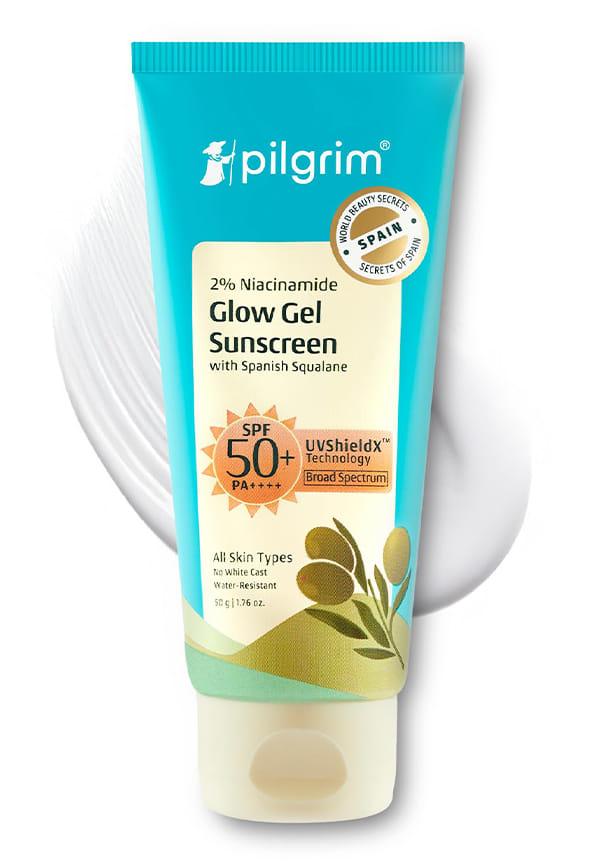
2% Niacinamide Glow Sunscreen Spf 50 Pa+++
Great Product, Will Buy Again
5“this is a great product I will definitely buy it again”
Good Sunscreen
4“Good sunscreen works good nice ”
Nice Product
5“nice product 🥰👍🏻👍🏻👍🏻👍🏻👍🏻👍🏻👍🏻”
Sensitive skin requires minimal, fragrance-free formulations. Introduce new products one at a time, patch test everything, and avoid common irritants like essential oils or high-concentration acids. Focus on barrier repair ingredients.
Acne-prone skin benefits from consistent hydration to prevent overproduction of sebum. Use non-comedogenic products, incorporate salicylic acid for gentle exfoliation, and maintain moisture balance to support healing.
Achieving a radiant complexion doesn't require expensive treatments or professional procedures. Many effective glass skin techniques can be implemented at home using accessible ingredients and lifestyle modifications that support skin health from within.
Natural approaches focus on supporting your skin's inherent healing and renewal processes. This includes proper hydration, adequate sleep, stress management, and gentle DIY treatments using kitchen ingredients.
Create hydrating masks using honey and oatmeal, or aloe vera gel mixed with cucumber juice. These provide immediate moisture and soothing benefits. Apply 2-3 times weekly for 15-20 minutes.
Sleep 7-9 hours nightly to allow skin repair processes. Drink adequate water throughout the day - aim for 8-10 glasses. Include omega-3 rich foods like fish, walnuts, and flaxseeds to support skin barrier function.
Facial massage improves circulation and lymphatic drainage. Use clean hands to gently massage your face in upward motions for 5-10 minutes daily. Cold water splashes can temporarily tighten pores and boost circulation.
Many people sabotage their glass skin journey through well-intentioned but counterproductive practices. Understanding these common pitfalls helps you maintain steady progress towards your skin goals.
The biggest mistake is expecting overnight transformation. Glass skin develops gradually through consistent care, not dramatic interventions. Patience and persistence yield better results than constantly switching products or routines.
Excessive exfoliation damages the skin barrier, leading to irritation, sensitivity, and paradoxically rougher texture. Limit chemical exfoliation to 2-3 times weekly maximum, and never combine multiple acids in one routine.
Applying products in the wrong order reduces their effectiveness. Always follow the thin-to-thick rule, allow adequate absorption time between layers, and avoid mixing incompatible ingredients like vitamin C and retinol.
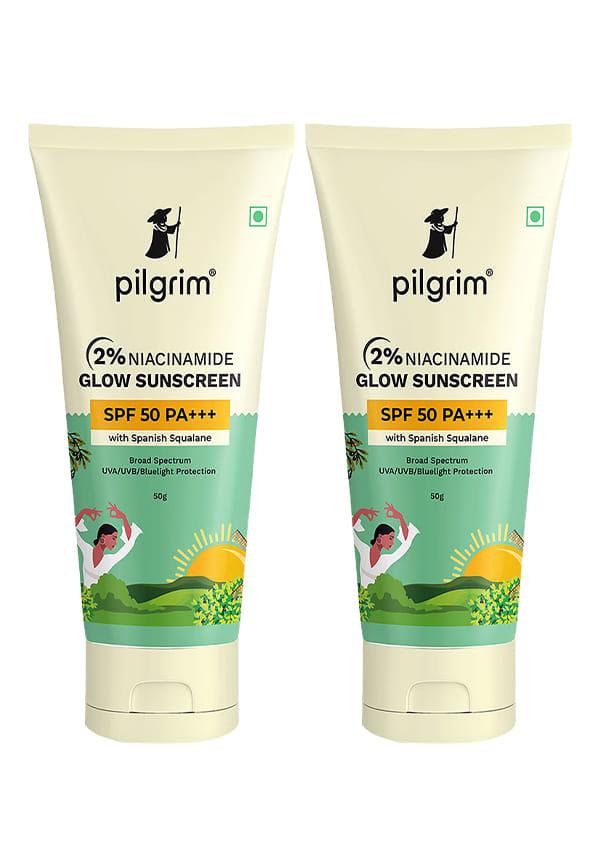
2% Niacinamide Glow Sunscreen Spf 50 Pa+++
Enjoyable and Recommended Product
5“I really enjoyed using it.Everyone can buy it.You can try it once, you will like it.”
Enjoyable and Recommended Product
5“I really enjoyed using it.Everyone can buy it.You can try it once, you will like it.”
Good, Skin-Friendly Product
4“good product skin friendly liked it”
Visible improvements typically appear after 4-6 weeks of consistent routine. Significant transformation requires 3-6 months. Setting realistic expectations prevents disappointment and routine abandonment.
Realistic glass skin results appear after 4-12 weeks of consistent routine. Initial improvements like increased hydration show within 1-2 weeks, whilst texture refinement and pore minimisation require 6-12 weeks. Individual results vary based on starting skin condition, product selection, and routine consistency.
Absolutely. Glass skin depends on ingredients and technique, not brand prestige. Budget-friendly options containing hyaluronic acid, niacinamide, and ceramides work effectively. Platforms like Smytten allow you to trial premium products affordably before committing to full sizes, helping you find what works without overspending.
Glass skin principles apply universally across all ethnicities and skin tones. The goal isn't to change your natural skin colour but to achieve optimal skin health, hydration, and luminosity within your natural tone. Indian skin may require additional attention to hyperpigmentation concerns through ingredients like vitamin C or arbutin.
Glass skin emphasises translucency, smoothness, and natural luminosity, whilst dewy skin focuses primarily on moisture and slight shine. Glass skin appears more refined and poreless, whereas dewy skin can accommodate some texture whilst maintaining hydrated appearance.
Yes, oily skin can absolutely achieve glass skin. The key is proper hydration using lightweight, non-comedogenic products. Well-hydrated oily skin produces less excess sebum and appears more balanced. Focus on gel-based cleansers, alcohol-free toners, and oil-free moisturisers.
Effective glass skin routines can range from ₹2,000-₹8,000 monthly, depending on product choices. Essential items include cleanser (₹300-₹800), toner/essence (₹500-₹1,500), serum (₹800-₹2,500), moisturiser (₹400-₹1,200), and SPF (₹300-₹1,000). Start with budget-friendly options and upgrade gradually.
Glass skin is achievable for all skin types through consistent hydration, gentle exfoliation, and proper product layering. The key lies in understanding your skin's specific needs and selecting appropriate ingredients rather than following trends blindly. Focus on building a sustainable routine using proven ingredients like hyaluronic acid, niacinamide, and ceramides.
Patience remains crucial - visible improvements require 4-12 weeks of consistent care. Start with basic products and gradually introduce treatments as your skin adapts. Remember that glass skin represents optimal skin health rather than perfection, so embrace your natural skin tone whilst working towards improved texture and luminosity.
Achieving glass skin doesn't require breaking the bank or following complicated routines. With the right approach and quality ingredients, you can work towards that coveted radiant complexion whilst respecting your skin's natural needs. Smytten makes this journey more accessible by offering trial packs from over 2,400 trusted skincare brands, allowing you to test products before committing to full sizes. With 100% cashback on trial purchases and authentic brand-verified minis available across India, you can explore different glass skin products affordably. Whether you're trying K-beauty essences, hydrating serums, or gentle exfoliants, Smytten's platform helps you discover what truly works for your skin. After all, why settle for guessing when you can try it all and find your perfect glass skin routine?
