Gel vs Cream Moisturizer for Oily Skin FAQ: Your Questions Answered

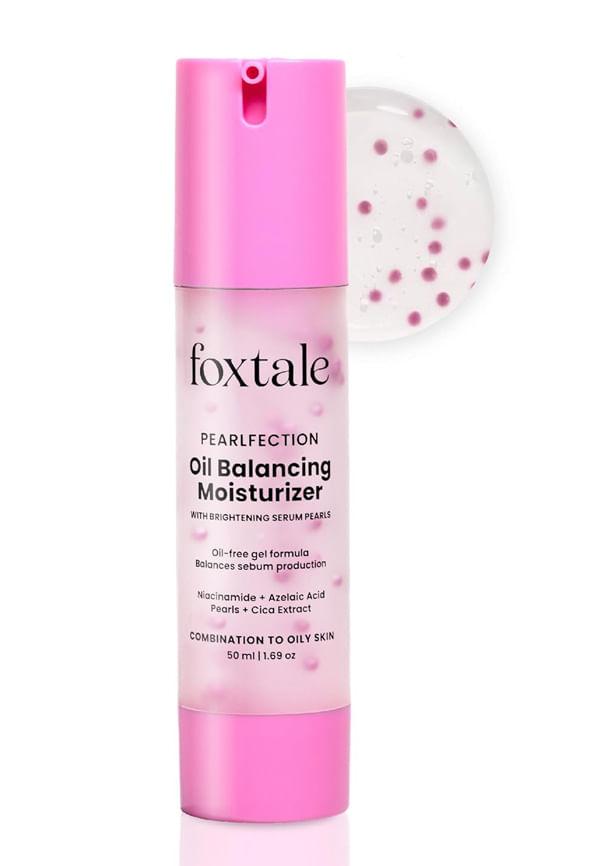
Oil Balancing Moisturizer
You've been staring at the skincare aisle for twenty minutes, holding a gel moisturiser in one hand and a cream in the other. Your T-zone is practically gleaming under the shop lights, and you're wondering if adding more moisture will make things worse or finally give your oily skin what it actually needs. The truth is, oily skin craves hydration just as much as any other skin type – it's just pickier about how it gets it. Let's settle this gel versus cream debate once and for all, because your skin deserves better than guesswork.
The fundamental difference between gel and cream moisturisers lies in their base formulation. Gel moisturisers are primarily water-based, creating that lightweight, almost bouncy texture that absorbs quickly into skin. They typically contain humectants like hyaluronic acid and glycerin that draw moisture into the skin without adding oils or heavy emollients. Cream moisturisers, on the other hand, combine water with oils and emulsifiers to create a richer, more occlusive formula. They contain a higher concentration of lipids and emollients that sit on the skin's surface longer, providing a protective barrier whilst delivering moisture. For oily skin, this difference in formulation can mean the distinction between a fresh, matte finish and that dreaded midday shine. The molecular structure also affects how each type interacts with your skin's natural sebum production. Water-based gels tend to absorb without interfering with your skin's oil balance, whilst oil-rich creams can sometimes trigger increased sebum production in already oily skin types.
For most people dealing with oily skin, gel moisturisers offer the perfect balance of hydration without the heaviness. Their water-based formula means they won't clog pores or add extra oil to skin that's already producing plenty of its own. This makes them naturally non-comedogenic, reducing the risk of blackheads and breakouts that can plague oily skin types. The Foxtale Oil Balancing Moisturizer exemplifies this approach beautifully, combining lightweight hydration with oil-controlling ingredients that help regulate sebum production throughout the day. Its gel-like texture absorbs instantly without leaving any sticky residue, making it perfect for layering under makeup or SPF without pilling. Lightweight moisturisers designed for oily skin often contain ingredients like niacinamide, which helps regulate oil production whilst providing anti-inflammatory benefits. The quick absorption means you can apply your morning routine efficiently without waiting ages between steps – a real win for busy mornings when you're already running late. Many gel formulations also provide a cooling sensation that feels particularly refreshing on congested or inflamed skin. This can be especially helpful during summer months or after workouts when your skin feels hot and reactive.
Whilst gels are generally the go-to for oily skin, there are specific scenarios where cream moisturisers might actually serve you better. Winter months can be particularly challenging for oily skin, as indoor heating and cold outdoor air can strip moisture from even the oiliest complexions. During these times, a lightweight cream might provide the extra barrier protection your skin needs. If you have combination skin with an oily T-zone but drier cheeks, you might find that different areas of your face need different approaches. Your cheeks might benefit from a cream's richer formulation, whilst your T-zone still prefers a gel. There's no rule saying you can't use both – skincare isn't one-size-fits-all. Age is another factor to consider. As we get older, even oily skin can start producing less sebum, particularly around the eye area. A gentle, lightweight cream might be necessary to address these changing needs whilst still respecting your skin's oily tendencies in other areas. Environmental factors like air conditioning, pollution, or frequent travel can also compromise your skin's moisture barrier, making a slightly richer formula temporarily beneficial for repair and protection.
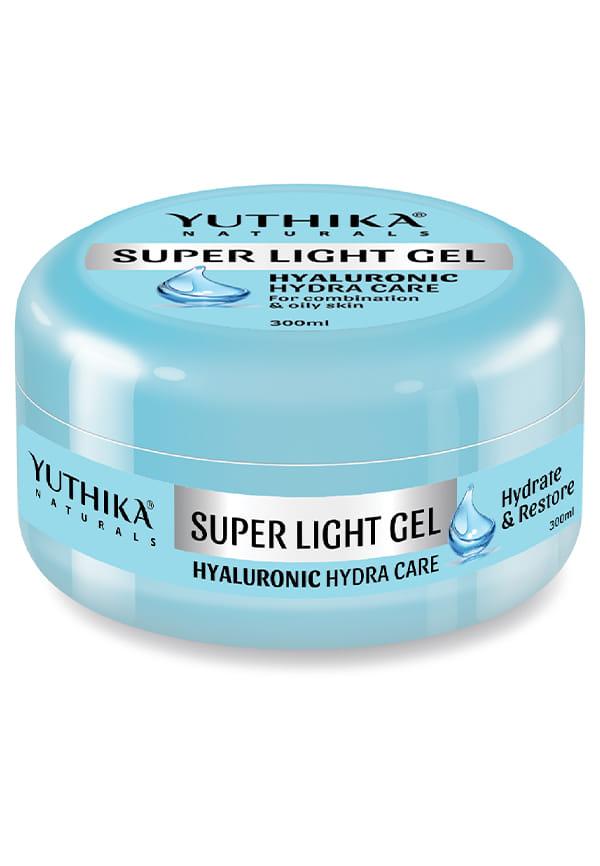
Super Light Gel Face Moisturizer With Hyaluronic Acid
When choosing between gel and cream formulations, the ingredient list matters more than the texture alone. Oil-free moisturisers should be your starting point, but look deeper into what's actually providing the hydration and additional benefits. Hyaluronic acid is a superstar ingredient for oily skin because it can hold up to 1,000 times its weight in water without adding any oily residue. It plumps the skin with moisture whilst maintaining that fresh, non-greasy feel that oily skin types crave. Niacinamide deserves a special mention for oily skin concerns. This form of vitamin B3 helps regulate sebum production, minimises the appearance of pores, and provides anti-inflammatory benefits that can calm reactive, acne-prone skin. Many gel moisturisers incorporate niacinamide for these exact reasons. Salicylic acid in low concentrations can provide gentle exfoliation whilst moisturising, helping to keep pores clear without over-drying. Ceramides help maintain the skin barrier without heaviness, ensuring your skin stays protected whilst feeling comfortable. Avoid ingredients like heavy plant oils, petroleum-based ingredients, or thick butters if your skin is particularly prone to congestion. Fragrance can also be irritating for oily, sensitive skin types.
Not all oily skin is created equal, and your specific subtype should influence your moisturiser choice. If your skin is oily but not particularly acne-prone, you might have more flexibility to experiment with lightweight creams, especially during drier months. Acne-prone oily skin typically responds better to gel formulations that won't exacerbate breakouts. Look for products specifically labelled as non-comedogenic and avoid anything with pore-clogging ingredients. Sensitive oily skin needs extra consideration. Some gel formulations can contain alcohol or strong actives that might irritate reactive skin. In this case, a gentle, fragrance-free cream might actually be less irritating than a gel with potentially harsh ingredients. The best way to determine what works for your skin is through patch testing. Apply a small amount of product to your inner arm and wait 24-48 hours to check for any reaction. When trying a new moisturiser on your face, introduce it gradually – perhaps using it every other day initially to see how your skin responds. Consider your climate and lifestyle too. If you live in a humid environment or exercise frequently, a gel will likely feel more comfortable. Dry climates or air-conditioned environments might call for something slightly richer.
Your moisturiser choice affects how you structure the rest of your skincare routine. In the morning, apply your chosen moisturiser after any serums but before SPF. Gel moisturisers typically layer beautifully under sunscreen without pilling, whilst creams might need a few extra minutes to absorb fully. Evening routines offer more flexibility. If you're using active ingredients like retinoids or AHAs, apply your moisturiser afterwards to help buffer any potential irritation. Some people with oily skin find they can skip moisturiser entirely after using certain oil-based serums, but this depends on your individual skin needs. Layering is key for oily skin. Start with the thinnest consistency products and work up to thicker ones. A hydrating serum followed by a gel moisturiser often provides better hydration than a heavy cream alone, without the weight or potential for clogged pores. Seasonal adjustments are important too. You might use a gel moisturiser in summer and switch to a lightweight cream in winter, or use different products for day and night based on your skin's changing needs.
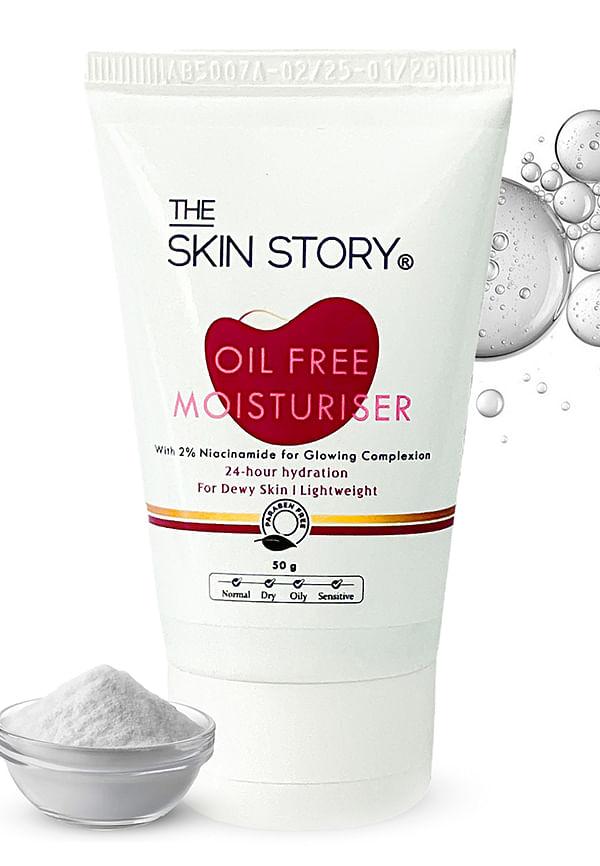
Oil Free Moisturiser For Acne Prone Oily Skin With 2% Niacinamide
For most oily skin types, gel moisturisers are the better choice because they provide hydration without adding extra oils or clogging pores. Gels absorb quickly, won't interfere with makeup application, and typically contain ingredients that help control excess sebum production. However, some people with oily skin might need a lightweight cream during winter months or if they have combination skin with drier areas.
Gel moisturisers work well for oily skin in most climates, but extremely dry or cold environments might require additional hydration. In very humid conditions, gels are perfect as they won't add to the moisture in the air. In dry climates, you might need to layer a hydrating serum under your gel moisturiser or switch to a lightweight cream during particularly harsh weather.
The main disadvantages of gel moisturisers include potentially insufficient hydration for very dry skin areas, possible irritation from alcohol-based formulas, and limited barrier repair properties compared to cream formulations. Some gel moisturisers can also feel sticky if they contain high amounts of certain humectants without proper formulation balance.
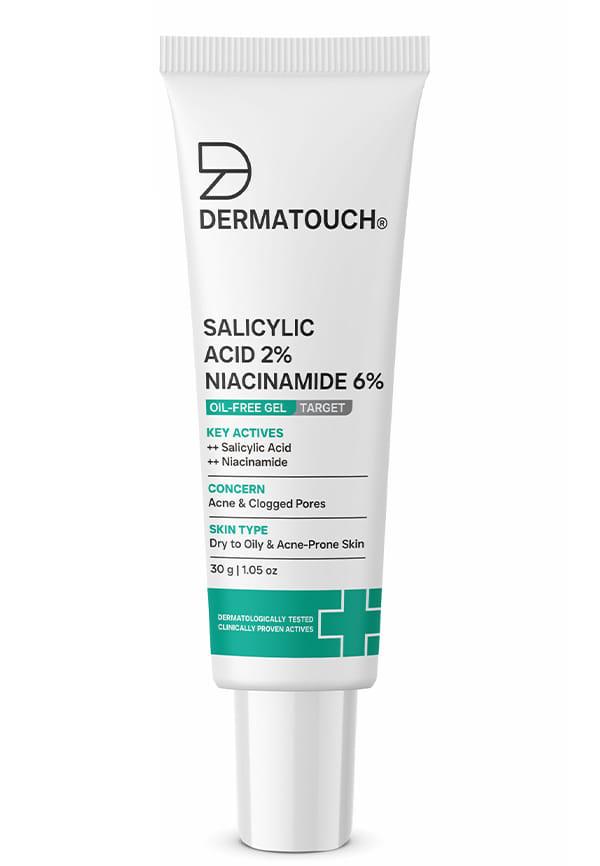
Salicylic Acid 2% Niacinamide 6% Anti-Acne Oil-Free Gel
Non-comedogenic gel moisturisers are typically best for acne-prone oily skin. Look for formulations containing niacinamide, salicylic acid, or zinc oxide that can help prevent clogged pores whilst providing necessary hydration. Avoid heavy creams, oil-based products, or anything with pore-clogging ingredients like coconut oil or heavy silicones.
Absolutely! Many people with combination skin use gel moisturisers on their T-zone and lightweight creams on drier areas like cheeks. You can also use different formulations for day and night, or switch between seasons. The key is listening to your skin's needs and adjusting accordingly.
Signs that your moisturiser isn't right for oily skin include increased breakouts, excessive shine within hours of application, clogged pores, or a heavy, uncomfortable feeling on the skin. Your skin should feel hydrated but not greasy, and makeup should apply smoothly over your moisturiser.
Choosing between gel and cream moisturisers for oily skin doesn't have to be an either-or decision. The best approach is understanding your skin's specific needs, considering factors like climate, age, and sensitivity levels, and being willing to adjust your routine as these factors change. Most oily skin types will find their sweet spot with a well-formulated gel moisturiser that provides hydration without heaviness. However, don't be afraid to experiment with lightweight creams if your skin seems to need extra nourishment, particularly during seasonal changes or as you age. The beauty of modern skincare is having access to so many options. Platforms like Smytten make it easier to discover what works for your unique skin without committing to full-size products immediately. With over 28 million users exploring curated selections from trusted brands, you're not alone in this journey to find your perfect moisturiser match. If you're curious about trying different formulations but not ready to invest in full sizes, Smytten also offers minis from many leading skincare brands, letting you test various gel and cream options before making your final choice. Remember, the best moisturiser for your oily skin is the one you'll actually use consistently. Whether that's a refreshing gel that absorbs in seconds or a lightweight cream that provides extra comfort, consistency in your routine matters more than perfection in product choice.
