Fungal Folliculitis vs. Acne in India: Your FAQ Answered

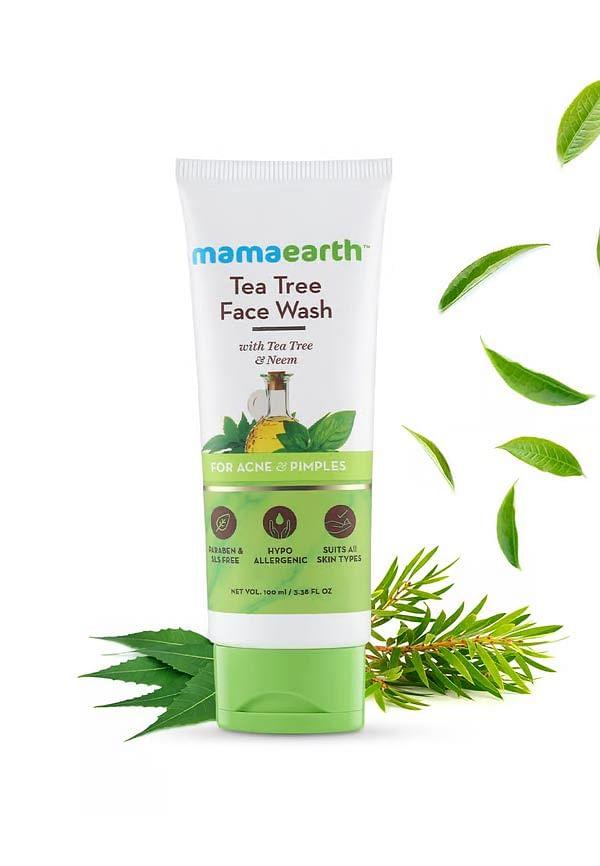
Tea Tree Facewash For Acne & Pimples
That persistent cluster of itchy bumps on your forehead isn't budging despite your usual acne routine. Sound familiar? You're not alone. Across India's humid climate, countless people mistake fungal folliculitis for regular acne, leading to months of ineffective treatments. The truth is, what looks like acne might actually be a completely different skin infection that requires a totally different approach. Real talk: understanding this difference could save you from weeks of frustration and finally give your skin the relief it's been craving.
Fungal folliculitis, also known as pityrosporum folliculitis, occurs when Malassezia yeast overgrows in your hair follicles. Unlike bacterial acne, this condition thrives in India's warm, humid environment. The yeast that naturally lives on your skin suddenly multiplies, creating those frustrating clusters of uniform bumps that many call "fungal acne." Worth noting: it's not technically acne at all, which explains why your usual spot treatments aren't working.
India's climate creates ideal conditions for skin inflammation and fungal overgrowth. High humidity levels, especially during monsoon season, trap moisture against your skin. Combined with increased sweating from temperatures that regularly exceed 30°C, your skin becomes a breeding ground for yeast proliferation. Cities like Mumbai, Chennai, and Kolkata see particularly high rates of fungal skin conditions due to their coastal humidity.
Northern states experience seasonal spikes during summer months, whilst southern coastal regions deal with year-round humidity challenges. Scalp folliculitis becomes especially common in Kerala and West Bengal, where traditional oil-based hair treatments can exacerbate yeast overgrowth when combined with high moisture levels.
The confusion between these two conditions costs people months of ineffective treatment. Here's how to spot the real differences that matter for your skin.
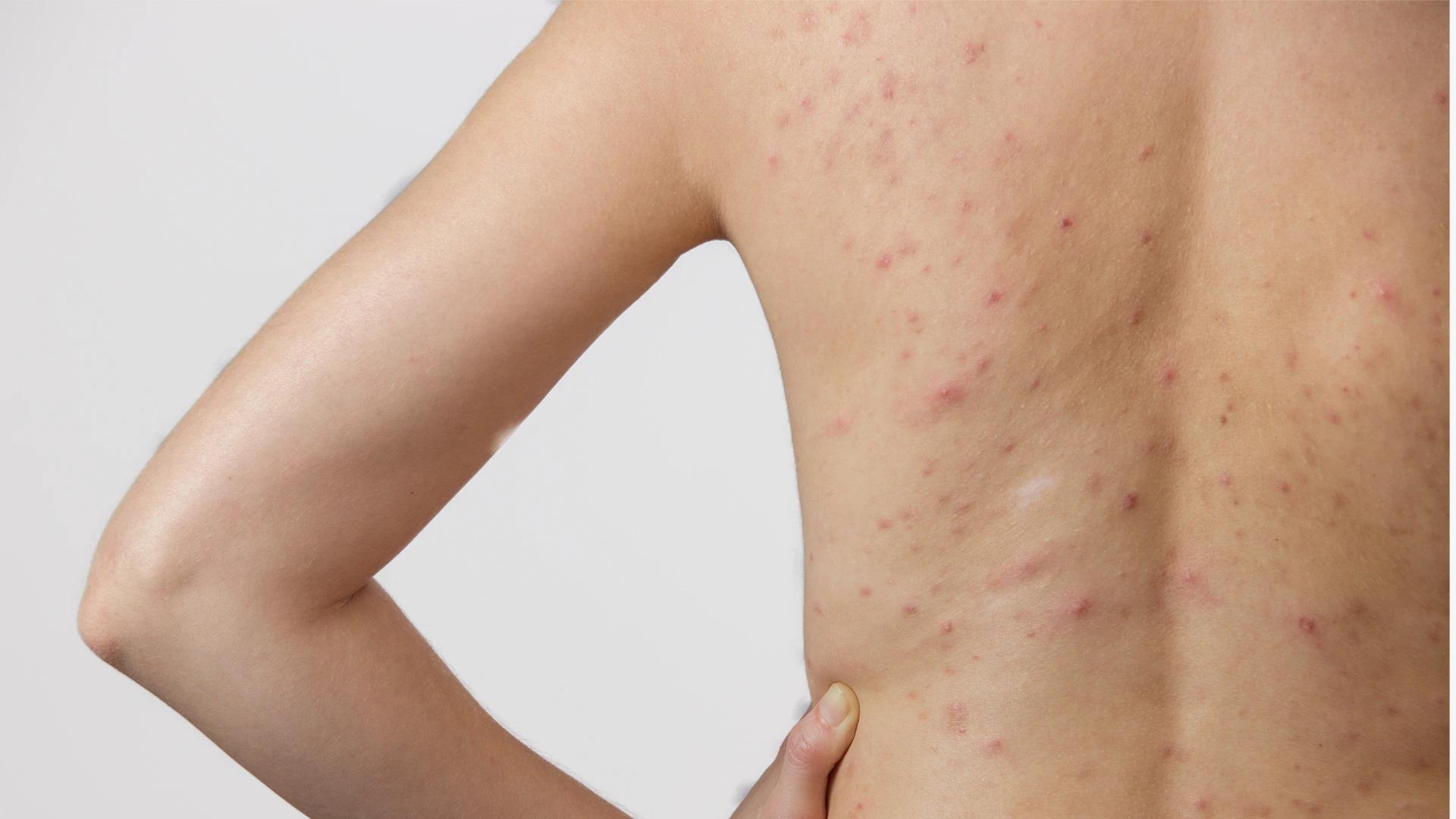
Fungal folliculitis appears as uniform, small bumps clustered together, typically 1-2mm in size. Regular acne varies dramatically - you'll see blackheads, whiteheads, and inflamed cysts of different sizes scattered across your face. The fungal version creates an almost "rash-like" appearance, whilst acne looks more random and varied. Colour-wise, fungal bumps tend to be flesh-toned or slightly red, never the deep, angry red of inflamed acne.
This is where the difference becomes crystal clear. Fungal folliculitis always itches - intensely and persistently. Traditional acne rarely itches unless you're having an allergic reaction to a product. If you find yourself constantly wanting to scratch those bumps, especially after sweating or during humid weather, you're likely dealing with a fungal issue rather than bacterial acne.
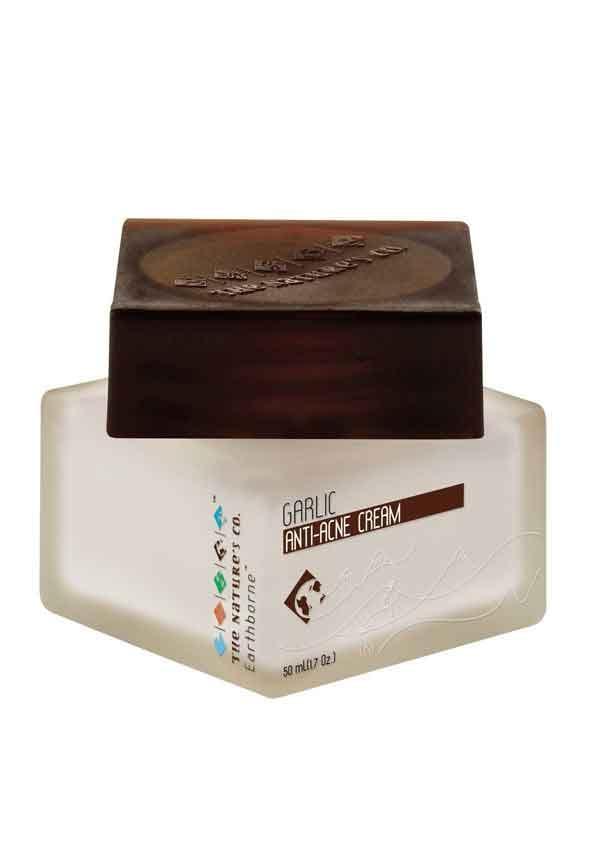
Garlic Anti-Acne Cream
Recognition becomes easier when you know exactly what to look for, especially considering how Indian weather patterns affect these symptoms.
The most telling sign is itchy bumps on skin that worsen with heat and humidity. These bumps appear in clusters, never as isolated spots. They're persistent - lasting weeks or months without proper treatment. Unlike acne, they don't come and go with hormonal cycles. Instead, they remain stubbornly consistent, often worsening during India's peak summer months from April to June.
Your face, particularly the forehead and cheeks, often shows the first signs. The chest and back follow, especially areas where clothing traps sweat. Scalp folliculitis becomes common among those using coconut oil or other traditional hair treatments. Arms and shoulders also frequently develop these clusters, particularly in people who exercise regularly or work in non-air-conditioned environments.
If your symptoms persist beyond three weeks, spread to new areas, or significantly impact your daily comfort, it's time for targeted skin inflammation treatment. Increased itching intensity, especially at night, signals that the condition is progressing and needs intervention.
Effective folliculitis treatment requires antifungal approaches, not the antibacterial methods used for regular acne. Here's what actually works in Indian conditions.
Ketoconazole cream or shampoo remains the gold standard, readily available at Indian pharmacies without prescription. Apply 2% ketoconazole cream twice daily to affected areas. For scalp folliculitis, use ketoconazole shampoo three times weekly, leaving it on for 5-10 minutes before rinsing. Clotrimazole offers a gentler alternative for sensitive skin, though it may take longer to show results.
Persistent cases often require oral antifungals. Fluconazole, typically prescribed as 150mg weekly for 4-6 weeks, proves highly effective. Itraconazole offers another option, usually given as 200mg daily for two weeks. These require dermatologist supervision and aren't suitable during pregnancy or for those with liver conditions.
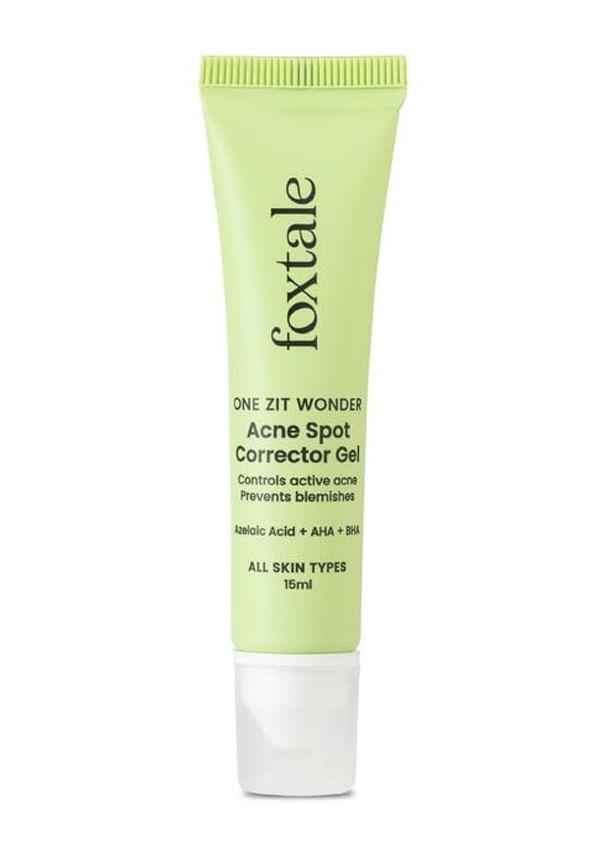
Acne Spot Corrector with Salicylic Acid & Azealic Acid
Prevention becomes crucial in India's challenging climate. Choose breathable, cotton clothing over synthetic fabrics. Shower immediately after sweating, using antifungal body washes containing selenium sulfide or tea tree oil. Avoid oil-based hair products during humid months, opting for water-based alternatives instead.
Understanding why your usual acne routine isn't working helps prevent further skin damage and frustration.
Benzoyl peroxide, salicylic acid, and other acne-fighting ingredients can actually worsen fungal folliculitis by disrupting your skin barrier. Antibiotics, whether topical or oral, may temporarily reduce inflammation but won't address the underlying yeast overgrowth. Some antibiotics can even promote fungal growth by eliminating competing bacteria.
Oil-based moisturisers and cleansers provide food for Malassezia yeast. Heavy, occlusive makeup traps moisture and heat, creating perfect conditions for fungal proliferation. Even some "non-comedogenic" products contain ingredients like fatty acids that yeast loves to feed on.
Long-term management requires adapting your routine to India's unique environmental challenges.
Morning routines should focus on antifungal cleansers and lightweight, water-based moisturisers. Evening care involves gentle cleansing followed by antifungal treatments. During monsoon season, consider using antifungal powder in areas prone to sweating. Air conditioning helps, but ensure you're not over-drying your skin, which can trigger increased oil production.
Choose loose-fitting, breathable clothing made from natural fibres. Change out of sweaty clothes immediately after exercise or outdoor activities. For hair care, avoid heavy oils during humid months, opting for lighter serums or leave-in treatments. Regular pillow case changes become essential, as yeast can survive on fabrics.
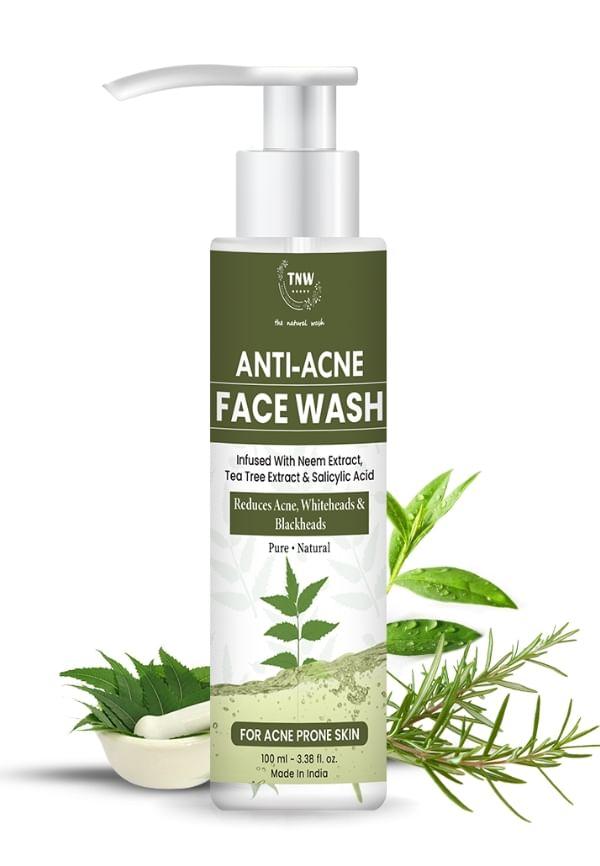
Anti-Acne Face Wash For Acne & Blemishes
The key difference lies in the itch factor and appearance. Fungal folliculitis always causes intense itching and appears as uniform, clustered bumps. Regular acne varies in size and type, rarely itches, and often feels painful when inflamed. Fungal conditions also worsen with heat and humidity, whilst acne follows hormonal patterns.
Look for persistent itching without pain, uniform bump clusters, and worsening during hot, humid weather. If your condition hasn't responded to traditional acne treatments after 4-6 weeks, it's likely fungal. The bumps typically appear flesh-toned or slightly pink, never the deep red of inflamed acne.
Mild cases respond well to topical antifungals like ketoconazole or clotrimazole applied twice daily. Severe or persistent cases require oral antifungals such as fluconazole, prescribed by a dermatologist. Treatment typically takes 4-8 weeks, with improvement visible within 2-3 weeks of starting proper antifungal therapy.
Mild cases occasionally resolve naturally, especially when environmental triggers are removed. However, most cases require targeted antifungal treatment. Without proper care, the condition often becomes chronic and may worsen during humid seasons. Early intervention prevents long-term skin damage and scarring.
Yes, through consistent preventive measures. Use antifungal body washes during humid months, choose breathable clothing, and maintain good hygiene after sweating. Avoid oil-based hair and skincare products during peak humidity seasons. Regular use of antifungal shampoos can prevent scalp folliculitis in high-risk individuals.
Most people see improvement within 2-3 weeks of starting proper antifungal treatment. Complete resolution usually takes 6-8 weeks for topical treatments, or 4-6 weeks with oral medications. Maintenance therapy may be needed during humid seasons to prevent recurrence.
No, fungal folliculitis isn't contagious between people. The Malassezia yeast naturally exists on everyone's skin. The condition develops when environmental factors like humidity, sweating, and certain products create conditions for yeast overgrowth. Family members may develop similar issues due to shared environmental factors, not transmission.
Distinguishing between fungal folliculitis and regular acne can transform your skincare journey, especially in India's challenging climate. The key lies in recognising that persistent, itchy clusters of uniform bumps require antifungal treatment, not traditional acne care. Your skin will notice the difference once you start addressing the actual cause rather than treating symptoms.
For those exploring new skincare solutions, platforms like Smytten offer access to curated antifungal and gentle skincare products from trusted brands. With over 28 million users discovering products through trial-sized options, it's easier than ever to find what works for your specific skin needs. Whether you're dealing with fungal acne or traditional breakouts, having access to quality products makes all the difference in your skin's health and comfort.
