Fungal Acne FAQ: What It Is & How It Differs From Regular Acne on Indian Skin

Clear Skin Pimple Patch
That stubborn, itchy 'acne' that won't respond to your usual treatments might not be acne at all. If you've been battling persistent bumps on your chest, back, or forehead that seem to multiply during Mumbai's monsoon or Delhi's humid summers, you could be dealing with fungal acne. This condition is surprisingly common in India's climate, yet it's often misdiagnosed and treated incorrectly for months. Understanding what fungal acne is and how it differs from regular acne on Indian skin can save you time, money, and frustration in your skincare journey.
Fungal acne isn't actually acne at all—it's a type of folliculitis caused by an overgrowth of yeast called Malassezia. Also known as pityrosporum folliculitis or malassezia folliculitis, this condition occurs when the naturally occurring Malassezia yeast on your skin multiplies excessively within hair follicles. Unlike bacterial acne, which involves clogged pores and inflammation from bacteria, fungal acne is purely a yeast-related skin condition that requires completely different treatment approaches.
The Malassezia yeast lives naturally on everyone's skin, but certain conditions cause it to overgrow and trigger inflammation. When this happens, you'll notice small, uniform bumps that often appear in clusters. These bumps are typically the same size and shape, unlike regular acne which varies dramatically in appearance. The yeast feeds on oils and creates an inflammatory response in the follicle, leading to those persistent, itchy bumps that seem impossible to clear.
India's tropical and subtropical climate creates the perfect storm for fungal acne development. With humidity levels often exceeding 60% year-round in most regions, combined with temperatures that encourage sweating, the Malassezia yeast thrives. Cities like Chennai, Kolkata, and Mumbai see particularly high rates of fungal acne due to their coastal humidity. Additionally, the frequent use of heavy oils in traditional Indian skincare routines can inadvertently feed the yeast, making the condition more persistent.
The most frustrating aspect of fungal acne is how closely it can resemble regular acne, leading to months of ineffective treatment. However, once you know what to look for, the differences become quite clear.
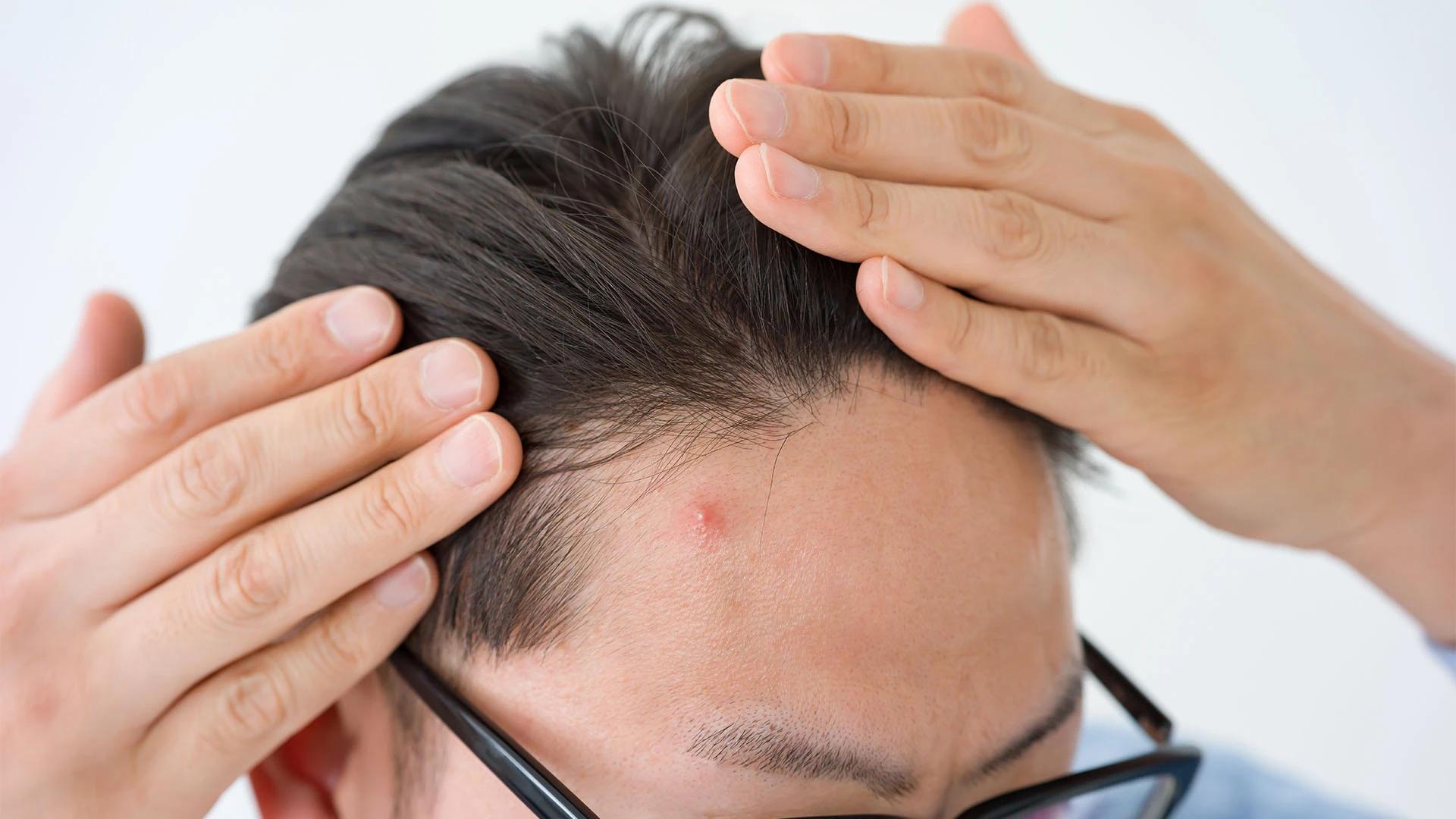
Fungal acne presents as small, uniform bumps that are typically 1-2mm in diameter. They appear in clusters and maintain a consistent size and shape across the affected area. The key distinguishing feature is the persistent itching sensation—regular acne rarely itches, but fungal acne almost always does. These bumps often have a slightly flesh-coloured or white appearance and may develop small whiteheads that look similar to comedonal acne.
Regular acne, on the other hand, shows much more variety. You'll see blackheads, whiteheads, papules, pustules, and potentially cysts all in different sizes. The distribution is typically random rather than clustered, and the bumps vary significantly in size and appearance. Most importantly, regular acne is generally not itchy unless you're experiencing significant inflammation.
Tea Tree Facewash For Acne & Pimples
On Indian skin, fungal acne commonly appears on the chest, upper back, shoulders, and forehead—areas that tend to be oilier and more prone to sweating. The condition often worsens in areas where clothing fits tightly or where sweat accumulates. After the active bumps heal, they may leave behind post-inflammatory hyperpigmentation (PIH), which appears darker on Indian skin tones and can take months to fade without proper treatment.
Perhaps the most telling difference is how each condition responds to treatment. Fungal acne will not improve with traditional acne treatments like benzoyl peroxide or salicylic acid. In fact, these treatments may make fungal acne worse by disrupting the skin barrier without addressing the underlying yeast overgrowth. If you've been using acne treatments for weeks without improvement, or if your condition seems to worsen with traditional treatments, fungal acne should be strongly suspected.
Understanding what triggers fungal acne in Indian conditions helps explain why it's so prevalent and persistent in our climate.
India's high humidity creates an ideal environment for Malassezia yeast growth. During monsoon season, humidity levels can reach 80-90%, creating perfect conditions for skin fungal infection. Excessive sweating from heat, combined with tight clothing that traps moisture, further encourages yeast proliferation. Even air conditioning can contribute—the constant transition between hot, humid outdoor air and cool, dry indoor environments can disrupt your skin's natural balance.
Traditional Indian diets, while nutritious, can sometimes contribute to fungal acne development. High consumption of refined carbohydrates, sugary foods, and processed items can promote yeast growth throughout the body, including on the skin. The Malassezia yeast feeds on sugars and oils, so diets high in these components may exacerbate the condition. Additionally, stress from urban living and irregular sleep patterns can weaken immune function, making it harder for your body to keep yeast levels in check.
Many popular skincare ingredients can worsen fungal acne. Coconut oil, olive oil, and other heavy oils commonly used in Indian skincare routines provide food for Malassezia yeast. Thick, occlusive moisturisers and products containing certain fatty acids can also trigger flare-ups. Even some supposedly 'natural' ingredients like honey or certain plant oils can feed the yeast and perpetuate the cycle.
Successful fungal acne treatment requires a completely different approach from regular acne management. The goal is to reduce yeast overgrowth while maintaining skin barrier function.
Acne Clear Face Wash
Ketoconazole shampoo used as a face wash is often the first line of treatment. Apply it to affected areas, leave for 3-5 minutes, then rinse thoroughly. This should be done 2-3 times per week initially. Selenium sulfide is another effective option, though it can be drying and should be used carefully on facial skin. Zinc pyrithione products are gentler and can be used more frequently, making them suitable for sensitive Indian skin that may react to stronger antifungals.
Your entire skincare for fungal acne routine needs to be fungal acne-safe. This means avoiding oils, heavy moisturisers, and products containing ingredients that feed Malassezia. Look for lightweight, oil-free formulations with ingredients like niacinamide, which can help regulate oil production without feeding yeast. Gentle cleansers that don't strip the skin barrier are essential, as over-cleansing can worsen the condition.
Preventing fungal acne recurrence requires ongoing lifestyle and skincare modifications tailored to Indian climate conditions.
Your routine should change with the seasons. During monsoon, focus on lightweight, quick-absorbing products that won't trap moisture. In summer, prioritise oil-free formulations and ensure you're cleansing properly after sweating. Post-workout skincare is crucial—shower immediately after exercise and change out of sweaty clothes quickly to prevent yeast overgrowth.
While diet alone won't cure fungal acne, reducing refined sugars and processed foods can help prevent flare-ups. Focus on anti-inflammatory foods common in Indian cuisine like turmeric, ginger, and green leafy vegetables. Staying well-hydrated is particularly important in hot climates, as proper hydration supports overall skin health and immune function.
With proper antifungal treatment, you should see improvement within 2-4 weeks. However, complete clearance may take 6-8 weeks, and maintenance therapy is often needed to prevent recurrence, especially in India's humid climate.
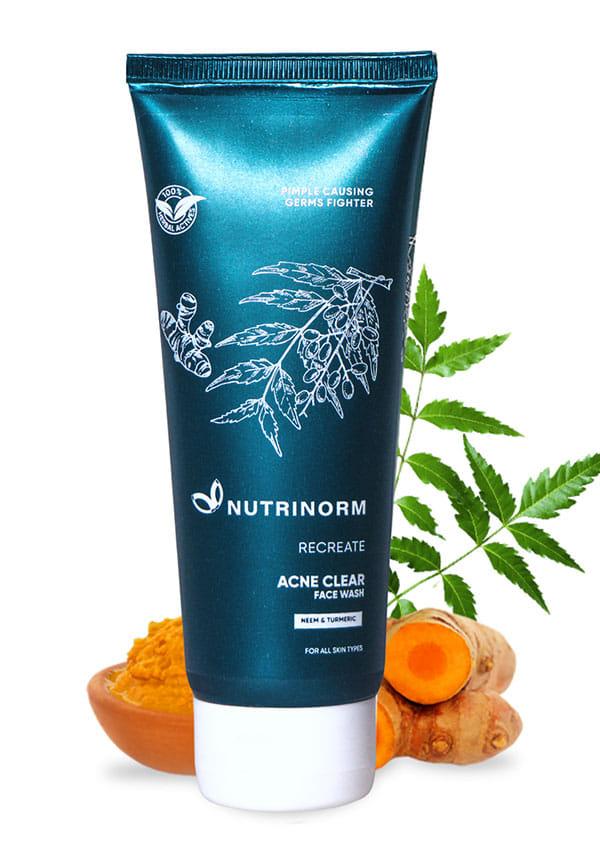
Acne Clear Face Wash
No, fungal acne is not contagious. It's caused by an overgrowth of yeast that naturally lives on everyone's skin, so it cannot be transmitted from person to person.
The high humidity during monsoon creates ideal conditions for Malassezia yeast growth. The combination of moisture, heat, and reduced air circulation allows the yeast to multiply more rapidly, leading to more severe breakouts.
It's best to avoid traditional acne treatments like benzoyl peroxide and salicylic acid when dealing with fungal acne, as they can be ineffective and potentially irritating. Focus on antifungal treatments and fungal acne-safe skincare products instead.
Most natural oils, including coconut oil, olive oil, and many essential oils, can feed Malassezia yeast and worsen fungal acne. Stick to oil-free or specifically fungal acne-safe formulations.
Unfortunately, fungal acne can recur, especially in humid climates like India's. Maintaining a fungal acne-safe skincare routine and being mindful of triggers can help prevent recurrence.
Understanding the difference between fungal acne and regular acne is crucial for effective treatment, particularly for those living in India's challenging climate conditions. The key is recognising the telltale signs—persistent itching, uniform bumps in clusters, and lack of response to traditional acne treatments. With proper identification and targeted antifungal treatment, most people see significant improvement within weeks.
Remember that managing fungal acne is often about long-term lifestyle adjustments rather than quick fixes. Your skin will notice the difference when you switch to appropriate treatments and fungal acne-safe products. If you're curious about trying new skincare products but want to test them first, Smytten offers trial-sized versions of many trusted brands, allowing you to discover what works for your skin without committing to full-size products that might not be suitable for fungal acne-prone skin.
