Fading Hyperpigmentation FAQ: Your Questions Answered

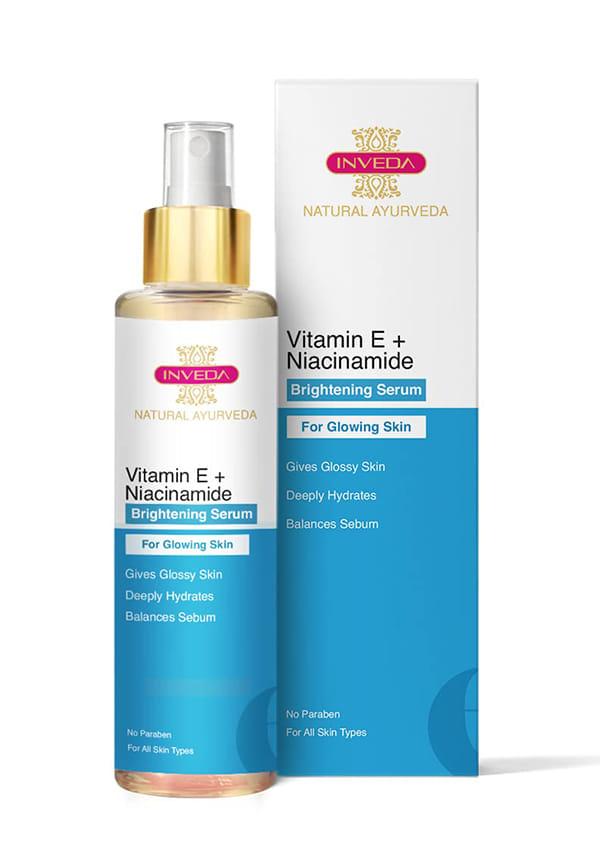
Vitamin E+Niacinamide Brightening Serum, Dark Spots, Oily Skin, Uneven Tone
Dark spots, uneven patches, and stubborn marks from old breakouts—if you've been dealing with hyperpigmentation, you're definitely not alone. Whether it's melasma that appeared during pregnancy, post-acne marks that refuse to budge, or sun damage from years of inadequate SPF protection, understanding why fading hyperpigmentation is essential for your skincare routine can transform how you approach your daily regimen. The truth is, hyperpigmentation isn't just a cosmetic concern—it's a sign that your skin needs targeted support to restore its natural balance and prevent further damage. With the right knowledge and consistent approach, achieving clearer, more even-toned skin is absolutely possible. Platforms like Smytten make it easier than ever to discover and trial effective hyperpigmentation treatments before committing to full-size products, ensuring you find what truly works for your unique skin needs.
Hyperpigmentation occurs when melanin production goes into overdrive due to inflammation, hormones, or UV damage—early intervention prevents deeper, harder-to-treat pigmentation
Consistent use of proven ingredients like vitamin C, niacinamide, and retinoids can significantly reduce dark spots and even skin tone over 8-12 weeks
Daily SPF protection is non-negotiable—without it, even the best hyperpigmentation treatments will fail as new damage continues to occur
Building a targeted routine with gentle cleansing, active ingredients, and proper hydration creates the optimal environment for skin brightening
Different types of hyperpigmentation require tailored approaches—what works for post-acne marks may not be ideal for melasma or sun damage
Before diving into treatment strategies, it's crucial to understand what's actually happening beneath your skin's surface. Hyperpigmentation occurs when melanocytes—the cells responsible for producing melanin—become overactive and create excess pigment in localised areas. This process can be triggered by various factors including inflammation from acne, hormonal fluctuations, UV exposure, or even minor skin injuries.
The most common types of hyperpigmentation each have distinct characteristics and causes. Post-inflammatory hyperpigmentation (PIH) develops after acne, cuts, or other skin trauma, appearing as dark spots that can range from red to brown depending on your skin tone. Melasma typically presents as symmetrical patches on the face, often triggered by hormonal changes during pregnancy or from oral contraceptives. Sun damage, meanwhile, manifests as age spots or solar lentigines, usually appearing on areas with the most UV exposure like the face, hands, and décolletage.
What makes hyperpigmentation particularly stubborn is that without proper intervention, it tends to worsen over time. UV exposure continues to stimulate melanin production in already-pigmented areas, making them darker and more pronounced. Additionally, picking at spots or using harsh treatments can create more inflammation, leading to a frustrating cycle of new pigmentation forming just as you're trying to fade existing marks.
Real talk—addressing hyperpigmentation goes far beyond wanting Instagram-ready skin. When you prioritise fading dark spots and achieving even skin tone, you're investing in your skin's long-term health and resilience. Early intervention prevents superficial pigmentation from settling deeper into the dermis, where it becomes significantly more challenging and expensive to treat.
From a practical standpoint, consistent hyperpigmentation treatment actually saves money in the long run. The longer you wait to address dark spots, the more intensive (and costly) treatments become. Professional procedures like chemical peels, laser therapy, or IPL can cost thousands of pounds, whilst a well-planned at-home routine using effective ingredients can deliver impressive results for a fraction of the price.
There's also the confidence factor that shouldn't be underestimated. Many people find that uneven skin tone affects how they feel about going makeup-free or being photographed in natural light. When your skin looks clearer and more even, you naturally feel more comfortable in your own skin—and that confidence radiates in everything you do.
Perhaps most importantly, building a routine focused on reducing skin discoloration teaches you to pay attention to your skin's needs and respond proactively rather than reactively. This mindful approach to skincare often leads to better overall skin health, fewer breakouts, and a stronger skin barrier that can better protect against future damage.
The key to successful dark spot removal lies in understanding which ingredients have solid scientific backing and how to use them effectively. Vitamin C remains one of the most researched and effective ingredients for inhibiting melanin production whilst providing antioxidant protection against further damage. Look for stable forms like magnesium ascorbyl phosphate or sodium ascorbyl phosphate, which are less likely to oxidise and irritate sensitive skin.
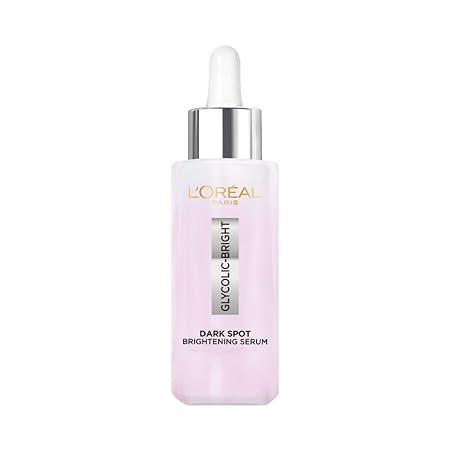
Niacinamide deserves special mention for its gentle yet effective approach to skin brightening. This form of vitamin B3 works by preventing the transfer of melanin to skin cells, gradually fading existing dark spots whilst improving overall skin texture. The L'Oreal Paris Glycolic Bright 8% [Melasyl+ Niacinamide] Face Serum combines the power of niacinamide with glycolic acid and Melasyl, a breakthrough ingredient that targets melanin production at its source, making it particularly effective for stubborn hyperpigmentation that hasn't responded to other treatments.
Retinoids accelerate cell turnover, helping to shed pigmented skin cells more quickly whilst stimulating the production of fresh, healthy skin. Start with a low concentration retinol or retinyl palmitate if you're new to retinoids, gradually building tolerance before moving to stronger formulations. Alpha hydroxy acids (AHAs) like glycolic and lactic acid work similarly by exfoliating the skin's surface, revealing brighter skin underneath.
Consistency is absolutely crucial—most people see initial improvements around 4-6 weeks, with significant results becoming apparent after 8-12 weeks of regular use. The biggest mistake people make is switching products too frequently or expecting overnight results. Your skin needs time to complete its natural renewal cycle, so patience and persistence are essential for achieving clearer skin.
Creating an effective routine for hyperpigmentation treatment requires strategic layering and timing. Your morning and evening protocols should work together to maximise ingredient efficacy whilst protecting your skin from further damage.
Start with a gentle cleanser that removes overnight treatments without stripping your skin. Follow with a vitamin C serum applied to clean, dry skin—this provides antioxidant protection and melanin inhibition throughout the day. Allow the serum to absorb completely before applying a lightweight moisturiser suitable for your skin type.
The final and most crucial step is broad-spectrum SPF 30 or higher. Without proper sun protection, even the most effective hyperpigmentation treatments will fail as new UV damage continues to stimulate melanin production. Reapply every two hours if you're spending time outdoors, and don't forget often-missed areas like your ears, neck, and the backs of your hands.
Evening is when you can introduce more potent active ingredients for sun damage repair and accelerated cell renewal. Begin with double cleansing if you wear makeup or sunscreen—an oil-based cleanser followed by a water-based one ensures thorough removal of the day's buildup.
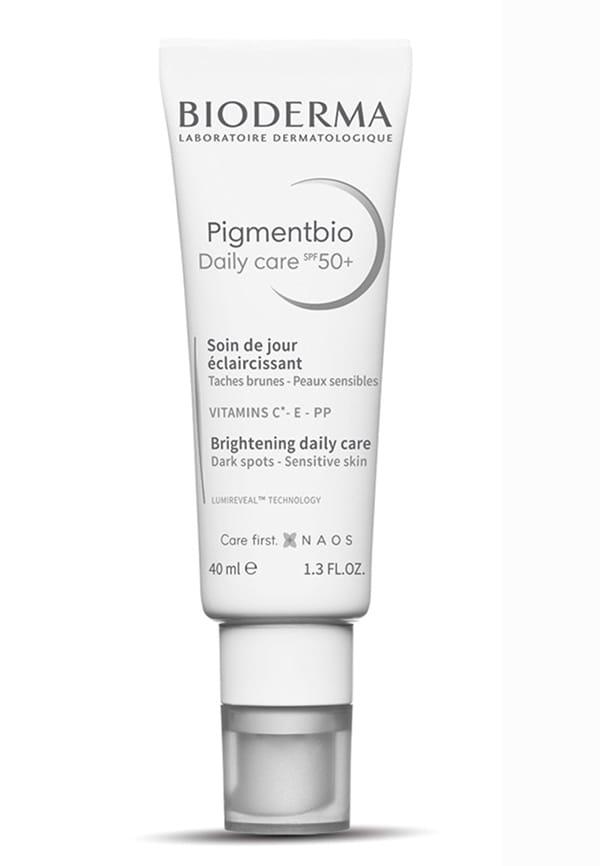
Pigmentbio Daily Care SPF 50+ Brightening Cream for Dark Spots & Senstive Skin
Apply your chosen active ingredient (retinoid, AHA, or targeted treatment serum) to clean, dry skin. Start slowly with these ingredients—perhaps every other night initially—to build tolerance and avoid irritation that could lead to more pigmentation. Follow with a nourishing moisturiser to support your skin barrier and prevent dryness that can exacerbate hyperpigmentation.
Hyperpigmentation treatment isn't one-size-fits-all, particularly when it comes to different skin tones and sensitivities. Darker skin tones are more prone to post-inflammatory hyperpigmentation but may be more sensitive to certain ingredients like high-concentration AHAs or aggressive treatments that can trigger more pigmentation.
For sensitive skin dealing with melasma solutions, gentle ingredients like azelaic acid, kojic acid, and lower concentrations of vitamin C can be effective without causing irritation. Azelaic acid is particularly brilliant because it's anti-inflammatory, antibacterial, and helps normalise skin cell turnover—making it ideal for those dealing with both acne and resulting dark spots.
Professional treatments can certainly accelerate results, but they're not always necessary for achieving significant improvement. Chemical peels, microneedling, and laser treatments should be performed by qualified professionals and may require multiple sessions. However, many people achieve excellent results with consistent at-home care, especially when combined with proper sun protection.
The Korean approach to skincare for dark spots emphasises gentle, consistent care with multiple thin layers of hydrating and brightening ingredients. This philosophy of "less is more" often works well for sensitive skin types who can't tolerate stronger Western formulations. Ingredients like arbutin, liquorice root extract, and fermented rice water are staples in K-beauty routines for reducing skin discoloration.
The most effective routine combines gentle cleansing, targeted active ingredients, proper hydration, and religious SPF use. Morning: cleanser, vitamin C serum, moisturiser, SPF 30+. Evening: double cleanse, active ingredient (retinoid or AHA), nourishing moisturiser. Start slowly with actives and be consistent for 8-12 weeks to see significant results. Remember, what works varies by skin type, so consider trying products through platforms like Smytten before committing to full sizes.
Several factors could be slowing your progress: inconsistent product use, inadequate sun protection, using products that are too harsh (causing more inflammation), or simply not giving treatments enough time to work. Hyperpigmentation can take 3-6 months to fade significantly. If you're not seeing any improvement after 12 weeks of consistent use, consider consulting a dermatologist or adjusting your routine.
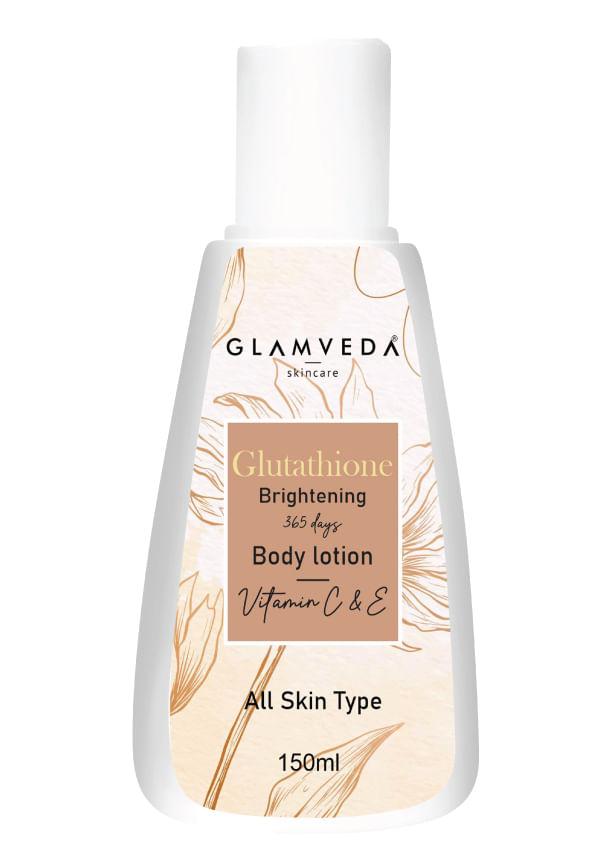
Glutathione Brightening Body Lotion Reduces dark spots & tanning with Vitamin C
Korean skincare focuses on gentle, multi-step routines with hydrating and brightening ingredients. Popular approaches include double cleansing, essence with fermented ingredients, serums containing arbutin or niacinamide, sheet masks for intensive hydration, and always finishing with SPF. The philosophy emphasises prevention and gentle treatment over aggressive intervention, often achieving excellent results through consistency and patience.
The 4-2-4 rule refers to a cleansing method: massage cleansing oil for 4 minutes, add water and massage for 2 minutes, then rinse for 4 minutes. This thorough cleansing ensures complete removal of makeup, sunscreen, and daily buildup without over-stripping the skin. For hyperpigmentation treatment, proper cleansing is crucial as it allows active ingredients to penetrate effectively.
Yes, but introduce them gradually and pay attention to your skin's response. Vitamin C in the morning pairs well with retinoids in the evening, whilst niacinamide can be used twice daily. Avoid combining multiple exfoliating acids (AHAs, BHAs) in the same routine initially. Always patch test new combinations and reduce frequency if you experience irritation, as inflamed skin can develop more pigmentation.
Initial improvements often appear around 4-6 weeks, with more significant results visible after 8-12 weeks of consistent use. Superficial pigmentation responds faster than deeper melasma or long-standing sun damage. Factors affecting timeline include skin type, pigmentation depth, product potency, and consistency of use. Remember, skin cell turnover takes approximately 28 days, so patience is essential for achieving clearer skin.
Fading hyperpigmentation is essential for your skincare routine because it prevents minor dark spots from becoming major skin concerns that require expensive professional intervention. The science is clear: early, consistent treatment with proven ingredients like vitamin C, niacinamide, and retinoids can significantly improve skin tone and texture over time.
Success lies in understanding your specific type of hyperpigmentation and choosing appropriate treatments accordingly. Whether you're dealing with post-acne marks, melasma, or sun damage, the foundation remains the same: gentle cleansing, targeted active ingredients, proper hydration, and unwavering commitment to daily SPF protection.
Remember that achieving even skin tone is a marathon, not a sprint. Consistency trumps intensity every time, and patience with the process will reward you with healthier, more resilient skin that glows from within. The investment you make in proper hyperpigmentation treatment today pays dividends in confidence, skin health, and long-term beauty for years to come.
Your journey to clearer, more even-toned skin doesn't have to involve guesswork or expensive mistakes. Smytten, India's largest product discovery and trial platform, connects you with over 2,400 trusted brands including skincare specialists like Cetaphil, Dot & Key, and WishCare. Through curated trial packs, you can explore effective hyperpigmentation treatments before committing to full-size purchases. With up to 10 Trial Points for just ₹279 and 100% cashback on trial purchases redeemable for future orders, discovering your perfect skin brightening routine becomes both affordable and rewarding. The platform's authentic, brand-verified minis ensure you're trying genuine products, whilst PAN-India delivery means effective treatments are accessible regardless of your location. With over 28 million users trusting Smytten for smarter skincare choices, you can confidently explore the world of hyperpigmentation treatments. After all, why settle for 'maybe' when you can #TryItAll and find what truly works for your unique skin needs?
