Facial Steam FAQ: Pores, Indian Skin Safety & Benefits

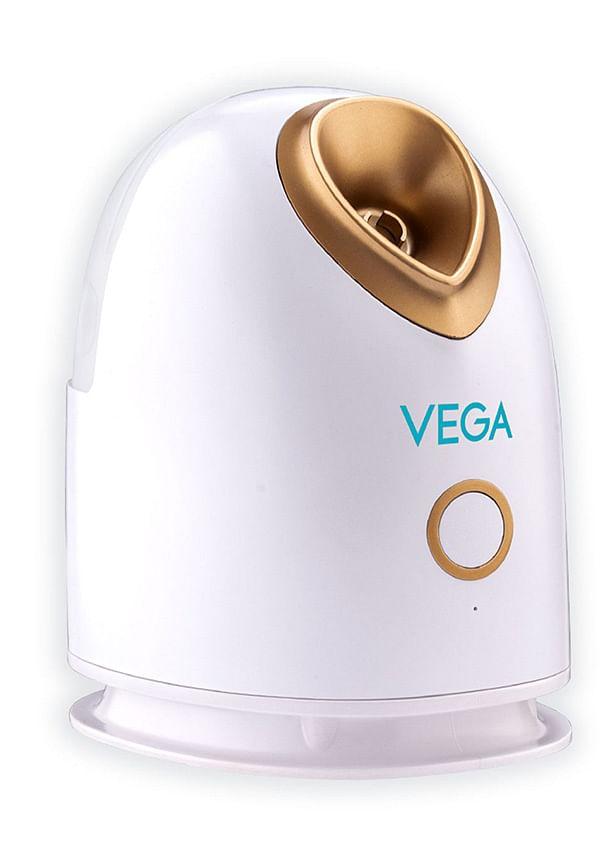
Mistify Facial Steamer for Men and Women
Ever wondered if that steamy ritual you see in skincare videos actually works for your pores? Or whether it's safe for Indian skin that's already dealing with humidity, pollution, and intense heat? You're not alone in questioning whether facial steaming is worth the hype. With so many conflicting opinions online, it's hard to know if opening your pores with steam will help or harm your skin. Let's dive into the science behind facial steaming and discover what actually works for our skin.
Facial steaming is the process of exposing your face to warm water vapour to temporarily dilate pores and soften the skin. When steam hits your face, the heat increases blood circulation and causes your pores to open slightly, making it easier to remove trapped sebum, dead skin cells, and debris.
Here's what actually happens during the steaming process: the warm vapour raises your skin's temperature, which softens the keratin plugs in your pores. This makes blackheads and whiteheads easier to extract safely. The increased circulation also brings fresh oxygen and nutrients to your skin cells, giving you that post-steam glow.
However, it's important to understand that pores don't actually "open" and "close" like doors. What we call pore opening is really the softening of the material inside them. The pore cleansing effect comes from this softening process, not from pores physically expanding.
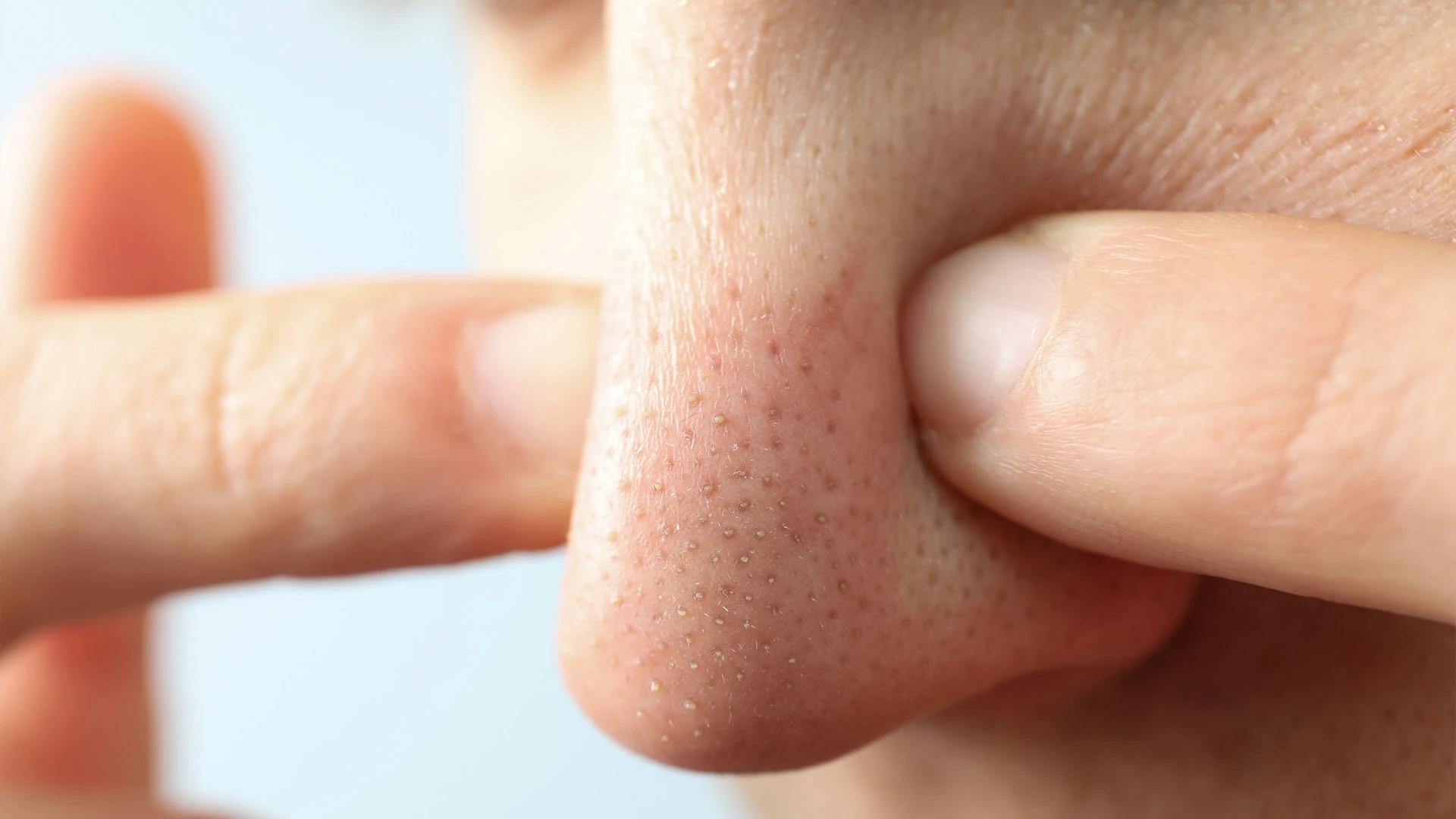
The benefits of facial steaming extend beyond just feeling pampered. For those dealing with blackheads, steaming can be particularly helpful as it softens the hardened sebum that creates those dark spots on your nose and chin.
Facial steam for blackheads works by loosening the oxidised oil trapped in your pores. After steaming, gentle extraction becomes much easier and less traumatic for your skin. Regular steaming can also help prevent new blackheads from forming by keeping pores clear.
For those with acne-prone skin, steaming can help by increasing circulation and promoting the natural shedding of dead skin cells. However, it's crucial to follow up with proper cleansing and avoid over-steaming, which can actually increase oil production.
One of the most practical benefits is how steaming prepares your skin to absorb skincare products better. After steaming, your niacinamide serums, moisturisers, and treatments can penetrate more effectively into the softened skin.
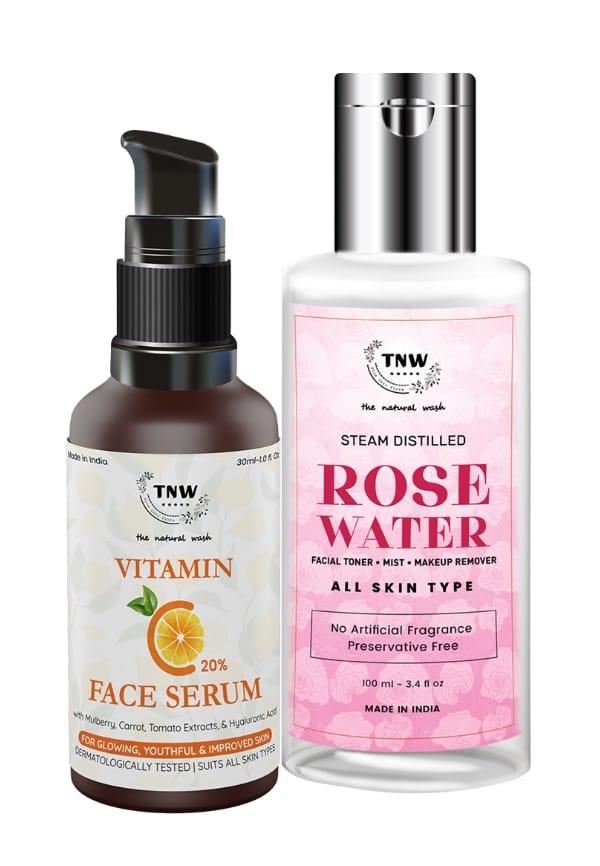
Steam Distilled Rose Water with Vitamin C Serum Reduce hyperpigmentation & Dark Spots
Indian skin has unique characteristics that make steaming both beneficial and potentially risky. Our skin is naturally more resilient due to higher melanin content, but it's also more prone to hyperpigmentation when irritated.
The Indian climate adds another layer of complexity. With high humidity levels in many regions, our skin is already exposed to moisture-rich air. Adding steam to already humid conditions can sometimes lead to over-hydration and subsequent breakouts, especially during monsoon season.
Melanin-rich skin can be more sensitive to heat-induced inflammation, which may trigger post-inflammatory hyperpigmentation. This is particularly important for those dealing with melasma or dark spots, as excessive heat can worsen these conditions.
However, when done correctly, steaming can be incredibly beneficial for Indian skin types. The key is moderation and proper technique. Many people with oily skin find that gentle steaming helps manage excess sebum production, especially in humid climates where pores can become easily clogged.
Creating an effective at home facial steam doesn't require expensive equipment. The traditional bowl method works just as well as fancy steamers when done properly.
Start by cleansing your face thoroughly to remove makeup and surface dirt. Boil water and pour it into a large bowl, then let it cool for 2-3 minutes until the steam is comfortable. Position your face 12-15 inches away from the bowl and drape a towel over your head to create a steam tent.
Steam for 5-10 minutes maximum. Any longer can lead to over-hydration and irritation. Keep your eyes closed and breathe normally through your nose. If you feel dizzy or uncomfortable at any point, take a break.
After steaming, immediately splash your face with cool water to help close the pores and follow with a gentle toner and moisturiser. This post-steam routine is crucial for maintaining the benefits without causing irritation.
Plain water steam is effective, but adding natural ingredients can boost the benefits for your specific skin concerns. For oily or acne-prone skin, try adding a few drops of tea tree oil or dried neem leaves to the water.
Rose petals or rose water can be soothing for sensitive skin, while a pinch of turmeric can help with inflammation and give you that natural glow. Chamomile flowers are excellent for calming irritated skin, making them perfect for those with reactive skin types.
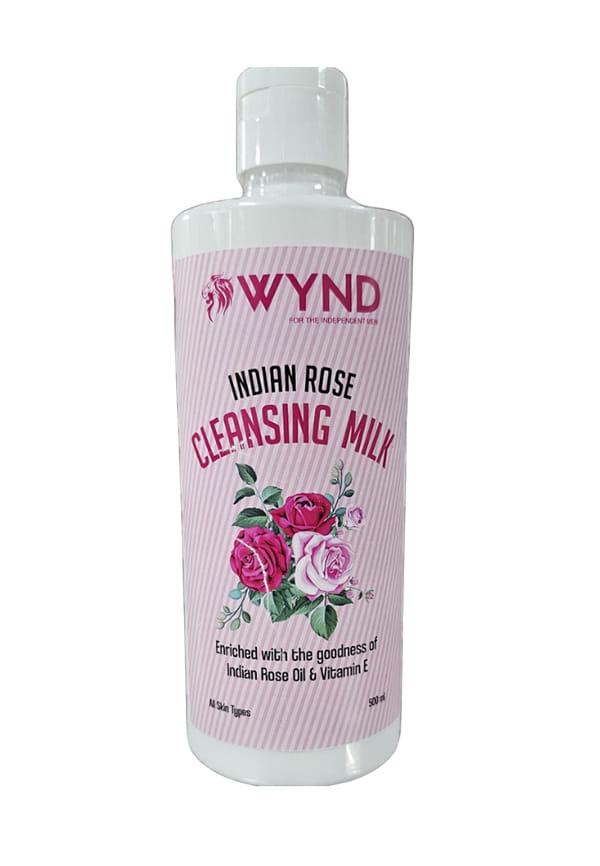
Indian Rose Cleansing Milk
However, avoid adding essential oils if you have sensitive skin, and never use ingredients you haven't patch-tested first. Sometimes, simple is better, especially when you're just starting with facial steaming.
While steaming can be beneficial, it's not suitable for everyone. Those with rosacea, broken capillaries, or very sensitive skin should avoid steaming as heat can worsen these conditions.
Common side effects include temporary redness, which should subside within 30 minutes. If redness persists or you experience burning, swelling, or increased breakouts, you may be steaming too frequently or at too high a temperature.
People with melasma or active hyperpigmentation should be particularly cautious, as heat can trigger melanin production and darken existing spots. If you have these conditions, consult a dermatologist before adding steaming to your routine.
Never steam immediately after using AHAs, retinoids, or other active ingredients, as this can increase sensitivity and irritation. Wait at least 24 hours after using strong actives before steaming.
The frequency of steaming depends entirely on your skin type and concerns. For most people, once or twice a week is sufficient to see benefits without over-stimulating the skin.
Those with oily skin might benefit from twice-weekly sessions, while people with dry or sensitive skin should limit steaming to once a week or even less frequently. During summer months or in particularly humid climates, you might want to reduce frequency to prevent over-hydration.
Daily steaming is generally not recommended by dermatologists, as it can disrupt your skin's natural barrier and lead to increased sensitivity. Your skin needs time to recover between steaming sessions.
Pay attention to how your skin responds. If you notice increased breakouts, irritation, or excessive dryness after steaming, reduce the frequency or take a break from the practice altogether.
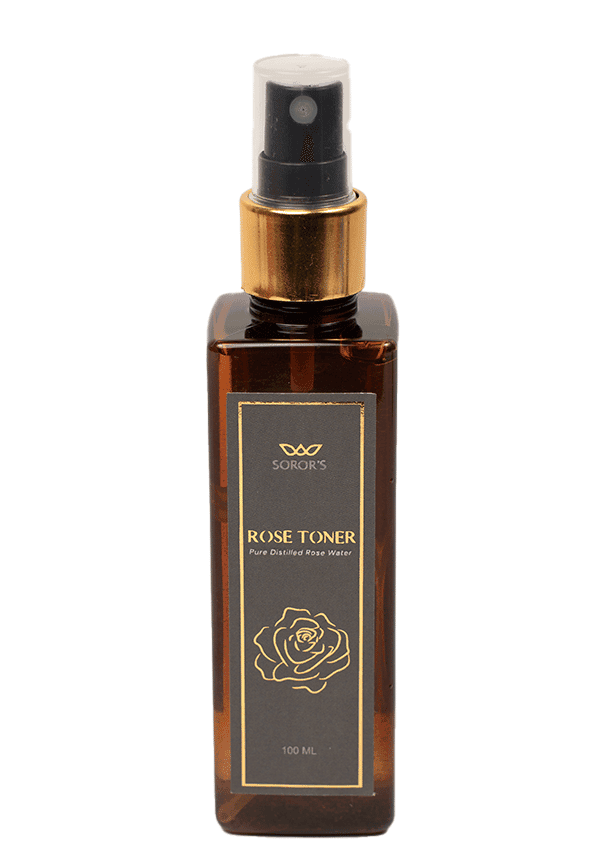
Pure Steam-Distilled Rose water | Astringent & Refreshing Face Toner
Daily steaming is not recommended as it can over-stimulate your skin and disrupt its natural barrier. Most dermatologists suggest steaming once or twice a week at most, depending on your skin type and tolerance.
Many dermatologists acknowledge that gentle steaming can be beneficial for certain skin types, particularly for softening blackheads and improving product absorption. However, they emphasise proper technique and moderation to avoid irritation.
People with melasma should be cautious about steaming, as heat can trigger melanin production and potentially darken existing spots. It's best to consult with a dermatologist before incorporating steaming into your routine if you have melasma.
After steaming, immediately splash your face with cool water, apply a gentle toner, and follow with a moisturiser. This helps to calm the skin and lock in hydration. Avoid harsh scrubbing or using active ingredients immediately after steaming.
Steaming can help with acne by softening blackheads and improving circulation, but it's not a cure-all. Over-steaming can actually worsen acne by increasing oil production, so moderation is key. Always follow up with appropriate acne-fighting ingredients like salicylic acid or niacinamide.
The main risks include skin irritation, worsening of rosacea or sensitive skin conditions, potential triggering of melasma, and disruption of the skin barrier if done too frequently. Burns from steam that's too hot are also a concern.
Facial steaming can be a valuable addition to your skincare routine when done correctly and in moderation. For Indian skin, the key is understanding your individual tolerance and adjusting frequency based on climate and skin response. Remember that steaming is just one tool in your skincare arsenal, not a miracle solution.
The most important thing is to listen to your skin and start slowly. If you're new to steaming, begin with shorter sessions and lower temperatures to see how your skin reacts. When you find products that work well with your post-steam routine, Smytten's curated selection of skincare brands offers everything from gentle cleansers to nourishing serums that can complement your steaming practice. With over 28 million users discovering their perfect skincare matches, you're in good company on your journey to healthier skin.
