Face Washing More Often Clears Acne FAQ: Your Questions Answered
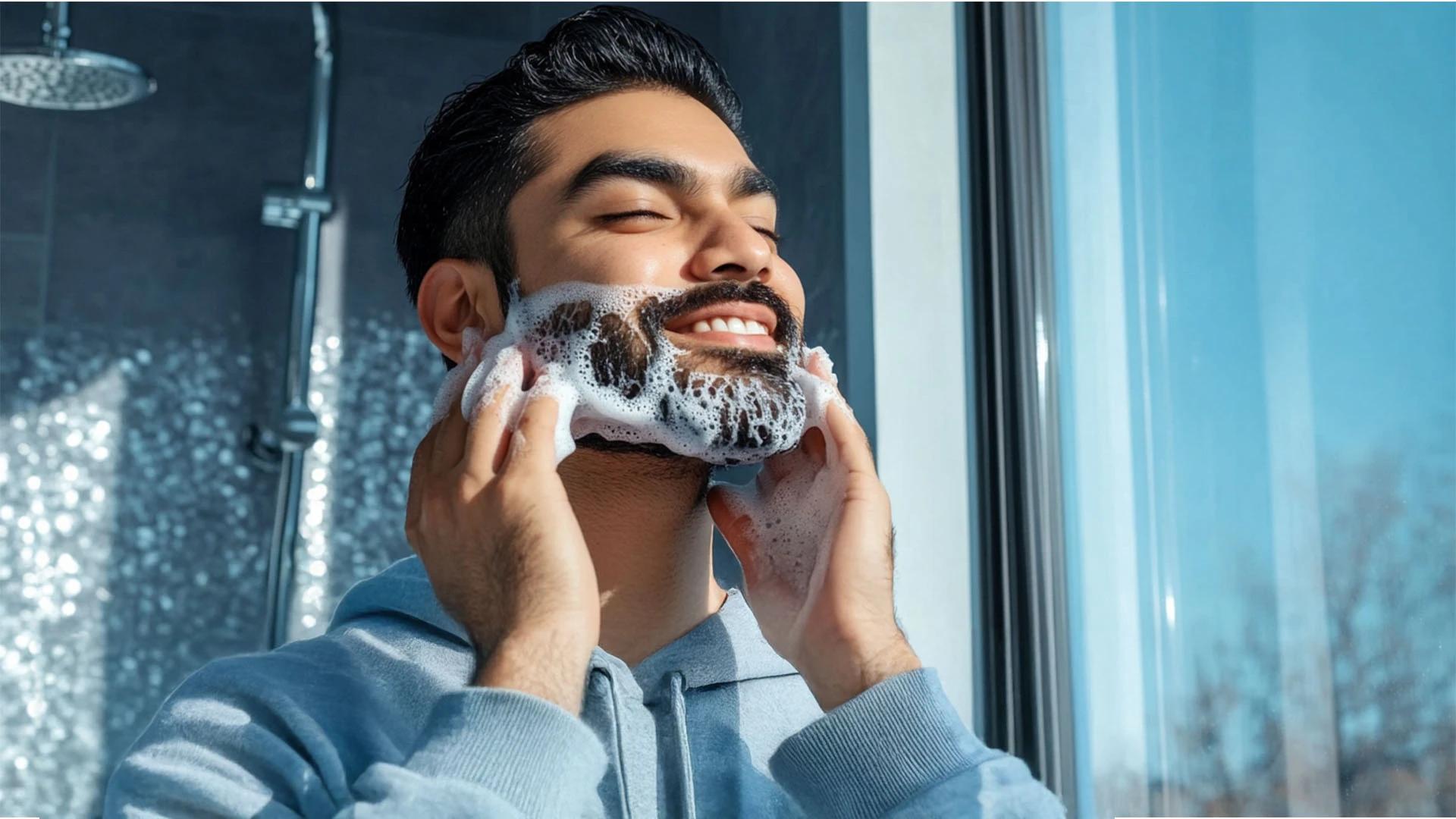


Spotless Anti Acne Face Wash | Only For Oily Skin with Mild Acne
Mild and Good
 5
5“good very mild on skin go for it”
Great Face Wash
5“nice face wash i used it 3 month”
If you've ever wondered whether washing your face more often clears acne, you're not alone. It's one of those skincare myths that sounds logical on the surface—more washing equals cleaner skin, right? But the reality is far more nuanced. While proper cleansing is absolutely crucial for managing breakouts, the frequency matters just as much as the technique. Many people with acne-prone skin fall into the trap of overwashing, thinking it'll fast-track their journey to clear skin, only to find their breakouts getting worse. The truth is, your skin needs balance, not bombardment. At Smytten, we've seen countless users discover through trial packs that the right cleanser used at the right frequency makes all the difference. Let's dive into the science behind face washing for acne and answer your most pressing questions about finding that sweet spot for your skin.
TL;DR
Washing your face more often doesn't automatically clear acne—twice daily is optimal for most people
Overwashing can actually worsen breakouts by disrupting your skin barrier and triggering excess oil production
The right cleanser and gentle technique matter more than frequency
Oily, acne-prone skin may benefit from a third wash post-exercise, but monitor your skin's response
Individual skin needs vary—what works for others might not work for you
Understanding how cleansing affects acne formation is crucial before we dive into frequency recommendations. Acne develops when three key factors combine: excess sebum production, dead skin cell buildup, and bacterial overgrowth in your pores. When these elements create the perfect storm, you get those frustrating breakouts that seem to appear overnight.
Proper cleansing helps remove excess oil, dead skin cells, and surface bacteria that can contribute to clogged pores. Clinical studies show that gentle, consistent cleansing can reduce the bacterial load on your skin's surface, particularly Cutibacterium acnes (formerly Propionibacterium acnes), which thrives in oxygen-poor environments like blocked pores. However, the key word here is gentle—aggressive scrubbing or frequent washing can actually push bacteria deeper into your pores and increase inflammation.
Your skin barrier is like a protective shield that keeps moisture in and irritants out. When you wash your face too frequently or use harsh products, you can damage this barrier, leading to increased sensitivity, dryness, and paradoxically, more oil production. Your skin tries to compensate for the stripped oils by producing even more sebum, creating a vicious cycle that can worsen acne rather than improve it.
Dermatologists consistently recommend washing your face twice daily—once in the morning and once before bed. This frequency allows you to remove overnight oil buildup and daily accumulation of dirt, pollution, and makeup without overdoing it. Research published in dermatological journals supports this twice-daily approach as optimal for most skin types, including acne-prone skin.
For most people dealing with breakouts, sticking to morning and evening cleansing sessions works best. Your morning wash removes the oils and dead skin cells that accumulate overnight, while your evening cleanse clears away the day's buildup of sebum, environmental pollutants, and any makeup or skincare products. If you have particularly oily skin or live in a humid climate, you might feel tempted to add a midday wash, but resist unless absolutely necessary.
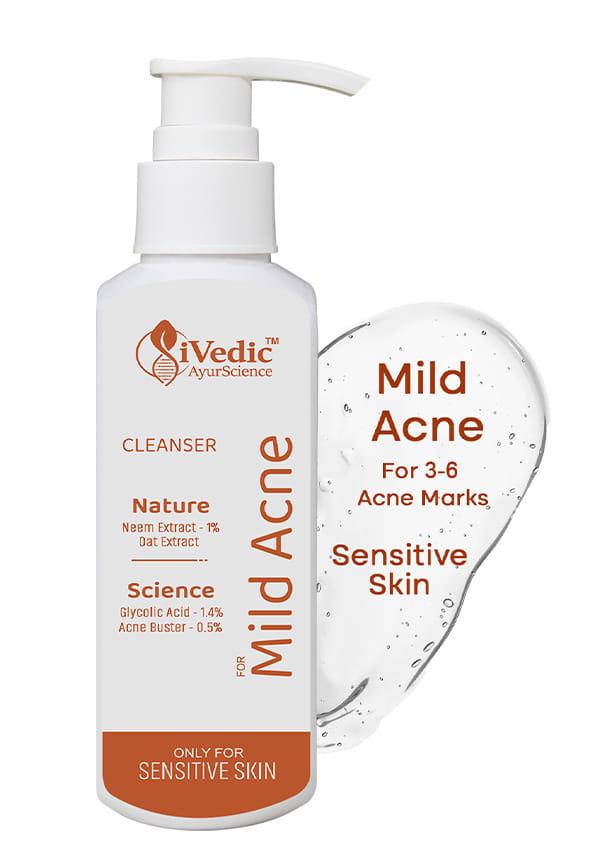
Spotless Anti Acne Face Wash | Only For Sensitive Skin with Mild Acne
Great Product
5“very nice and good product thanku”
Amazing Skincare Product
5“this is very amazing product very helpful for skin care”
Positive experience, but pricey
5“i love it but you should less pricing”
Your skin will tell you if you're overdoing it. Overwashing symptoms include increased oiliness (rebound effect), redness, irritation, tight feeling after cleansing, and paradoxically, more breakouts. On the flip side, under-cleansing signs include visibly clogged pores, dull complexion, makeup that doesn't apply smoothly, and a general feeling of greasiness that doesn't improve with blotting.
Not all acne is created equal, and your cleansing routine should reflect the type and severity of your breakouts. Understanding your specific acne pattern helps you tailor your approach for better results without unnecessary irritation.
Mild acne (occasional blackheads and small pimples) typically responds well to twice-daily cleansing with a gentle, non-comedogenic cleanser. Moderate to severe acne might benefit from cleansers containing salicylic acid or benzoyl peroxide, but still at the same twice-daily frequency. The difference lies in the product choice, not the washing frequency.
When you're experiencing an active breakout, your instinct might be to wash more frequently, but this can actually prolong the healing process. Stick to your regular routine but be extra gentle. Use lukewarm water, avoid scrubbing, and pat dry with a clean towel. If you're using spot treatments, apply them after cleansing to clean, dry skin.
The effects of washing face too much extend far beyond temporary dryness. Overwashing can fundamentally alter your skin's behaviour, leading to a cascade of issues that actually worsen acne in the long run. Understanding these effects helps you avoid the common trap of thinking more is always better.
When you strip your skin of its natural oils too frequently, your sebaceous glands go into overdrive to compensate. This rebound oil production can make your skin greasier than before, creating more opportunities for clogged pores. Additionally, frequent washing can increase inflammation and sensitivity, making your skin more reactive to products and environmental factors. The disruption of your skin's natural microbiome—the beneficial bacteria that help maintain skin health—can also contribute to persistent acne issues.
Many people unknowingly sabotage their skin by using harsh scrubbing motions, thinking they're "deep cleaning" their pores. Hot water is another culprit—while it feels good, it strips your skin more aggressively than lukewarm water. Using the wrong cleanser for frequent use, such as those with high concentrations of active ingredients, can also lead to overwashing effects even with normal frequency.
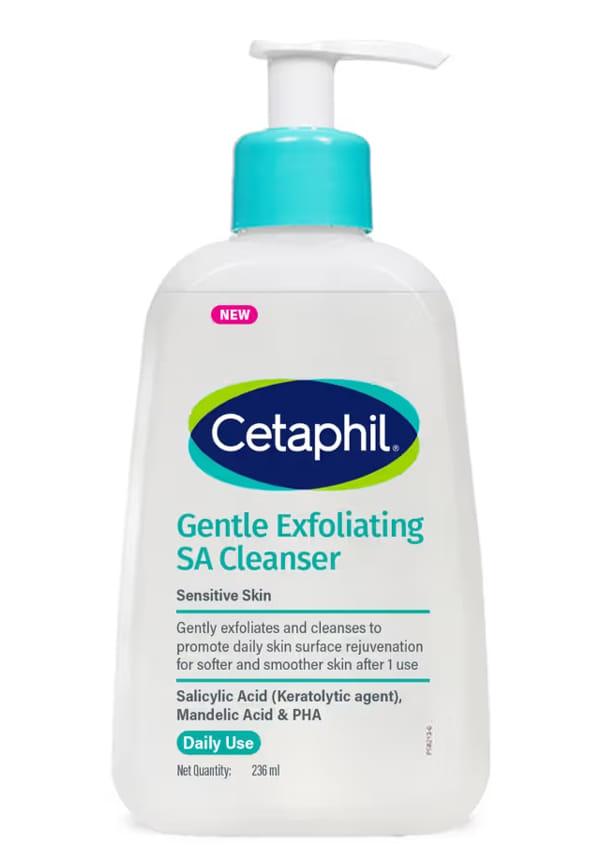
Gentle Daily Exfoliating Cleanser With Salicylic Acid For Oily Acne Prone Skin
Good for Oily & Acne Skin
4“i really like this product good for oily and acne skin”
Good for Oily & Acne Skin
4“i really like this product good for oily and acne skin”
Good for Oily & Acne Skin
4“i really like this product good for oily and acne skin”
The success of your cleansing routine depends heavily on technique and product selection. Getting these elements right can make the difference between clear skin and persistent breakouts, regardless of how often you wash your face.
Look for gentle, non-comedogenic formulations that won't clog your pores or strip your skin. pH-balanced cleansers (around 5.5) help maintain your skin's natural acidity, which supports the skin barrier and beneficial bacteria. For acne-prone skin, ingredients like salicylic acid (BHA) can help with gentle exfoliation, while niacinamide can reduce inflammation. Avoid cleansers with harsh sulphates, alcohol, or strong fragrances that can irritate already sensitive skin.
Start with lukewarm water to open your pores gently. Apply a small amount of cleanser to damp hands and work into a light lather before massaging onto your face in circular motions for 30-60 seconds. Focus on areas prone to oiliness like your T-zone, but don't neglect drier areas. Rinse thoroughly with lukewarm water and pat dry with a clean towel—never rub, as this can cause irritation and micro-tears in the skin.
While twice-daily cleansing is the gold standard, there are specific situations where frequent face washing benefits might outweigh the risks. Understanding when to adjust your routine helps you maintain clear skin without falling into the overwashing trap.
Post-workout cleansing is one scenario where a third wash might be beneficial. Sweat mixed with bacteria and skincare products can clog pores if left on the skin too long. If you exercise regularly, especially in the evening, a gentle rinse or light cleanse after your workout can prevent breakouts. Similarly, if you wear heavy makeup or work in a particularly polluted environment, you might need to adjust your routine accordingly.
The key to long-term skin health is consistency rather than intensity. Your skin adapts to routines over time, so sudden changes in washing frequency can temporarily disrupt your skin's balance. If you need to adjust your routine, do it gradually and monitor your skin's response. Seasonal changes might also require minor adjustments—you might need slightly more frequent cleansing in humid summer months or less in dry winter conditions.
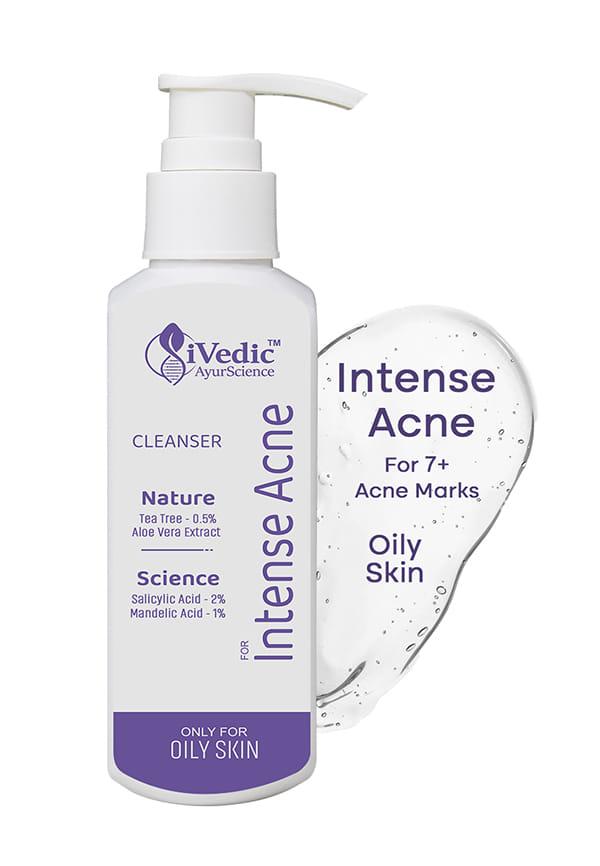
Acne End Face Wash | Only For Oily Skin with Intense Acne
Great Facewash!
5“This is my first time using a facewash other than branded ones ... I really liked the trial version which is why I bought the full size and I'm not disappointed ... Lasts long , clears acne well , it's a rare worth-it gem”
No, washing your face more often doesn't clear acne faster and can actually worsen breakouts. Twice-daily cleansing is optimal for most people. Overwashing strips your skin's natural oils, leading to increased oil production and irritation that can prolong acne healing. Consistency with a gentle routine works better than frequency.
Washing your face three times daily can disrupt your skin barrier and trigger rebound oil production. While one extra wash post-exercise might be acceptable occasionally, regular triple washing often leads to dryness, irritation, and paradoxically more breakouts. Your skin needs time to restore its natural balance between cleansing sessions.
Signs of overwashing include increased oiliness, redness, tight feeling after cleansing, sensitivity to products you previously tolerated, and worsening breakouts despite frequent cleansing. If you experience these symptoms, reduce your washing frequency and switch to a gentler cleanser. Your skin should feel clean but not stripped after washing.
Water alone isn't sufficient for acne-prone skin as it can't remove oil-based impurities, makeup, or sunscreen effectively. However, if your skin is severely irritated from overwashing, a few days of gentle water-only cleansing can help restore your skin barrier before reintroducing a mild cleanser. This should be temporary, not a long-term solution.
Using different cleansers morning and evening can be beneficial for some people with acne. A gentler cleanser in the morning removes overnight oil buildup without being harsh, while a slightly stronger cleanser in the evening can remove the day's accumulation of makeup, sunscreen, and pollutants. However, this isn't necessary for everyone—many people do well with the same gentle cleanser twice daily. You can explore different options through Smytten's trial packs to find what works best for your skin.
Give your skin 4-6 weeks to adjust to any changes in your cleansing routine. Initial improvements in skin texture and oil control might be noticeable within 1-2 weeks, but significant changes in acne typically take longer. If your skin worsens after 2 weeks of a new routine, it might be too harsh or frequent for your skin type.
The relationship between face washing frequency and acne isn't as straightforward as "more equals better." Twice-daily cleansing with a gentle, appropriate cleanser is the sweet spot for most people dealing with breakouts. Your skin's natural barrier function is crucial for preventing acne, and overwashing can disrupt this protective mechanism, leading to increased oil production and more breakouts. Pay attention to your skin's signals—if it feels tight, looks red, or seems more oily after increasing your washing frequency, it's time to dial it back. Remember that consistency trumps intensity when it comes to skincare routines. The right cleanser used correctly twice a day will serve you better than frequent washing with harsh products.
Finding the right balance in your cleansing routine is a journey, not a destination. What works for your friend or favourite influencer might not work for your unique skin needs. This is where Smytten's approach to skincare discovery becomes invaluable. As India's largest product discovery and trial platform, Smytten connects you with over 2,400 trusted brands, allowing you to explore different cleansers through curated trial packs before committing to full-size purchases. With up to 10 trial points for just ₹279 and 100% cashback on trials, you can experiment with various gentle cleansers to find your perfect match without the financial risk. Whether you're looking for a morning cleanser, an evening treatment, or something for post-workout cleansing, Smytten's authentic brand-verified minis let you try before you buy. After all, why settle for 'maybe' when you can #TryItAll and discover what truly works for your skin's unique needs?
